

Traveling to Luxor: The Essential Guide for First-Time Visitors
Luxor for First-Time Visitors
Traveling to Luxor reveals why this city is often considered the world’s greatest open-air museum. Its grand temples, beautifully painted tombs, and extraordinary archaeological treasures make Luxor a place every traveler should visit at least once.
At Egypt Tours Plus, we’ve been guiding travelers through Luxor’s wonders since 1955. This beginner-friendly guide helps you understand what to see, how to plan, and what to expect, so you can enjoy Luxor with comfort and confidence.
What Makes Luxor Special
If you’re new to Egypt, Luxor offers one of the most powerful introductions to ancient history:
- It was the ancient city of Thebes, capital of the New Kingdom.
- It contains a staggering concentration of temples, tombs, and monuments.
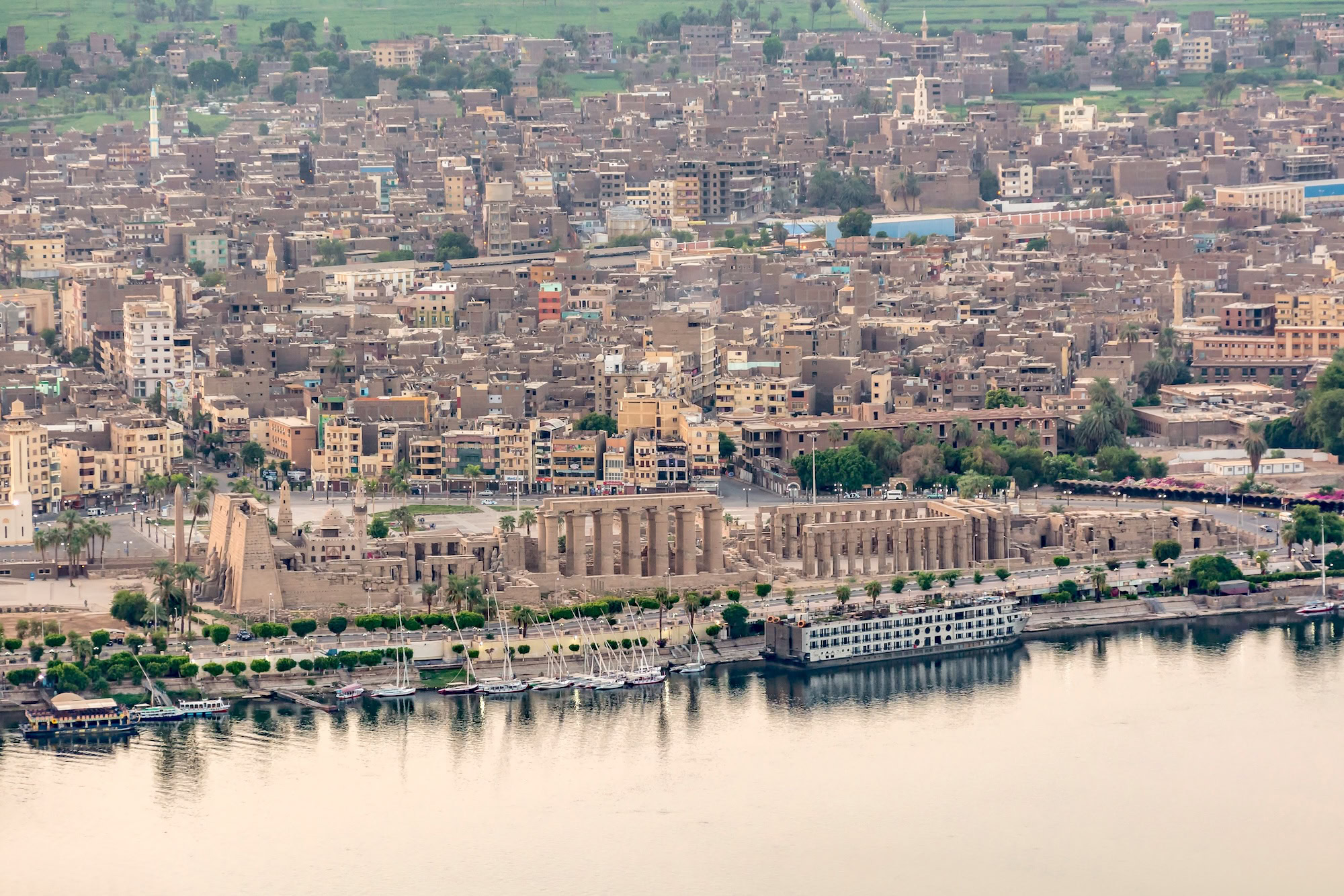
- It’s divided by the Nile into the East Bank (life, temples) and West Bank (death, tombs).
- It’s the best place to explore the stories of pharaohs like Tutankhamun, Hatshepsut, and Ramses the Great.
Visitors often describe Luxor as one of the highlights of their entire Egypt trip.
Luxor at a Glance
- Location: Southern Egypt, along the Nile
- Best for: History enthusiasts, culturally curious travelers, first-time visitors
- Language: Arabic (English widely spoken)
- Weather: Hot and dry, especially in summer
- Best way to explore: Private Egyptologist guide + personal driver
Top Luxor Attractions for First-Time Visitors
These are the essential Luxor sights we recommend — the ones that leave the deepest impression and offer a true sense of Egypt’s ancient greatness.
Karnak Temple
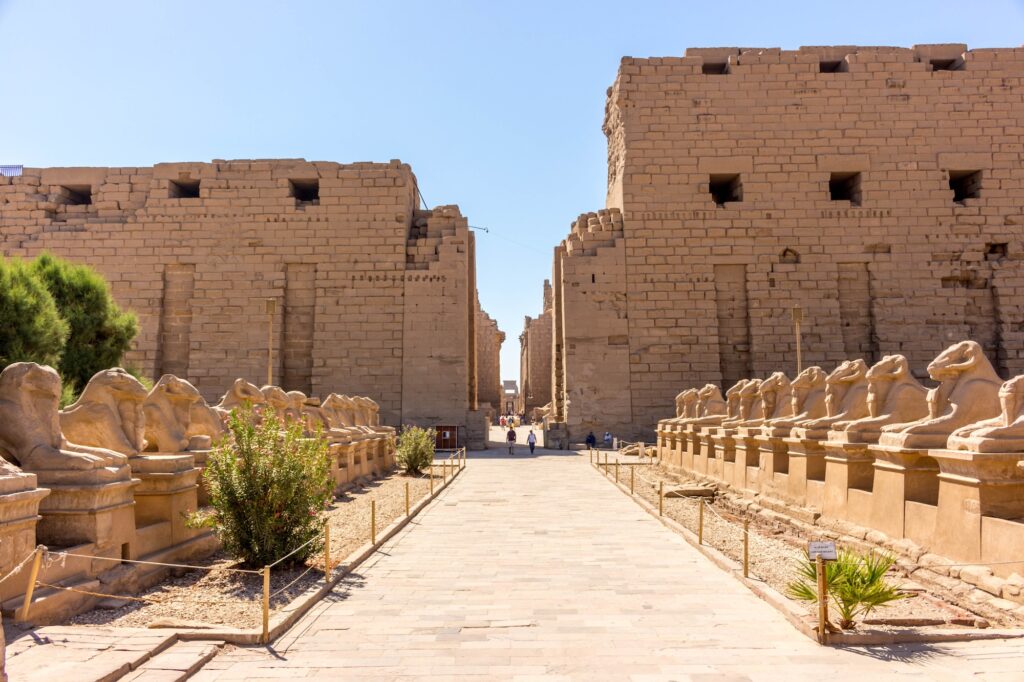
Karnak Temple is one of the largest temple complexes ever built. Construction lasted more than 1,500 years, making it a living timeline of ancient Egyptian religion and architecture.
Why visit:
- Explore the Great Hypostyle Hall with its towering columns
- See obelisks, sacred lakes, statues, and ancient carvings
- Experience one of Egypt’s most impressive archaeological sites
Tip: Visit early morning or late afternoon to avoid peak heat.
Luxor Temple
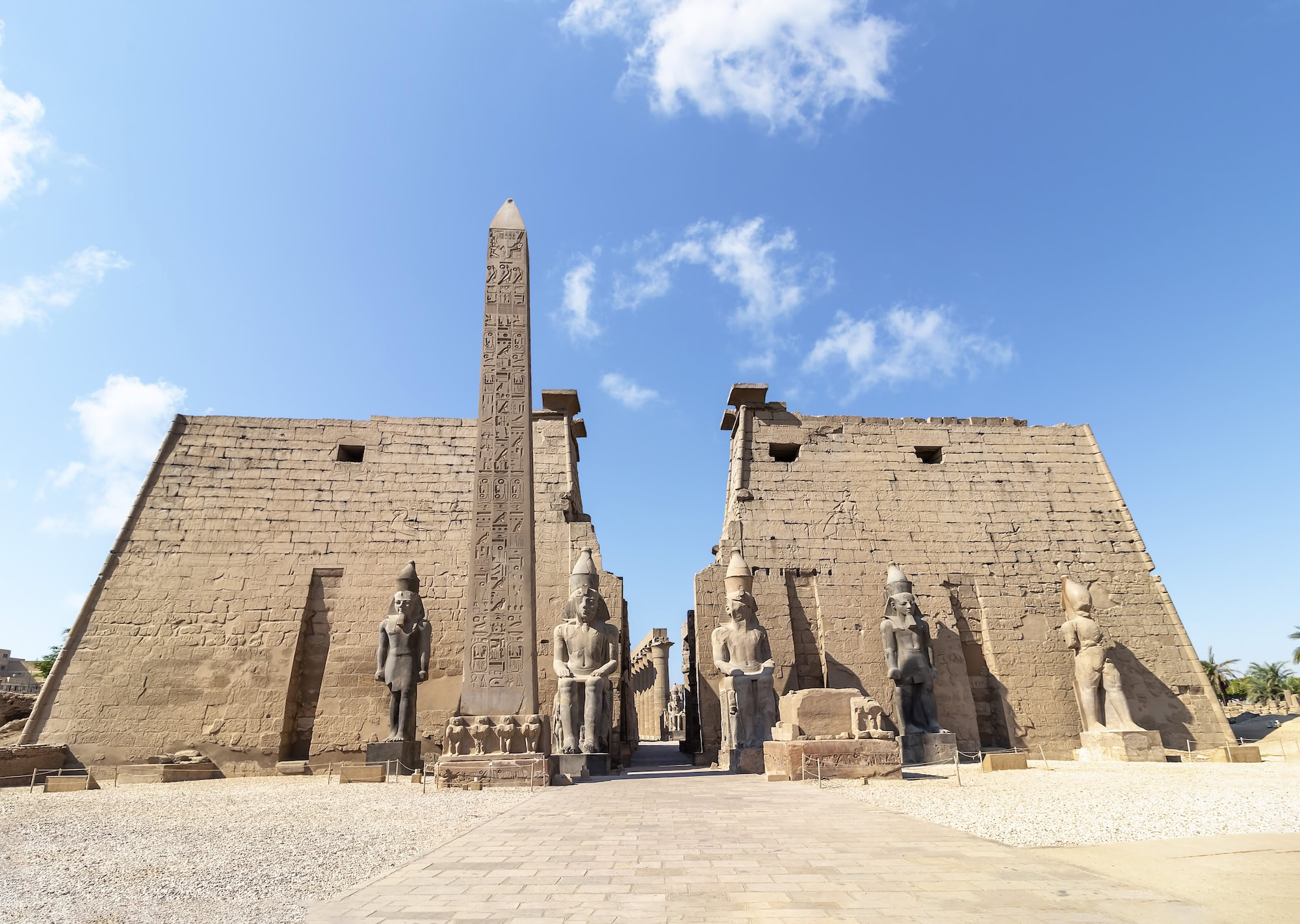
While Karnak represented the spiritual heart of ancient Egypt, Luxor Temple symbolized kingship and was dedicated to divine power.
Why it’s special:
- Beautifully lit at night
- Located right in the heart of modern Luxor
- Rich in inscriptions, sphinx-lined paths, and monumental statues
Valley of the Kings
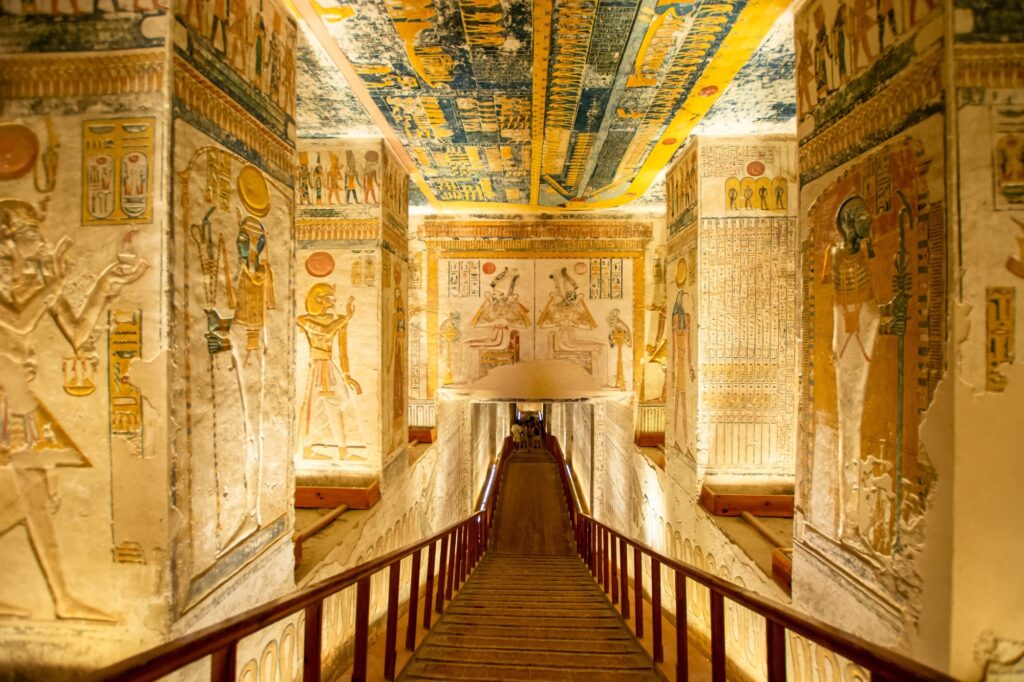
The legendary Valley of the Kings holds more than 60 tombs of the New Kingdom pharaohs. Walking through these burial chambers feels like stepping directly into history.
Highlights include:
- The tomb of Tutankhamun
- The richly decorated tombs of Ramses III, IV, and IX
- Remarkably preserved wall art and hieroglyphs
Tip: Your guide will help you choose the best tombs to prioritize.
Temple of Hatshepsut
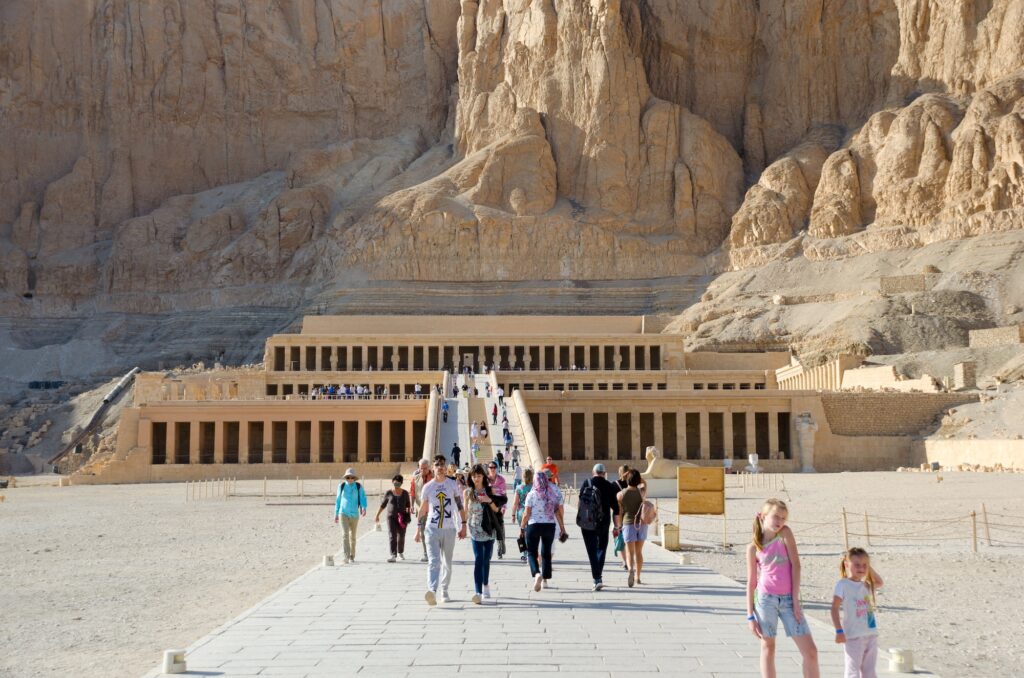
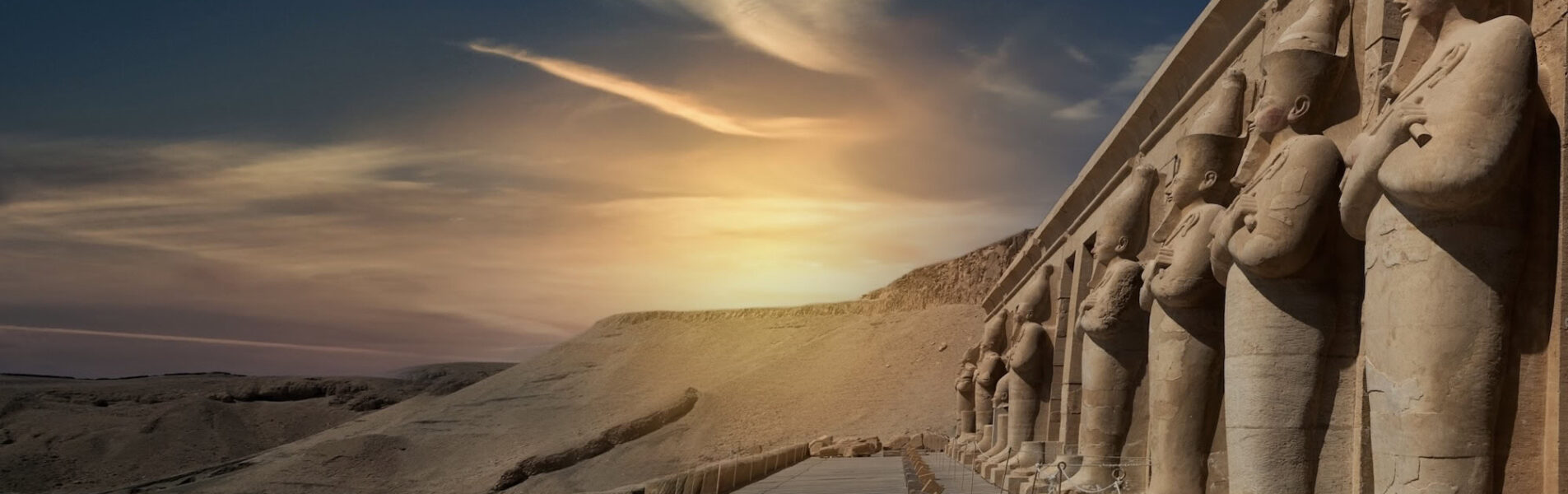
Carved directly into dramatic desert cliffs, the terraced Temple of Queen Hatshepsut honors Egypt’s most successful female pharaoh.
Why visit:
- Unique architectural style
- Impressive statues and reliefs
- Stunning cliff backdrop
Colossi of Memnon
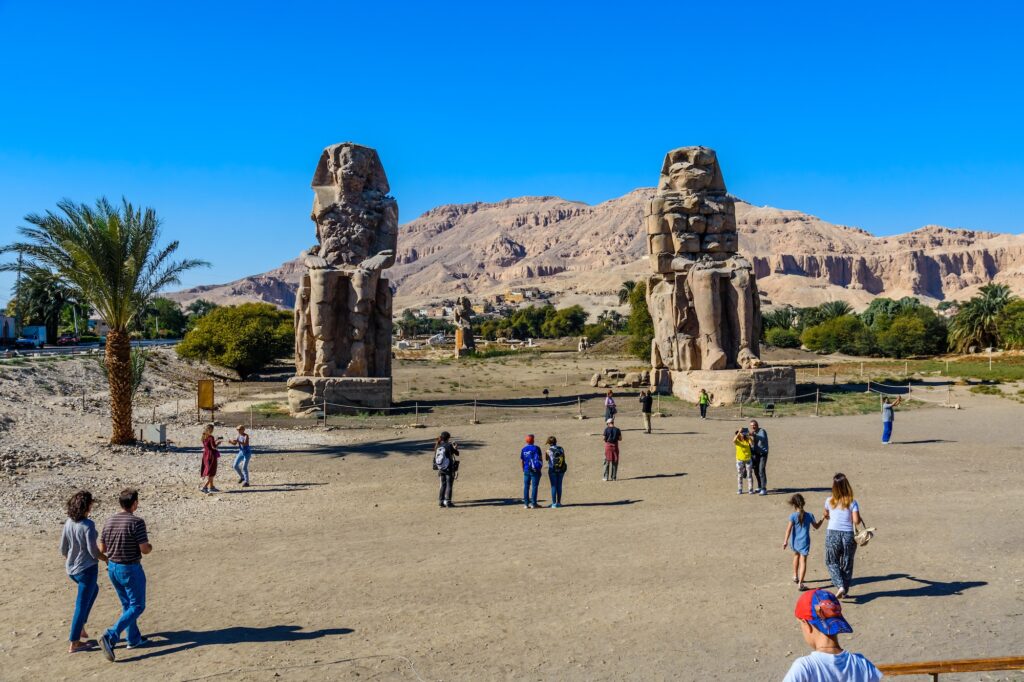
These two massive seated statues known as Colossi of Memnon once guarded the entrance to Amenhotep III’s mortuary temple.
Why visit:
- Iconic photo stop
- Easy to combine with nearby West Bank sites
Valley of the Queens
Valley of the Queens is home to beautifully decorated tombs of royal women, including the Tomb of Queen Nefertari — often described as the most breathtakingly preserved tomb in Egypt.
Why it’s special:
- Vivid colors and detailed paintings
- Offers deeper insight into royal family life
Hot Air Balloon Ride over Luxor
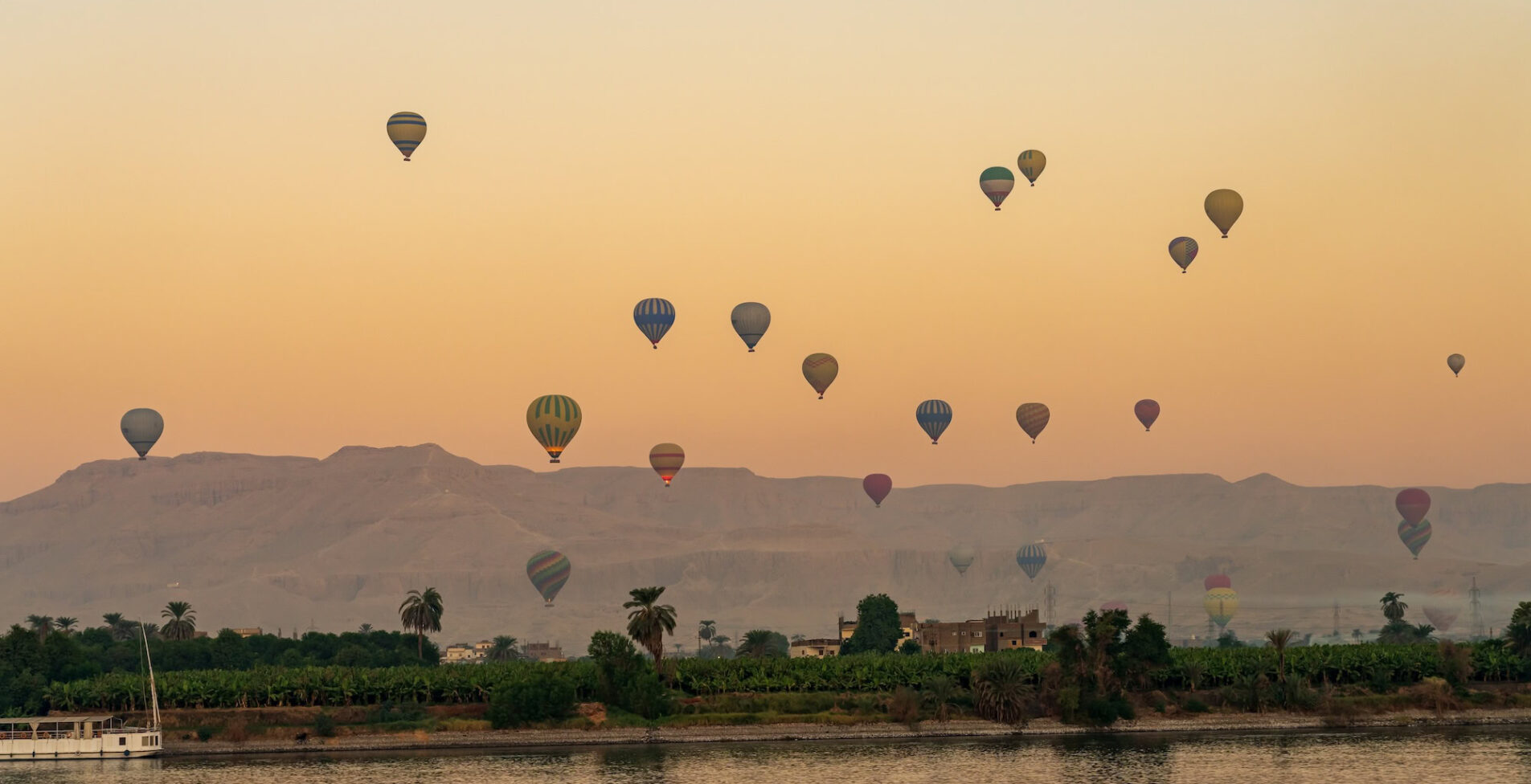
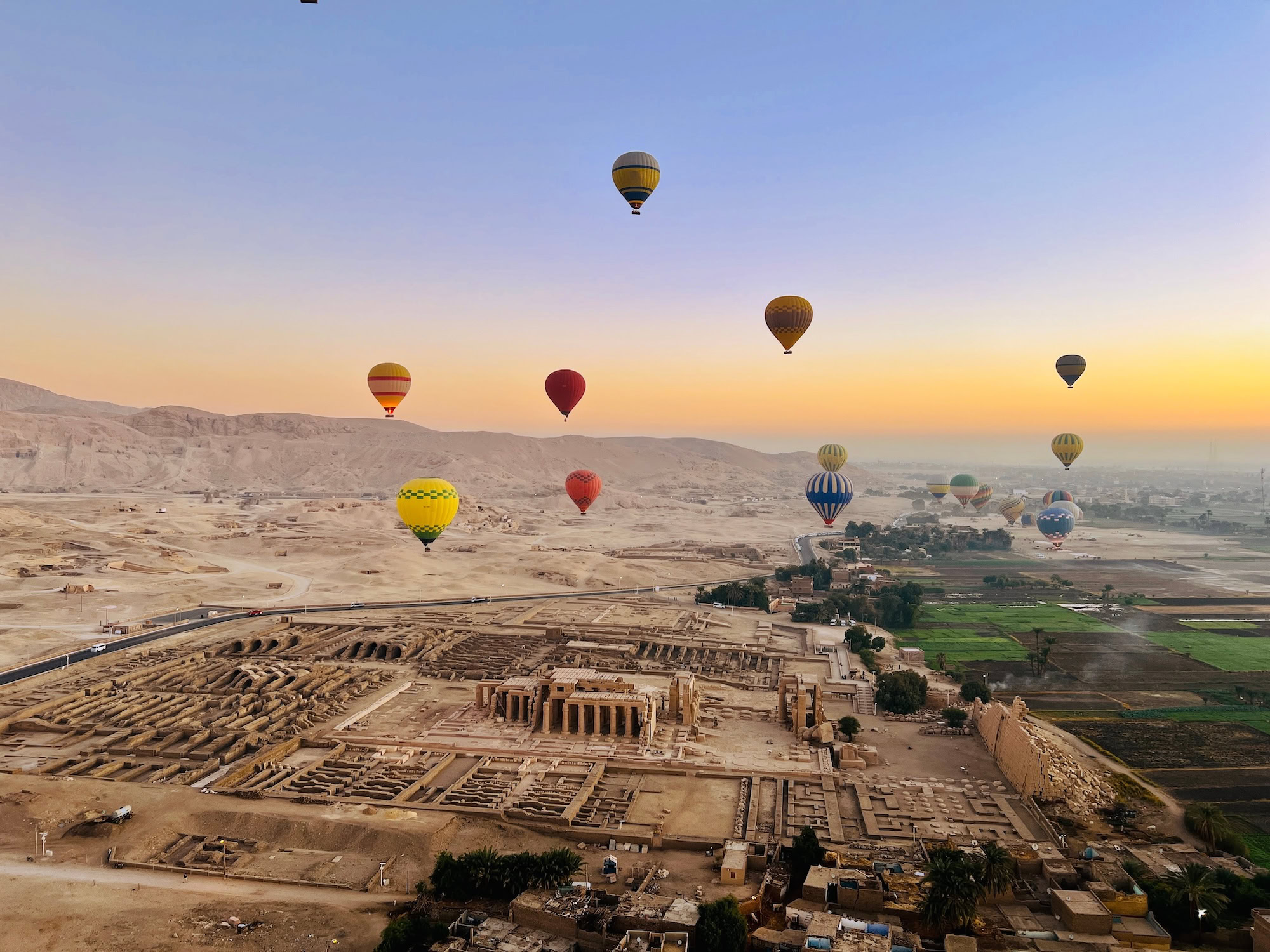
For many travelers, a sunrise balloon ride over Luxor is one of the most unforgettable experiences in Luxor.
What to expect:
- Peaceful flight over fields, villages, and the West Bank monuments
- Soft morning light illuminating the desert cliffs and temples
Essential Luxor Travel Tips
- Weather: Luxor is warmer than Cairo — light clothing is important.
- Timing: Early starts are best for comfort and photography.
- Hydration: Bring water; shade is limited at archaeological sites.
- Footwear: Comfortable walking shoes are recommended.
- Transport: A private vehicle is the most efficient way to move between sites.
- Guides: A knowledgeable Egyptologist adds enormous value to every site visit.
- Safety: Luxor is safe and welcoming, especially for guided tours.
What to Eat in Luxor
Luxor’s food scene focuses on fresh ingredients and traditional Egyptian dishes.
Local favorites include:
- Grilled kofta and kebabs
- Ta’meya (Egyptian falafel)
- Koshari
- Lentil soup
- Fresh Nile fish
- Seasonal fruit juices (mango, guava, pomegranate)
Many hotels and local restaurants offer excellent options for first-time visitors.

Suggested Luxor Itineraries
1-Day Luxor Highlights
- East Bank: Karnak Temple, Luxor Temple
- West Bank: Valley of the Kings, Temple of Hatshepsut, Colossi of Memnon
This is the most common full-day private Luxor tour.
2-Day Luxor Explorer
- Day 1: East Bank – Karnak Temple, Luxor Temple, Optional: Luxor Museum
- Day 2: West Bank – Valley of the Kings, Temple of Hatshepsut, Valley of the Queens, Colossi of Memnon
3-Day Luxor Discovery
- Day 1: Karnak + Luxor Temple
- Day 2: Valley of the Kings + Temple of Hatshepsut
- Day 3: Valley of the Queens + additional tombs + Luxor Museum or Mummification Museum
Why Explore Luxor With Egypt Tours Plus?
Since 1955, Egypt Tours Plus has been helping travelers experience Luxor with ease, comfort, and deep cultural insight. Our Luxor private tours are fully customizable and include your own Egyptologist guide and personal driver.
What you can expect:
- Private guided tours with expert Egyptologists
- Tailored itineraries based on your interests
- Comfortable, air-conditioned transportation
- Flexibility to explore at your own pace
- 24/7 customer service
- Guides fluent in English, Portuguese, Spanish, Italian, and more
We ensure that your visit to Luxor is smooth, safe, and filled with unforgettable moments.
Design Your Custom Tour
Explore Egypt your way by selecting only the attractions you want to visit