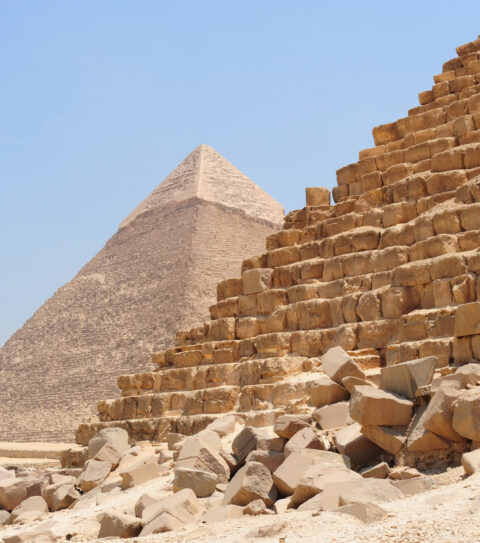
Necropolis of Saqqara: Your Complete Photo Guide to Egypt’s Oldest Royal Burial Ground
Journey 30 kilometers south of Cairo to discover Egypt’s oldest stone monuments.
The Necropolis of Saqqara stretches across eight kilometers of desert west of the Nile River, serving as Memphis’ primary burial ground for over 2,000 years. This remarkable archaeological site houses the world’s first stone pyramid, revolutionary burial texts, and underground galleries that continue to yield new discoveries. Unlike the crowded pyramid complex at Giza, Saqqara offers visitors an intimate encounter with Egypt’s earliest dynasties, where pharaohs and nobles pioneered architectural innovations that would define ancient Egyptian civilization.
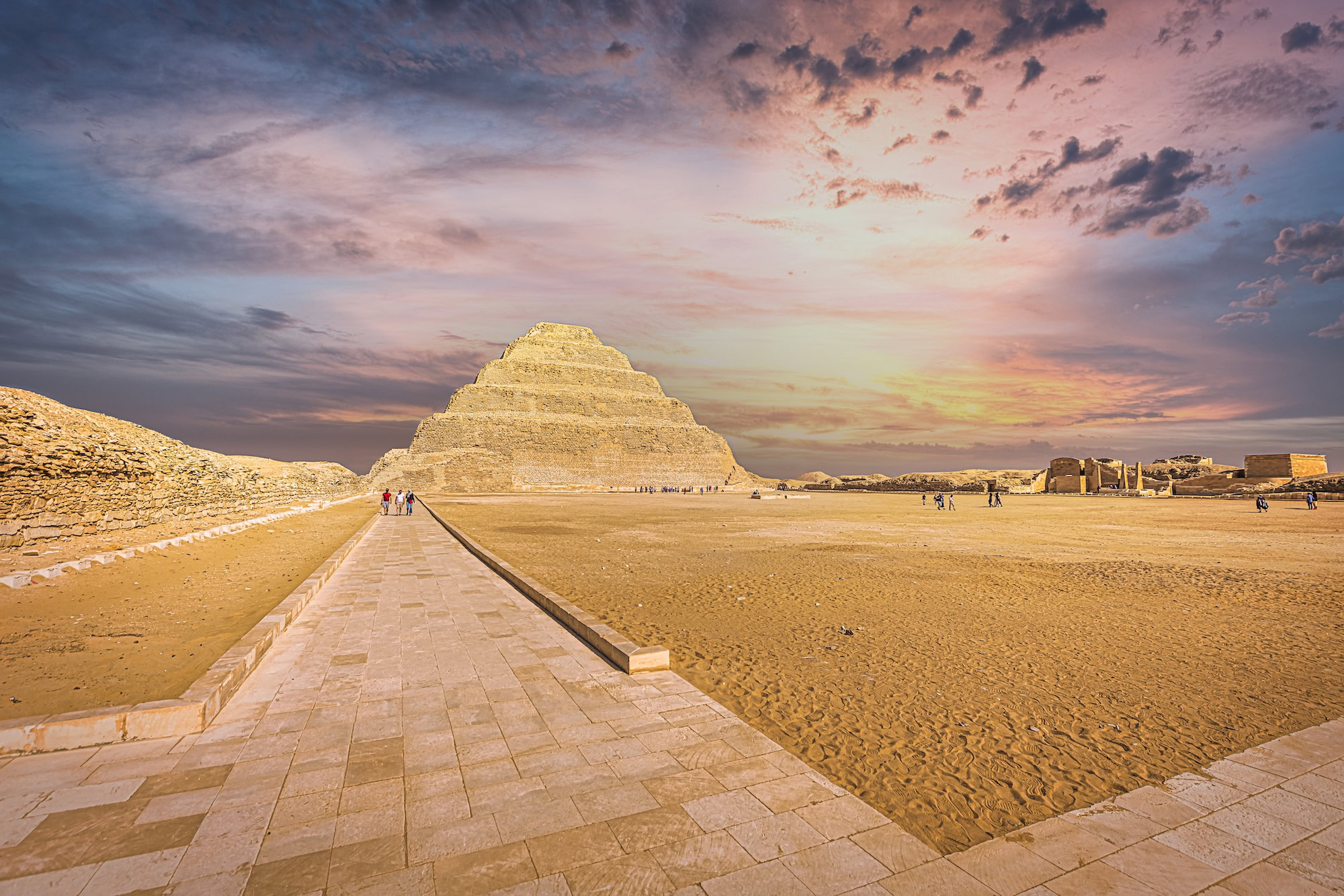
For travelers seeking authentic historical experiences beyond mainstream tourist circuits, Saqqara represents Egypt’s most significant archaeological treasure trove. More than 70% of the site remains unexcavated, promising future revelations about humanity’s oldest advanced civilization.
The Step Pyramid Complex: An Architectural Revolution
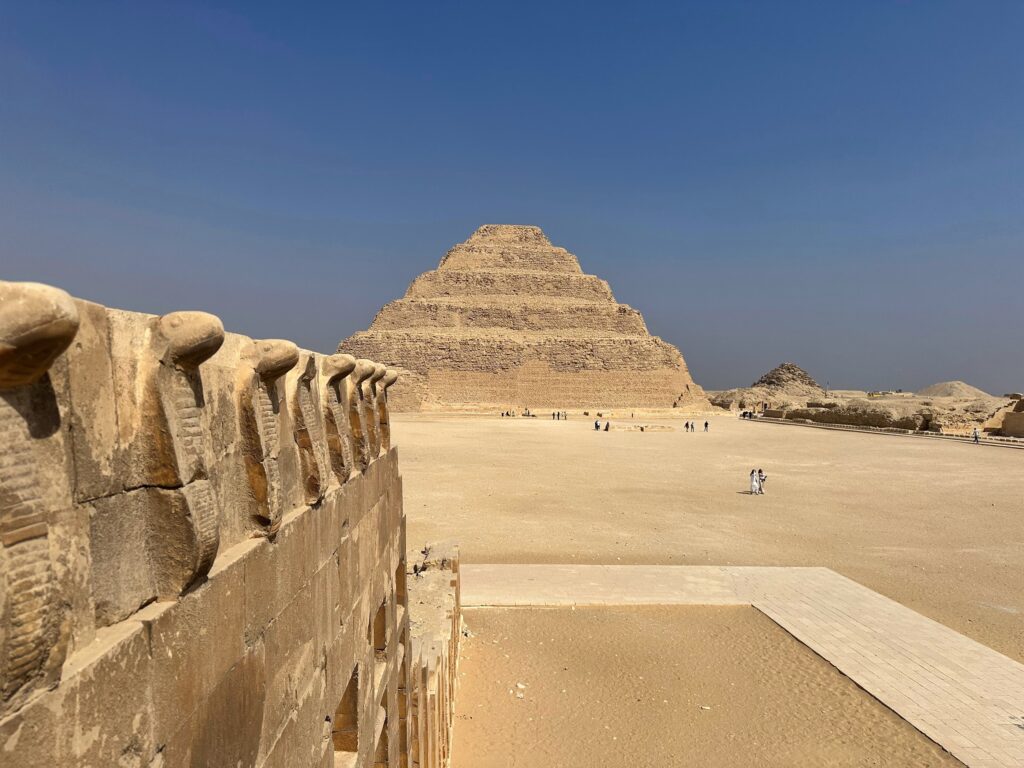
King Djoser’s Step Pyramid rises six levels above the Saqqara necropolis, marking humanity’s transition from mud-brick mastabas to monumental stone architecture. This 4,700-year-old structure stands as the world’s oldest pyramid, predating Giza’s famous monuments by several centuries.
Imhotep’s Visionary Design
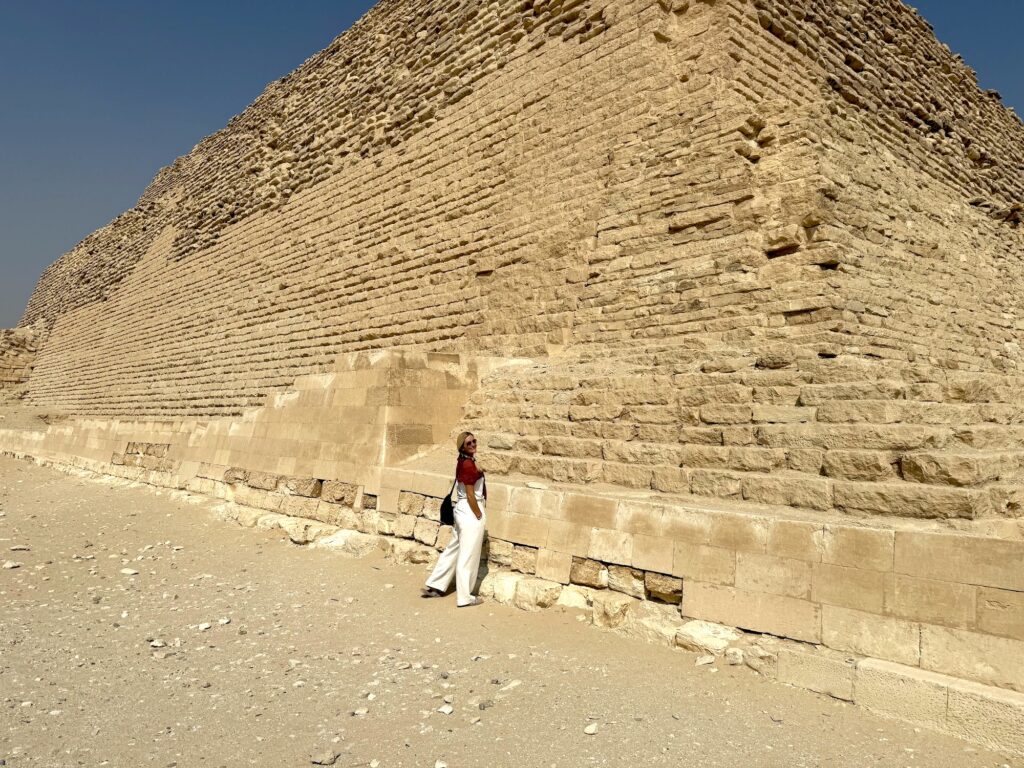
Architect Imhotep revolutionized construction by stacking six mastabas of decreasing size, creating the distinctive stepped profile that earned this monument its modern name. The complex originally stood 62 meters tall, enclosed within a limestone wall featuring 14 false doors and one functional entrance. Imhotep’s innovative use of dressed limestone blocks rather than rough stone established architectural principles that would influence pyramid construction throughout the Old Kingdom.
Underground Chambers and Passages
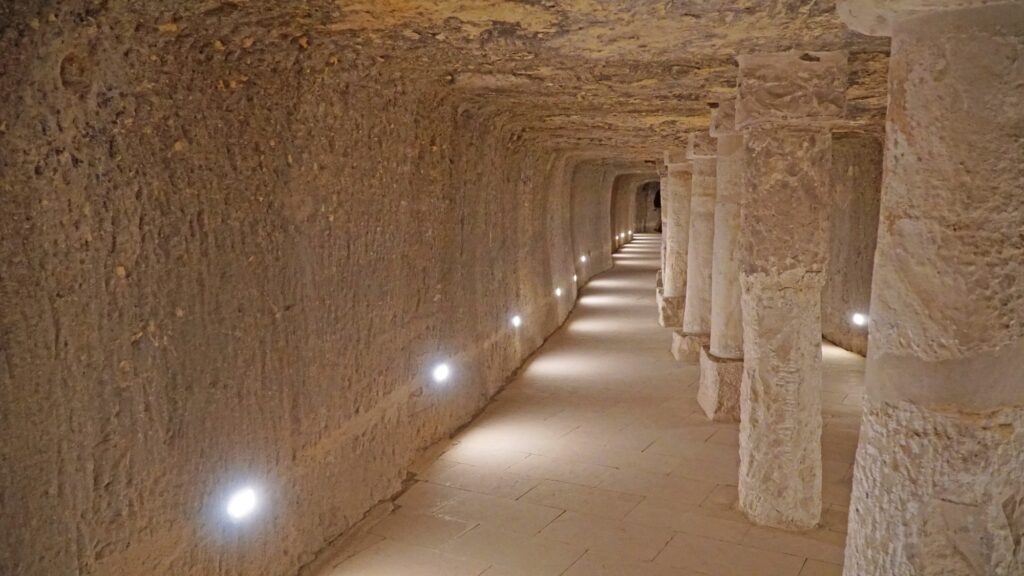
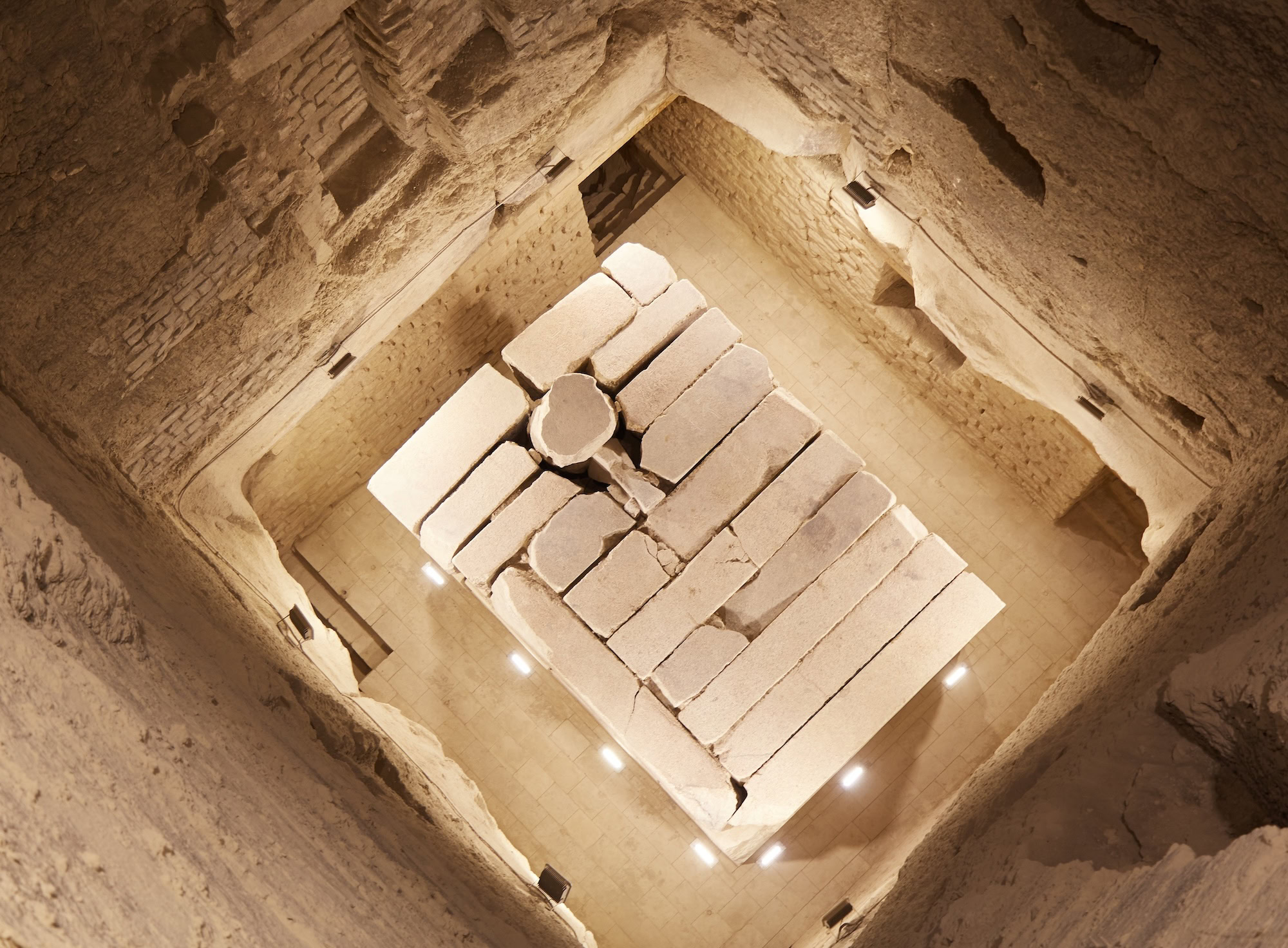
Beneath the Step Pyramid lies an intricate network of tunnels, chambers, and shafts extending over 5.5 kilometers. The burial chamber sits 28 meters below ground level, accessed through a vertical shaft sealed with a three-ton granite plug.
Blue-green faience tiles decorate several underground rooms, recreating the reed-mat architecture of Djoser’s palace in permanent stone.

Ceremonial Courtyards and Buildings
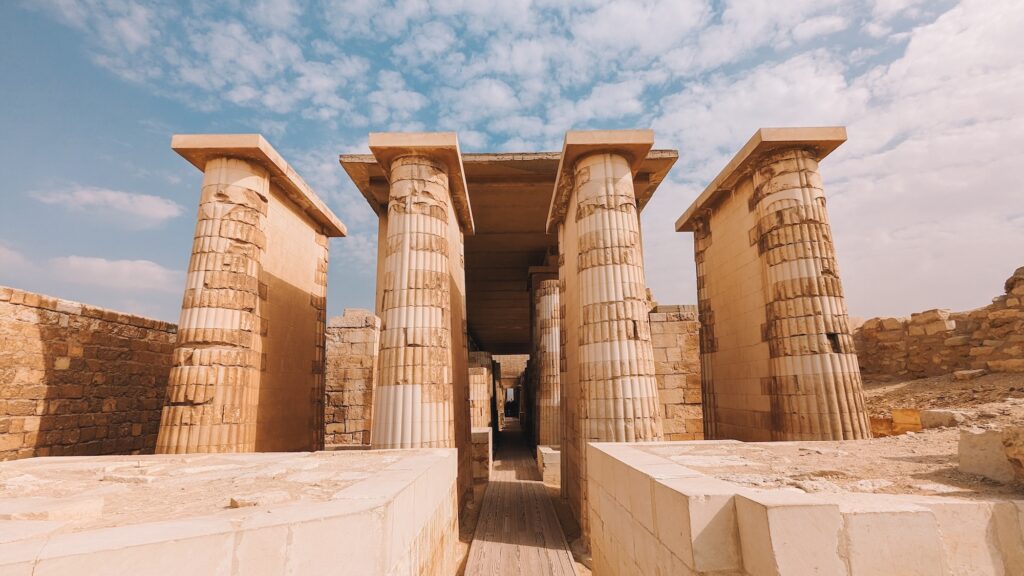
The Step Pyramid Complex encompasses numerous ceremonial structures within its 15-hectare enclosure. The Heb-sed court features stone platforms where Djoser would have performed ritual runs to demonstrate his continued physical vigor as pharaoh.
Dummy buildings with solid interiors showcase facades of different Egyptian architectural styles, serving symbolic functions in the pharaoh’s afterlife.
Historical Significance Through Egypt’s Dynasties
Saqqara’s importance extended far beyond Djoser’s reign, serving as Memphis’ necropolis from approximately 3100 BC through the Coptic period. The site witnessed continuous use by Egypt’s ruling elite across nearly three millennia, adapting to changing religious practices and political structures.
Archaeological evidence reveals that Egypt’s earliest dynasties chose Saqqara for its elevated position overlooking the Nile Valley and its symbolic location west of the river, where the sun sets each day. This western orientation held profound religious significance, representing the realm of the dead in ancient Egyptian cosmology. Pharaohs from the First Dynasty through the Persian period constructed monuments here, creating a timeline of Egyptian civilization written in stone.
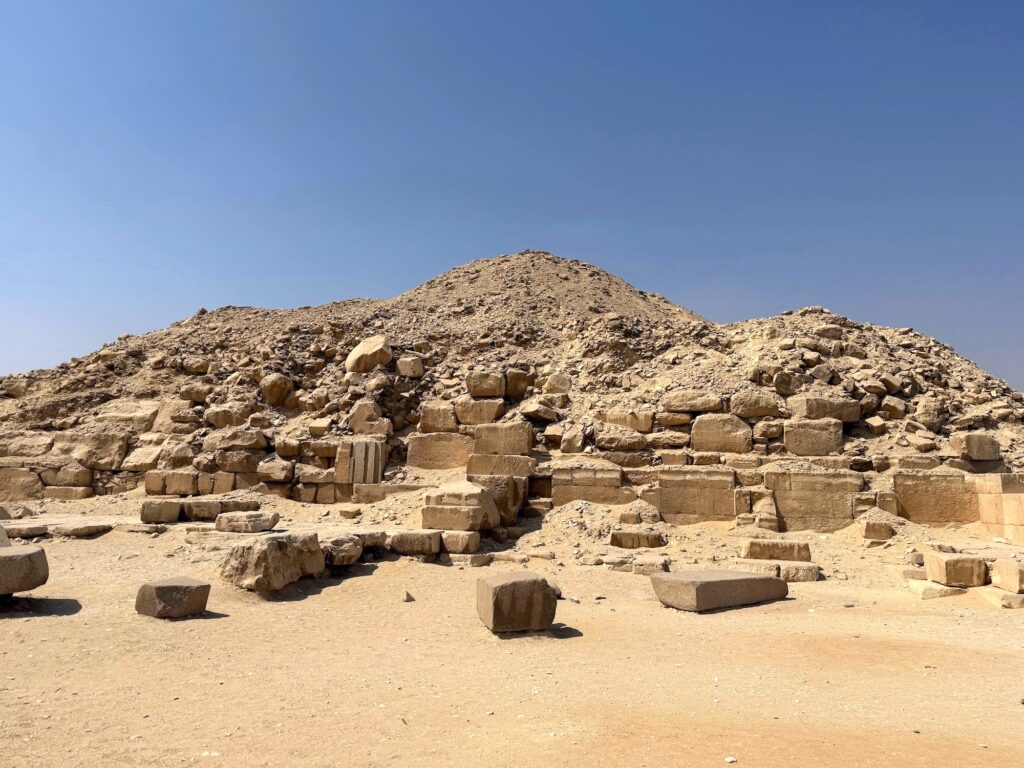
The necropolis reached its architectural peak during the Old Kingdom, when pyramid construction flourished under dynasties IV through VI. King Unas built the last pyramid at Saqqara around 2350 BC, but nobles and officials continued commissioning elaborate mastaba tombs throughout subsequent periods. During the New Kingdom, high officials like Horemheb constructed temple-tombs at Saqqara before ascending to the throne.
Memphis: The Ancient Capital Connection
Saqqara served as the primary cemetery for Memphis, Egypt’s administrative capital for over a thousand years. Memphis controlled the crucial junction between Upper and Lower Egypt, making it the political and economic heart of the unified kingdom. Royal courtiers, government officials, and wealthy merchants built their eternal homes at Saqqara, creating a necropolis that reflected Memphis’ cosmopolitan character.
Pyramid Texts: Humanity’s Oldest Religious Literature
King Unas’ pyramid contains the earliest known collection of funerary spells, now called the Pyramid Texts. These hieroglyphic inscriptions, carved into the burial chamber walls around 2350 BC, represent humanity’s first written religious literature.
The texts include over 700 spells designed to protect the pharaoh’s soul during its journey to the afterlife. They describe the deceased king joining the sun god Ra in his daily voyage across the sky, becoming an imperishable star in the northern heavens. These ancient spells later evolved into the Coffin Texts of the Middle Kingdom and eventually the Book of the Dead used by ordinary Egyptians.
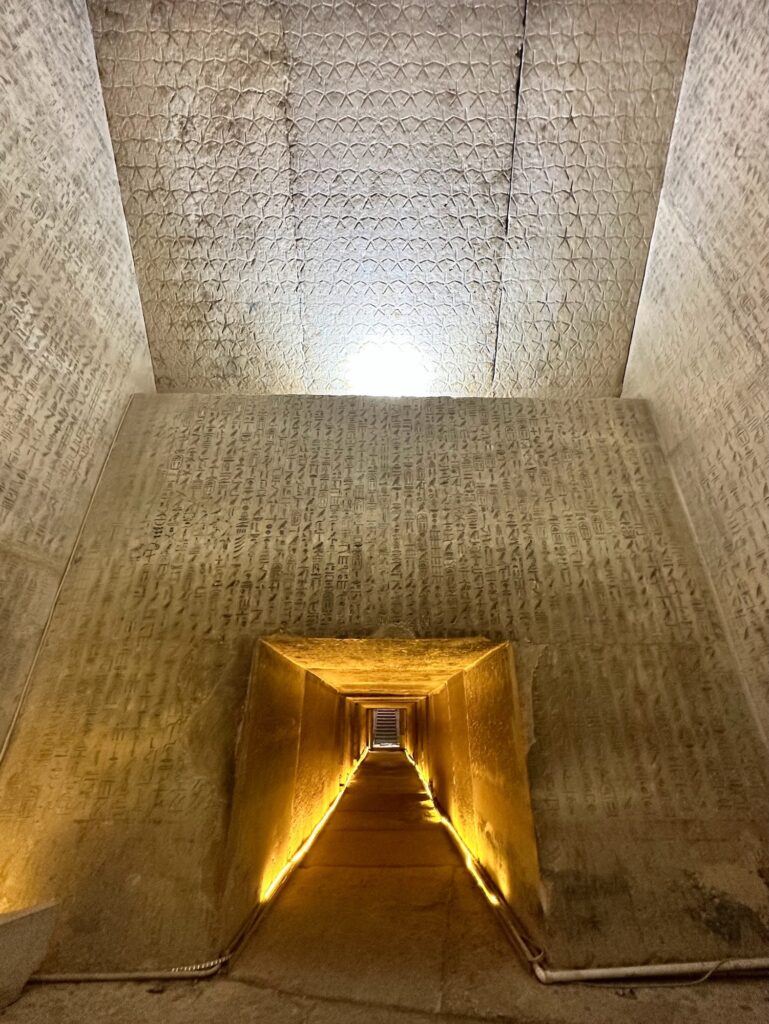
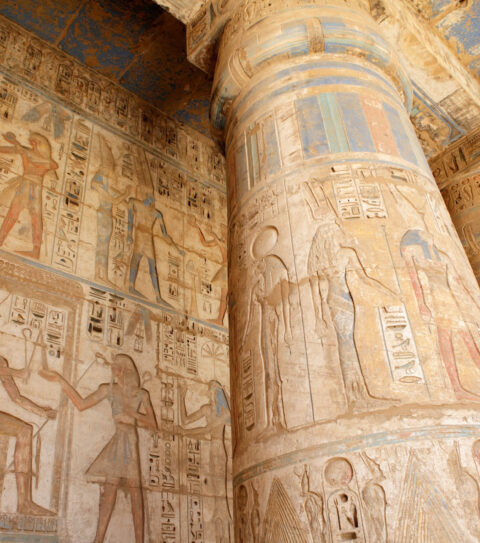
Reading the Pyramid Texts requires descending into Unas’ burial chamber through a narrow passage. The hieroglyphs maintain their original blue-green pigment in many areas, preserved by the desert climate for over four millennia. For visitors interested in Egyptian religion, no experience compares to standing where priests first inscribed these sacred words.
Underground Marvels: The Serapeum Complex
Deep beneath Saqqara’s sandy surface lies one of Egypt’s most mysterious monuments: the Serapeum.

This underground catacomb houses the mummified remains of Apis bulls, sacred animals worshipped as living incarnations of the god Ptah.
Sacred Bull Burials
The Apis cult required maintaining a single living bull at Memphis, identified by specific markings including a white triangle on its forehead and eagle-shaped patches on its back.
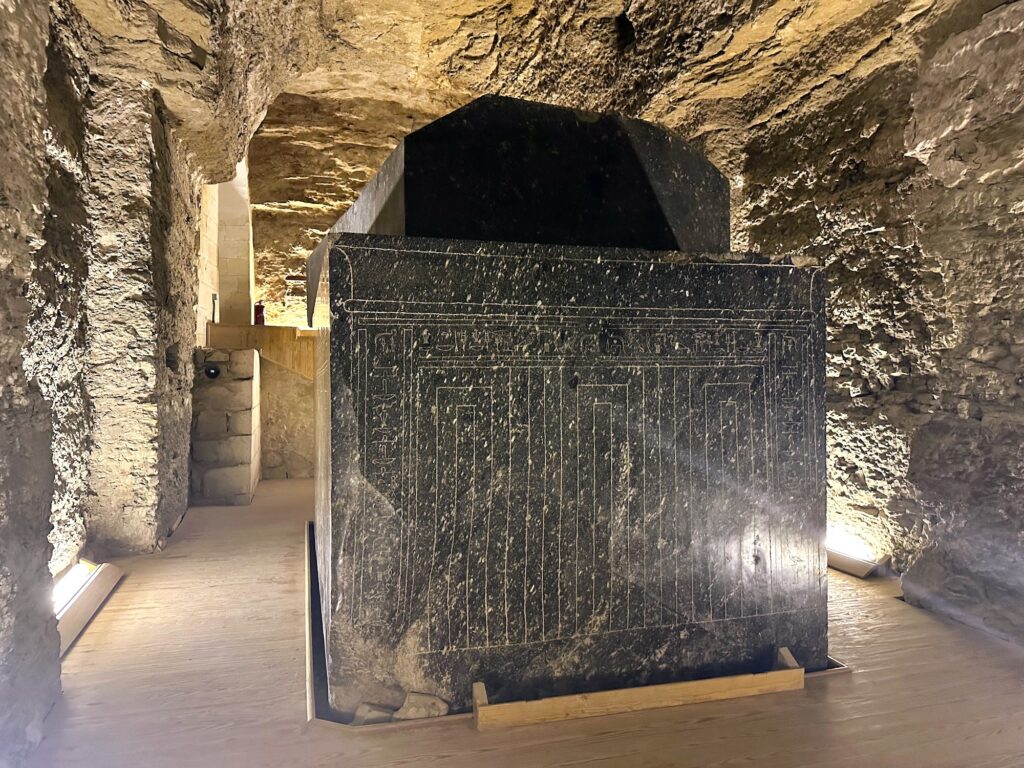
When an Apis bull died, priests mummified the remains with the same care given to pharaohs, then interred them in massive granite sarcophagi within the Serapeum’s galleries.
Engineering Mysteries
The Serapeum’s construction defies easy explanation. Workers carved galleries through solid limestone, then maneuvered granite sarcophagi weighing up to 80 tons through narrow passages. Each sarcophagus was hollowed from a single granite block with precision that challenges modern engineering capabilities. The tight tolerances and smooth surfaces suggest advanced tools and techniques that archaeologists continue studying.
Auguste Mariette discovered the Serapeum in 1851 after following a processional route lined with sphinx statues. His excavations revealed 24 sarcophagi, most already plundered in antiquity. However, one sealed sarcophagus contained the intact mummy of an Apis bull, providing researchers with invaluable insights into ancient Egyptian mummification practices.
Mastaba Tombs: Windows Into Daily Life
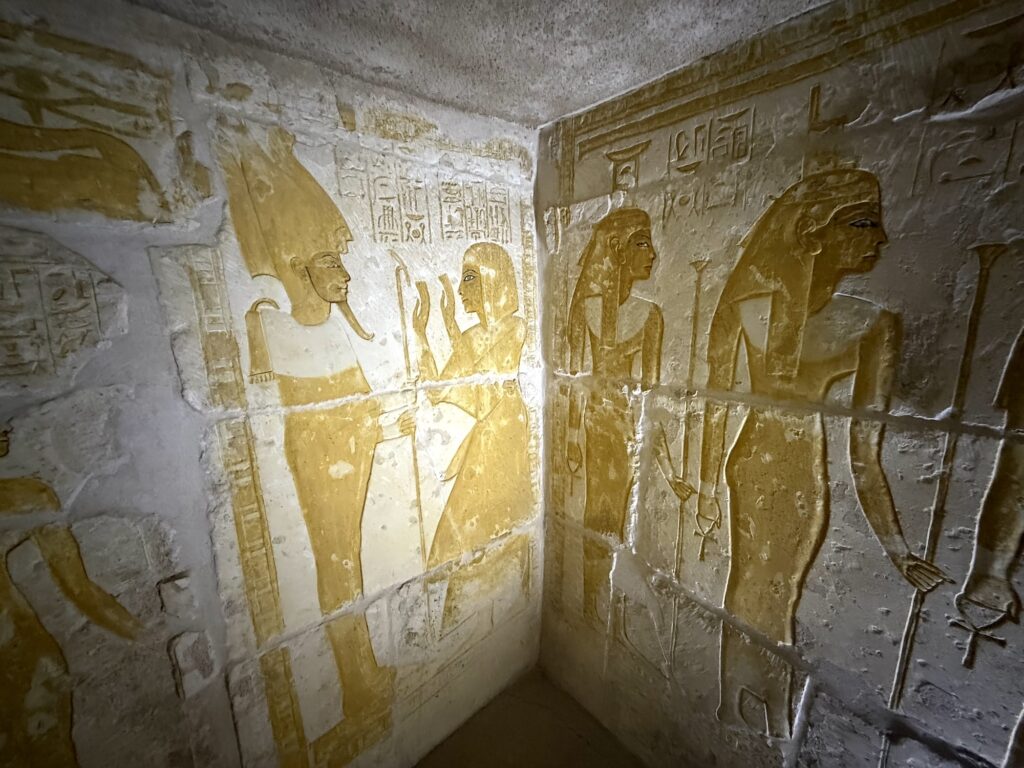
Saqqara’s mastaba tombs preserve Egypt’s most vivid depictions of daily life during the Old Kingdom. These rectangular structures, built for nobles and high officials, feature elaborately decorated interior chambers showcasing ancient Egyptian art at its finest.
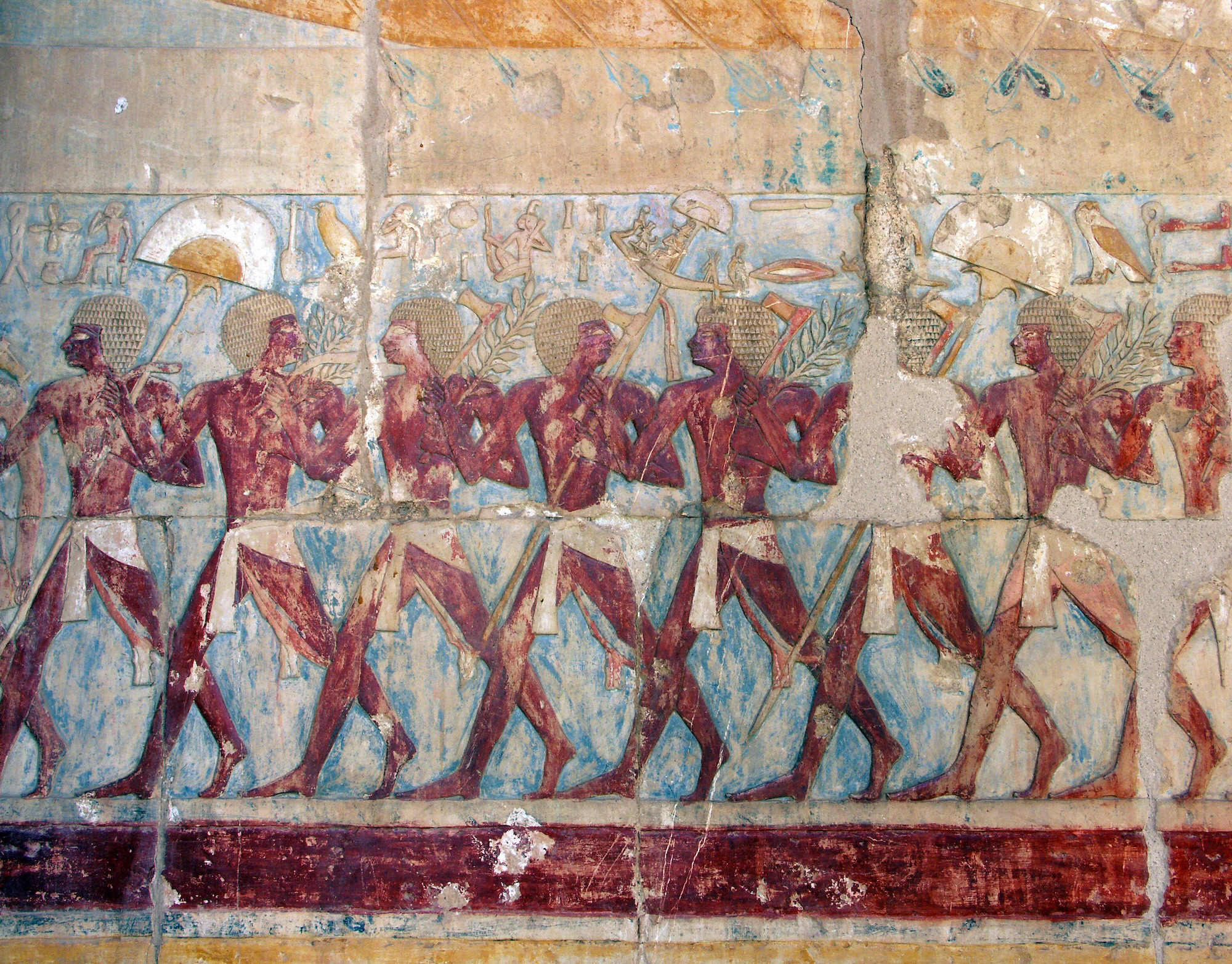
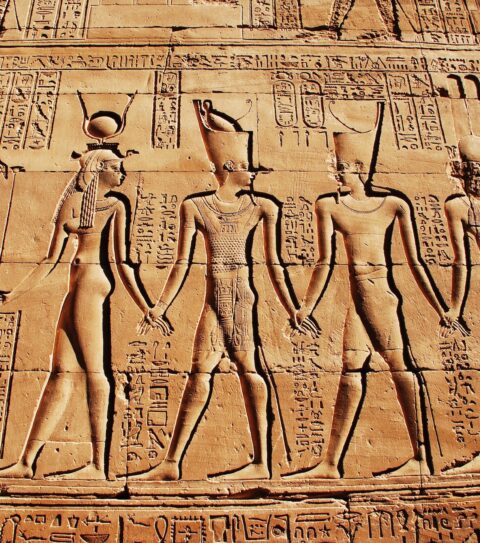
The Mastaba of Ti presents stunning reliefs depicting agricultural activities, boat building, and market scenes. Brilliant colors remain intact in many chambers, protected from sunlight for over four thousand years. The Mastaba of Kagemni features equally impressive decorations, including detailed hunting scenes and religious ceremonies.
These tombs served as eternal homes for Egypt’s elite, designed to provide everything needed in the afterlife. Wall paintings show servants preparing food, craftsmen working, and musicians entertaining guests. False doors allowed the deceased to receive offerings from living family members, while statue chambers housed ka figures representing the tomb owner’s spiritual essence.
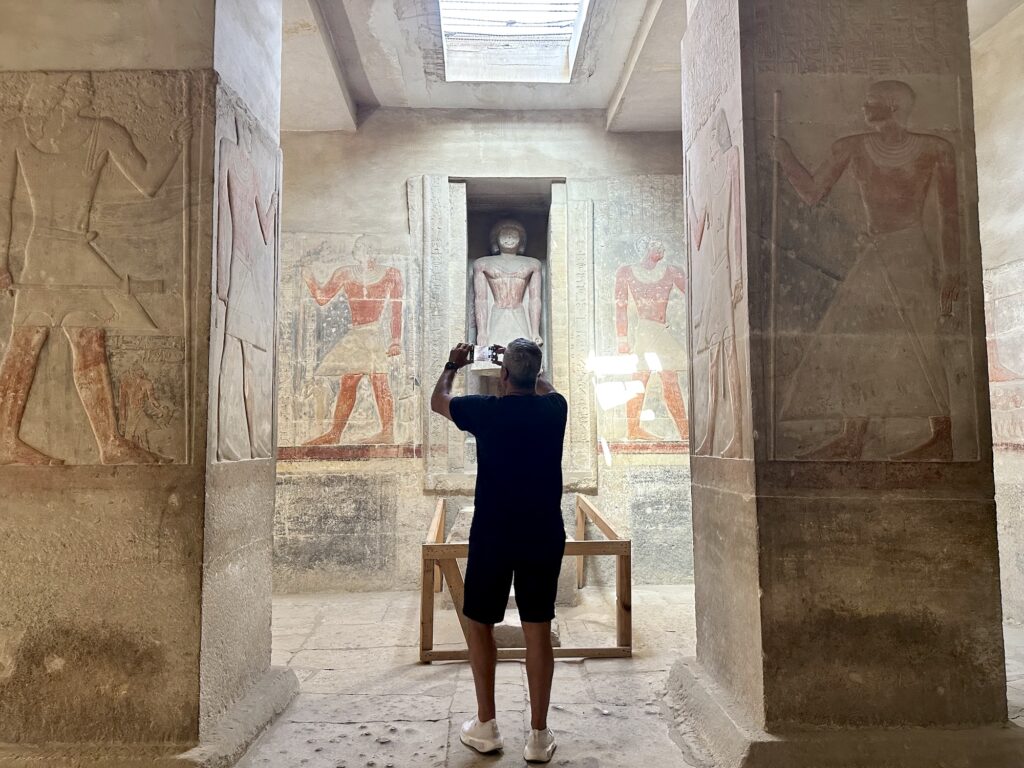
Visiting these mastabas requires advance planning, as many remain closed for conservation work. However, those open to tourists offer unparalleled insights into ancient Egyptian beliefs about death and the afterlife. The artistic quality and state of preservation make Saqqara’s mastabas superior to similar monuments at other sites.
Recent Archaeological Discoveries
Saqqara continues yielding remarkable discoveries that reshape understanding of ancient Egypt. Since 2018, Egyptian archaeologists have uncovered dozens of sealed coffins, mummified animals, and previously unknown tomb complexes across the site.
In 2020, researchers announced the discovery of over 100 sealed sarcophagi in deep burial shafts near Djoser’s pyramid. These coffins, dating from the Late Period (664-332 BC), contained remarkably well-preserved mummies of priests and officials who served at Memphis temples. X-ray analysis revealed golden amulets, jewelry, and ritual objects buried with the deceased.
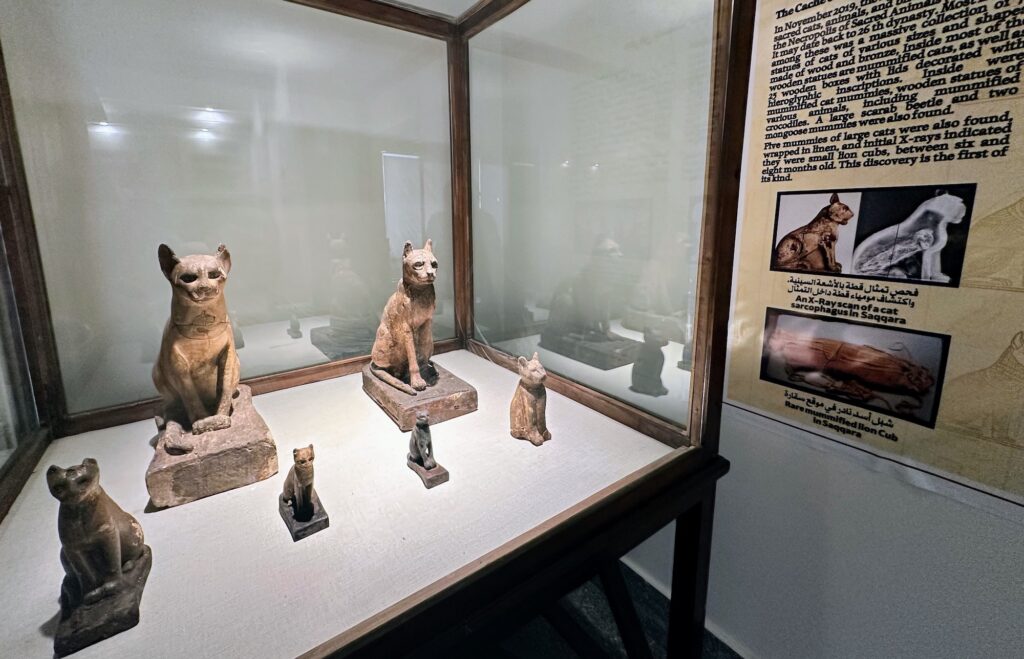
The discovery of a 4,400-year-old tomb belonging to a priest named Wahtye made international headlines in 2018. This Fifth Dynasty monument features exceptionally well-preserved reliefs and statues depicting the tomb owner and his family. Sealed chambers within Wahtye’s tomb may contain additional burials and artifacts awaiting excavation.
Recent ground-penetrating radar surveys suggest numerous undiscovered structures remain buried throughout Saqqara. These technological advances allow archaeologists to identify potential excavation sites without damaging existing monuments. Future seasons promise revelations about Egypt’s past that could rival the discovery of Tutankhamun’s tomb.
Imhotep Museum: Gateway to Saqqara’s Archaeological Heritage
Located at the entrance of the Saqqara necropolis, the Imhotep Museum is named after the visionary architect behind King Djoser’s Step Pyramid.
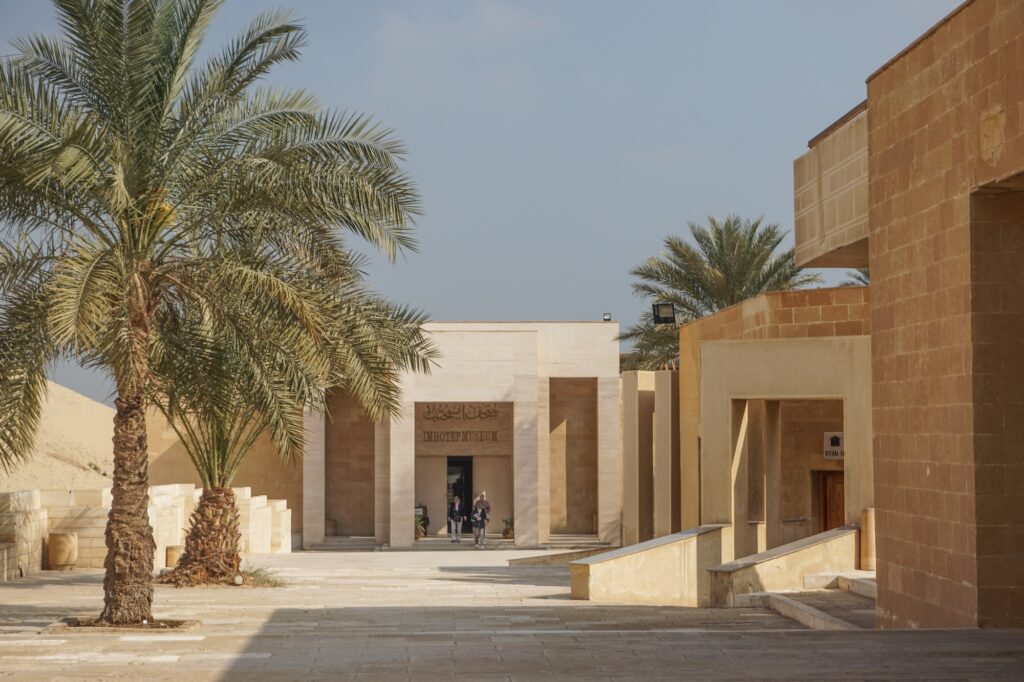
This modern exhibition space links the site’s monuments with more than a century of archaeological discoveries. Its galleries display artifacts uncovered across Saqqara, including statues, tools, sarcophagus fragments, and exquisite faience pieces from both royal and private burial complexes.
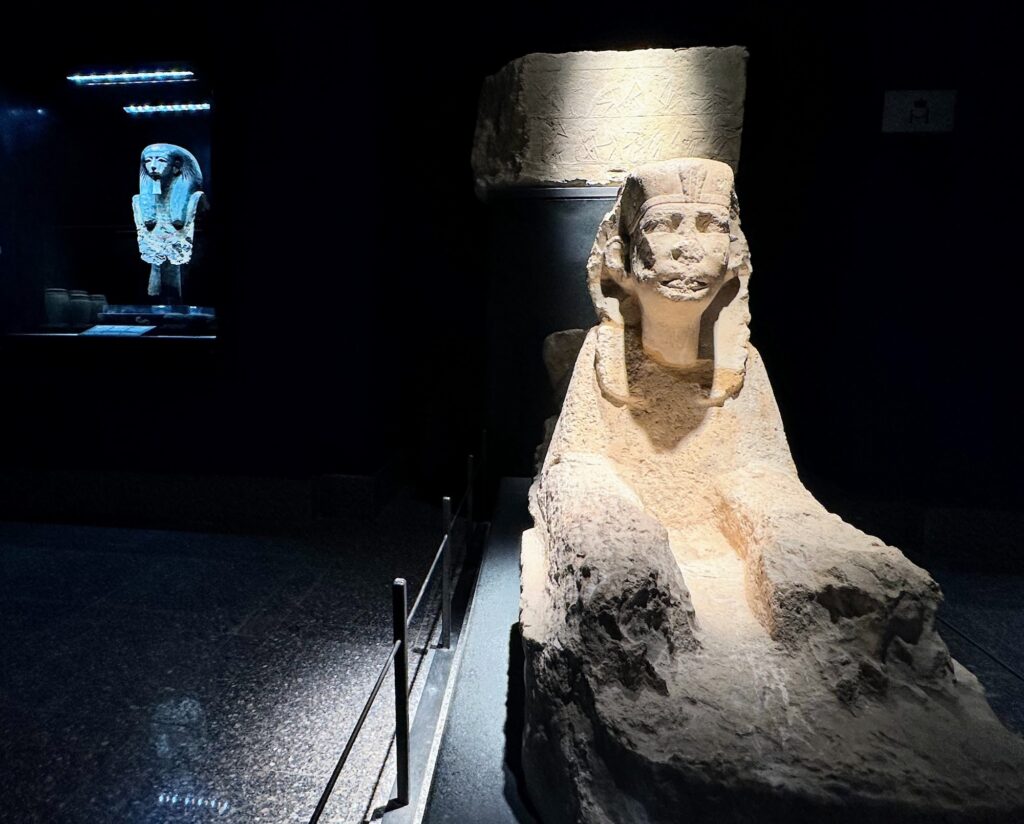
The museum offers visitors a deeper understanding of how Saqqara developed over time, from Imhotep’s revolutionary architectural innovations to the evolving religious practices of later dynasties. One of its most remarkable sections highlights the major excavations of the Step Pyramid complex, illustrating—through models, drawings, and original artifacts—how archaeologists uncovered Djoser’s vast underground chambers and ceremonial structures. The Imhotep Museum serves as an ideal introduction to Saqqara, providing essential context that enriches every monument explored within the necropolis.
Planning Your Visit to Saqqara
Saqqara offers a more contemplative alternative to Egypt’s crowded pyramid sites. Most tour groups focus on Giza, leaving Saqqara relatively peaceful for visitors seeking authentic archaeological experiences.
The site opens daily from 8:00 am (08:00) with last entry at 4:00 pm (16:00) during winter months. Summer hours extend until 6:00 pm (18:00) to accommodate longer daylight. Separate tickets are required for the Step Pyramid interior and various mastaba tombs, with prices varying based on which monuments you wish to enter.
Transportation from Cairo takes approximately 45 minutes by private vehicle or organized tour. Public transport requires multiple connections and significantly extends travel time. The desert location lacks shade, making early morning visits advisable during summer months when temperatures can exceed 104°F (40°C).
Professional guides enhance the Saqqara experience by explaining historical context and pointing out easily missed details. Egypt Tours Plus provides qualified Egyptologists who specialize in Old Kingdom history, ensuring visitors understand the significance of monuments they’re exploring. Private tours allow flexible scheduling and personalized attention impossible with large group excursions.
What Makes Saqqara Unique
Unlike Giza’s pyramid complex, designed primarily for three Fourth Dynasty pharaohs, Saqqara represents continuity across Egyptian history. Visitors encounter monuments spanning from the earliest dynasties through the Roman period, creating a comprehensive overview of ancient Egyptian civilization.
The site’s active archaeological status means new discoveries regularly emerge, sometimes altering established understanding of Egyptian history. This ongoing research creates excitement impossible to replicate at fully excavated sites. Visitors might witness archaeologists at work, adding contemporary relevance to ancient monuments.
Saqqara’s diverse monument types offer something for every interest:
- Architecture enthusiasts marvel at pyramid construction techniques
- Art lovers appreciate mastaba decorations and relief carvings
- History buffs explore chronological development across dynasties
- Religious scholars examine Pyramid Texts and burial customs.
The necropolis rewards careful exploration rather than rushed photography. Many visitors spend entire days at Saqqara, discovering details missed during brief visits. The site’s educational value surpasses more famous Egyptian monuments through its comprehensive representation of ancient civilization.
Experience Saqqara’s UNESCO Treasures Your Way
Exploring the Saqqara Necropolis—part of the UNESCO World Heritage listing “Memphis and its Necropolis – the Pyramid Fields from Giza to Dahshur”—is an unforgettable journey through the earliest chapters of ancient Egypt. With your own private Egyptologist, you’ll uncover the stories behind the Step Pyramid of Djoser, intricately decorated tombs, and newly opened archaeological discoveries that reveal how Egyptian civilization first took shape.
Since 1955, we’ve crafted fully personalized Egypt tours designed around your interests, pace, and travel style. With a private guide, dedicated driver, and 24/7 support in English, Portuguese, Spanish, Italian, and more, we ensure every moment is effortless, insightful, and tailored to you.
Frequently Asked Questions
How long should I spend at Saqqara?
Allow a full day to explore major monuments including the Step Pyramid, selected mastabas, and the Serapeum if open during your visit.
Is Saqqara better than Giza for first-time visitors to Egypt?
Saqqara offers a more educational and less crowded experience, making it ideal for travelers interested in Egyptian history rather than just famous landmarks.
Can I enter the Step Pyramid interior?
Yes, but separate tickets are required and daily visitor numbers are limited to preserve the ancient structure.
What’s the best time of year to visit Saqqara?
October through April provides comfortable temperatures for outdoor exploration, with December through February being coolest.
Are the mastaba tombs worth the extra ticket cost?
Absolutely – the preserved artwork and hieroglyphic inscriptions provide unmatched insights into ancient Egyptian culture and daily life.
How does Saqqara connect to Memphis?
Saqqara served as the primary necropolis for Memphis, ancient Egypt’s capital city located about 3 kilometers northeast of the archaeological site.
Is photography allowed inside the monuments?
Photography is permitted in most areas, though additional fees apply for camera use inside certain tombs and the Step Pyramid.
What should I bring for a Saqqara visit?
Pack sun protection, comfortable walking shoes, water, and a flashlight for exploring darker tomb chambers.
Are there restaurants or facilities at Saqqara?
Basic facilities exist at the entrance, but bringing snacks and water ensures comfort during extended exploration of this desert site.
How far in advance should I book a Saqqara tour?
Private tours can usually be arranged with 24-48 hours notice, though booking earlier ensures availability of specialized Egyptologist guides during peak season.
Can children appreciate Saqqara’s historical significance?
The site’s visual impact and stories of ancient pharaohs engage visitors of all ages, though younger children may tire during extended walking tours.
What makes the Pyramid Texts so significant to world history?
These inscriptions represent humanity’s earliest written religious literature, predating most other sacred texts by over a millennium and providing unique insights into ancient beliefs about death and the afterlife.
Design Your Custom Tour
Explore Egypt your way by selecting only the attractions you want to visit