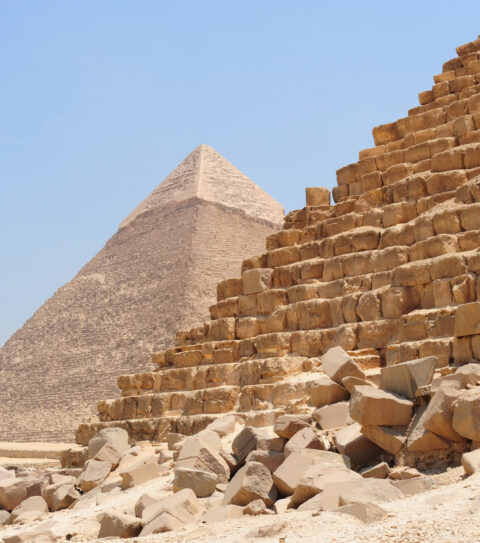
Luxor Private Tours: Unlock Luxor’s Secrets with a Tailor-Made Tour
Experience Egypt’s most spectacular archaeological sites with personalized attention from expert guides. Private tours in Luxor transform the way you connect with ancient Egypt.
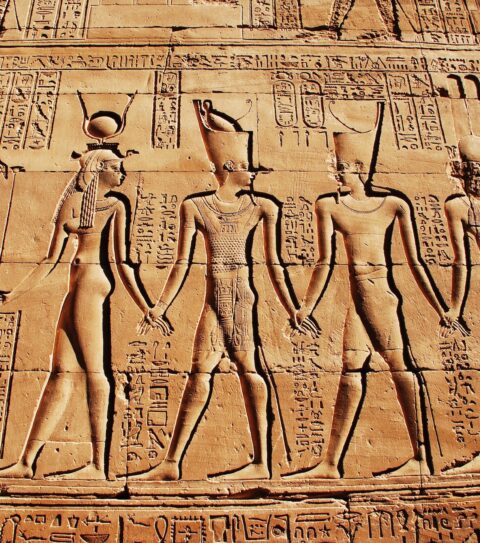
When you explore with a dedicated Egyptologist guide, every temple relief tells its story, every hieroglyph reveals its meaning, and every royal tomb shares secrets that group tours simply cannot provide. The difference between rushing through crowded sites and having intimate access to 3,000 years of history is profound. You set the pace, ask unlimited questions, and dive as deep into Egyptian civilization as your curiosity demands.
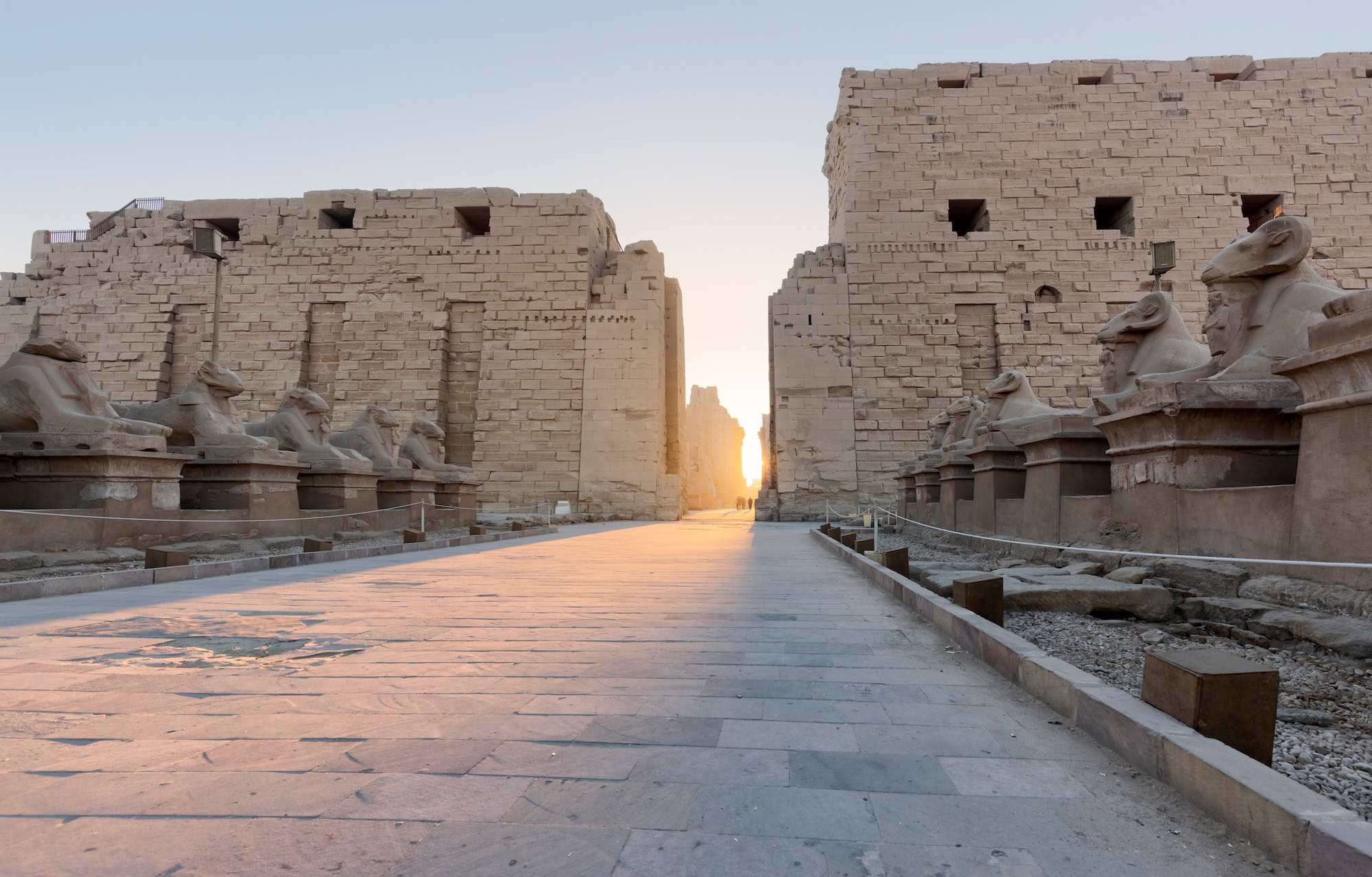
Luxor holds more than half of the world’s ancient monuments, making it archaeology’s ultimate playground. Your private guide ensures you experience these treasures without the distractions of large tour groups or rigid schedules.
Why Private Tours Unlock Luxor’s Magic
Most visitors see Luxor’s famous sites but miss their deeper significance.
Personalized Historical Context
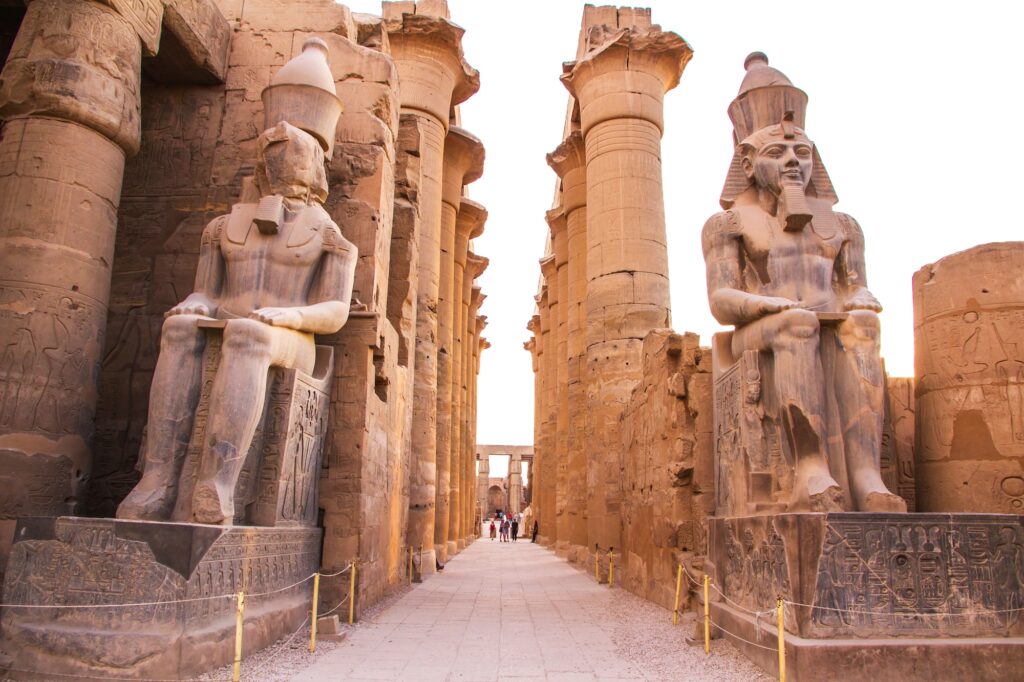
Your Egyptologist guide brings pharaohs like Hatshepsut and King Tut to life through stories that textbooks cannot convey. Instead of reading plaques in crowds, you receive detailed explanations tailored to your interests.
Whether you’re fascinated by religious rituals, architectural innovations, or political intrigue, your guide adapts the experience.
This personal approach reveals connections between sites that group tours often overlook.
Skip-the-Line Access and Strategic Timing
Private tours include priority entrance tickets to major attractions. You enter tombs in the Valley of the Kings when lighting conditions are optimal for viewing wall paintings.
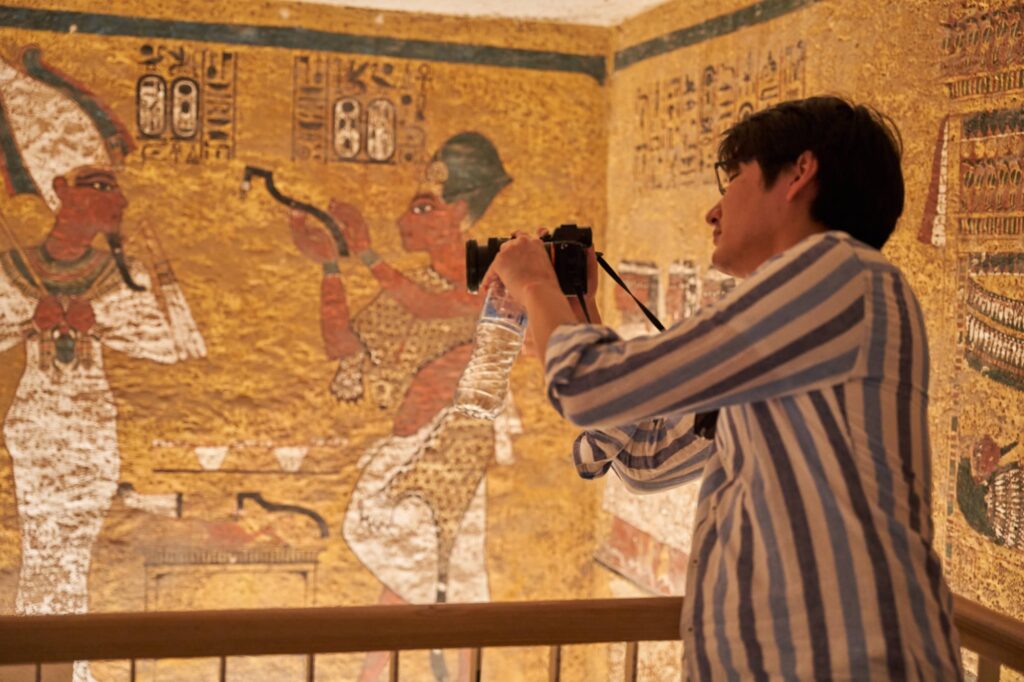
Your guide knows which times offer the best photographic opportunities and smallest crowds.
This strategic planning maximizes your limited time in Egypt’s archaeological wonderland.
Flexible Itineraries That Match Your Interests
Group tours follow rigid schedules that suit the masses. Private tours adapt to your energy levels, curiosity, and physical capabilities. Spend extra time at Karnak Temple if the hieroglyphs captivate you.
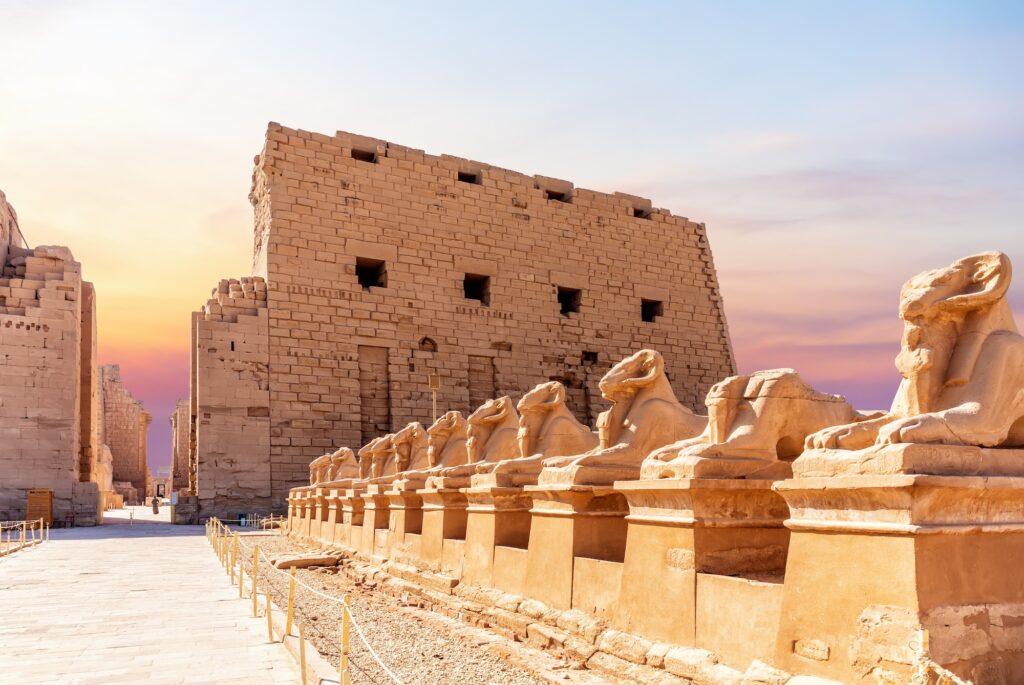
Skip certain sites if they don’t align with your interests.
Your day unfolds according to your preferences, not a pre-set agenda.
Expert Photography Guidance
Professional guides know the best angles, lighting conditions, and hidden viewpoints for memorable photos. They assist with camera settings for tomb interiors and suggest poses that capture scale against massive monuments. Many guides also serve as skilled photographers, ensuring you appear in your own adventure photos.
Luxor’s Top Sites: Why Private Tours Make All the Difference
The West Bank holds treasures that reveal their secrets only through expert interpretation.
Valley of the Kings: Royal Tombs
Three tombs typically included in private tours each tell unique stories of Egypt’s New Kingdom pharaohs. King Tut’s tomb, discovered intact by Howard Carter in 1922, offers insights into burial practices and afterlife beliefs. Your guide explains the significance of each artifact replica and wall painting scene.
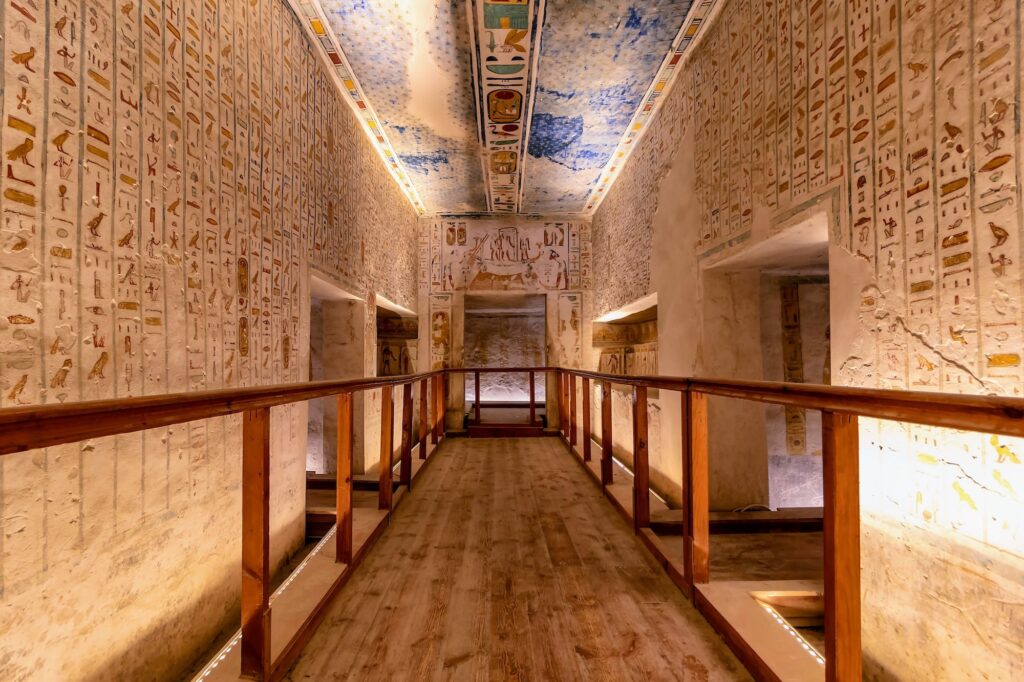
The tomb of Ramesses IV showcases stellar astronomy painted on chamber ceilings, while Ramesses IX features detailed journey-through-the-underworld scenes. Private access allows time to absorb intricate details that group tours rush past. Each tomb visit reveals different aspects of ancient Egyptian religion and royal power.
Temple of Hatshepsut: Female Power
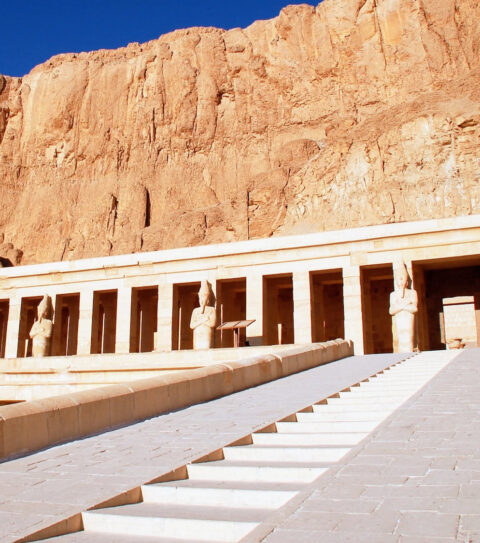
The magnificent Temple of Hatshepsut rises dramatically from the desert cliffs in three ascending terraces. This architectural marvel honors Hatshepsut, the powerful 18th Dynasty ruler who governed Egypt for 22 years and is remembered as one of history’s most successful female pharaohs.
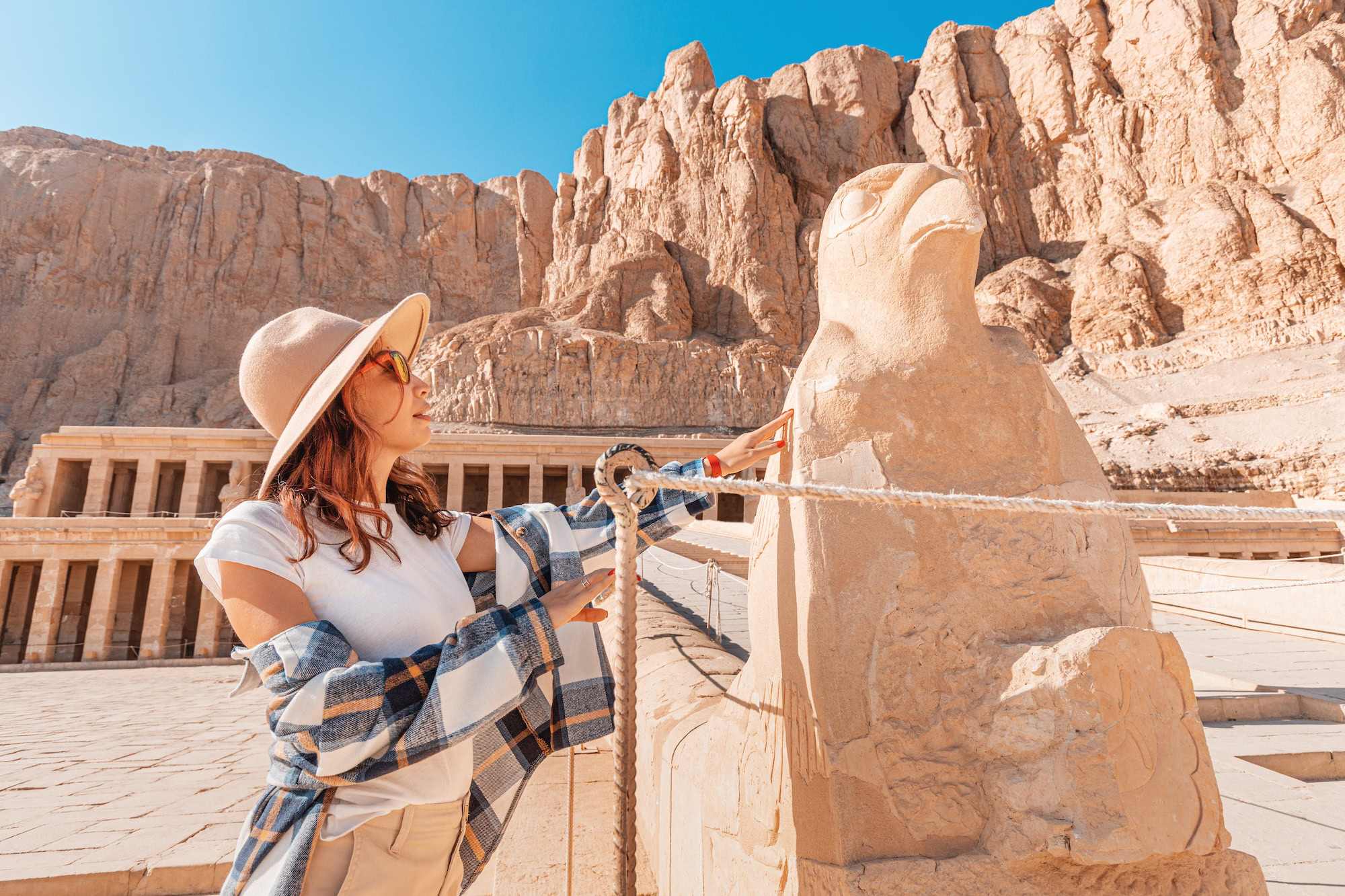
As you explore the Temple of Hatshepsut, your private guide will reveal how she legitimized her reign through the divine birth scenes and symbolic narratives carved into the temple’s walls.
The stories of her architect Senemut and their possible romantic relationship add human drama to political history. Walking through colonnaded halls without crowds allows appreciation for the temple’s harmony with its natural surroundings.
East Bank Temples: Living Religious Centers
Karnak Temple Complex: World’s Largest Religious Site
Karnak Temple evolved over more than 2,000 years as Egypt’s most important religious center, and exploring this vast complex is a highlight of any visit to Luxor.
On a private tour, you’ll have ample time to appreciate its many sections without feeling rushed. Your guide will explain how the Great Hypostyle Hall — with its 134 towering columns — was designed to evoke a symbolic “forest of stone,” representing the primeval marsh from which creation was believed to have begun.
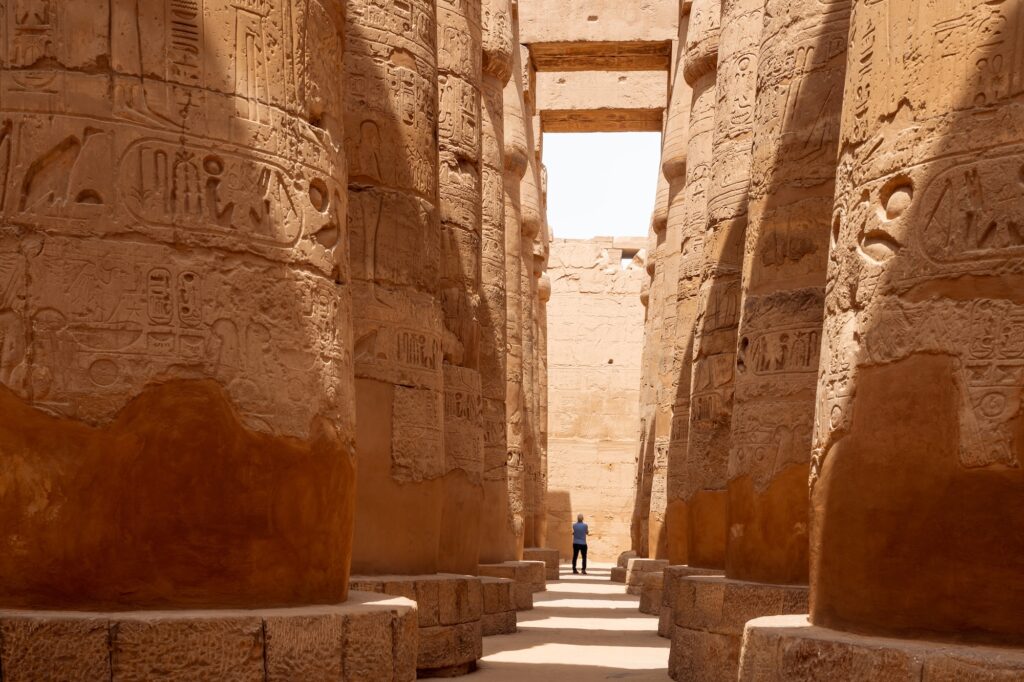
The sacred lake served purification rituals for priests serving the god Amun Ra. Your Egyptologist describes daily temple ceremonies and explains hieroglyphic texts that record royal donations and military victories. Private access often includes areas closed to large groups, such as the Open Air Museum displaying reconstructed monuments.
Luxor Temple: Where Gods and Kings United
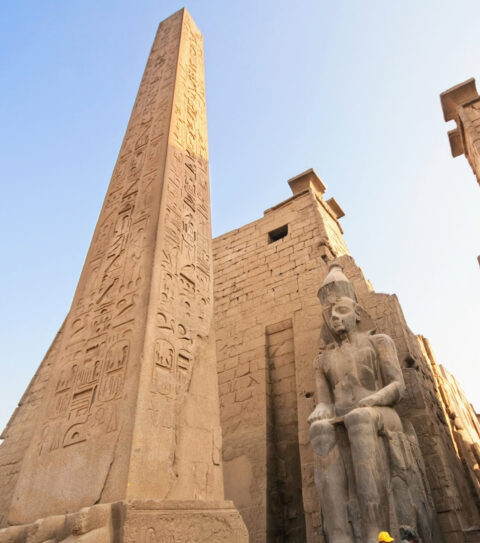
Connected to Karnak by a sphinx-lined avenue, Luxor Temple served the annual Opet Festival celebrating divine kingship. Your private guide explains how this ceremony renewed pharaoh’s divine mandate to rule Egypt. The temple’s evening illumination creates dramatic shadows that enhance architectural details invisible during crowded daytime visits.
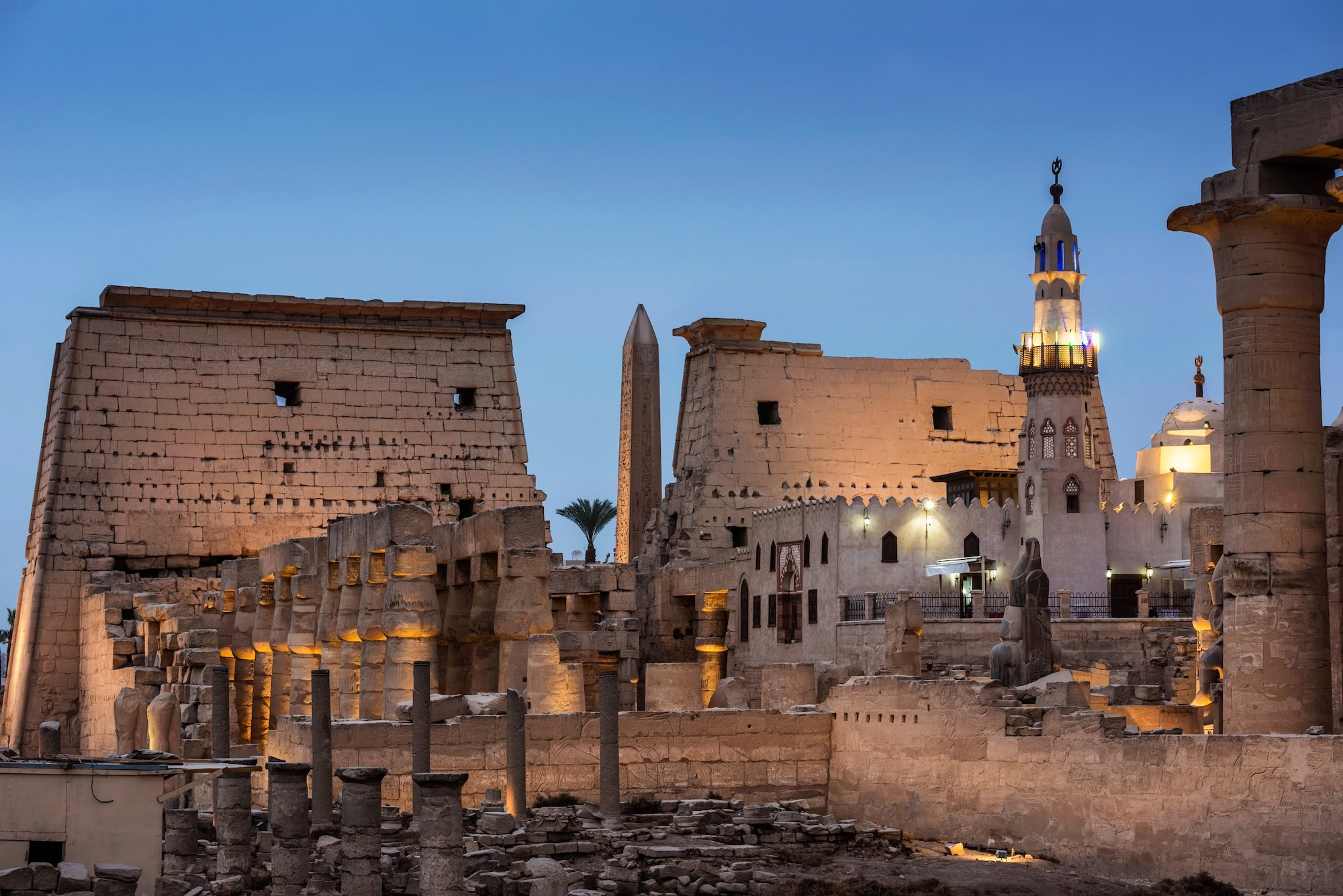
Roman additions, including early Christian church remains, demonstrate how religious sites adapted over centuries. Your guide traces these historical layers, from ancient Egyptian foundation through Roman modifications to Islamic influences.
Crafting Your Perfect Private Tour Experience
The best Egypt private tours balance must-see highlights with personal interests and energy levels throughout your day. Your Egyptologist guide discusses your specific interests during initial planning.
History enthusiasts might spend extra time examining tomb paintings that illustrate ancient Egyptian afterlife beliefs.
Photography lovers receive guidance on equipment settings for low-light tomb interiors and golden-hour temple lighting.
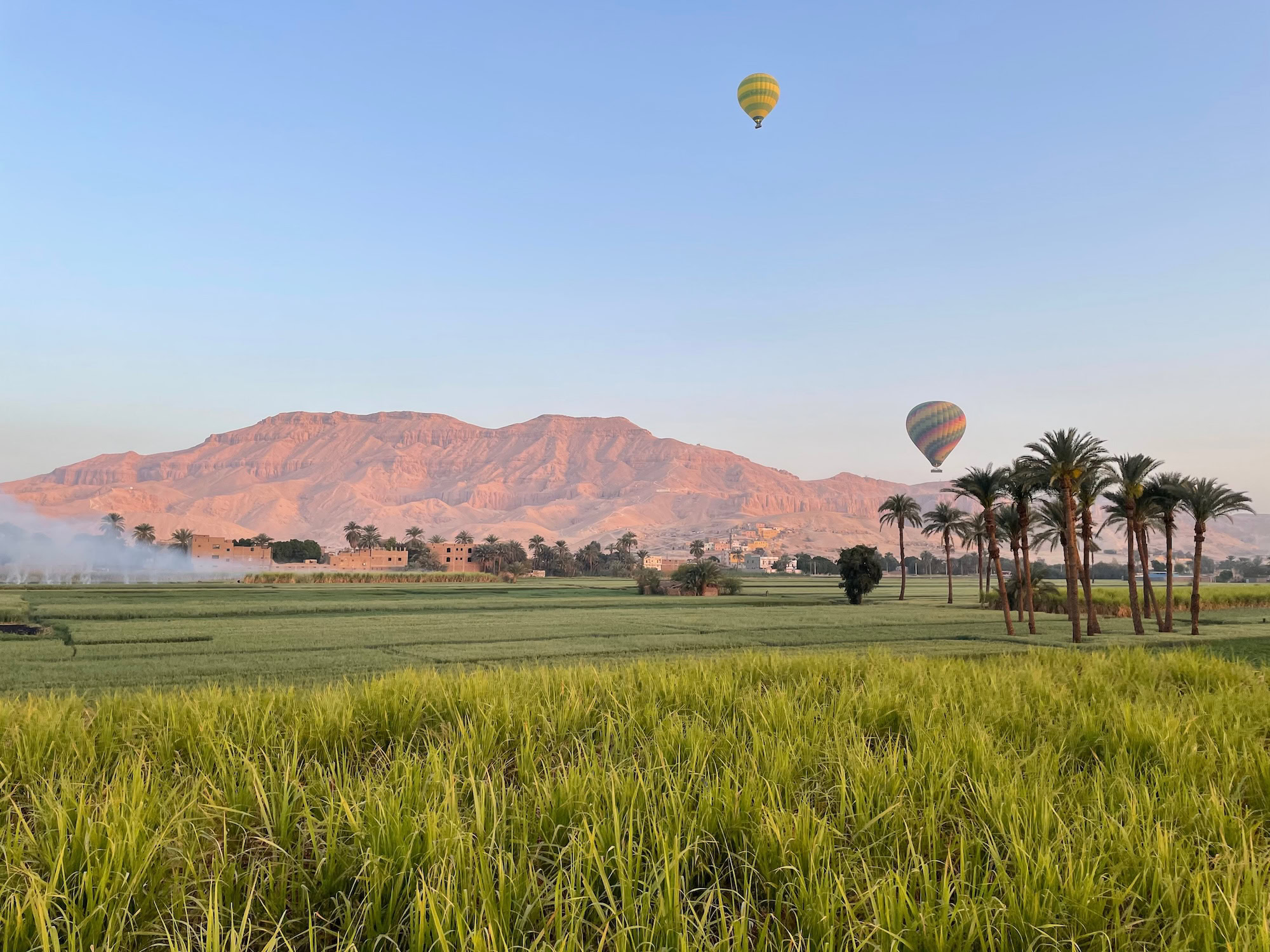
Families with children benefit from storytelling approaches that engage younger attention spans through interactive elements and hands-on demonstrations.
Transportation in air-conditioned vehicles ensures comfort between sites during Egypt’s warm climate. Most private tours include bottled water, entrance fees, and lunch at restaurants serving traditional Egyptian cuisine. Your guide coordinates timing to avoid peak tourist hours and provides rest breaks as needed.
Beyond Standard Sites: Hidden Luxor Gems
Private tours can access lesser-known tombs and temples that showcase Egypt’s artistic achievements.
Tomb of Nefertari: Ancient Egypt’s Sistine Chapel
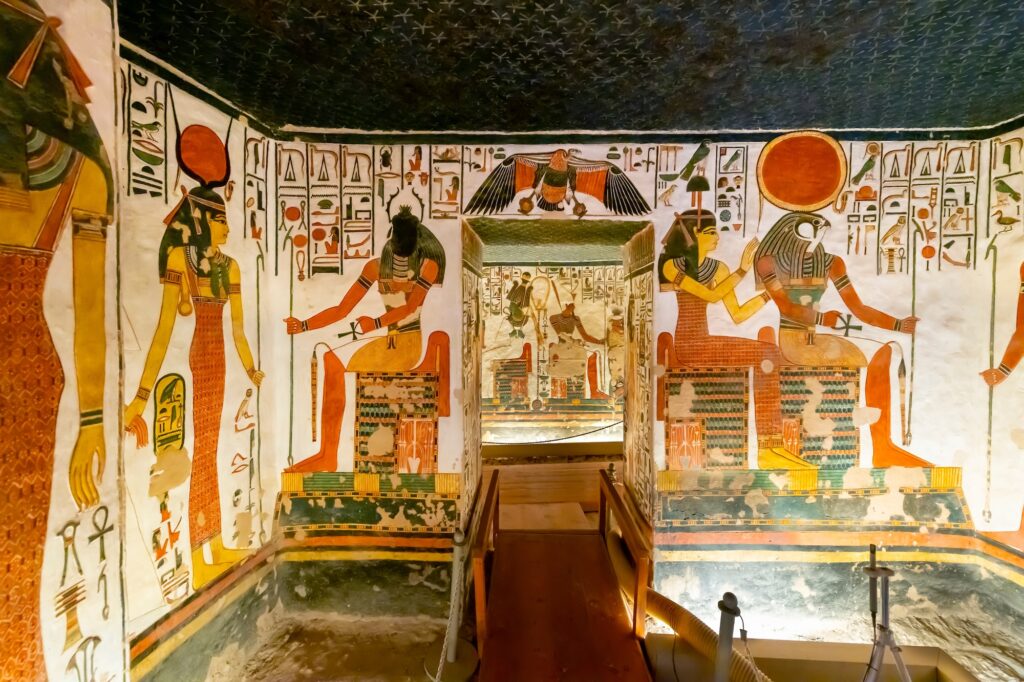
Queen Nefertari’s tomb in the Valley of the Queens features Egypt’s finest wall paintings. Limited daily visitors and higher entrance fees make this a perfect private tour addition. Your guide explains the symbolism behind each scene as Nefertari journeys through the afterlife. The tomb’s restoration reveals colors that remain vibrant after 3,000 years.
Medinet Habu: Ramesses III’s Mortuary Temple
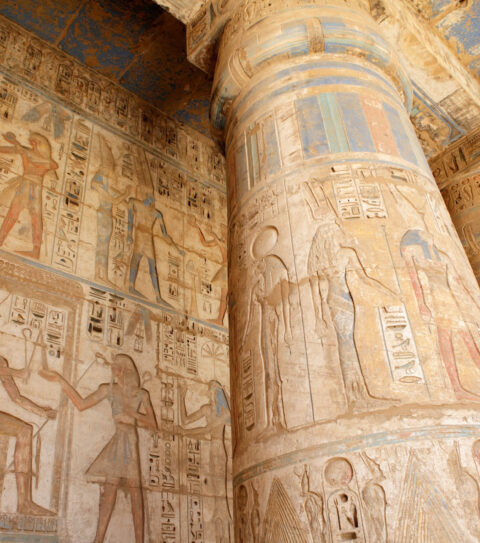
The impressive Medinet Habu temple complex is one of the best-preserved in all of Egypt, showcasing remarkably detailed battle reliefs that depict Ramesses III’s victories over the Sea Peoples.
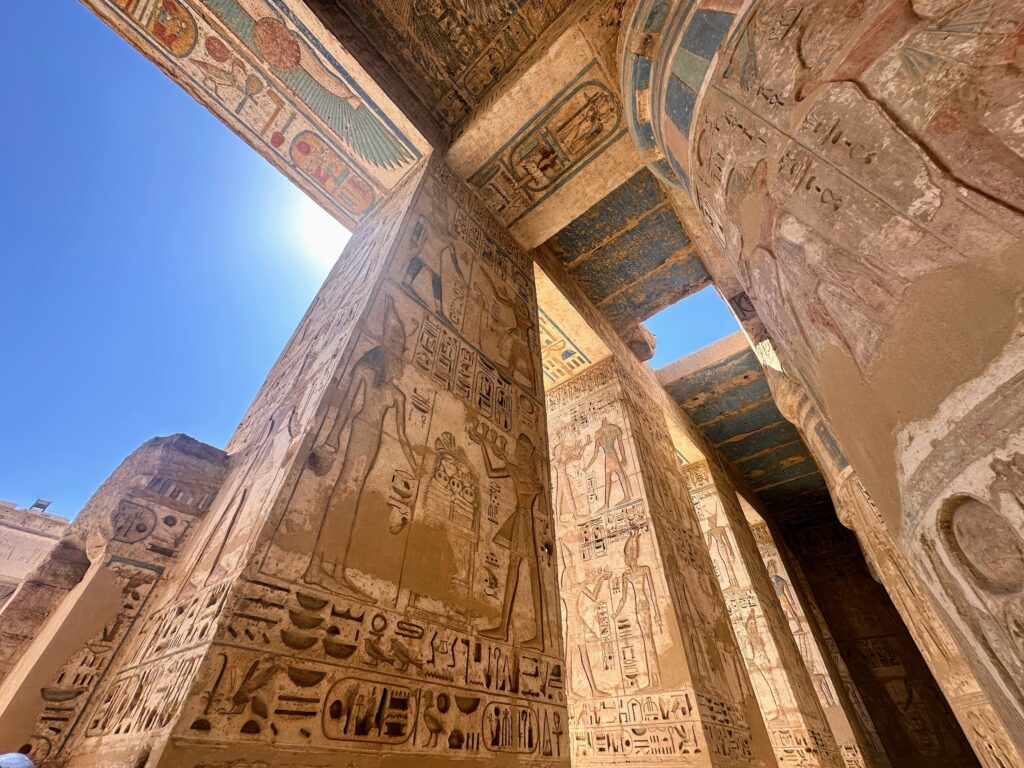
As you explore Medinet Habu, your private guide will interpret the hieroglyphic accounts describing these mysterious invaders who once threatened Egypt’s Mediterranean empire, bringing the history carved into its walls vividly to life.
The site receives fewer visitors than major tourist attractions, allowing peaceful exploration of intact architectural elements.
Deir el-Medina: Royal Tomb Builders Village
At Deir el-Medina, the desert village where the skilled craftsmen who built the royal tombs lived for more than 400 years, you gain a rare glimpse into everyday life in ancient Egypt. On a private tour, you’ll visit several worker tombs whose artwork differs strikingly from the royal examples found in the Valley of the Kings.
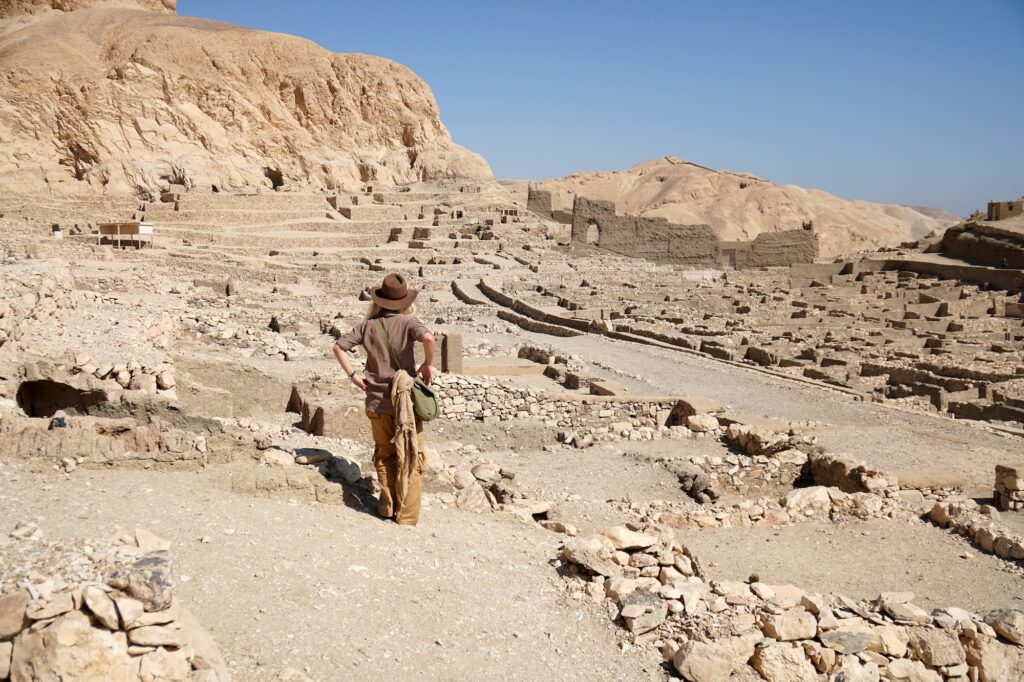
Your guide will illuminate the personal world of this unique community, using artifacts and tomb decorations to reveal their family relationships, beliefs, and the intimate stories preserved within their beautifully painted chambers.
Practical Considerations for Private Tours
Best Times to Visit Luxor
October through March offers comfortable temperatures ranging from 75-85°F (24-29°C) during peak tourist season. December and January bring cooler mornings ideal for outdoor temple exploration, with temperatures around 60-70°F (15-21°C) before 10:00 am.
Summer months from May through September see temperatures exceeding 100°F (38°C), making early morning starts essential for comfort.
Professional Guide Expectations
Licensed Egyptology guides complete university degrees in ancient Egyptian history and archaeology. They undergo regular training updates on new archaeological discoveries and maintain certification through Egypt’s Ministry of Tourism.
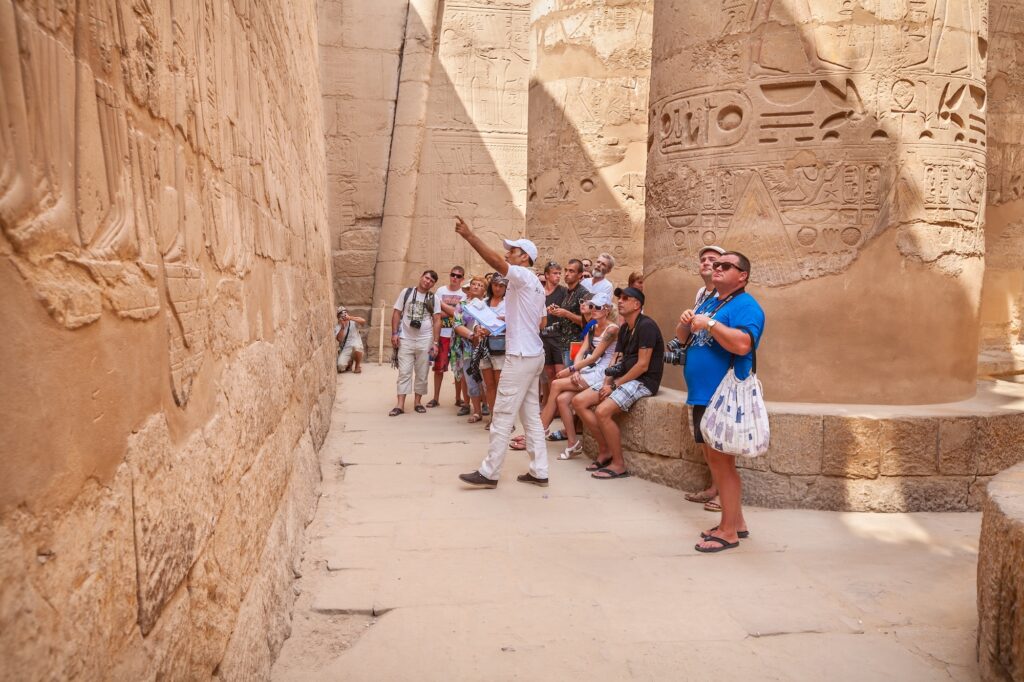
Expect fluent English, deep historical knowledge, and familiarity with current research that brings fresh perspectives to ancient sites.
Booking Considerations
Private tours to Luxor’s ancient wonders are in high demand—especially during peak season from December to February—so advance booking is essential. Most private experiences accommodate 2–8 guests, with special pricing available for larger families. Entrance fees, transportation, and bottled water are typically included, while meals and access to optional tombs are added according to your preferences, ensuring complete flexibility.
With Egypt Tours Plus, you benefit from decades of expertise and award-winning service. Your journey is led by a certified Egyptologist, supported by a private driver and modern air-conditioned vehicle, and backed by 24/7 assistance in English, Portuguese, Spanish, Italian, German, French and more. Every detail is shaped around your interests, comfort, and schedule—so your Luxor experience is as enriching as it is effortless.
Frequently Asked Questions
How long do private Luxor tours typically last?
Full-day private tours run 8-10 hours covering major East and West Bank sites.
What’s included in private tour pricing?
Private Egyptologist guide, air-conditioned transportation, entrance fees and bottled water included.
Can private tours accommodate special interests like photography?
Guides customize explanations and timing based on your specific interests and hobbies.
Do I need to tip my private guide?
Tipping 10-15% of tour cost is customary for excellent professional guide service.
Are private tours suitable for families with children?
Guides adapt storytelling and pacing for children’s attention spans through interactive approaches.
What should I wear for tomb visits?
Comfortable walking shoes, modest clothing covering shoulders and knees, and temperature layers.
Can private tours include special access tombs?
Special access tickets to Nefertari or King Tut can be arranged for additional fees.
How far in advance should I book private tours?
Book 2-4 weeks ahead during peak season for guaranteed guide availability.
Do guides speak languages other than English?
Professional guides often speak French, German, Spanish, and Italian besides fluent English.
Can dietary restrictions be accommodated during lunch?
Restaurants accommodate vegetarian, vegan, and other dietary requirements with advance booking notice.
Design Your Custom Tour
Explore Egypt your way by selecting only the attractions you want to visit