

Kom Ombo Temple – Twin Temples of the Ptolemaic Dynasty
Standing alongside the Nile River in southern Egypt, Kom Ombo Temple defies convention.
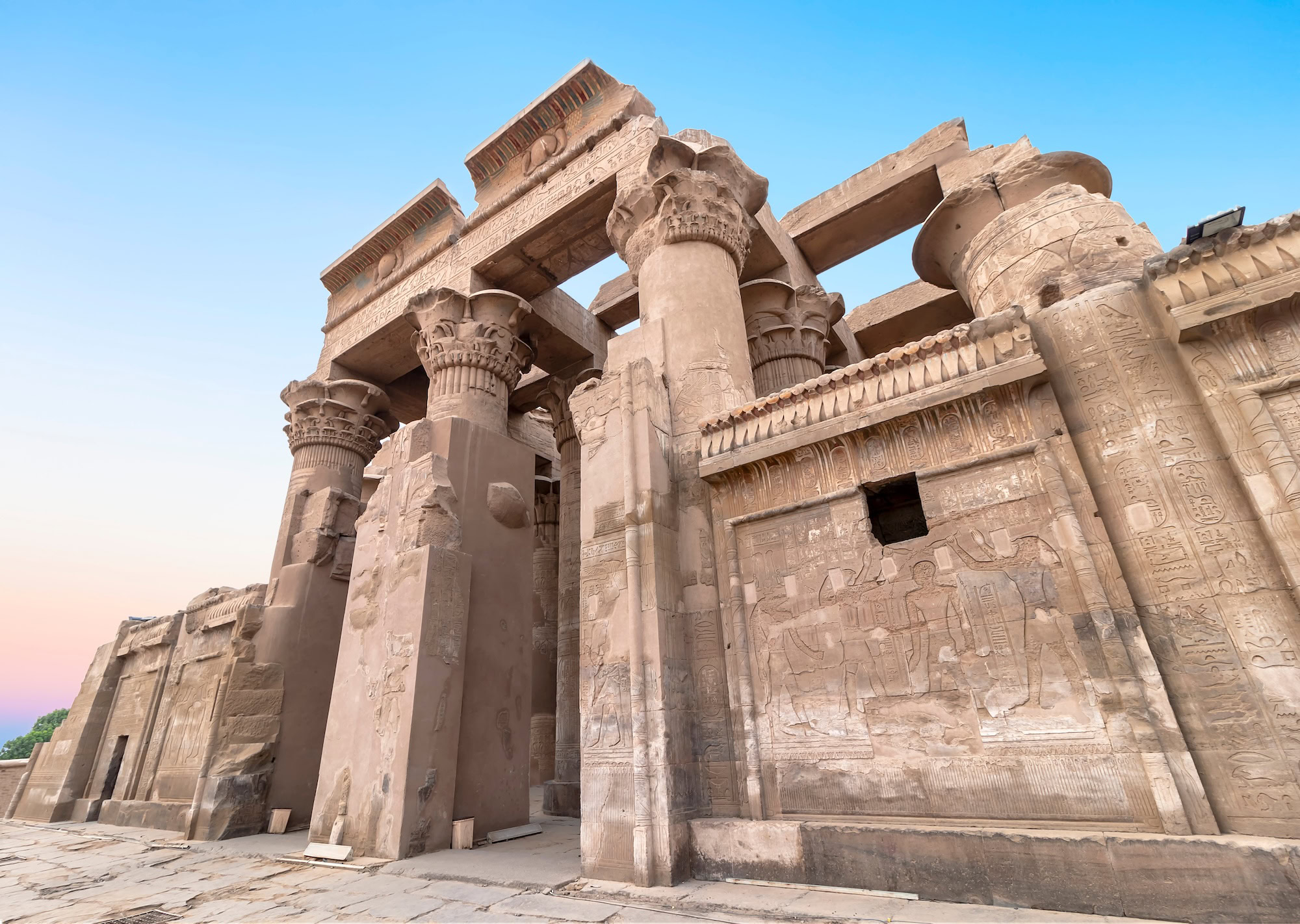
While most ancient Egyptian temples honored a single deity, this remarkable sanctuary was dedicated to two gods – a unique architectural and religious achievement that sets it apart from every other temple in Egypt around Aswan. Built during the Ptolemaic period and later expanded by Roman rulers, this limestone masterpiece showcases perfect symmetrical design where crocodile-god Sobek shares sacred space with falcon-headed Haroeris. The temple’s dual dedication created two identical halves, each with its own entrance, halls, and sanctuaries.
Today, visitors arriving by Nile cruise or road discover not just stunning reliefs and hieroglyphs, but also Egypt’s only crocodile museum housing ancient mummified crocodiles once revered as living gods—an experience that fits naturally into Egypt trips that include a Nile cruise.
Historical Origins and Timeline of Construction
Construction of this extraordinary temple began around 180-47 BCE during the reigns of Ptolemy VI through Ptolemy XII. The Ptolemaic rulers, descendants of Alexander the Great’s general, sought to legitimize their rule by honoring traditional Egyptian religious practices while introducing Hellenistic architectural elements.
The Ptolemaic Foundation Period
The temple’s foundation reflects careful planning to accommodate dual worship. Ptolemy VI Philometor initiated the project, recognizing the local importance of both Sobek, the powerful crocodile deity associated with the Nile’s fertility, and Haroeris (Horus the Elder), the ancient falcon god of kingship and protection. This wasn’t merely religious tolerance – it was strategic politics wrapped in sacred architecture.
Roman Expansion and Modifications
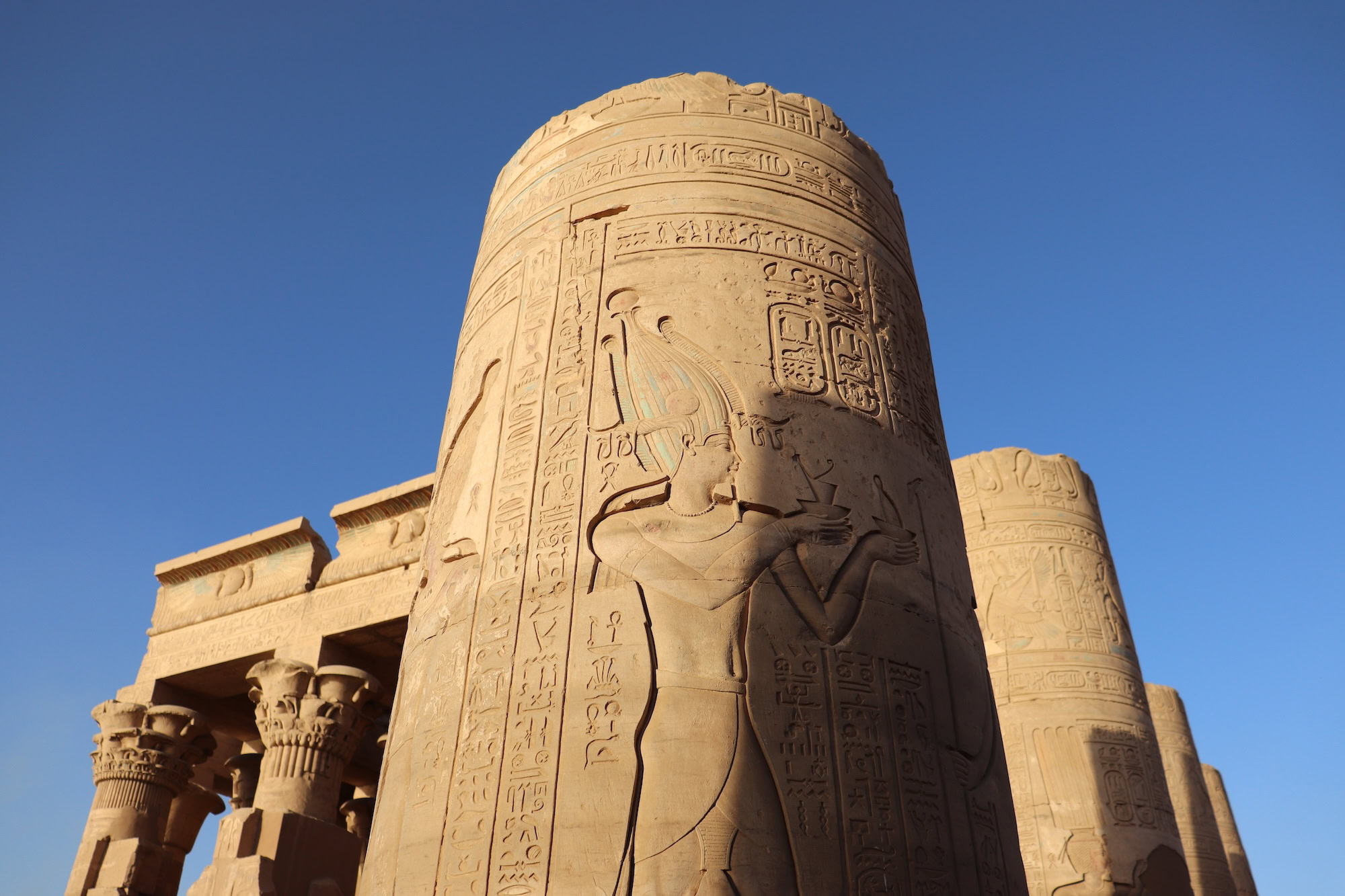
Roman emperors continued temple construction through the 3rd century CE, adding the distinctive outer wall reliefs and expanding the sanctuary areas. Under Roman rule, the temple gained additional religious significance as Christianity began spreading through Egypt, eventually leading to the temple’s abandonment around 400 CE.
Early Christian Impact and Decline
As Christianity gained dominance, many original reliefs were deliberately damaged or covered with Christian symbols. The temple suffered earthquake damage during the medieval period, with portions of the structure collapsing into the Nile. Sand and debris accumulated for centuries until French archaeologist Jacques de Morgan began systematic excavation in the 1890s.
Architectural Marvel of Perfect Symmetry
Kom Ombo’s design represents architectural genius – two complete temples merged into one seamless structure. The symmetrical layout ensures neither deity received preferential treatment, maintaining perfect religious and political balance.
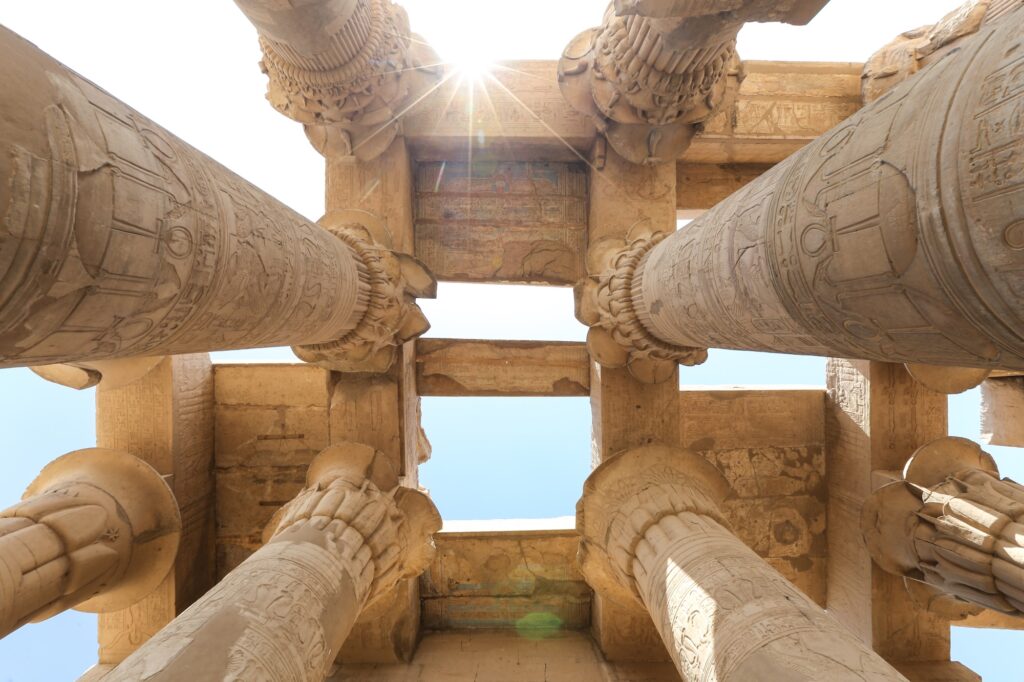
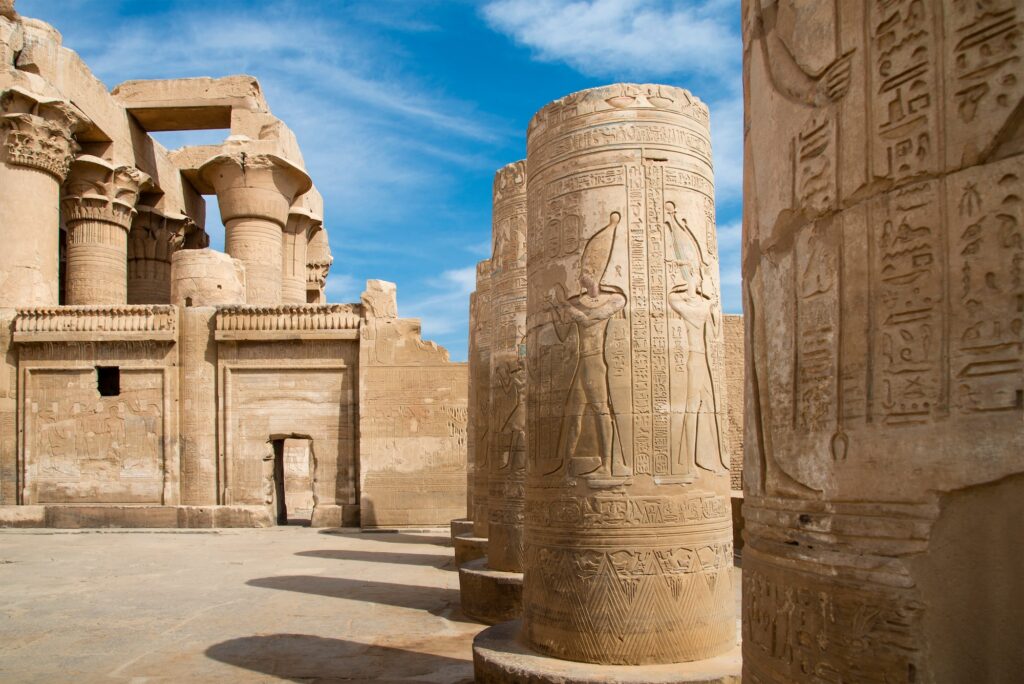
The temple stretches 165 meters in length, with twin entrances leading to duplicate halls, chambers, and sanctuaries. Each side mirrors the other precisely: identical columns, matching doorways, and parallel religious spaces. The eastern section belonged to Sobek, while the western half honored Haroeris. Visitors entering through either entrance would experience identical architectural progression – from the great hypostyle hall through smaller chambers toward the innermost sanctuary.
Builders used locally quarried sandstone and limestone, creating walls up to 15 meters high adorned with intricate reliefs. The dual design required exceptional engineering skill to maintain structural integrity while accommodating two separate religious functions within one building. Columns feature elaborate capitals combining lotus and papyrus motifs, representing Upper and Lower Egypt’s unity under Ptolemaic rule.
Religious Significance and Dual Worship Practices
Both Sobek and Haroeris commanded deep reverence throughout Egyptian history, making their joint worship politically advantageous for Ptolemaic rulers.
Sobek: The Crocodile God’s Domain
Sobek controlled the Nile’s life-giving waters, protecting fishermen and ensuring agricultural prosperity. Ancient Egyptians kept live crocodiles in sacred pools within the temple complex, believing these creatures were Sobek’s earthly manifestations. Priests fed the crocodiles daily offerings of meat, bread, and wine, treating them as divine beings worthy of worship and eventual mummification.
The eastern sanctuary housed Sobek’s cult statue, where priests performed daily rituals to maintain cosmic order. Devotees brought offerings of fish, bread, and precious metals, seeking Sobek’s protection during Nile flooding seasons.
Haroeris: The Ancient Falcon Deity
Haroeris, meaning “Horus the Elder,” represented royal power and divine protection. Unlike the more commonly known Horus the Younger, this ancient form of the falcon god embodied primordial divine authority. The western sanctuary’s elaborate reliefs show pharaohs receiving divine blessing from Haroeris, legitimizing their earthly rule through celestial endorsement.
Priests conducted separate but parallel ceremonies for both deities, ensuring neither tradition was compromised. This remarkable religious arrangement lasted over 400 years until Christian influence ended traditional Egyptian worship practices.
What Visitors Experience Today
Modern exploration of Kom Ombo reveals layers of history spanning over two millennia. We guide guests through the temple’s most significant areas, explaining the religious symbolism and architectural innovations that make this site unique among Egypt’s monuments.
The Hypostyle Hall and Relief Galleries
The great hall features 15 towering columns supporting a partially preserved roof. Detailed reliefs covering the walls and columns depict religious ceremonies, offering rituals, and interactions between pharaohs and gods. Many reliefs retain original paint traces, providing insight into the temple’s original colorful appearance.
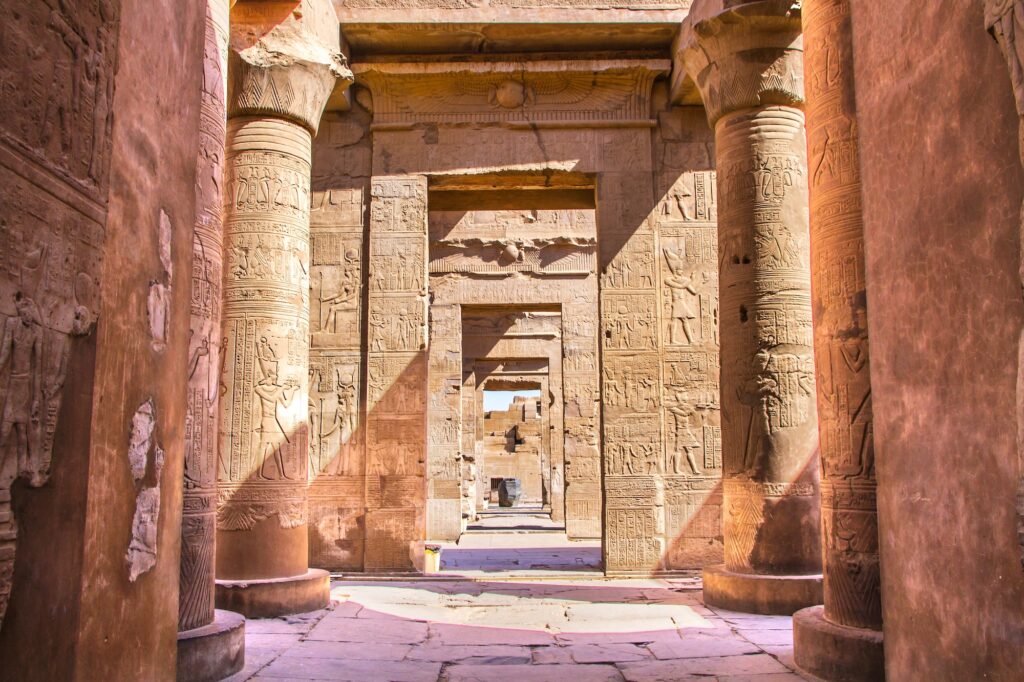
Particularly striking are the medical reliefs showing surgical instruments, including scalpels, forceps, and bone saws – evidence that the temple served as a healing center where priest-physicians treated the sick using both religious rituals and practical medicine.
The Sacred Nilometer and Crocodile Pools
Behind the main temple, visitors discover a Nilometer – an ancient device for measuring the Nile’s water levels. This circular well connected to the river through underground channels, allowing priests to monitor flooding patterns crucial for agricultural planning and religious calendar timing.
Adjacent sacred pools once housed live crocodiles considered Sobek’s living representatives. While the pools now stand empty, their stone construction demonstrates the elaborate care provided for these revered creatures.
The Crocodile Museum Experience
The on-site Crocodile Museum displays dozens of mummified crocodiles discovered during excavations, ranging from tiny hatchlings to massive adults over 4 meters long. Ancient Egyptians mummified crocodiles using similar techniques applied to human burials, wrapping them in linen and placing them in wooden sarcophagi.
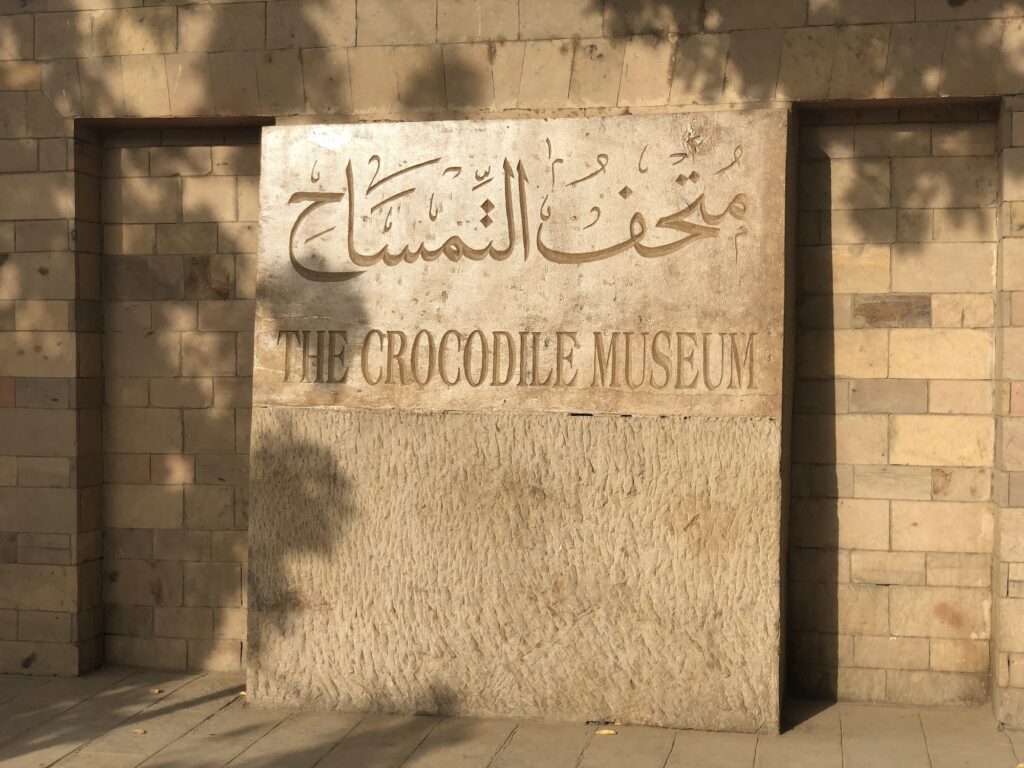
The museum’s centerpiece is a 5-meter crocodile mummy discovered with over 300 baby crocodile mummies placed around it – possibly representing a mother with her offspring prepared for eternal afterlife. Interactive displays explain crocodile mummification processes and Sobek’s role in Egyptian religious beliefs.
Planning Your Visit to Kom Ombo Temple
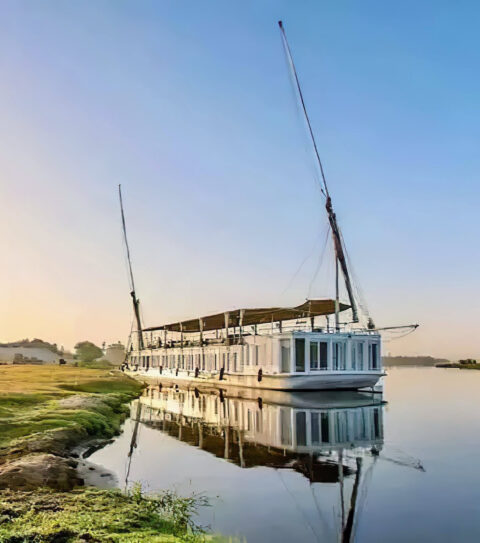
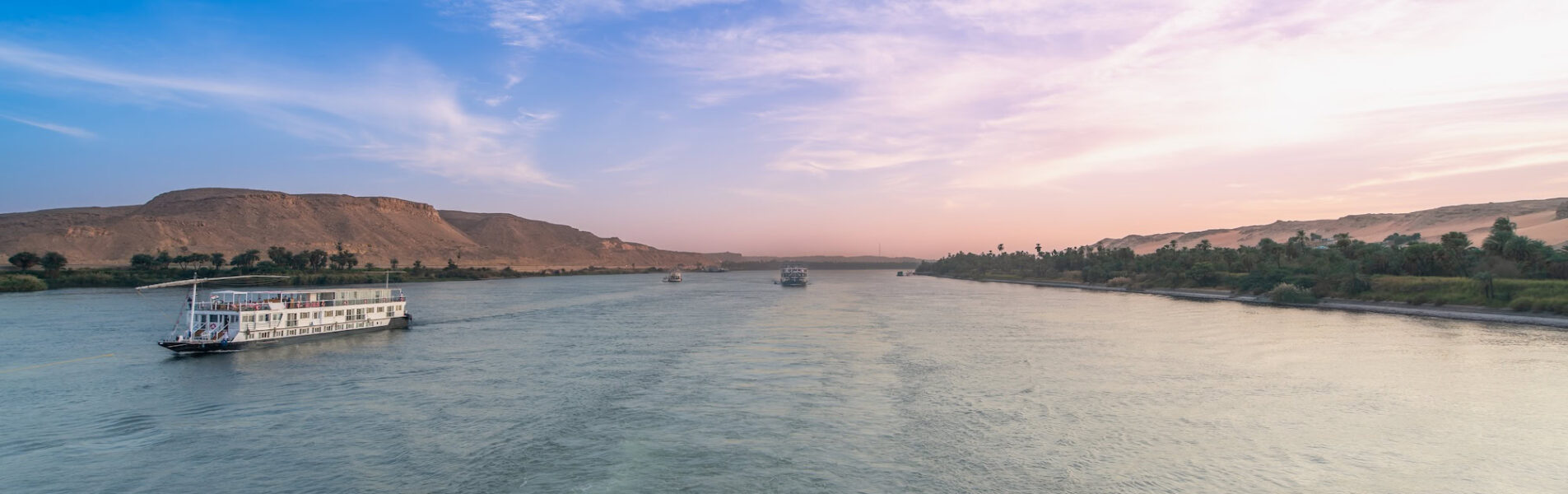
Most travelers visit Kom Ombo as part of classic Nile cruise itineraries between Luxor and Aswan, including more intimate dahabiya Nile cruise journeys, often pairing the stop with other riverside temples such as Edfu.
Cruise Ship Access and Timing
Nile cruise ships dock directly beside the temple, making access convenient for passengers. Most cruises schedule Kom Ombo visits during late afternoon or early evening, when softer lighting enhances the relief details and photography conditions improve significantly.
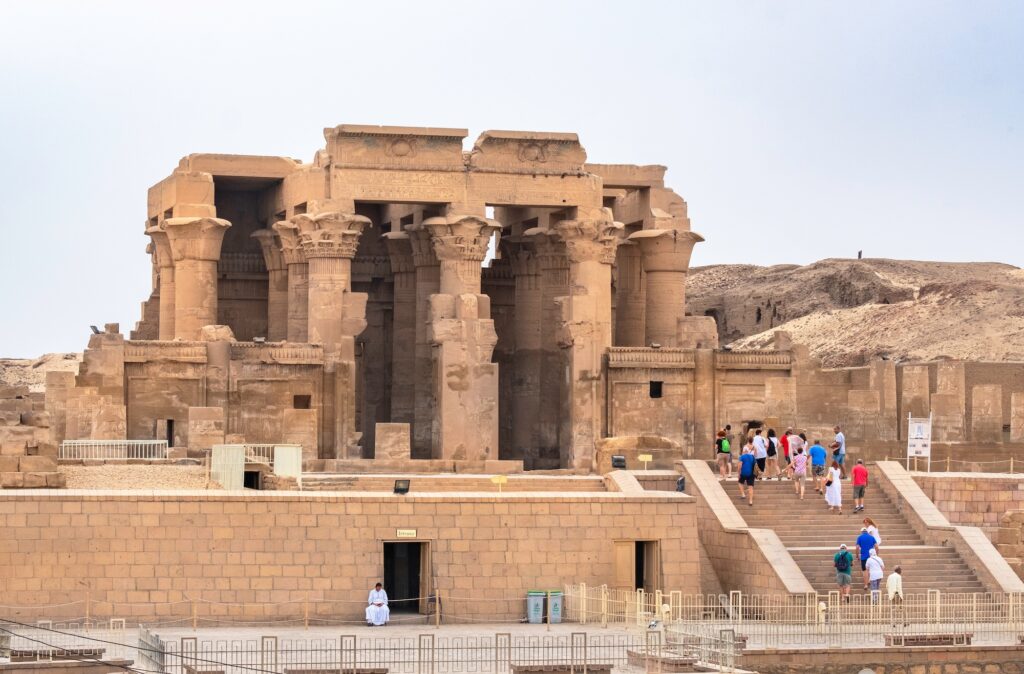
The temple opens daily from 6:00 am (06:00) to 5:00 pm (17:00) during winter months, and from 6:00 am (06:00) to 6:00 pm (18:00) during summer. We recommend arriving early morning or late afternoon to avoid peak crowds and harsh midday lighting.
Independent Travel Options
Travelers not on cruise ships can reach Kom Ombo by taxi, private car, or organized day trips from Aswan (45 minutes) or Luxor (2.5 hours). The temple complex includes parking facilities, restrooms, and a gift shop selling replica artifacts and books about ancient Egyptian religion.
Entry tickets cost 120 Egyptian pounds for adults, with student discounts available. Photography inside the temple requires an additional photography ticket. The crocodile museum entrance is included with temple admission.
Beyond the Temple: Kom Ombo’s Cultural Context
The modern town of Kom Ombo, built around the ancient temple site, offers insight into contemporary Egyptian life alongside the Nile. Sugar cane fields surround the area, continuing agricultural traditions dating back to pharaonic times.
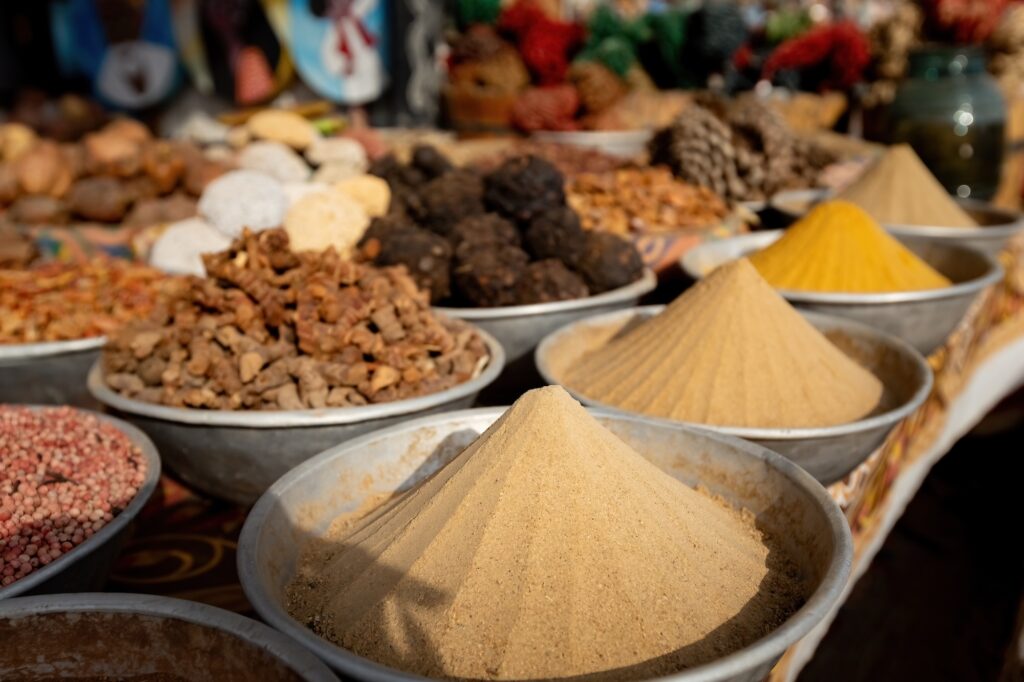
Local markets near the temple sell traditional handicrafts, spices, and textiles. Many residents trace their ancestry to families who lived here during temple’s active period, maintaining oral traditions about ancient religious practices and local folklore.
The temple’s location provides stunning Nile River views, particularly beautiful during sunset when the limestone walls glow golden against the river’s reflection. This natural beauty explains why ancient architects chose this specific site for their ambitious dual temple project.
Archaeological work continues at Kom Ombo, with recent discoveries revealing additional chambers and relief fragments. The Egyptian Ministry of Tourism and Antiquities maintains ongoing conservation efforts to preserve the temple’s irreplaceable artwork and structural integrity for future generations.
We coordinate visits to combine Kom Ombo with other well-known places around Aswan, including Philae Temple, the Unfinished Obelisk, and traditional Nubian villages, creating comprehensive cultural experiences that showcase southern Egypt’s remarkable heritage.
Frequently Asked Questions
How long should I plan to spend at Kom Ombo Temple?
Allow 1.5 to 2 hours to explore both the main temple and crocodile museum thoroughly, with time for photography and reflection.
Can I visit Kom Ombo without taking a Nile cruise?
Yes, the temple is accessible by road from Aswan (45 minutes) or Luxor (2.5 hours) via taxi or organized tour.
Are there facilities for visitors at the temple site?
The complex includes restrooms, parking, a gift shop, and the crocodile museum, plus vendors selling refreshments outside the entrance.
What makes Kom Ombo different from other Egyptian temples?
It’s the only temple dedicated to two gods with perfect symmetrical architecture – essentially two temples merged into one structure.
When is the best time to visit for photography?
Early morning or late afternoon provides optimal lighting conditions, with many cruise ships scheduling visits during golden hour.
Is the temple suitable for visitors with mobility concerns?
The main areas are accessible, though some upper chambers require climbing ancient stone steps that may be challenging.
Can I see actual mummified crocodiles at the site?
Yes, the on-site Crocodile Museum displays dozens of mummified crocodiles of various sizes discovered during excavations.
How well-preserved are the temple’s original reliefs and paintings?
Many reliefs remain in excellent condition with visible paint traces, though some areas show damage from earthquakes and early Christian modifications.
Are guided tours available at Kom Ombo?
Professional guides are available on-site, and we provide expert private guides who explain the temple’s unique dual dedication and historical significance.
What should I bring for my visit to the temple?
Comfortable walking shoes, sun protection, camera, and water are recommended, especially during warmer months when temperatures can reach 95°F (35°C).
Ancient Wonders of Aswan, Modern Comfort
Sail the Nile Through Aswan Like a Pharaoh
Design Your Custom Tour
Explore Egypt your way by selecting only the attractions you want to visit