Is Egypt Safe for American Tourists?
Egypt remains one of the most fascinating destinations on earth.
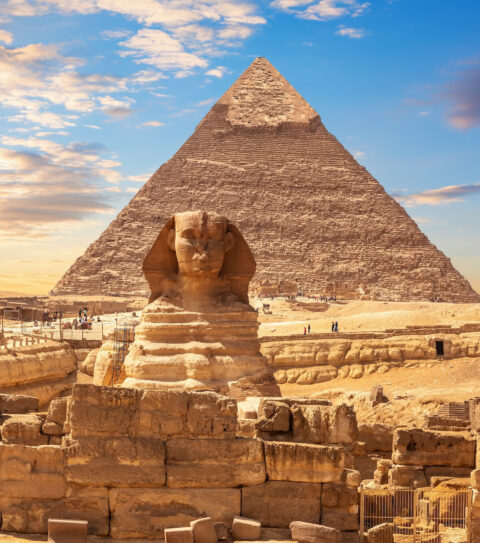
With ancient pyramids, the magnificent Nile River, and vibrant bazaars, Egypt offers experiences you simply can’t find elsewhere. Yet safety concerns often top the list of questions for American travelers planning their first visit — especially those researching Egypt tours packages from USA. We understand these worries completely – international travel always requires careful consideration. Recent political changes, terrorism concerns, and cultural differences can feel overwhelming when you’re planning a dream vacation to see the Sphinx and sail the Nile.
The reality is more reassuring than you might expect. Millions of American tourists visit Egypt safely each year, and with proper preparation and local expertise, your Egyptian adventure can be both magical and secure.
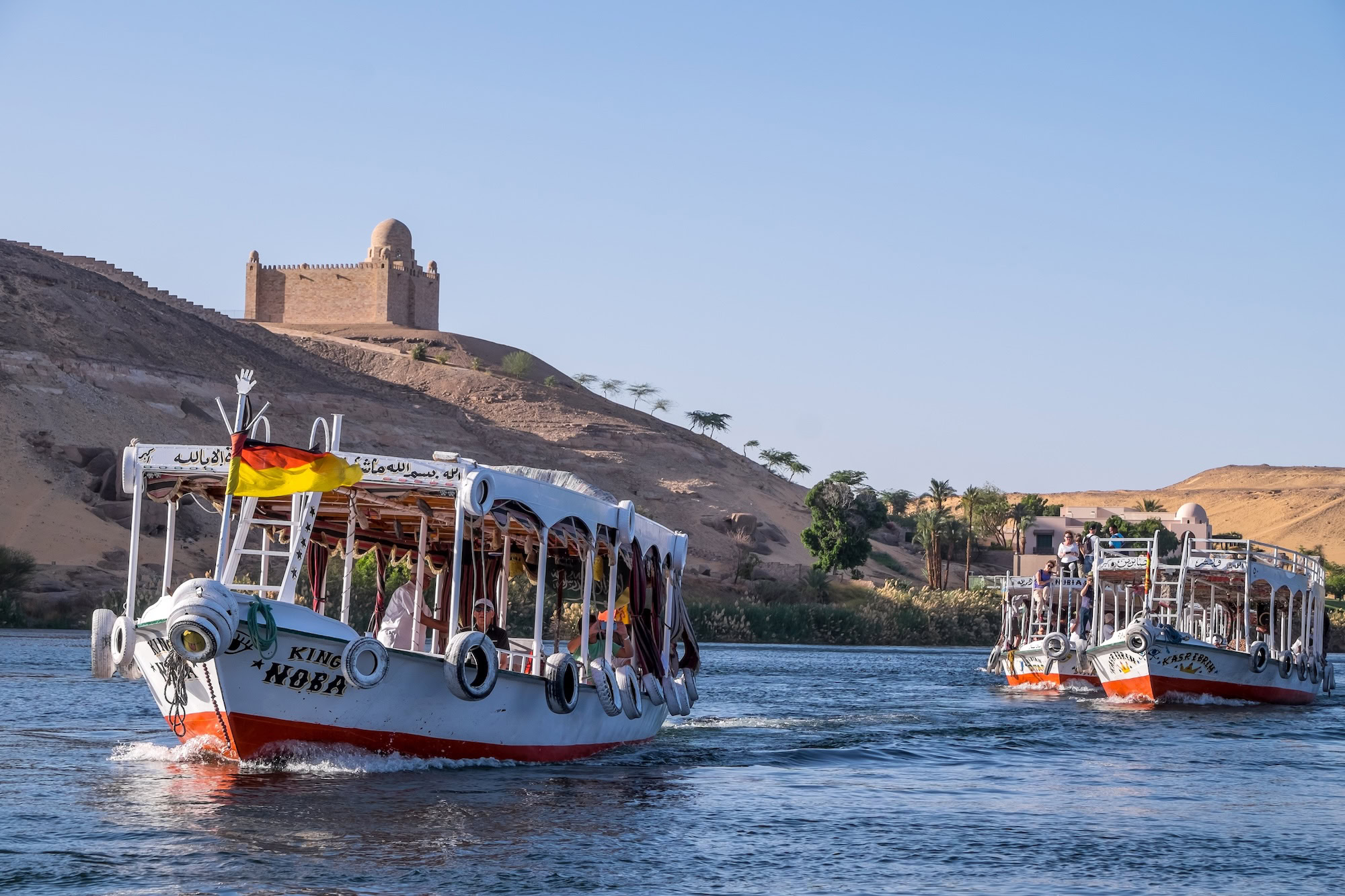
Overall Safety for American Tourists
Egypt consistently ranks as safer than many popular international destinations, a fact that reassures travelers researching is it safe for Americans to travel to Egypt. Because tourism is a vital part of the Egyptian economy, protecting visitors remains a top priority for local authorities and businesses alike.
Current Security Landscape
The Egyptian government has invested heavily in tourist security since 2014. Tourist police presence has increased dramatically around major attractions, with dedicated units stationed at the pyramids, temples, and popular resort areas. Armed security checkpoints at hotels and attractions have become standard, creating multiple layers of protection for international visitors.
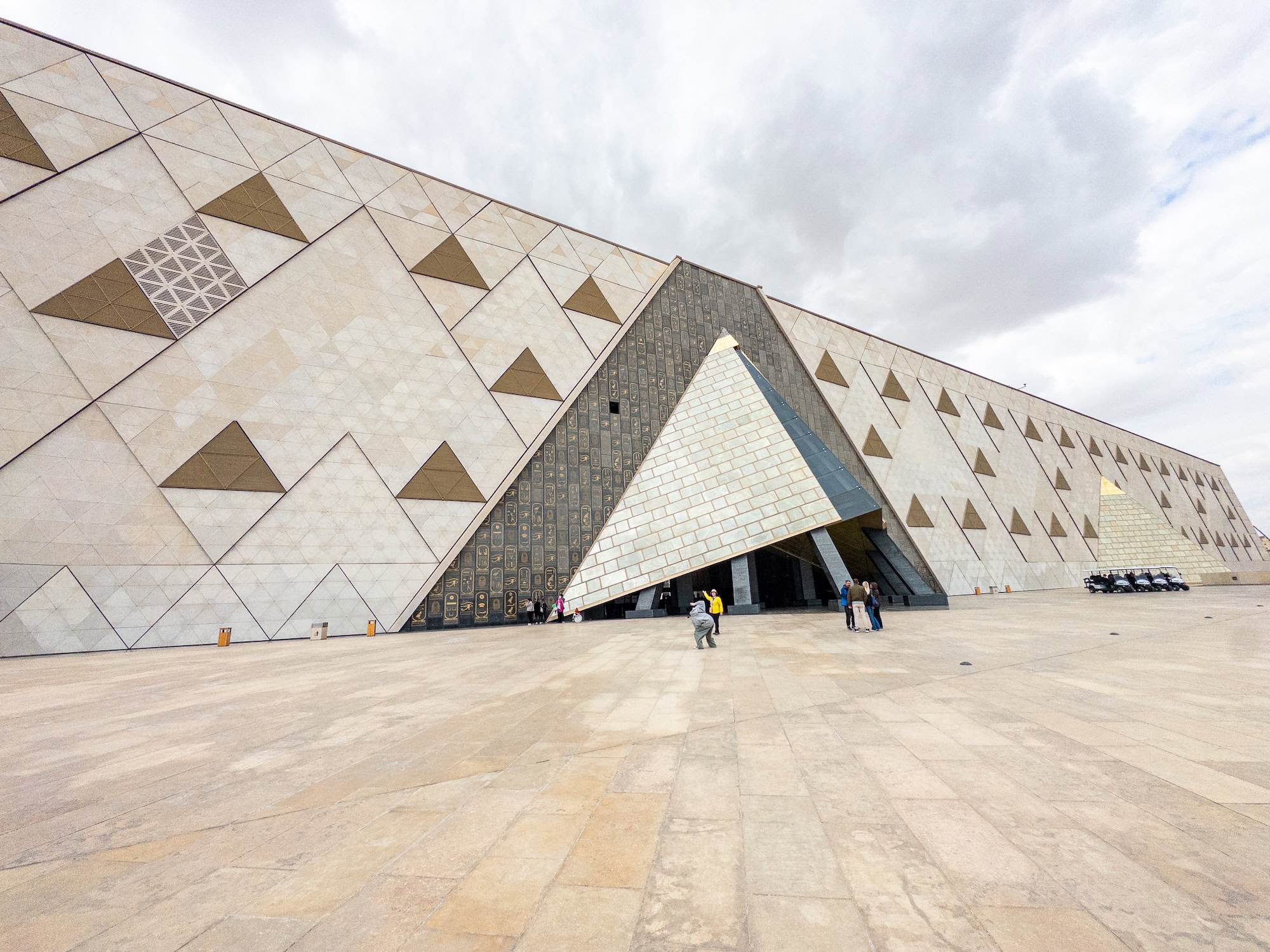
Comparative Safety Statistics
When comparing Egypt to other destinations, the numbers tell an encouraging story. Tourist-related incidents remain statistically rare, particularly in established tourist areas like Cairo, Luxor, and Red Sea resorts. The US State Department’s travel advisory system places Egypt at Level 3, but this rating primarily reflects concerns about specific regions rather than tourist destinations.
Regional Variations
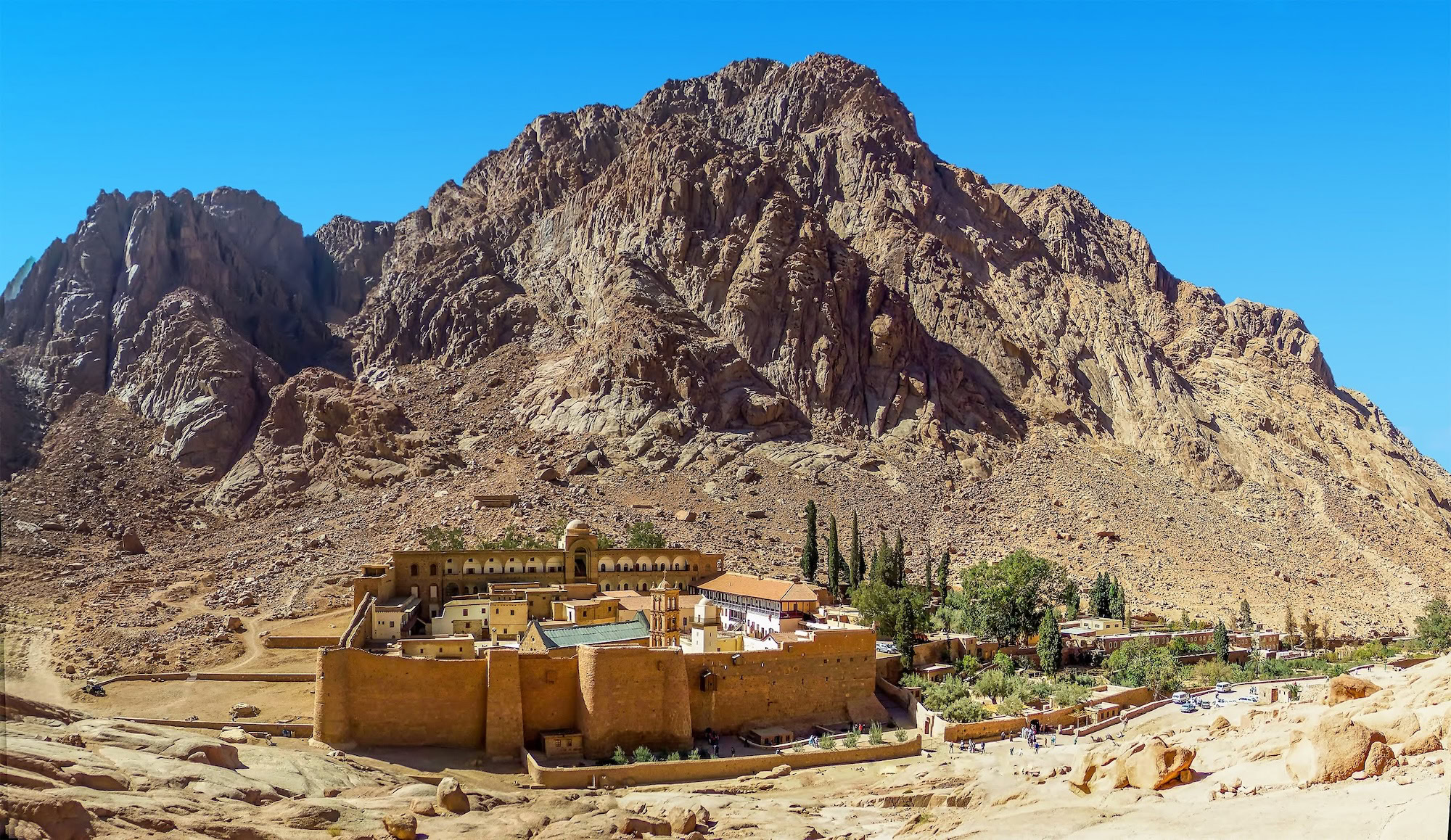
Northern and central Sinai Peninsula remain off-limits to tourists due to terrorism risks. However, South Sinai, including Sharm El Sheikh, operates under different security protocols and welcomes international visitors safely. The Nile Valley corridor from Cairo to Aswan sees consistent tourist traffic with robust security measures in place.
Tourism Infrastructure Protection
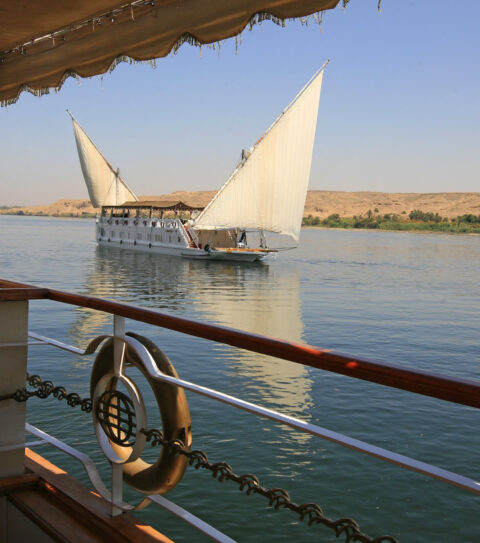
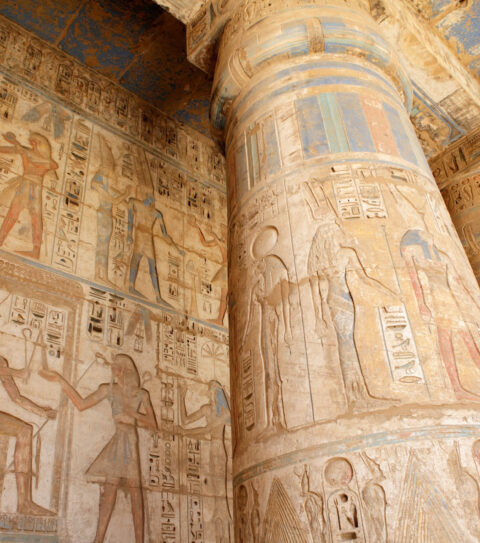
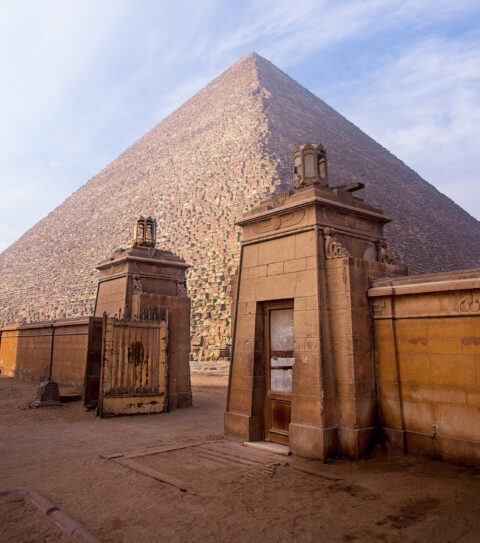
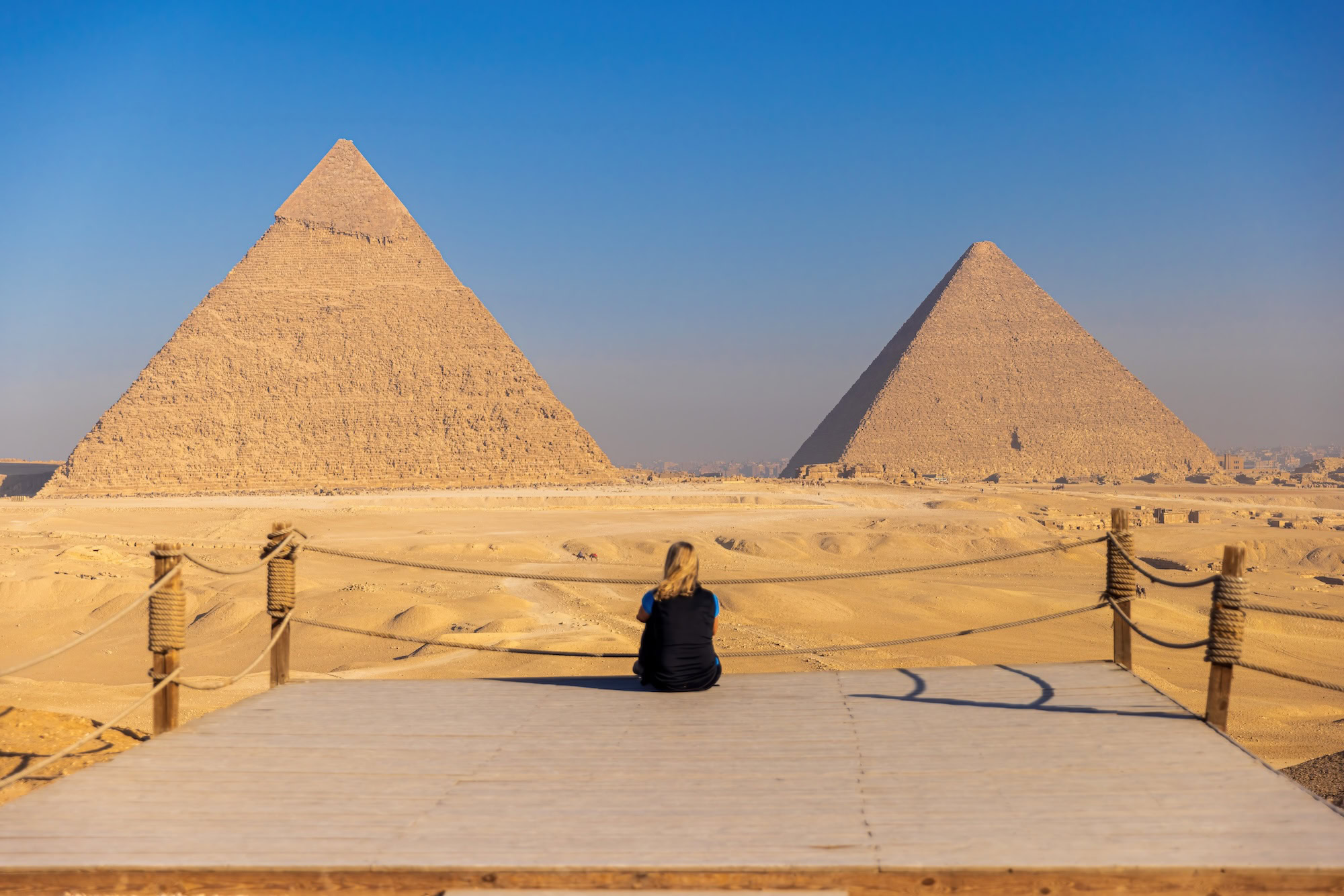
Hotels in tourist areas employ private security alongside government protection. Major attractions like the Pyramids of Giza, Valley of the Kings, and Abu Simbel feature comprehensive security screening. Even Nile cruise ships maintain security protocols that exceed international standards for passenger safety.
Key Safety Concerns and Solutions
Terrorism risks dominate headlines, but understanding the actual threat level helps put concerns in perspective. Most terrorist activity occurs in remote areas far from tourist destinations, and security forces maintain heavy presence around archaeological sites and resort areas.
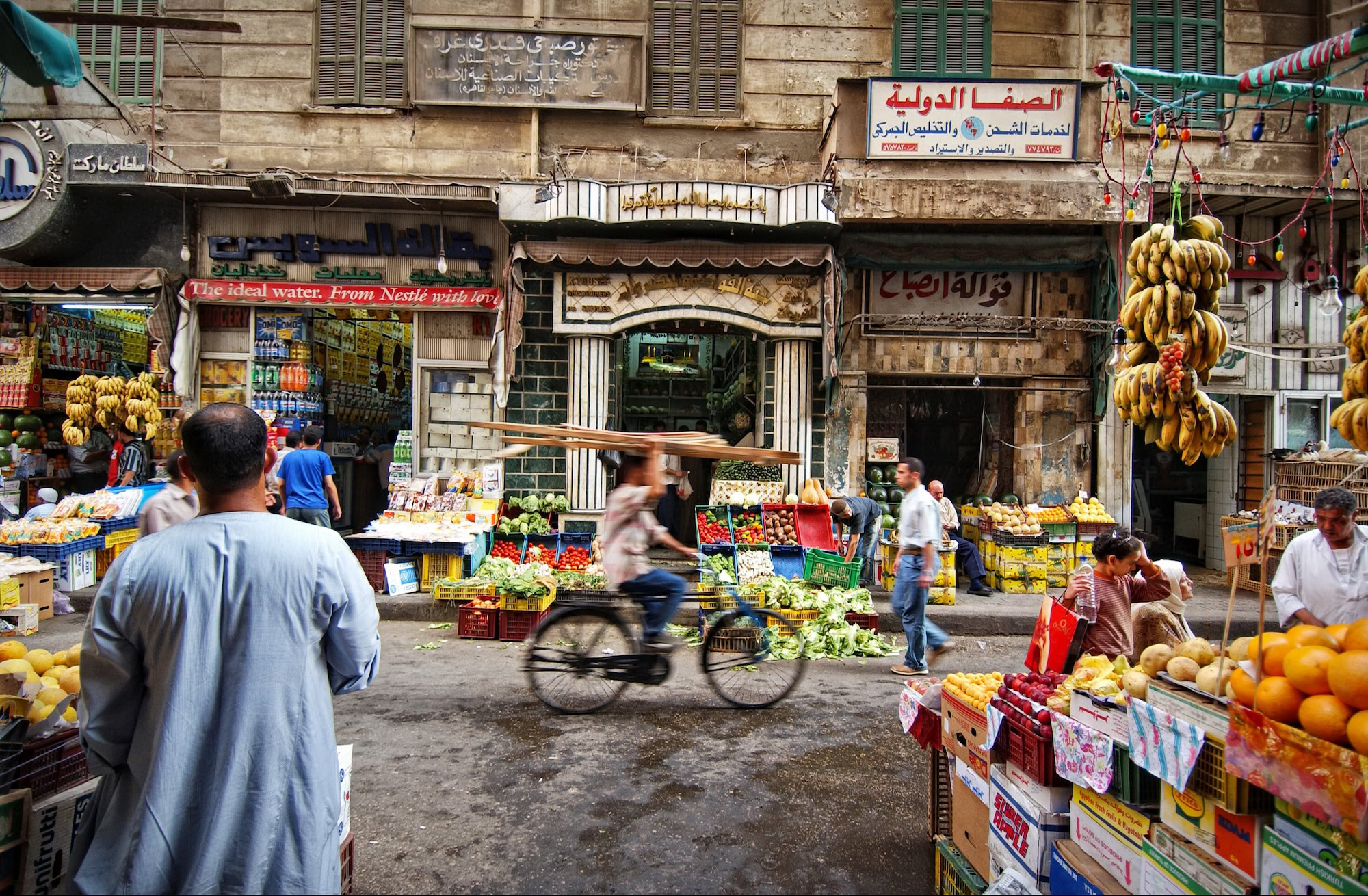
Government demonstrations can emerge suddenly, particularly in urban centers like Cairo and Alexandria. Social media monitoring often provides advance warning, but visitors should avoid large gatherings regardless of their apparent nature. Political tensions rarely target tourists directly, but getting caught in crowd situations poses unnecessary risks. Local authorities typically issue guidance about areas to avoid during periods of heightened political activity.
Crime Against Tourists
Petty theft represents the most common safety concern for American visitors. Phone snatching by motorcycle riders occurs frequently in busy Cairo streets, so maintain firm grip on devices and avoid displaying expensive electronics openly. Tourist-targeted scams happen regularly at popular sites, with vendors and unofficial guides using high-pressure tactics to extract money from unsuspecting visitors.
Sexual harassment affects female travelers more frequently than violent crime. Solo women should dress conservatively, covering shoulders and knees in public areas. Group travel or guided tours provide additional safety layers, particularly for women traveling without male companions.
Health and Medical Considerations
Medical facilities in major tourist areas meet international standards, but remote locations may lack adequate emergency services. Travel insurance covering medical evacuation provides essential protection for serious health issues. Polio vaccination requirements exist for some travelers, so consult healthcare providers about recommended immunizations before departure.
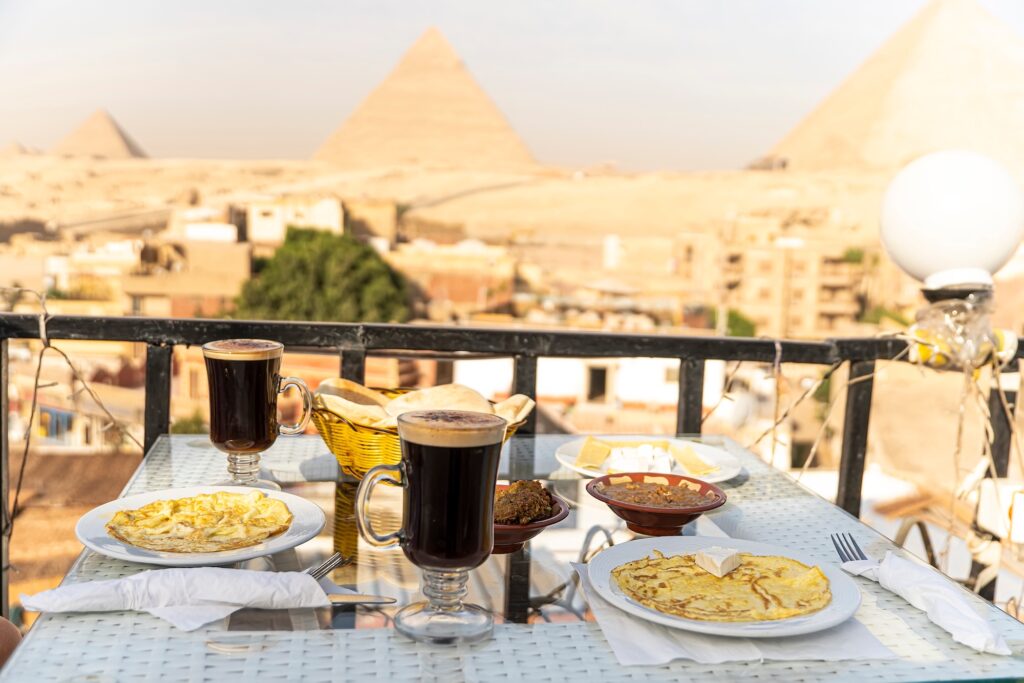
Water and food safety requires attention throughout Egypt. Bottled water prevents most stomach issues, while avoiding raw vegetables and street food reduces risk further. Heat exhaustion poses real dangers during summer months, particularly when visiting desert areas or spending long periods outdoors.
Practical Safety Tips for Visitors
Smart preparation prevents most safety issues before they occur. Research your specific destinations within Egypt, as security conditions vary significantly between regions. Book accommodations through established operators rather than unknown local providers, ensuring proper safety protocols and emergency procedures exist.
Transportation Safety Guidelines
Traffic in Egyptian cities operates by different rules than American roads. Crossing streets requires extreme caution, as traffic lights and pedestrian signals often go unheeded. Uber operates in major cities and provides safer alternatives to flagging random taxis on busy streets.
For longer distances, organized tour transportation offers the safest option. Private drivers through reputable companies understand tourist needs and maintain vehicles to higher safety standards. Avoid overnight bus travel between cities, as road conditions and driver fatigue can create unnecessary risks.
Money and Document Security
Carry passport copies rather than originals when sightseeing, keeping originals secured in hotel safes. US dollars exchange easily throughout Egypt, but notify banks about travel plans to prevent card blocks. Credit cards work at major hotels and restaurants, though cash remains necessary for smaller vendors and tips.
Dual citizenship creates specific complications in Egypt. Americans with Egyptian heritage may face restrictions on consular assistance if detained. Understanding these limitations helps avoid situations where US Embassy support might be unavailable.
Cultural Respect and Awareness
Egypt’s Islamic culture influences daily life and social expectations. Modest clothing shows respect and reduces unwanted attention, particularly at religious sites. Alcohol availability is limited outside licensed hotels and restaurants, so plan accordingly if drinking is important to your vacation.
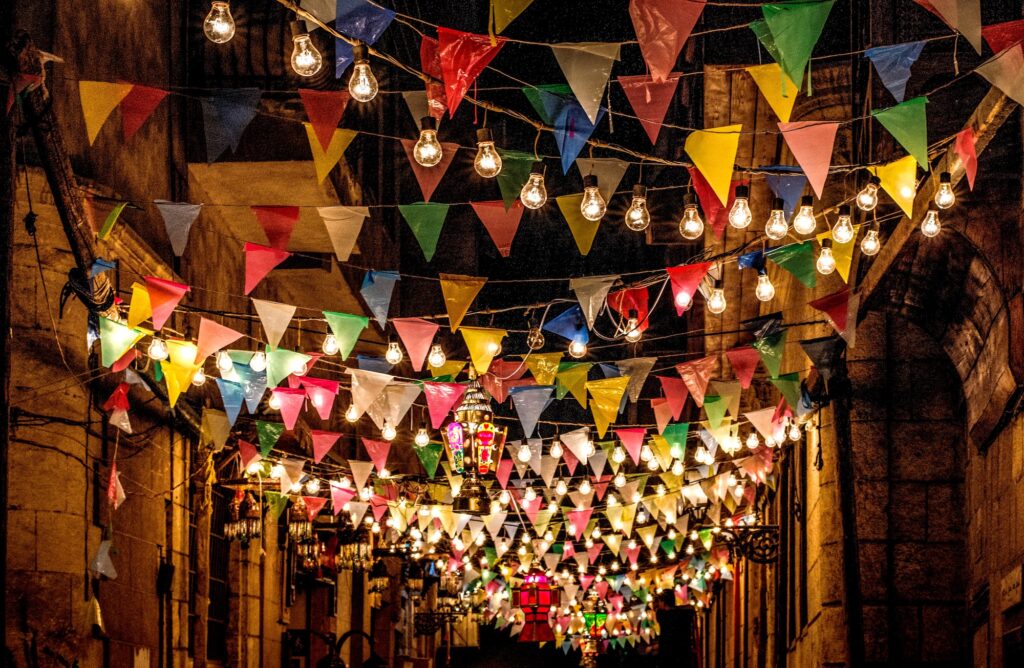
Ramadan brings additional considerations, with reduced business hours and altered social rhythms. Photography restrictions apply at many military and government installations, so ask permission before photographing people or sensitive locations.
Best Areas for Safe Tourism
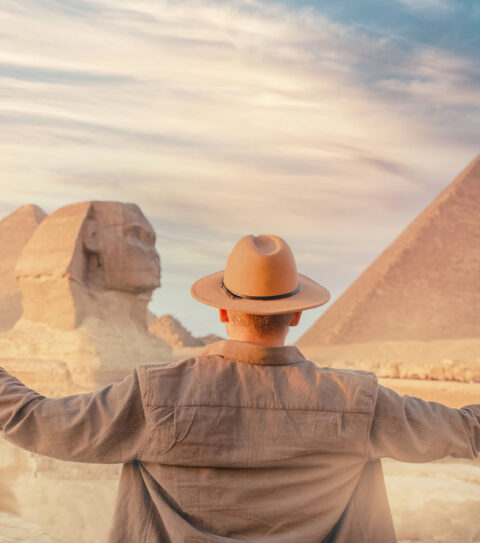
Cairo offers Egypt’s most comprehensive tourist infrastructure alongside its greatest attractions. The Giza pyramid complex receives thousands of daily visitors with extensive security presence and established tourist services. Islamic Cairo’s medieval streets require more awareness but remain generally safe during daylight hours with proper guides.
Luxor and Upper Egypt
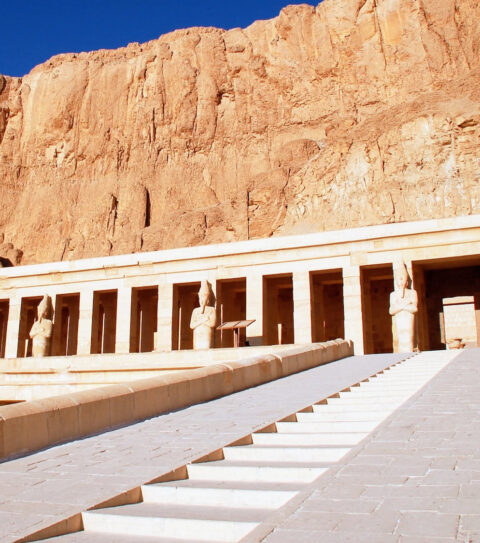
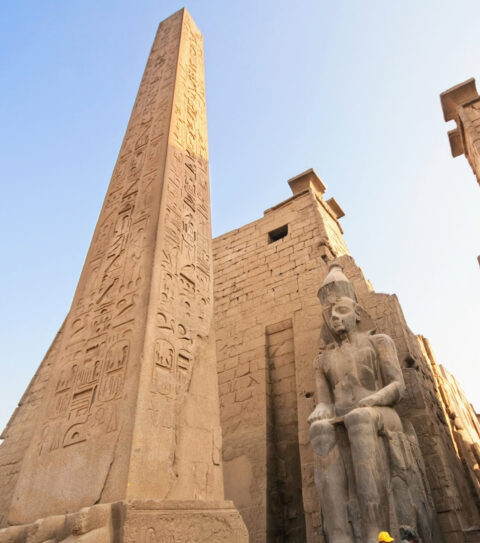
Luxor functions essentially as an open-air museum with world-class archaeological sites. Valley of the Kings, Karnak Temple, and Luxor Temple all maintain excellent security and tourist facilities. Aswan provides similar safety levels with the added attraction of Nubian culture and felucca sailing opportunities.
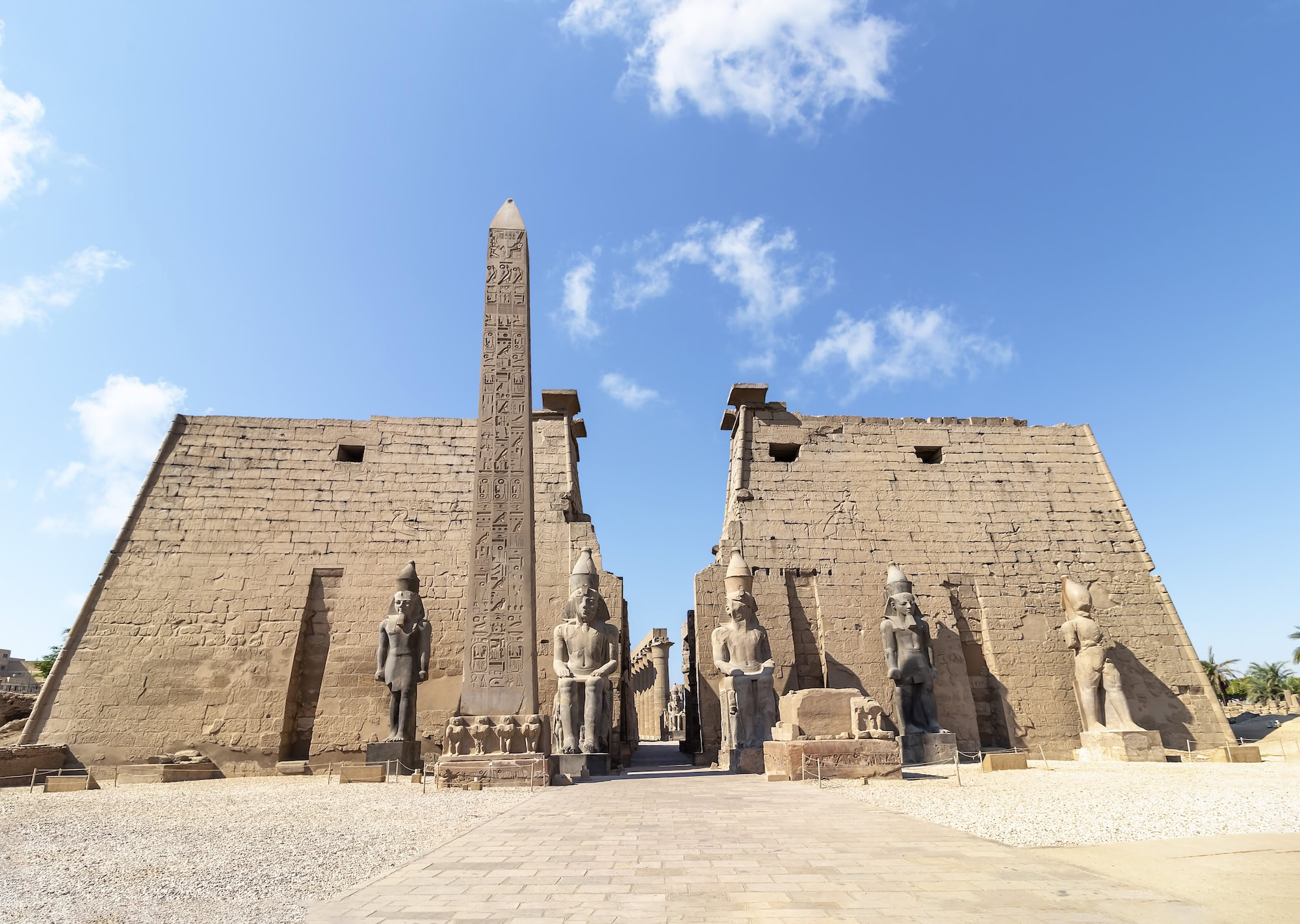
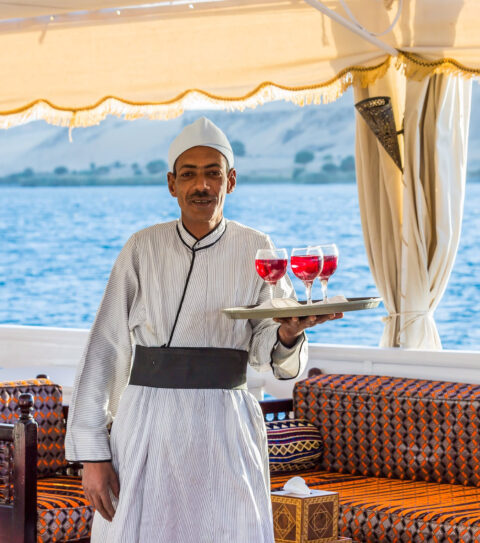
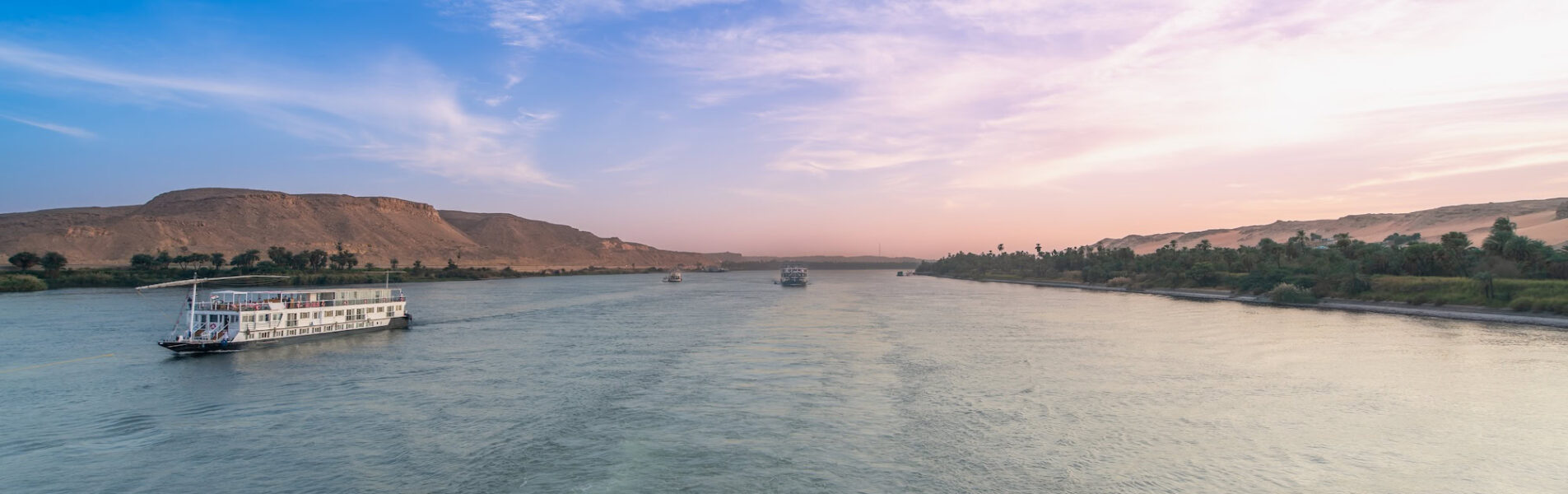
Luxury Nile cruises between Luxor and Aswan follow established routes with coordinated security measures, offering a relaxed and well-organized way to explore Upper Egypt. These cruises provide structured sightseeing that minimizes the need for independent navigation while maximizing cultural immersion. Shore excursions are typically conducted in small groups, led by qualified guides who are well versed in both safety protocols and the historical significance of each site.
Red Sea Resort Areas
Hurghada and Sharm El Sheikh cater specifically to international tourists seeking beach relaxation and water activities. These resort destinations maintain higher security standards due to their economic importance and tourist concentration. Diving operations follow international safety protocols, though choosing established operators remains important for underwater activities.
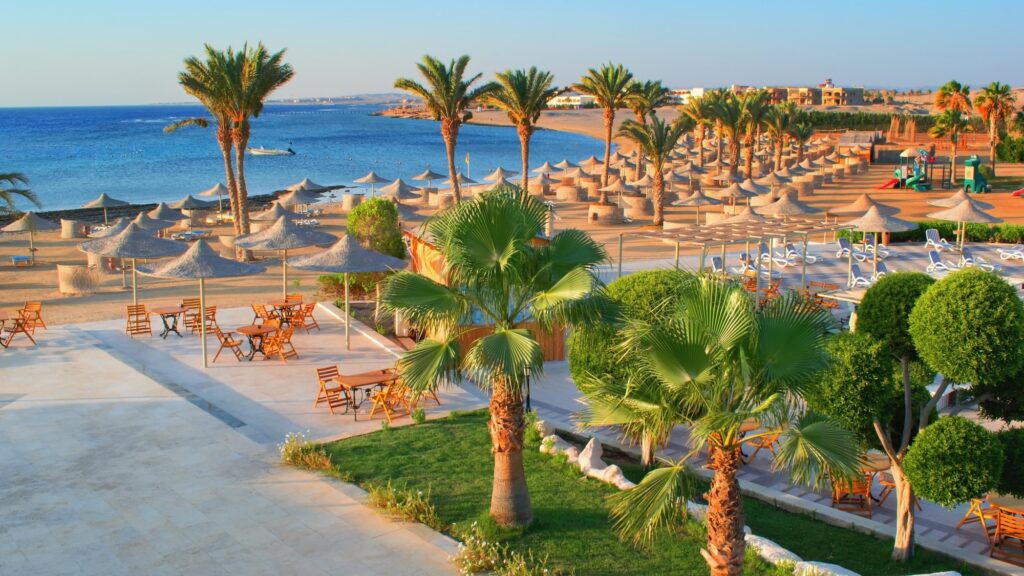
The Red Sea coast offers a completely different Egypt experience from historical sightseeing, with modern resorts, international dining, and recreational activities similar to other Mediterranean destinations.
What American Travelers Experience
Recent visitor reports consistently describe positive experiences with occasional minor frustrations. Aggressive vendors at tourist sites represent the most commonly mentioned annoyance, but these interactions rarely escalate beyond persistent sales attempts.
Solo female travelers, including backpackers, successfully navigate Egypt with appropriate precautions and cultural sensitivity. Group tours provide additional comfort for first-time visitors while allowing interaction with local culture through controlled experiences. Many Americans return multiple times after positive initial visits, suggesting that perceived risks often exceed actual dangers.
Language barriers create occasional confusion, but English proficiency is widespread in tourist areas. Tourist police specifically train to assist international visitors and often speak multiple languages. Hotel staff and tour guides typically communicate effectively in English throughout major destinations.
Airport security procedures in Egypt exceed international standards, with multiple security checks and thorough baggage screening. This comprehensive approach can create longer processing times but demonstrates serious commitment to passenger safety.
Working with Professional Tour Operators
Choosing experienced local operators dramatically improves both safety and experience quality. We’ve spent decades building relationships throughout Egypt that ensure our clients receive optimal protection without sacrificing authentic cultural encounters. Our private guides understand American expectations while navigating local customs that independent travelers might find challenging.
Professional tour operators provide several safety advantages beyond local knowledge. Modern vehicles with experienced drivers reduce transportation risks significantly. Pre-arranged accommodations meet international safety and comfort standards. Emergency communication systems ensure rapid response to any unexpected situations.
Tailored itineraries allow flexibility while maintaining security protocols. Private excursions avoid the unpredictability of large group dynamics while providing personalized attention to individual interests and concerns. Twenty-four hour customer support means assistance is always available regardless of time zones or local holidays.
Travel Egypt with confidence and expert care.
Discover how our professionally guided tour packages to Egypt combine safety, comfort, and authentic experiences, so you can explore with peace of mind from start to finish.
Frequently Asked Questions
Is Egypt safe for Americans right now?
Yes, Egypt remains safe for American tourists visiting established destinations like Cairo, Luxor, Aswan, and Red Sea resorts with proper planning and local guidance.
Should solo female travelers avoid Egypt?
Solo female travelers visit Egypt successfully, though modest dress and cultural awareness are essential, with guided tours recommended for first-time visitors.
What areas of Egypt should Americans avoid?
Northern and central Sinai Peninsula are off-limits to tourists, while other regions including South Sinai remain open with appropriate security measures.
How common is terrorism against tourists in Egypt?
Terrorist incidents targeting tourists are extremely rare, with most security concerns focused on remote areas away from established tourist destinations.
Do I need special insurance to visit Egypt safely?
Travel insurance with medical evacuation coverage is highly recommended, as medical facilities in remote areas may not meet international standards.
Are Egyptian police helpful to American tourists?
Tourist police are specifically trained to assist international visitors and are generally helpful, professional, and speak English in major tourist areas.
What’s the biggest safety threat for American tourists in Egypt?
Petty theft and tourist scams represent the most common safety concerns, while violent crime against tourists remains statistically very rare.
Should Americans travel independently or use tour operators in Egypt?
Tour operators provide significant safety advantages through local expertise, vetted accommodations, reliable transportation, and emergency support systems.
Is it safe to visit pyramids and other ancient sites?
Major archaeological sites maintain comprehensive security with tourist police presence, metal detectors, and controlled access for visitor safety.
How safe is transportation for Americans traveling in Egypt?
Professional tour transportation and established operators provide the safest travel options, while public transportation requires additional caution and local knowledge.
Are credit cards and ATMs safe to use in Egypt?
Major hotels and restaurants safely accept credit cards, while ATMs in tourist areas are generally secure, though cash remains necessary for smaller purchases.
What should Americans know about Egyptian customs and laws?
Respect for Islamic culture, modest dress, photography restrictions at government sites, and understanding dual citizenship implications are essential for safe travel.
Explore our most popular guides and expert tips to make your trip safe, smooth, and unforgettable.
Plan Your Egypt Adventure with Confidence
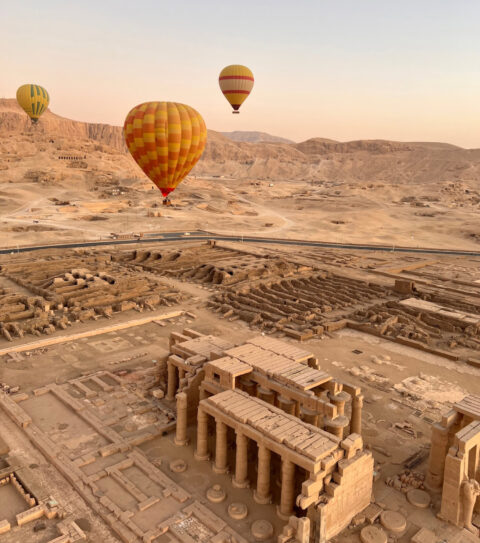
How to Plan a Trip Egypt
Step-by-step guide to help you plan the perfect Egypt trip — from routes and budget to booking.
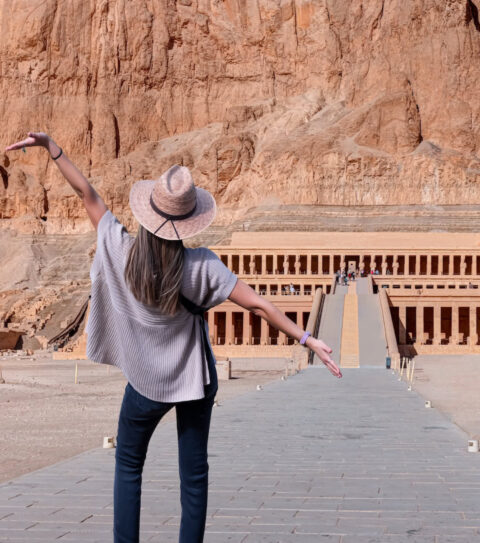
Best Time to Visit Egypt
Learn the best months to visit Egypt based on weather, crowds, and local travel experiences.
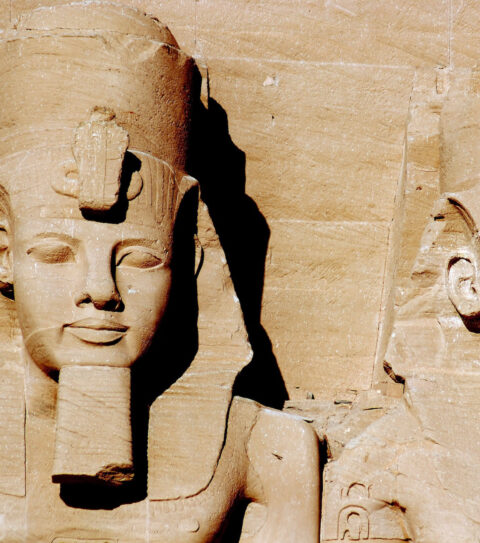
Must Visit Places in Egypt
Explore Egypt’s top sights — from pyramids to temples — and hidden gems worth seeing.
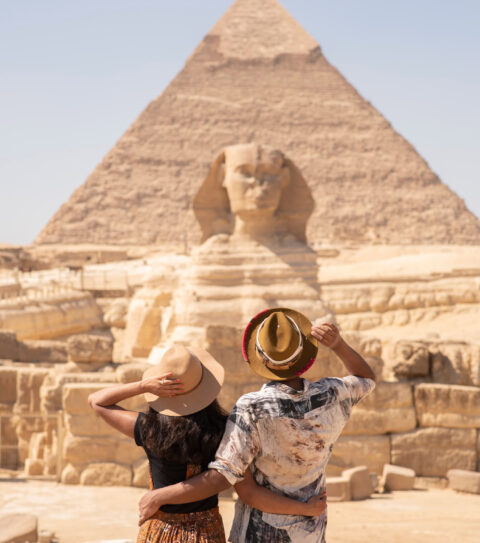
Top-Rated Egypt Tours
Handpicked private tours with local guides — our most loved and best-reviewed experiences.
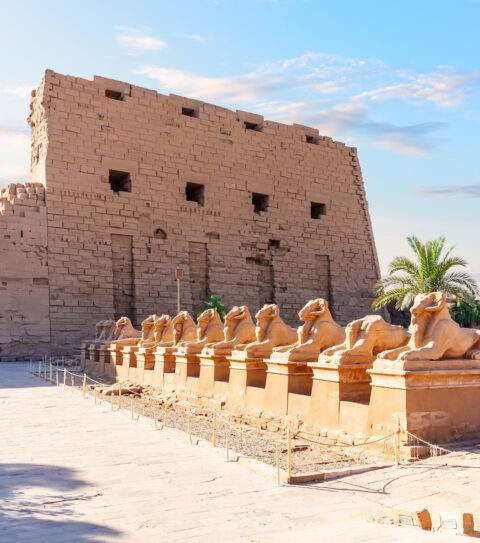
How Many Days to Visit Egypt?
Find out how many days you need in Egypt — from quick trips to full itineraries.
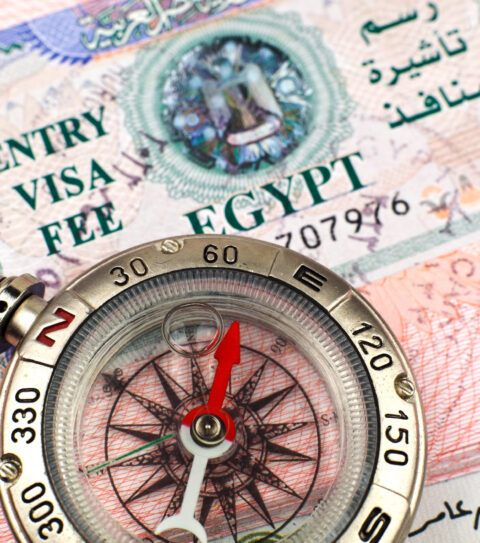
Egypt Visa Requirements
Check if you need a visa and get simple, up-to-date entry info based on your nationality.
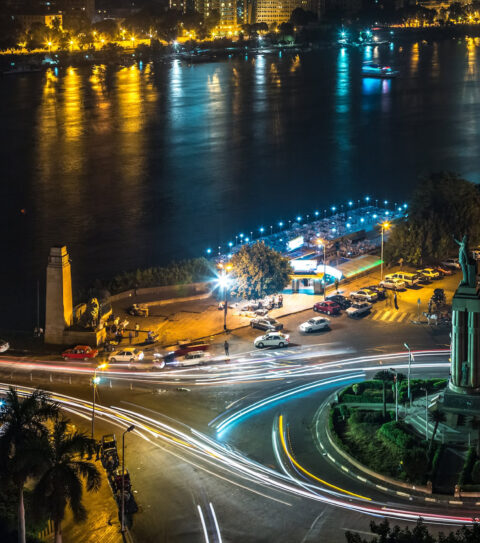
Is it Safe to Travel to Egypt?
Is Egypt safe? Get honest safety tips, area advice, and what to know before you travel.
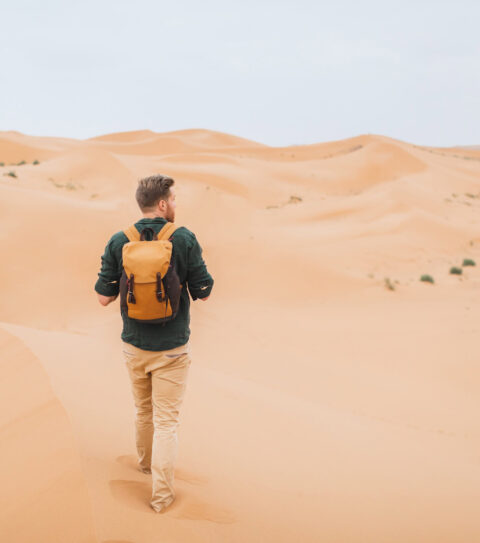
What to Pack for Egypt
A quick packing guide with essentials, cultural tips, and clothing advice for your Egypt trip.
Design Your Custom Tour
Explore Egypt your way by selecting only the attractions you want to visit