

Egypt Tours with Nile Cruise
Enjoy the best of Egypt with a combined Egypt tour and Nile cruise: the Pyramids, the temples of Luxor and Aswan, and a relaxing journey along the Nile—supported by expert local guidance, seamless service, and more than 70 years of award-winning expertise.
Find Your Perfect Egypt Tour with Nile Cruise
Browse our most popular combinations of Egypt tours and Nile cruises, shaped by decades of experience and designed for stress-free travel.
What is included in a Nile cruise tour package?
Most packages combine guided sightseeing in Cairo with a multi-day Nile cruise between Luxor and Aswan. You can expect visits to the Pyramids, the Sphinx, the Egyptian Museum, and famous temples along the Nile. All transfers, domestic flights, a private guide, and accommodation are typically included for a seamless experience.
Many travelers also choose to enhance their Egypt tour and Nile cruise with add-ons within Egypt. Popular options include extra nights on the Red Sea (Hurghada or Sharm El Sheikh) for beaches and diving, a cultural escape to Alexandria, or a desert adventure in Siwa or Fayoum. These additions are easy to combine and give you a wider taste of the country’s landscapes and history.
You can also extend your journey beyond Egypt. Many guests pair their Egypt with Nile cruise holiday with nearby destinations such as Jordan (Petra, Wadi Rum, the Dead Sea), Israel, Dubai, or Morocco. Extensions are fully customizable and designed to match your schedule, making it simple to build a multi-country adventure in one smooth itinerary.
How many days do I need for an Egypt tour with Nile cruise?
A minimum of 7–10 days is recommended to fully enjoy both Cairo and the cruise. Shorter itineraries exist, but most travelers prefer enough time to explore the top sites at a relaxed pace—especially when combining Egypt with a Nile cruise for the first time.
Are Nile cruise ships comfortable and safe?
Yes. Modern cruise ships offer comfortable cabins, excellent hygiene standards, and amenities like sun decks, restaurants, and small pools. When you book an Egypt tour and Nile cruise with us, we only use trusted cruise partners we’ve worked with for decades, ensuring quality and safety.
What’s the best time of year to take an Egypt with Nile cruise holiday?
The most popular months are October through April, when temperatures are mild and perfect for sightseeing. Cruises run year-round, but summer can be very hot—something to consider when planning your Egypt tour with Nile cruise.
Which route is best: Luxor–Aswan or Aswan–Luxor?
Both routes visit the same legendary temples. Most travelers prefer starting in Luxor due to the abundance of sites there, but your itinerary can be tailored either way. The experience is equally rewarding no matter the direction of your Egypt tour and Nile cruise.
Which is better: a Nile cruise ship or a dahabiya?
Both offer unforgettable ways to experience the Nile—just in very different styles. A Nile cruise ship provides more amenities, such as spacious cabins, onboard restaurants, and small pools. It’s ideal if you prefer comfort, stability, and a wider range of facilities during your Egypt tour and Nile cruise.
A dahabiya, on the other hand, is a traditional, wind-powered boat with far fewer passengers. It offers a slower, more intimate journey with the charm of quiet sailing and stops at smaller, less-visited sites. This option suits travelers who want a boutique, laid-back experience and don’t mind fewer onboard amenities.
Both are excellent choices—the best option depends on whether you value convenience and facilities (cruise ship) or serenity and exclusivity (dahabiya).
Are Nile cruises suitable for families and older travelers?
Absolutely. Cruises offer a relaxing way to move between major sights, making them ideal for families, couples, and seniors. Our Egypt tour with Nile cruise options can be customized to your pace, mobility needs, and interests.
Can I customize my Egypt tour and Nile cruise itinerary?
Yes—fully. Whether you want extra nights in Cairo, a specific cruise ship, Abu Simbel, or extensions to Jordan, Dubai, or Morocco, every itinerary can be tailored to your preferences.
Dream Egypt Tours with Nile Cruise – What to See, Expect & How to Plan It
Nothing beats watching the sunrise over the pyramids. Egypt has captivated travelers for centuries, and combining the country’s most iconic archaeological wonders with a luxurious Nile cruise creates an unforgettable journey.
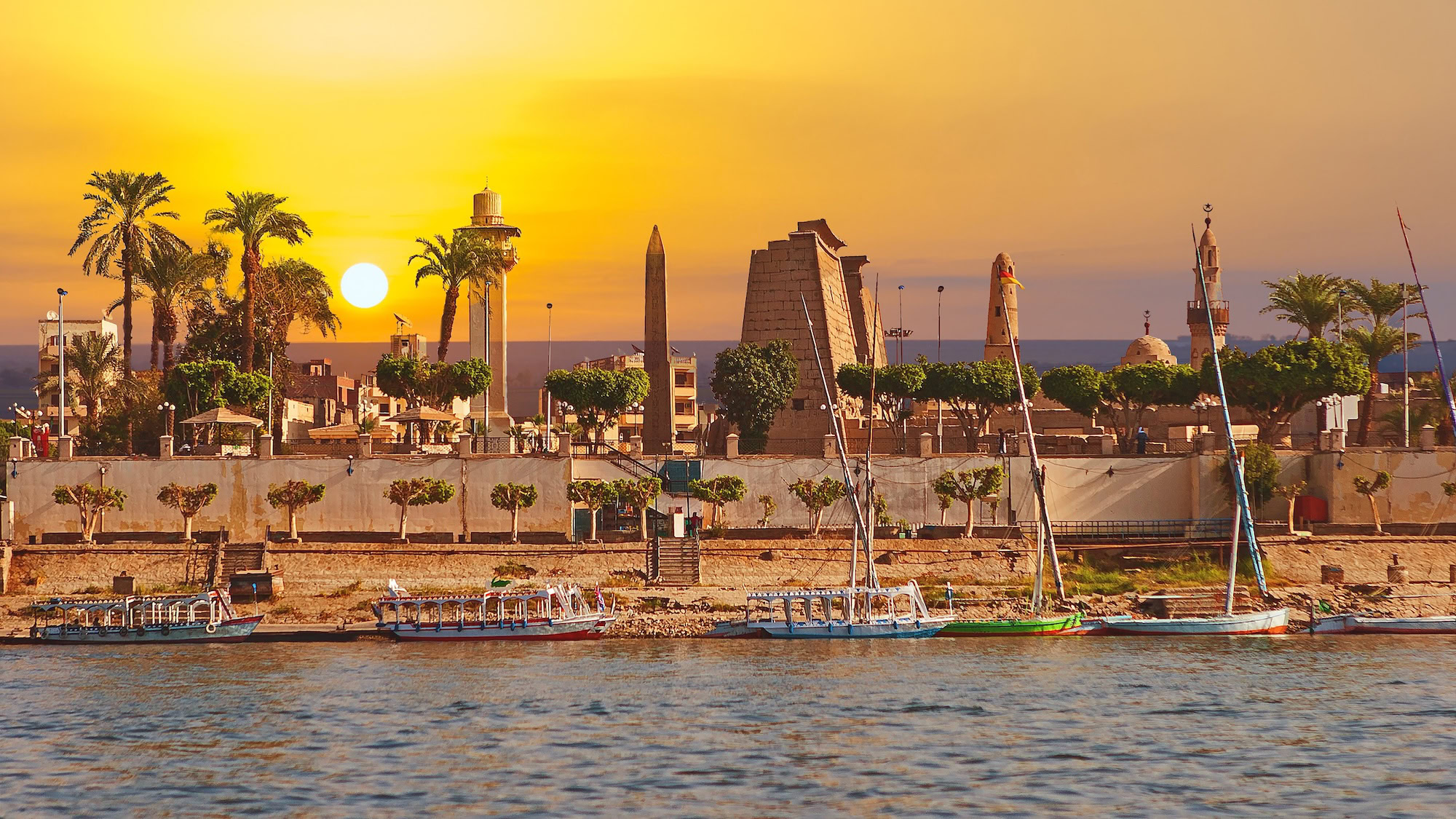
Our Egypt tours with Nile cruise packages blend the grandeur of ancient monuments with the timeless elegance of sailing along the world’s longest river. From the Great Pyramids of Giza to the temple complexes of Luxor and Aswan, you’ll experience the full breadth of Egypt’s cultural heritage while enjoying the comfort and convenience of expertly planned itineraries.
We specialize in creating seamless travel experiences that maximize your time in Egypt while ensuring you don’t miss any of the must-see destinations that make this country so extraordinary.
Essential Destinations on Every Egypt Nile Cruise Tour
Every remarkable Egypt adventure begins with understanding which destinations deliver the most profound experiences. The classic route combines Cairo’s iconic pyramids and museums with the Luxor-Aswan corridor along the Nile.
This proven itinerary ensures you experience both Egypt’s most famous monuments and its most scenic waterway. Most tours start in Cairo, where you’ll explore the Pyramids of Giza and the Great Sphinx before transitioning to your Nile cruise portion.
Pyramids and Giza Complex
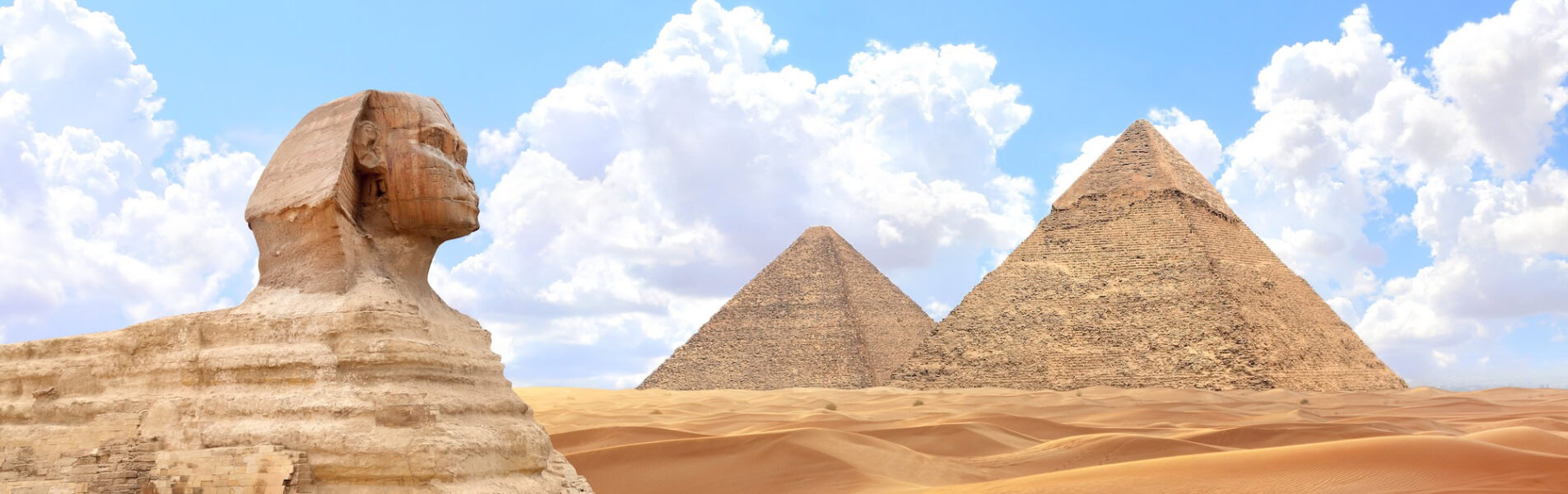
The Great Pyramids remain Egypt’s most visited attraction for good reason. Standing before these ancient wonders, you’ll understand why they’re considered one of the Seven Wonders of the Ancient World. The Great Pyramid of Khufu, built over 4,500 years ago, showcases the incredible engineering capabilities of ancient Egyptian civilization.
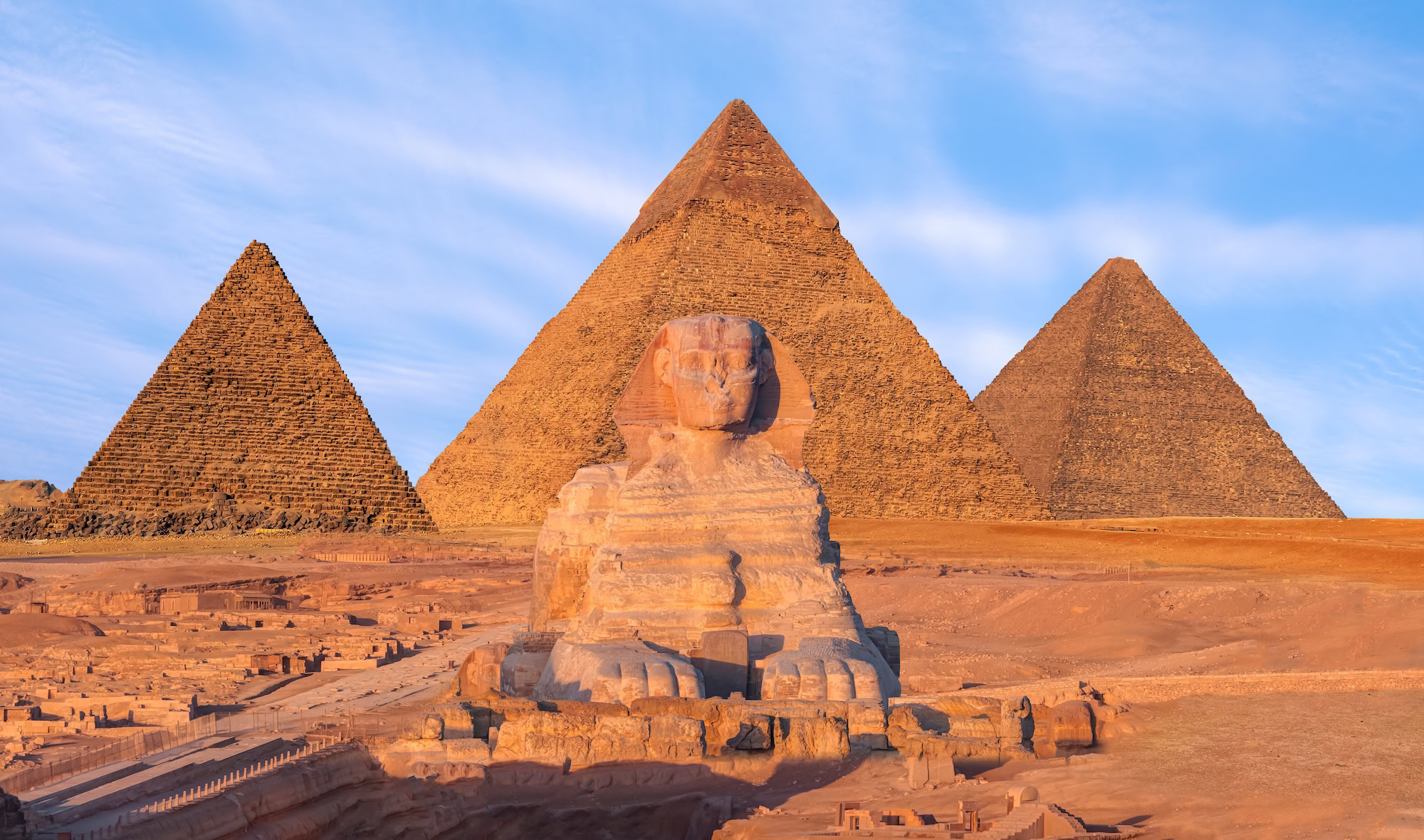
The Great Sphinx guards the complex with its enigmatic presence. Our expert Egyptologist guides provide historical context that brings these monuments to life, explaining the construction methods and religious significance that modern archaeology has uncovered.
Cairo’s Cultural Treasures
The Egyptian Museum houses the world’s most comprehensive collection of pharaonic artifacts. Tutankhamun’s golden mask and mummy collection offer intimate glimpses into royal burial practices. Khan el-Khalili bazaar provides authentic shopping experiences where you can purchase traditional crafts and spices.
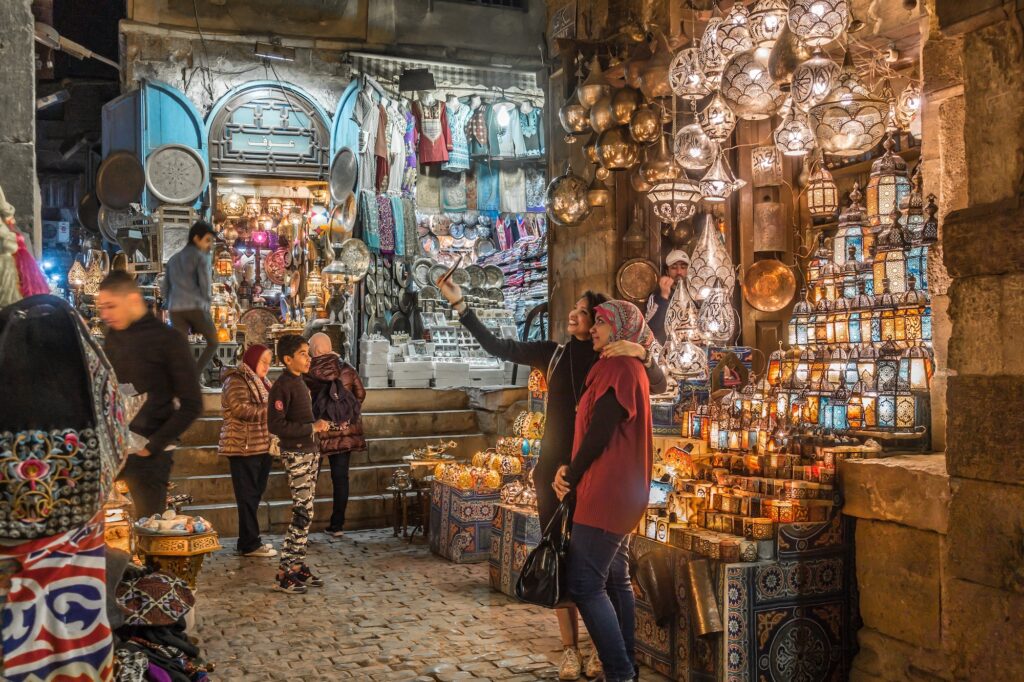
Islamic Cairo’s medieval architecture tells the story of Egypt’s Islamic period through its mosques and madrasas. These neighborhoods showcase how Egypt evolved beyond its pharaonic roots into a center of Islamic learning and culture.
The Nile Cruise Experience
Your floating hotel becomes the perfect base for exploring Upper Egypt’s archaeological treasures. Modern cruise ships offer air-conditioned comfort while maintaining traditional Egyptian hospitality. Full-board dining means you’ll taste authentic Egyptian cuisine prepared by skilled chefs.
Luxury Nile Cruises: What to Expect Aboard
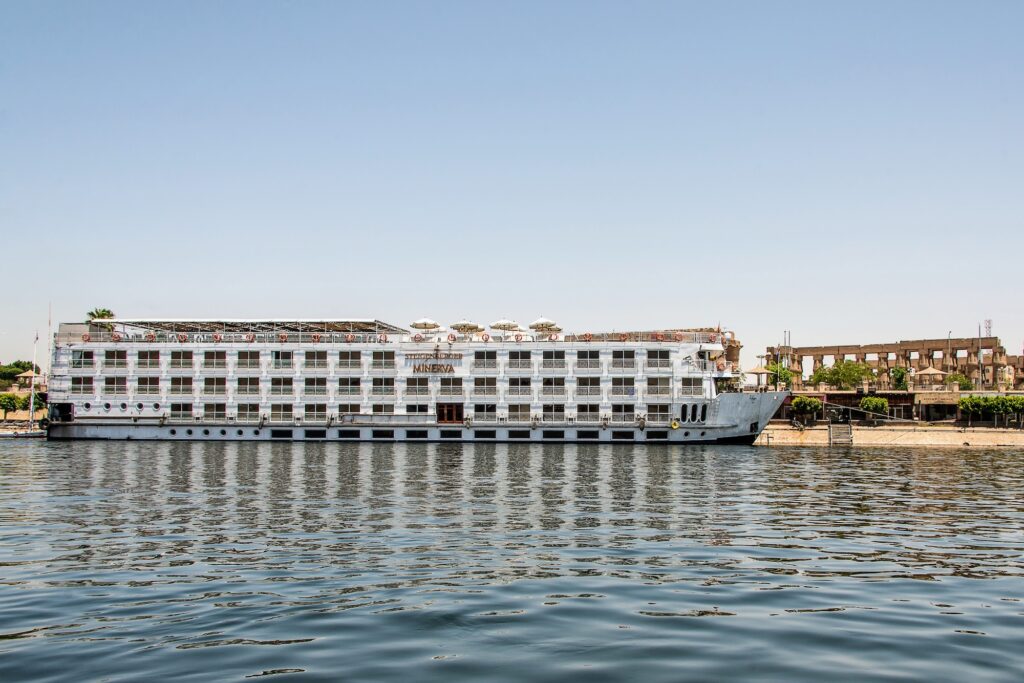
The right cruise ship transforms your Egyptian adventure from good to exceptional. Premium Nile cruises between Luxor and Aswan typically feature spacious cabins with panoramic river views, sun decks for relaxation, and elegant dining rooms serving international and Egyptian cuisine.
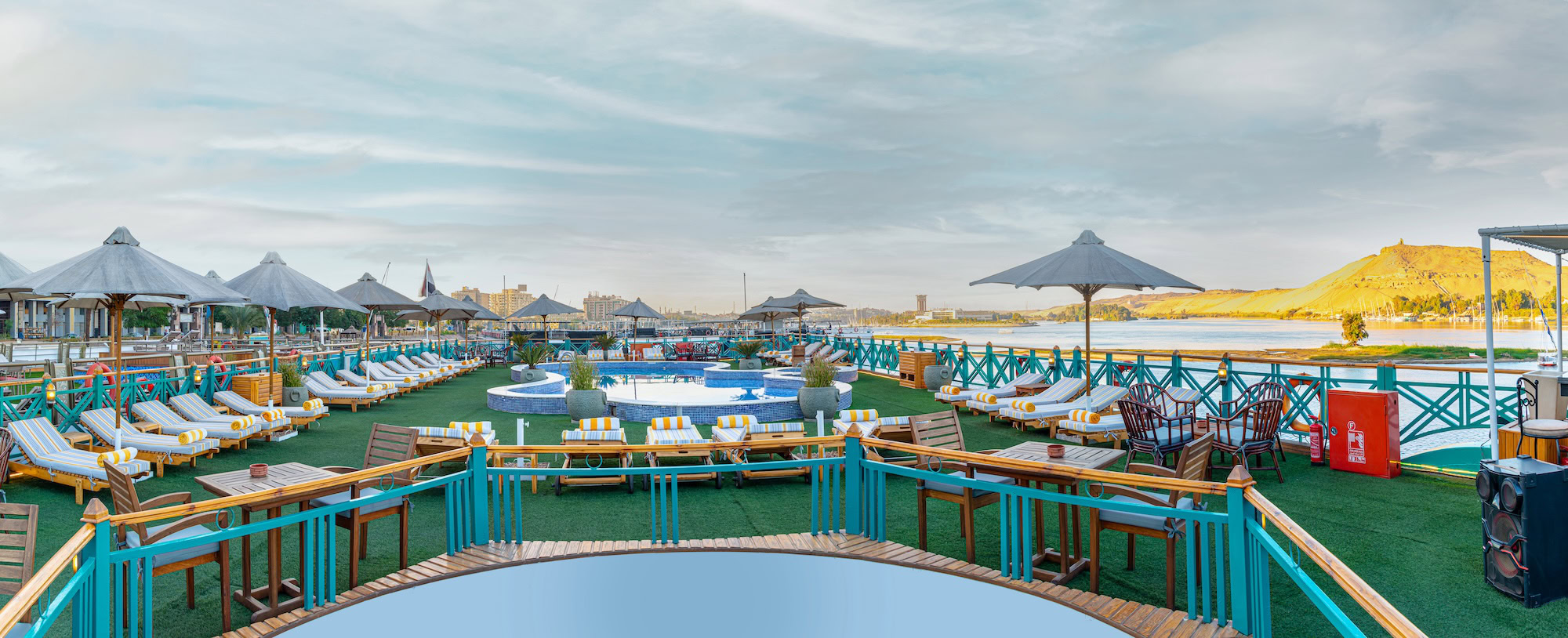
Most ships include swimming pools, spa services, and evening entertainment that ranges from traditional Nubian dance performances to classical Egyptian music. Your cruise experience includes all meals, guided shore excursions, and transportation to archaeological sites.
5-star ships maintain international hospitality standards while incorporating Egyptian design elements. Cabins feature modern amenities including air conditioning, private bathrooms, and satellite television. Common areas provide comfortable spaces for socializing with fellow travelers or simply watching the timeless scenery pass by your window.
Shore excursions operate as small group experiences with up to 12 participants, creating more intimate settings than typical large tours. This approach allows for personalized attention from your guide and more opportunities to ask questions during site visits. Professional Egyptologists accompany all excursions, providing expert commentary about the historical significance of each monument and temple complex you’ll explore.
Temple Complexes and Archaeological Wonders
Luxor: The World’s Greatest Open-Air Museum
Luxor concentrates more archaeological treasures in one location than anywhere else on Earth. The city sits on the site of ancient Thebes, which served as Egypt’s capital during the New Kingdom period when pharaonic power reached its zenith.
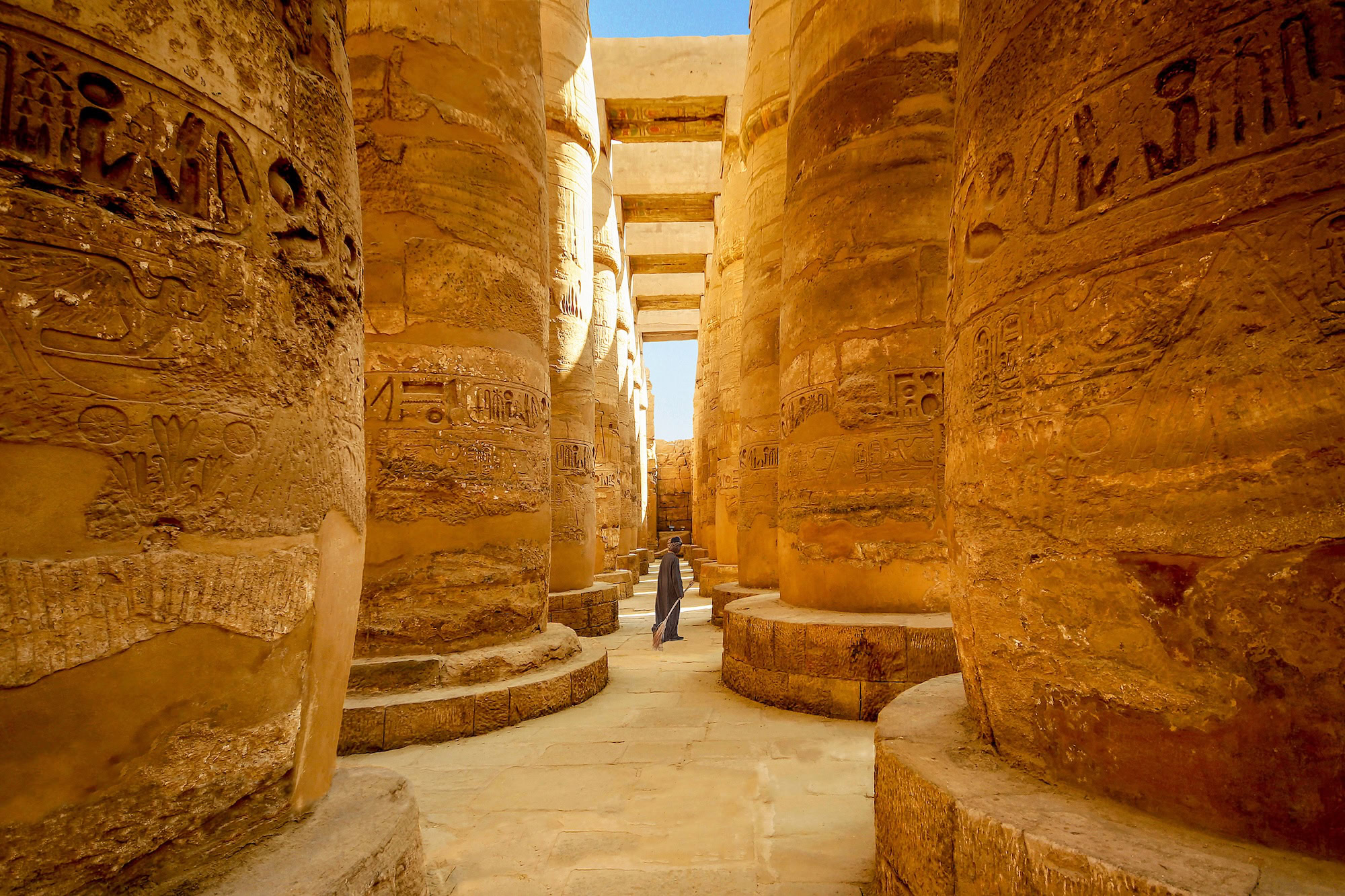
Karnak Temple Complex spans over 200 acres and took more than 2,000 years to complete. The Great Hypostyle Hall contains 134 massive columns, each one intricately carved with hieroglyphic inscriptions. Walking through this forest of stone columns provides an overwhelming sense of ancient Egypt’s architectural ambition.
Luxor Temple connects to Karnak via the Avenue of Sphinxes, a 2.7-kilometer processional route lined with over 1,000 sphinx statues. Recent restoration work has revealed the full length of this ancient pathway, allowing modern visitors to walk the same route used by pharaohs and priests thousands of years ago.
Valley of the Kings
Royal burial sites carved into limestone cliffs hide the tombs of Egypt’s most powerful rulers. Tutankhamun’s tomb, though smaller than others, contains original wall paintings and the pharaoh’s golden sarcophagus. The tomb of Ramesses VI showcases elaborate ceiling decorations depicting the journey through the underworld.
Each tomb tells unique stories through its decorative programs. Hieroglyphic texts provide instructions for navigating the afterlife, while painted scenes show the deceased pharaoh meeting various gods and goddesses. These underground galleries preserve colors and details that have survived for over 3,000 years in Egypt’s dry desert climate.
Aswan’s Nubian Heritage
The High Dam represents modern Egypt’s engineering achievements while creating Lake Nasser, one of the world’s largest artificial lakes. Philae Temple, relocated during the dam’s construction, demonstrates UNESCO’s commitment to preserving cultural heritage. The temple complex dedicated to goddess Isis showcases Ptolemaic architecture at its finest.
Abu Simbel temples, though requiring an additional excursion, rank among Egypt’s most impressive monuments. Ramesses II carved these massive structures directly into cliff faces as demonstrations of royal power. The twice-yearly solar alignment that illuminates the temple’s inner sanctuary continues to amaze visitors and archaeologists alike.
Planning Your Egypt Tour with Nile Cruise
Timing makes all the difference when experiencing Egypt’s wonders. October through April provides ideal weather conditions, with daytime temperatures ranging from 20-25°C (68-77°F). Summer months can reach 40°C (104°F), making outdoor sightseeing challenging during midday hours.
Most comprehensive tours span 8-10 days, allowing sufficient time to explore Cairo, enjoy a 3 or 4-night Nile cruise, and visit major archaeological sites without feeling rushed. This duration provides the right balance between covering essential destinations and maintaining a comfortable pace.
International flights typically arrive at Cairo International Airport, where our team manages all ground transportation arrangements. Private, air-conditioned vehicles ensure comfortable transfers between hotels, airports, and cruise terminals. Modern coaches feature experienced drivers familiar with Egypt’s road conditions and traffic patterns.
Visa requirements for U.S. visitors include obtaining a tourist visa upon arrival for $25 USD, valid for 30 days. European Union citizens receive the same visa-on-arrival privileges, while some nationalities may require advance visa applications through Egyptian consulates. We provide complete documentation guidance to ensure smooth entry procedures.
Our decades of experience in Egyptian tourism allow us to anticipate and address common travel concerns before they affect your vacation. From restaurant recommendations to shopping guidance, our local expertise ensures authentic experiences while maintaining international comfort standards.
Unique Experiences Beyond Standard Itineraries
Hot Air Balloon Adventures
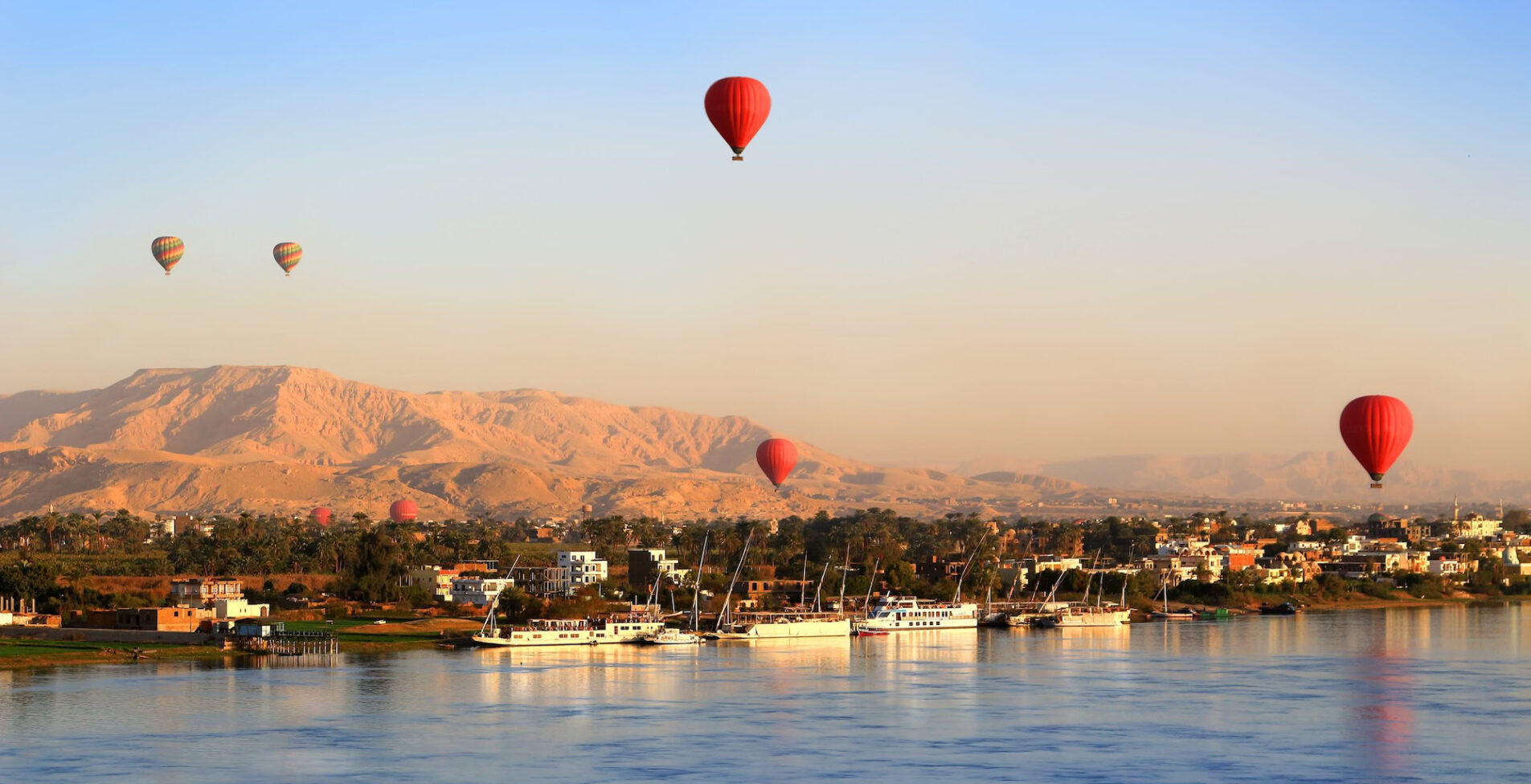
Sunrise balloon flights over Luxor’s West Bank provide unparalleled views of the Valley of the Kings and surrounding desert landscape. These early morning excursions, typically departing at 5:00 am (05:00), offer photographers golden-hour lighting across ancient monuments.
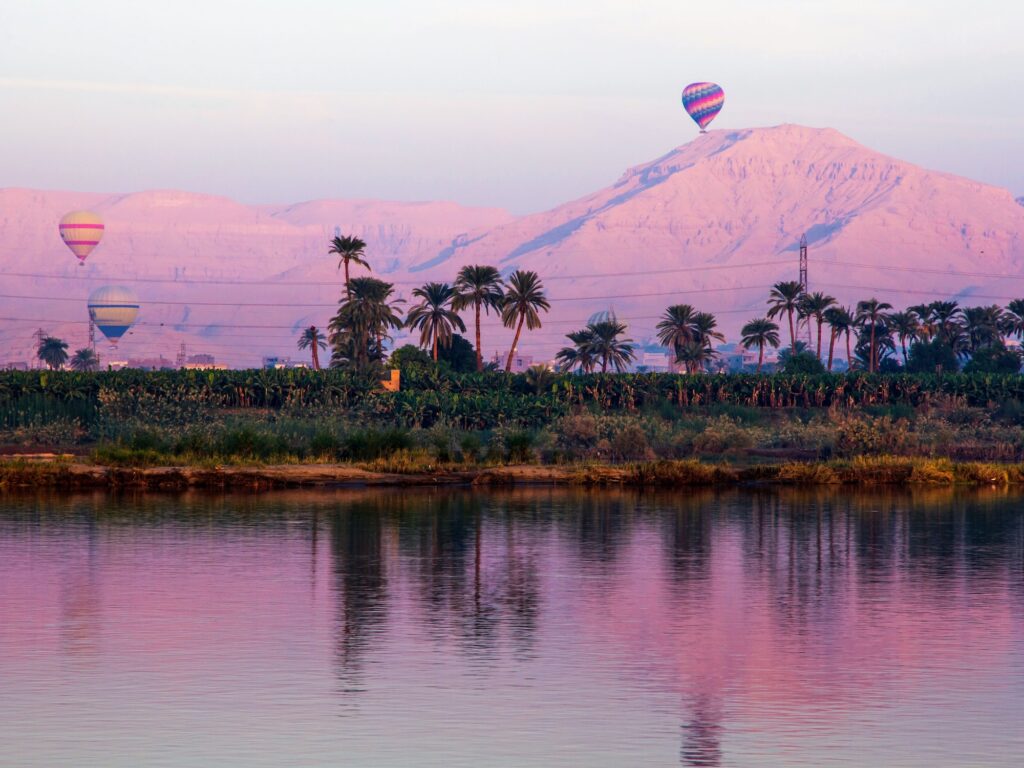
Professional pilots maintain excellent safety records while sharing aerial perspectives that ground-level visits cannot provide.
Specialized Cruise Options
Dahabiya boats offer boutique sailing experiences with just 8-12 passengers aboard traditional-style vessels. These smaller ships access narrower sections of the Nile and provide more personalized service than standard cruise ships. Lake Nasser cruises extend beyond Aswan to Abu Simbel and other Nubian monuments, though these longer itineraries require additional time commitments.
Extended Regional Explorations
Jordan extensions allow visits to Petra and the Dead Sea, creating comprehensive Middle Eastern cultural experiences. Alexandria day trips from Cairo showcase Mediterranean Egypt with its Greco-Roman heritage and modern seaside atmosphere. Red Sea resort additions provide relaxing beach time after intensive sightseeing programs.
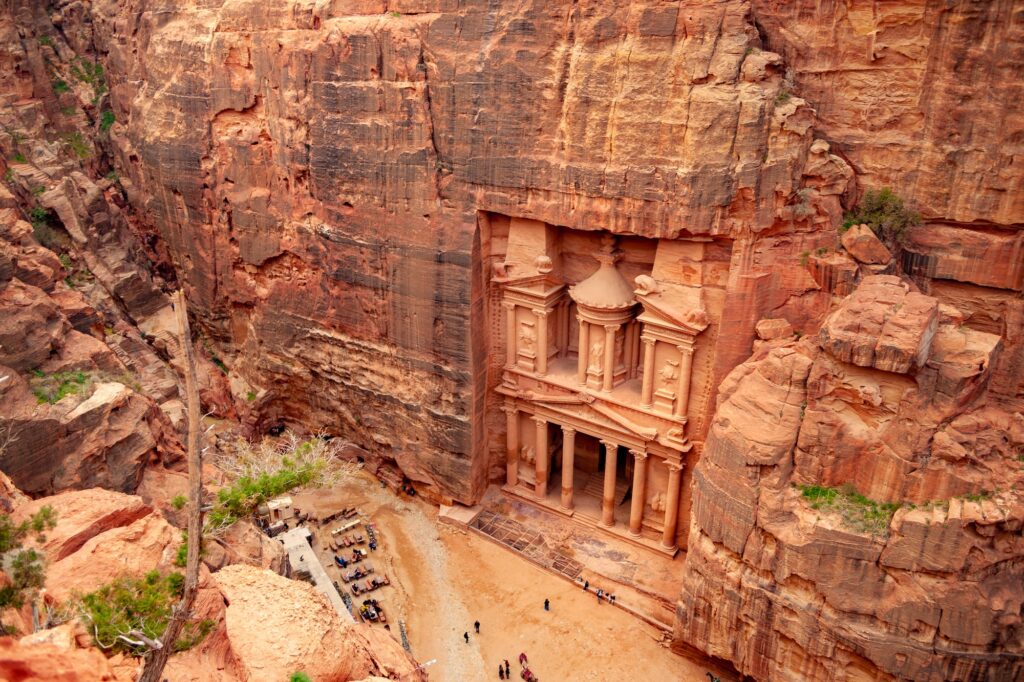
For travelers looking to extend their journey beyond Egypt, our private Egypt and Jordan tours offer a seamless way to combine iconic destinations into one unforgettable itinerary.
Practical Considerations for Your Journey
Egyptian cuisine blends Mediterranean and Middle Eastern flavors with local ingredients. Most cruise ships accommodate dietary restrictions including vegetarian, halal, and kosher requirements when arranged in advance. Hotel restaurants in Cairo and other cities offer international options alongside traditional Egyptian dishes.
Currency exchange works best using U.S. dollars or Euros, which banks and hotels readily accept. ATMs are widely available in major cities, though rural areas may have limited access. Credit cards work in upscale establishments, but cash remains essential for local purchases and gratuities.
Shopping opportunities range from high-end boutiques in Cairo’s modern districts to traditional bazaars selling handcrafted goods. Papyrus, cotton textiles, and precious metals represent authentic Egyptian craftsmanship. Our guides provide shopping recommendations and assist with price negotiations in traditional markets.
Photography policies vary by location, with additional fees required inside certain tombs and museums. Most archaeological sites permit general photography, though flash photography and tripods may be restricted. Professional camera equipment sometimes requires special permits, which we can arrange in advance.
Our award-winning service includes 24/7 customer support throughout your Egyptian adventure. Private guides and personal drivers ensure personalized attention while modern vehicles provide reliable transportation. Tailored itineraries accommodate special interests and physical requirements, creating vacation experiences perfectly matched to your preferences.
Discover how effortless and personalized your journey can be with our expertly designed Egypt tour packages.
Practical FAQs: What to Pack, Budget & Travel Tips for Your Egypt Tour with Nile Cruise
What should I pack for an Egypt tour?
Lightweight, modest clothing, sun protection, comfortable walking shoes, and layers for air-conditioned spaces.
Do I need vaccinations for Egypt travel?
No special vaccinations required for most travelers, though consulting travel medicine specialists is recommended.
How much should I budget for gratuities?
$5-7 USD per person per day for cruise staff, plus individual tips for guides and drivers.
Can dietary restrictions be accommodated?
Most hotels and cruise ships handle vegetarian, halal, kosher, and other dietary needs with advance notice.
What’s the dress code for temple visits?
Modest clothing covering shoulders and knees required; comfortable walking shoes essential for uneven surfaces.
Are photography fees expensive at archaeological sites?
Photography tickets typically cost $2-10 USD per location, with additional fees for professional equipment.
How reliable is internet connectivity during the cruise?
Most modern ships offer WiFi in common areas, though speeds may be slower than hotel connections.
Design Your Custom Tour
Explore Egypt your way by selecting only the attractions you want to visit