Tailor-Made Trips with Local Experts
Private Egypt Tours from Australia
Travel to Egypt with complete peace of mind. We design private, tailor-made Egypt tours for Australians, combining expert local guides, seamless logistics, and flexible itineraries built entirely around you.
Egypt Tours From Australia: Your Guide to a Seamless Journey
Australia feels worlds away from Egypt’s ancient pyramids and bustling bazaars. Yet connecting these distant lands has never been easier, with major airlines offering convenient routes that transform a 22-hour journey into the adventure of a lifetime.
We’ve guided countless Australian travelers through Egypt’s archaeological treasures, from the Great Pyramid of Giza to the tranquil temples of Luxor. Whether you’re drawn to luxury Nile cruises, Red Sea diving expeditions, or intimate encounters with 5,000-year-old history, Egypt delivers experiences that surpass every expectation.
Planning your Egyptian adventure requires understanding the unique considerations Australian travelers face. Currency exchange, visa requirements, and seasonal timing all play crucial roles in creating your perfect journey.
Why Australian Travelers Choose Egypt
Egypt captures Australian imaginations like few destinations can. The contrast between Australia’s relatively young history and Egypt’s millennia-old civilization creates an irresistible draw for travelers seeking something truly extraordinary.
Direct Flight Connections Made Simple
Emirates and Qatar Airways provide the most reliable connections from major Australian cities. Both airlines offer seamless transfers through Dubai and Doha respectively, with total travel times ranging from 18-22 hours depending on your departure city. Perth enjoys the shortest journey times, while Melbourne and Sydney travelers typically face longer connections.
Modern aircraft and premium service standards make these long-haul flights surprisingly comfortable. Many Australian travelers use the journey time to adjust gradually to Egypt’s time zone, arriving refreshed and ready to explore.
Best Travel Seasons
October through April offers Egypt’s most pleasant weather conditions. Daytime temperatures hover around 77-86°F (25-30°C), perfect for exploring outdoor archaeological sites without the intense summer heat. This timing also aligns well with Australia’s warmer months, allowing travelers to escape their own summer for Egypt’s comfortable winter season.
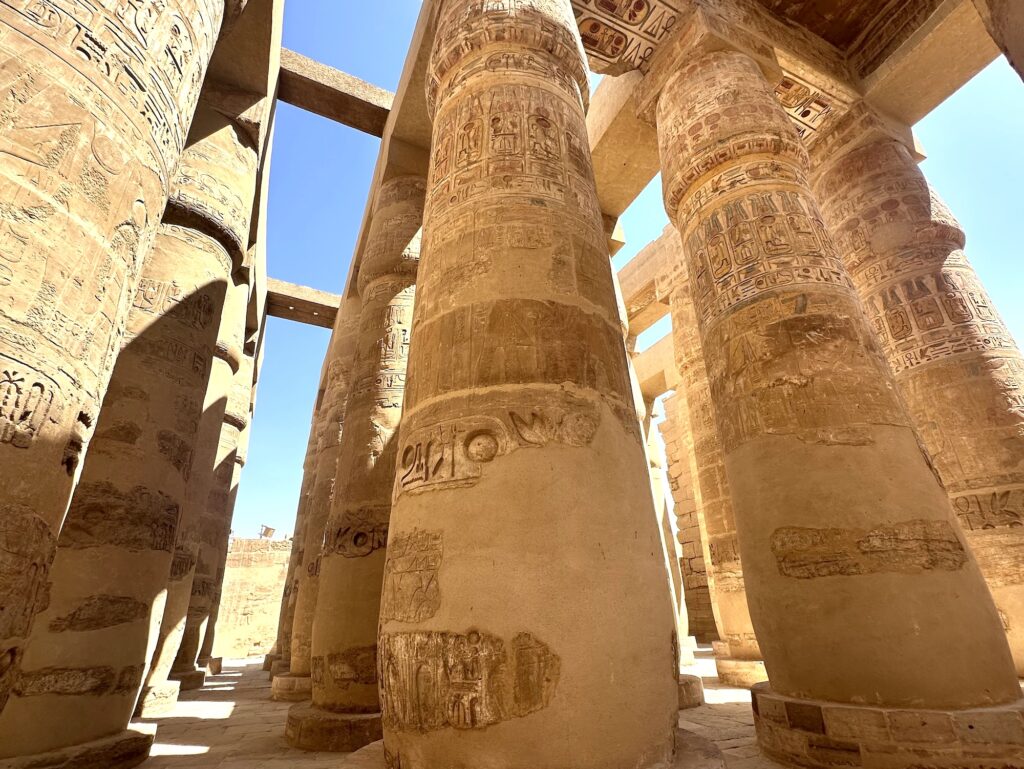
December through February represents peak season, when Australian summer holidays coincide with Egypt’s ideal weather. Book accommodations and tour packages well in advance during these months to secure the best options.
Visa Requirements Simplified
Australian citizens need a tourist visa for Egypt, easily obtained online through Egypt’s official e-visa system. The process takes 3-5 business days and costs approximately $25 USD. U.S. travelers follow the same process, while European Union citizens can often obtain visas on arrival. Latin American travelers should check specific requirements based on their country of origin, as policies vary.
We recommend applying for your e-visa at least two weeks before departure to avoid any last-minute complications. Your passport must have at least six months validity remaining and two blank pages for entry stamps.
Essential Egypt Experiences
Giza Pyramids and Sphinx
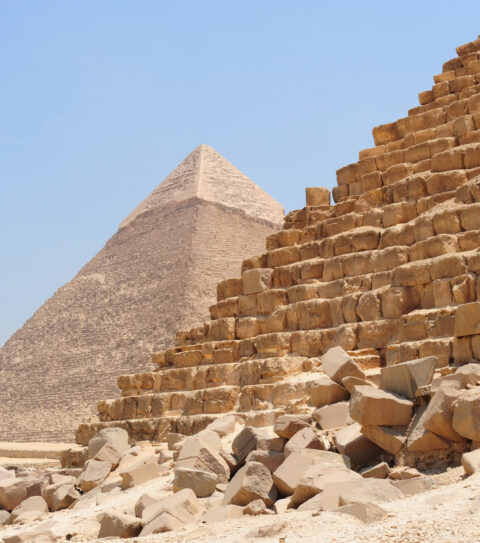
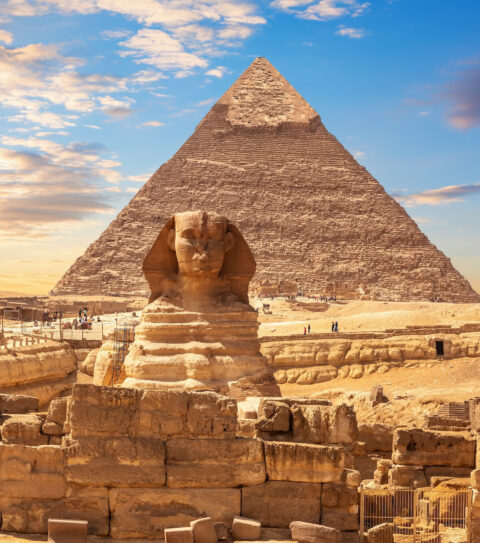
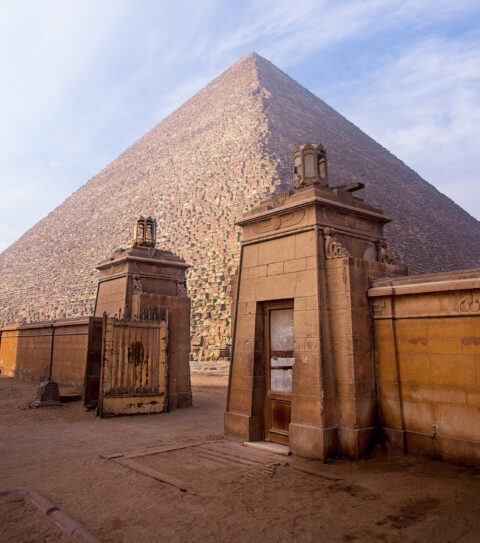
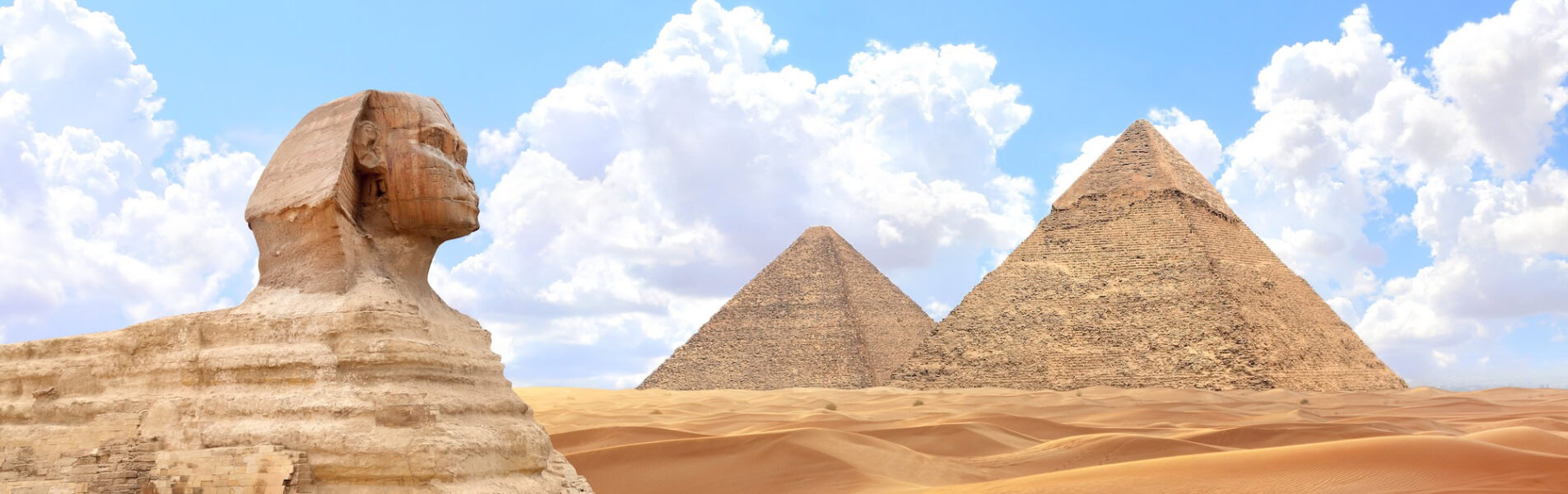
Standing before the Giza Pyramids transforms every traveler. These monuments predate Australian colonization by over 4,000 years, offering perspective impossible to grasp until you’re physically present. The Sphinx guards these ancient tombs with the same enigmatic expression that has captivated visitors for millennia.
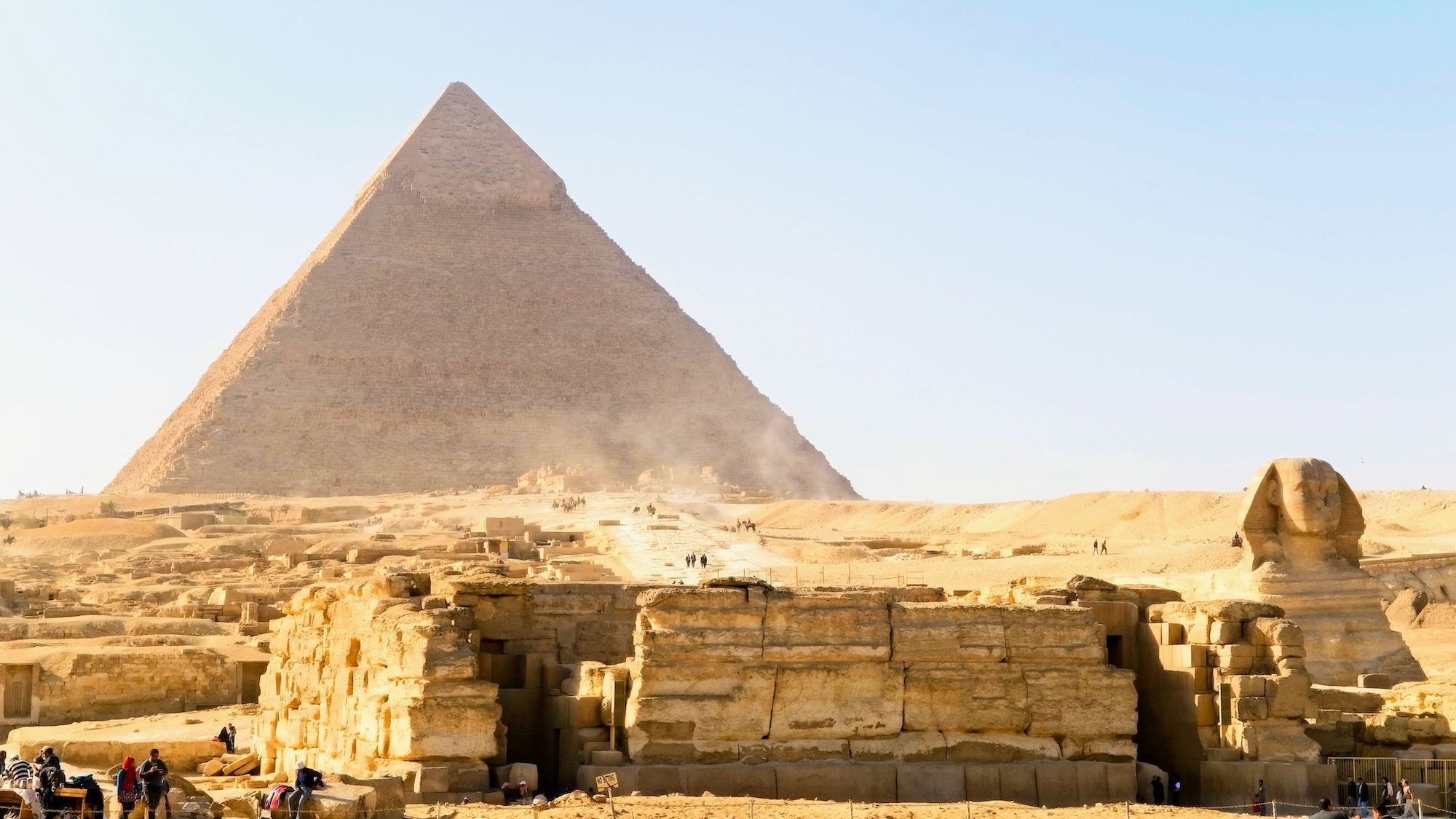
Professional guides enhance this experience immeasurably. They unlock stories and architectural secrets that transform stone blocks into windows to ancient Egyptian civilization. Private tours allow Australian travelers to explore at their own pace, avoiding the crowds that can diminish these sacred moments.
World-Class Egyptian Museums
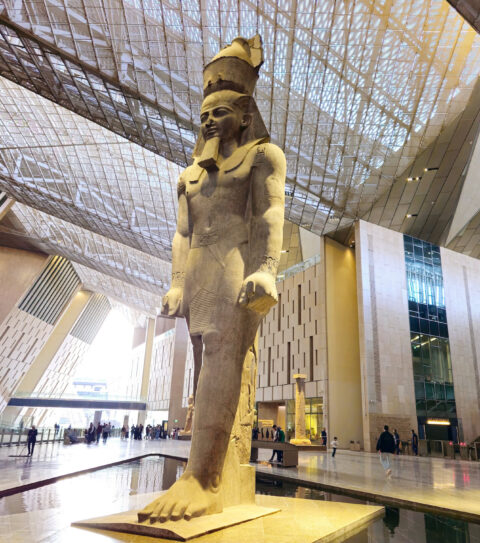
Cairo is now home to two of the world’s most important museums dedicated to ancient Egyptian civilisation. The Grand Egyptian Museum (GEM) near the Giza Pyramids showcases Egypt’s heritage on an unprecedented scale, including the complete Tutankhamun collection, displayed together for the first time in history within a state-of-the-art setting.
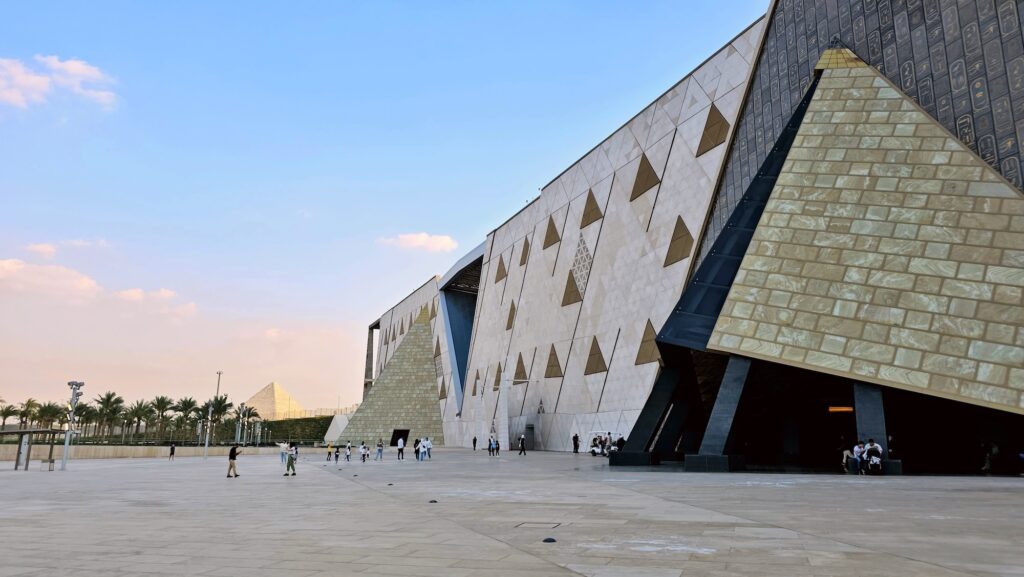
Complementing this is the National Museum of Egyptian Civilization (NMEC), best known for its breathtaking Royal Mummies Hall, where Egypt’s most powerful pharaohs are presented in a chronological, immersive journey through time. Together, GEM and NMEC offer a deeper, clearer understanding of Egypt’s 3,000-year story—an experience that truly comes to life when explored with an expert private guide who can connect the artifacts, dynasties, and historical context.
Luxury Nile Cruise Adventures
Nothing compares to watching Egypt’s timeless landscapes unfold from the deck of a luxury Nile cruise. These floating hotels combine comfort with convenience, allowing travelers to visit multiple archaeological sites while unpacking only once.
Traditional routes connect Luxor and Aswan over four days and three nights. Ships dock directly at temple sites, eliminating long bus transfers and maximizing time for exploration. Evening entertainment often features traditional Egyptian music and dance performances under starlit skies.
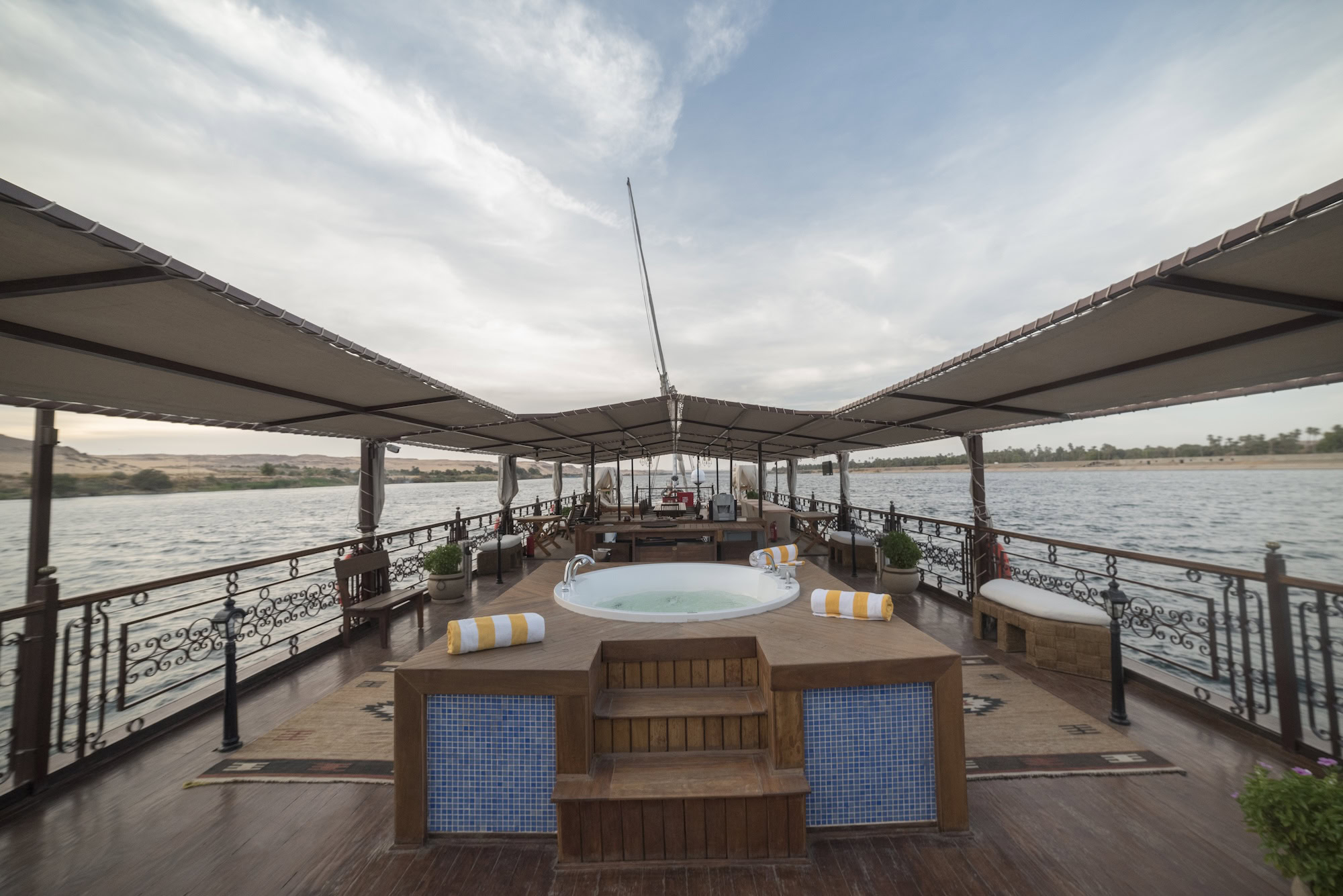
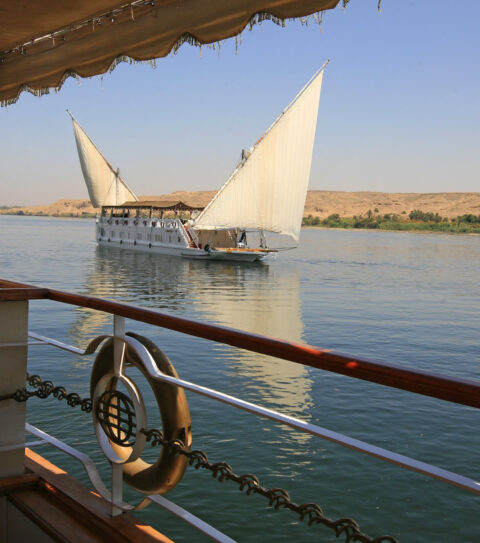
For travelers seeking a more intimate and refined way to experience the Nile, a Dahabiya cruise offers a truly special alternative. These elegant, traditional sailing boats carry only a small number of guests, allowing for a quieter, more personal journey between Luxor and Aswan—often stopping at lesser-visited sites inaccessible to larger cruise ships.
Luxor’s Archaeological Treasures
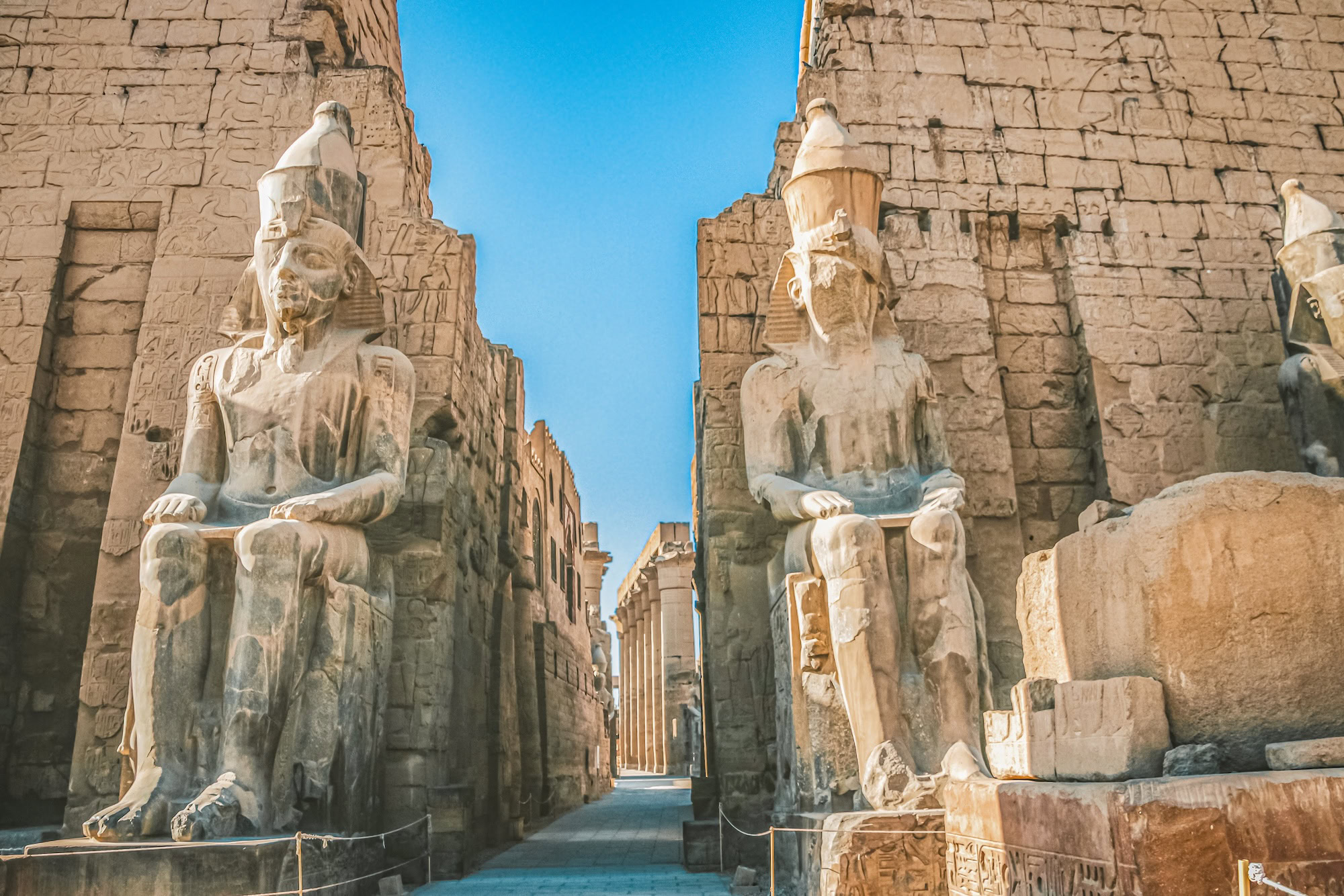
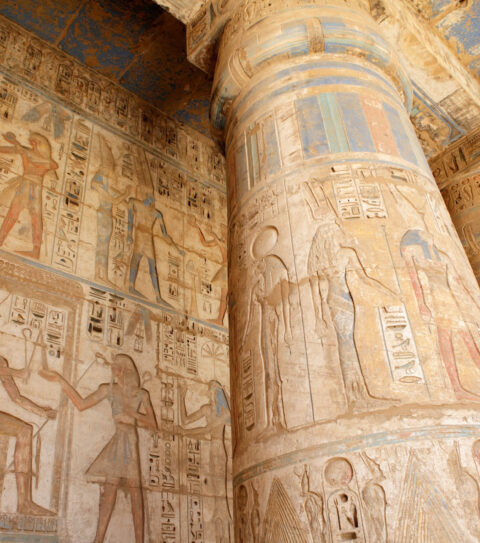
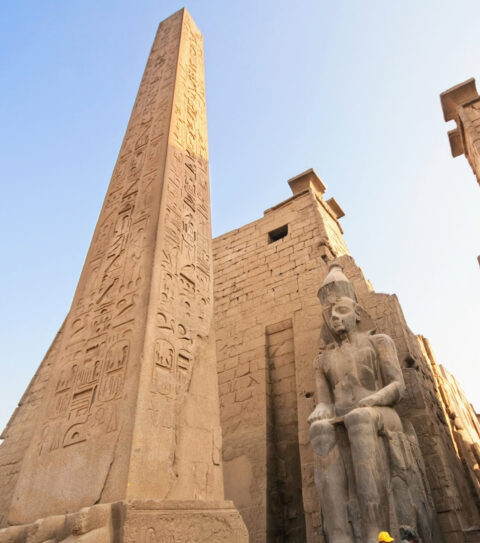
Luxor concentrates more ancient monuments than perhaps any city on Earth. The Valley of the Kings, where pharaohs were buried in elaborate tombs, lies just across the Nile from the massive Karnak and Luxor temples. Each site reveals different aspects of ancient Egyptian beliefs about death, afterlife, and divine kingship.
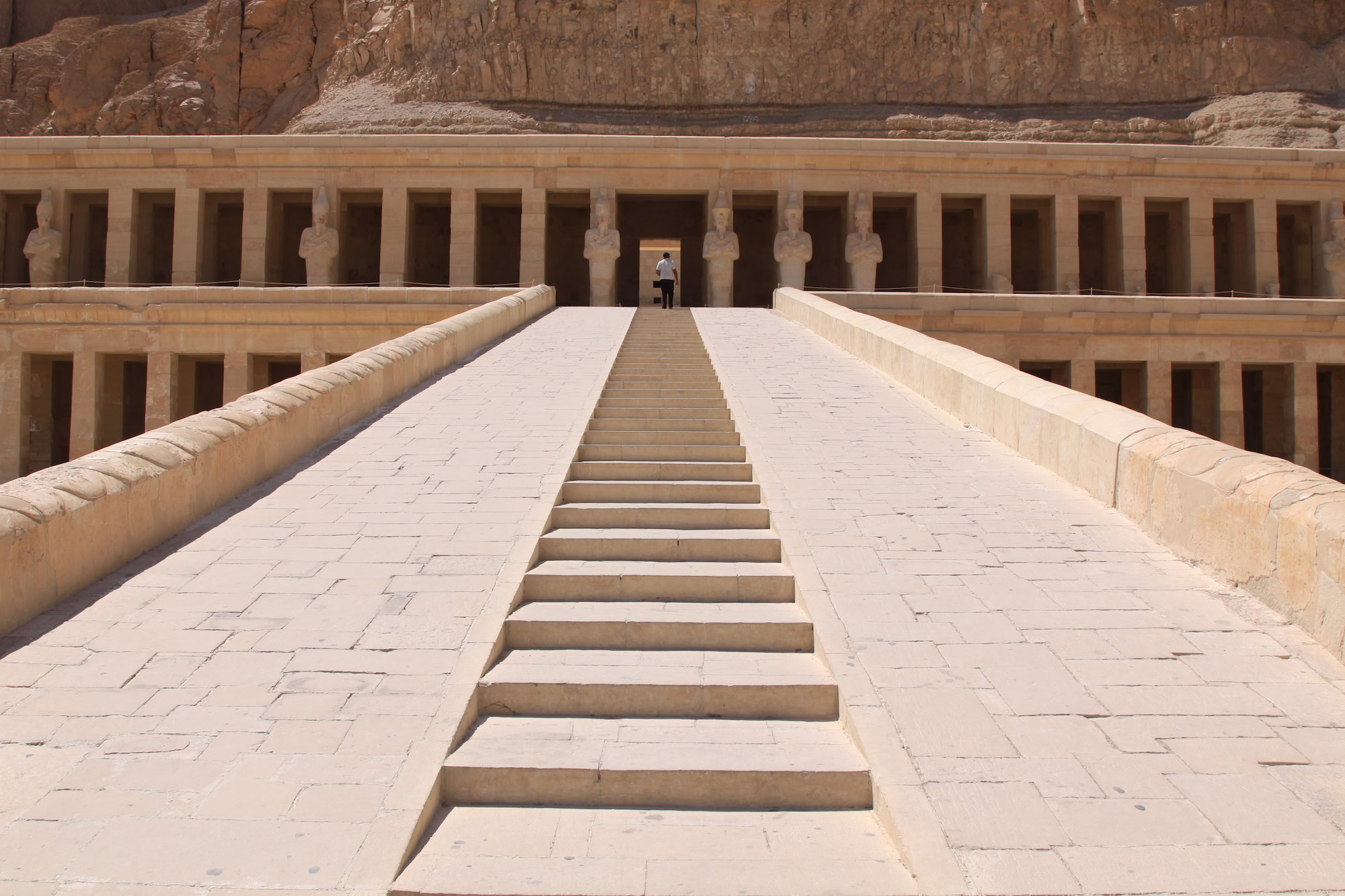
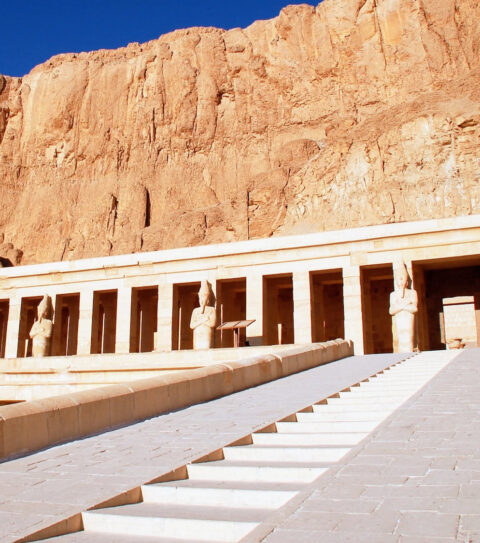
Hatshepsut’s Temple demonstrates that female pharaohs left their own architectural legacies. This remarkable woman ruled Egypt for over 20 years, commissioning one of the most elegantly designed temples in the ancient world. Her story challenges many assumptions about ancient civilizations and women’s roles within them.
Aswan’s Nubian Culture
Aswan offers a gentler pace than Cairo’s intensity. Here, Nubian communities maintain cultural traditions that predate ancient Egypt itself. Visiting a traditional Nubian village provides insights into how local communities adapted to the Nile’s rhythms across millennia.
The Philae Temple, relocated stone by stone to save it from flooding, demonstrates modern Egypt’s commitment to preserving its ancient heritage. This temple dedicated to the goddess Isis continued functioning long after other Egyptian temples fell silent, serving as the last stronghold of ancient Egyptian religion.
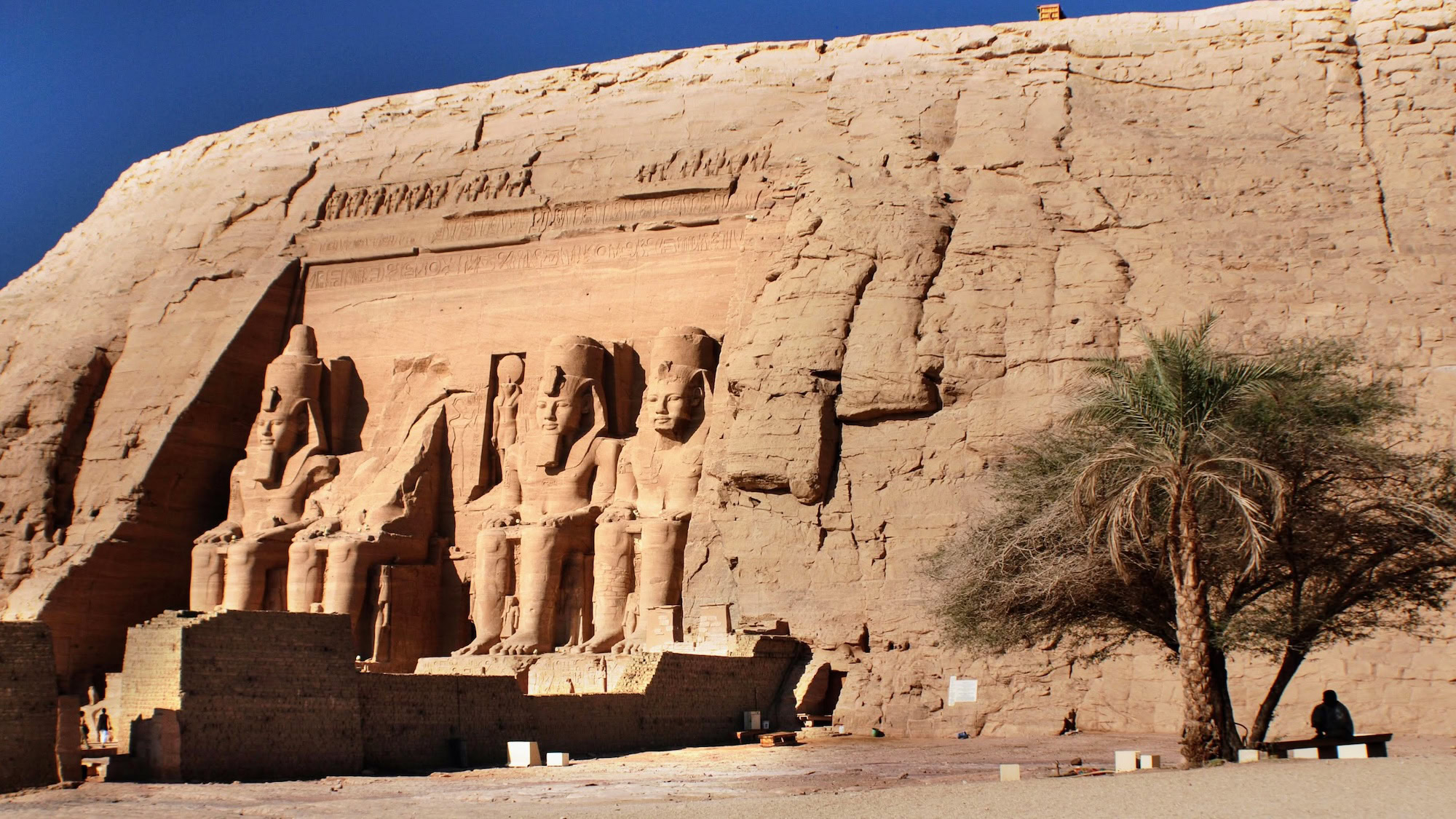
Abu Simbel represents the pinnacle of ancient Egyptian engineering and artistic achievement. Though technically requiring a separate excursion from Aswan, these massive temples carved directly from living rock showcase Ramesses II’s determination to demonstrate Egyptian power to neighboring Nubia.
Red Sea Coastal Escapes
Egypt’s Red Sea coast provides the perfect counterbalance to intensive archaeological exploration. Crystal-clear waters, vibrant coral reefs, and modern resort facilities offer relaxation after days spent exploring ancient sites. Unwind after Egypt’s iconic sights with crystal-clear waters, vibrant coral reefs, and luxury resorts on our carefully curated Red Sea holidays.
Hurghada appeals to travelers seeking variety within their Egyptian adventure. World-class diving and snorkeling reveal underwater ecosystems as spectacular as any land-based attraction. The Red Sea’s unique position between Africa and Arabia creates marine biodiversity found nowhere else on Earth. Many Australian travelers compare the coral quality favorably to parts of the Great Barrier Reef.
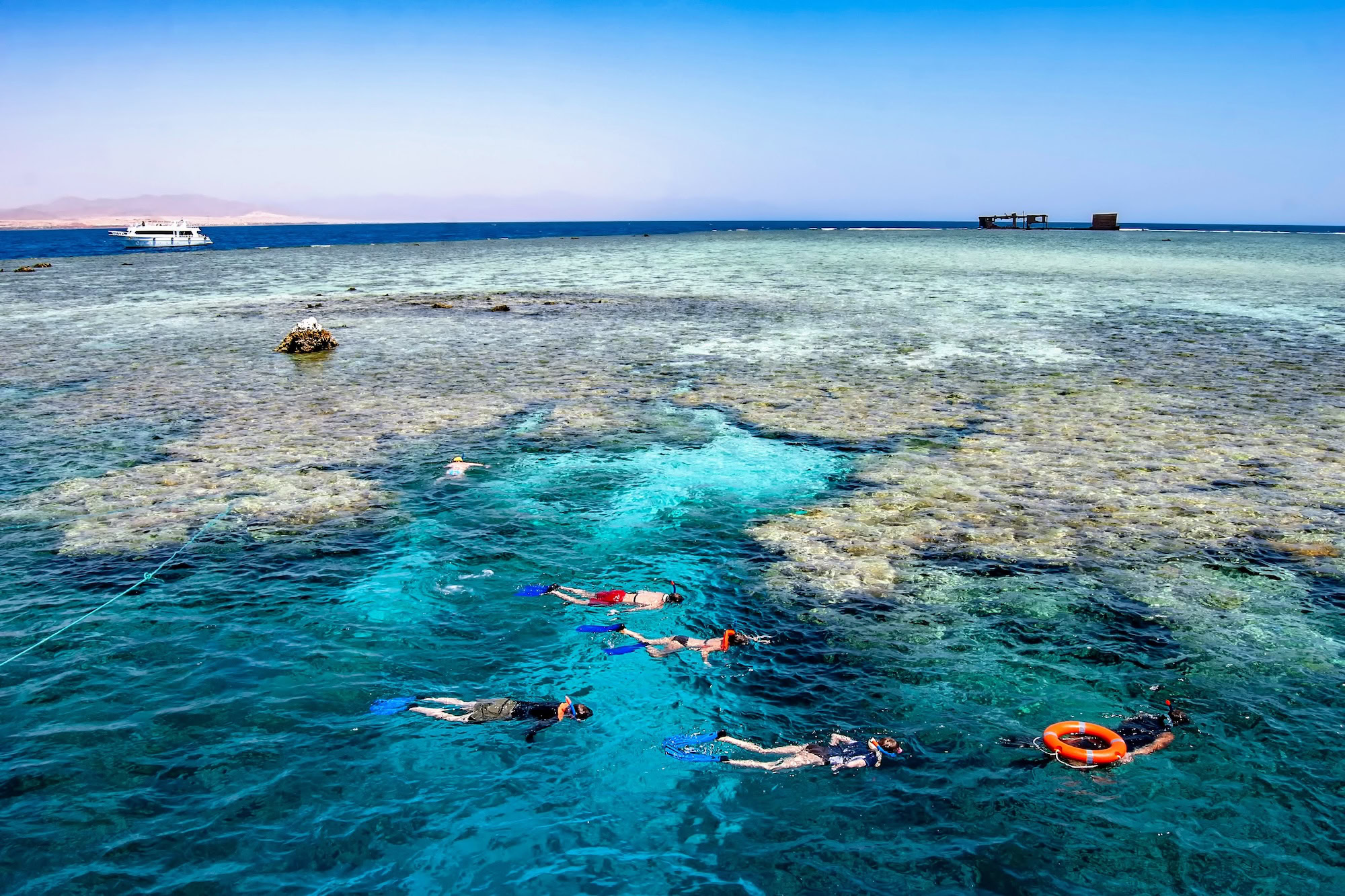
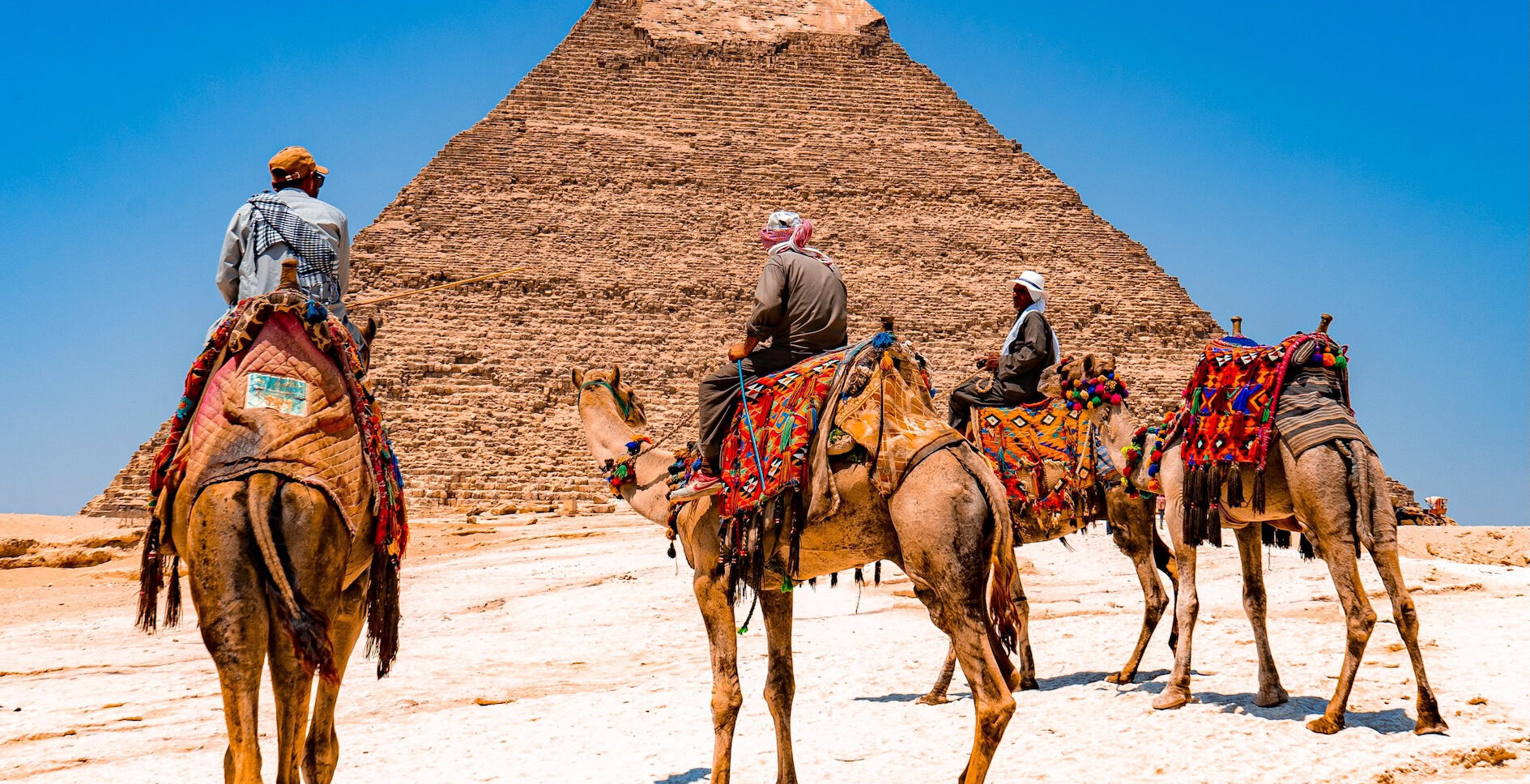
Desert safari excursions from coastal resorts provide yet another perspective on Egypt’s natural diversity. Riding camels across sand dunes or exploring Bedouin communities adds adventure elements to more relaxed beach time.
Sharm El Sheikh, located on the Sinai Peninsula, offers similar activities with slightly different geographic character. The dramatic contrast between desert mountains and turquoise seas creates landscapes unlike anything found in Australia. Mount Sinai, revered by multiple religions as the site where Moses received the Ten Commandments, provides spiritual significance alongside natural beauty.
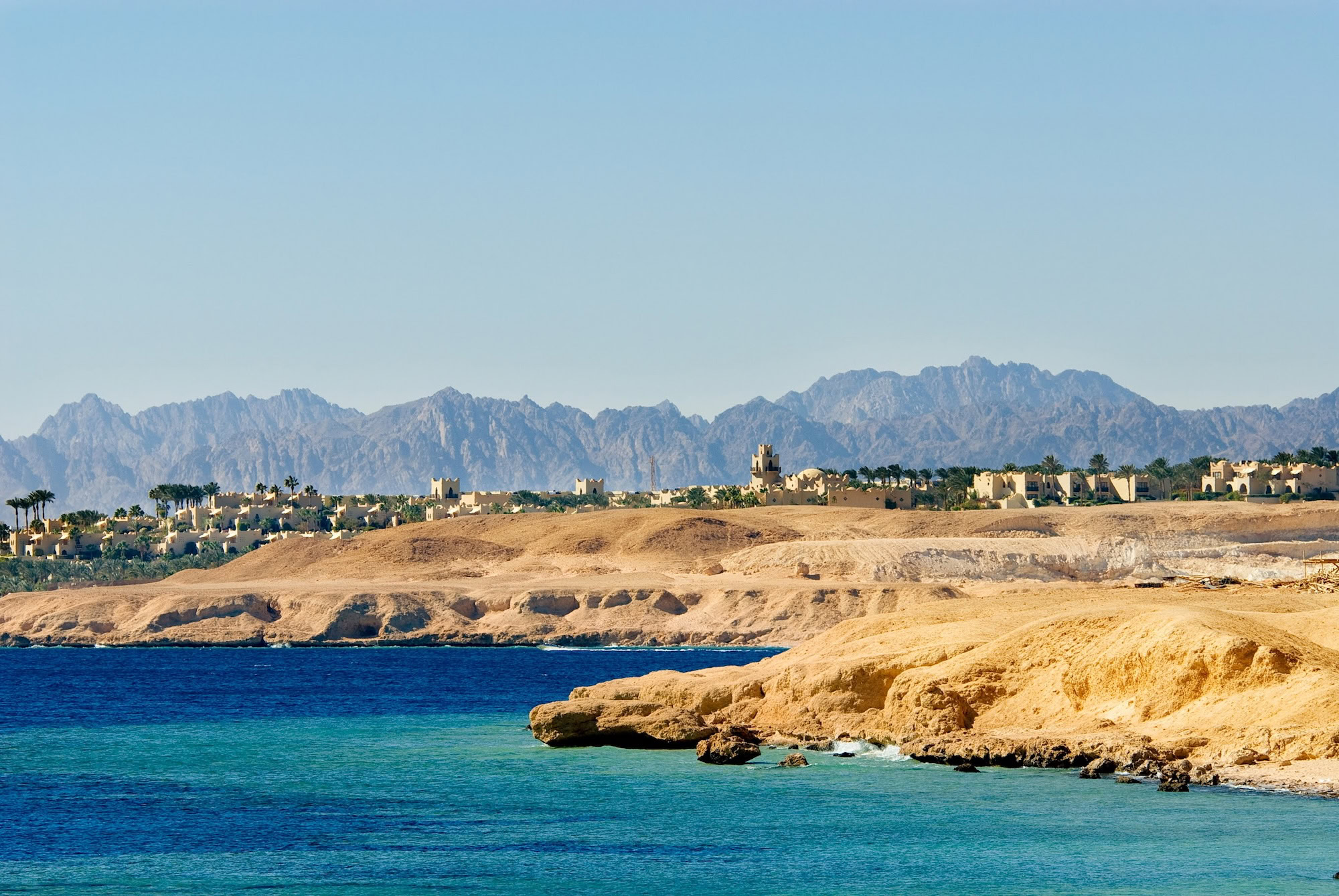
Beach time becomes especially valuable after intensive sightseeing in Cairo or during Nile cruise excursions. The Red Sea’s consistently warm temperatures allow swimming year-round, though October through April provides the most comfortable conditions for both water and land activities.
Practical Considerations
Currency and Payment Methods
Egypt’s currency, the Egyptian pound (EGP), fluctuates against the Australian dollar but generally offers excellent value for travelers. Major hotels, restaurants, and tour operators accept credit cards, though carrying cash proves useful for smaller purchases and tipping.
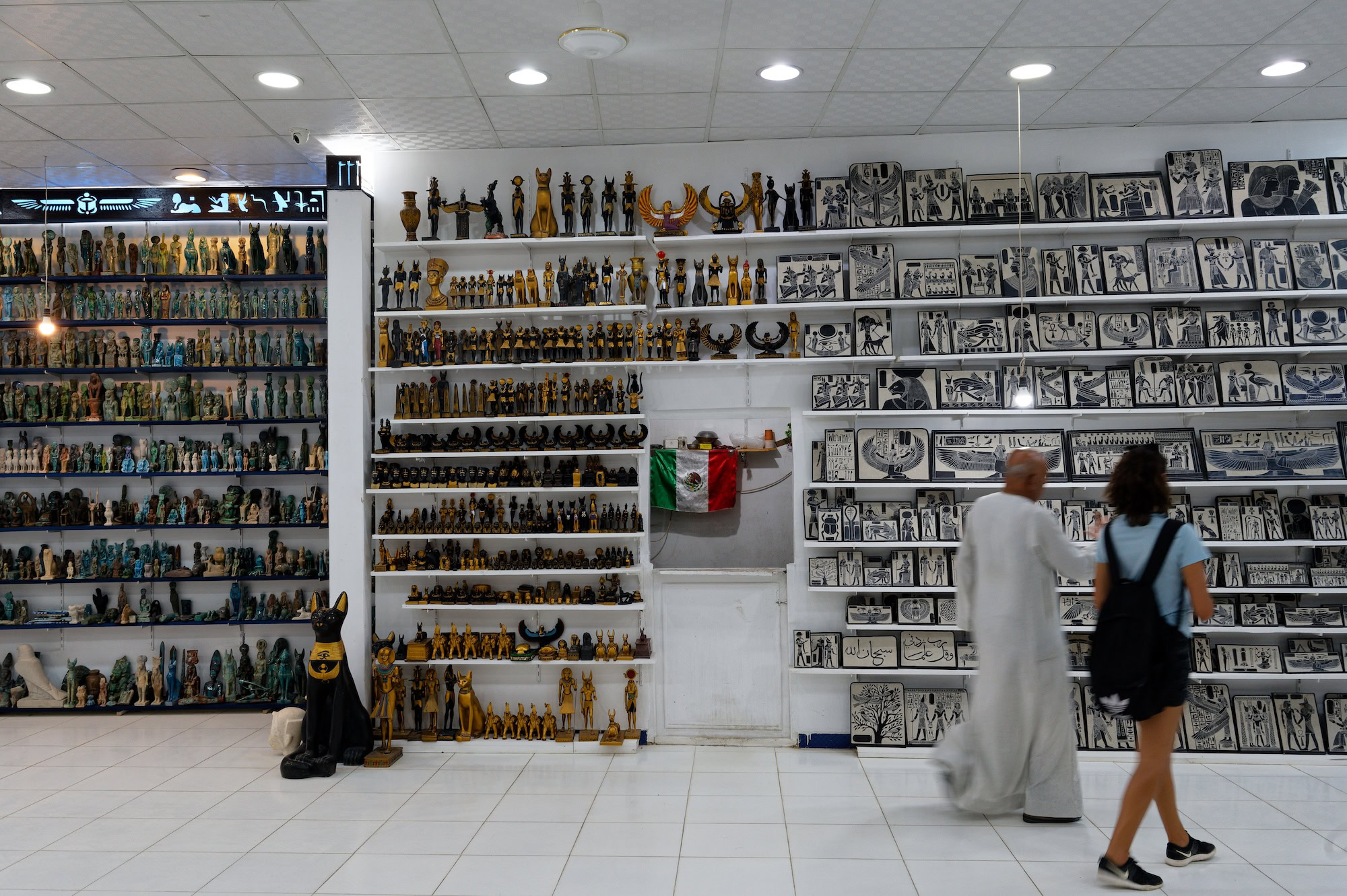
ATMs operate reliably in tourist areas, though notify your Australian bank of travel plans to avoid card blocks. US dollars remain widely accepted and sometimes preferred for larger transactions like tour payments or hotel bills.
Health and Safety Guidelines
Egypt requires no specific vaccinations for Australian travelers, though ensuring routine vaccinations remain current is recommended. Tap water should be avoided in favor of bottled water, readily available everywhere. Most hotels provide complimentary bottled water, and restaurants in tourist areas maintain high hygiene standards.
Travel insurance covering medical evacuation provides peace of mind, though Egypt’s medical facilities in major cities meet international standards. Tourist police maintain visible presence at major attractions, and crime against tourists remains rare.
Cultural Sensitivity Tips
Egyptian society balances ancient traditions with modern perspectives. Modest dress shows respect, particularly when visiting religious sites. Covering shoulders and knees applies to both men and women, though requirements become more relaxed at Red Sea resorts.
Photography restrictions exist at certain sites, particularly inside tombs and museums. Always ask permission before photographing people, and be prepared to offer small tips for posed photos with locals. Ramadan affects restaurant hours and some activities, though tourist facilities generally continue operating normally. The atmosphere during this holy month offers unique cultural insights for respectful visitors.
Customizing Your Egyptian Adventure
Egypt accommodates every travel style and budget. Luxury travelers enjoy world-class accommodations, private guides, and exclusive access to certain sites. The Old Winter Palace in Luxor and the Four Seasons in Cairo exemplify the premium options available.
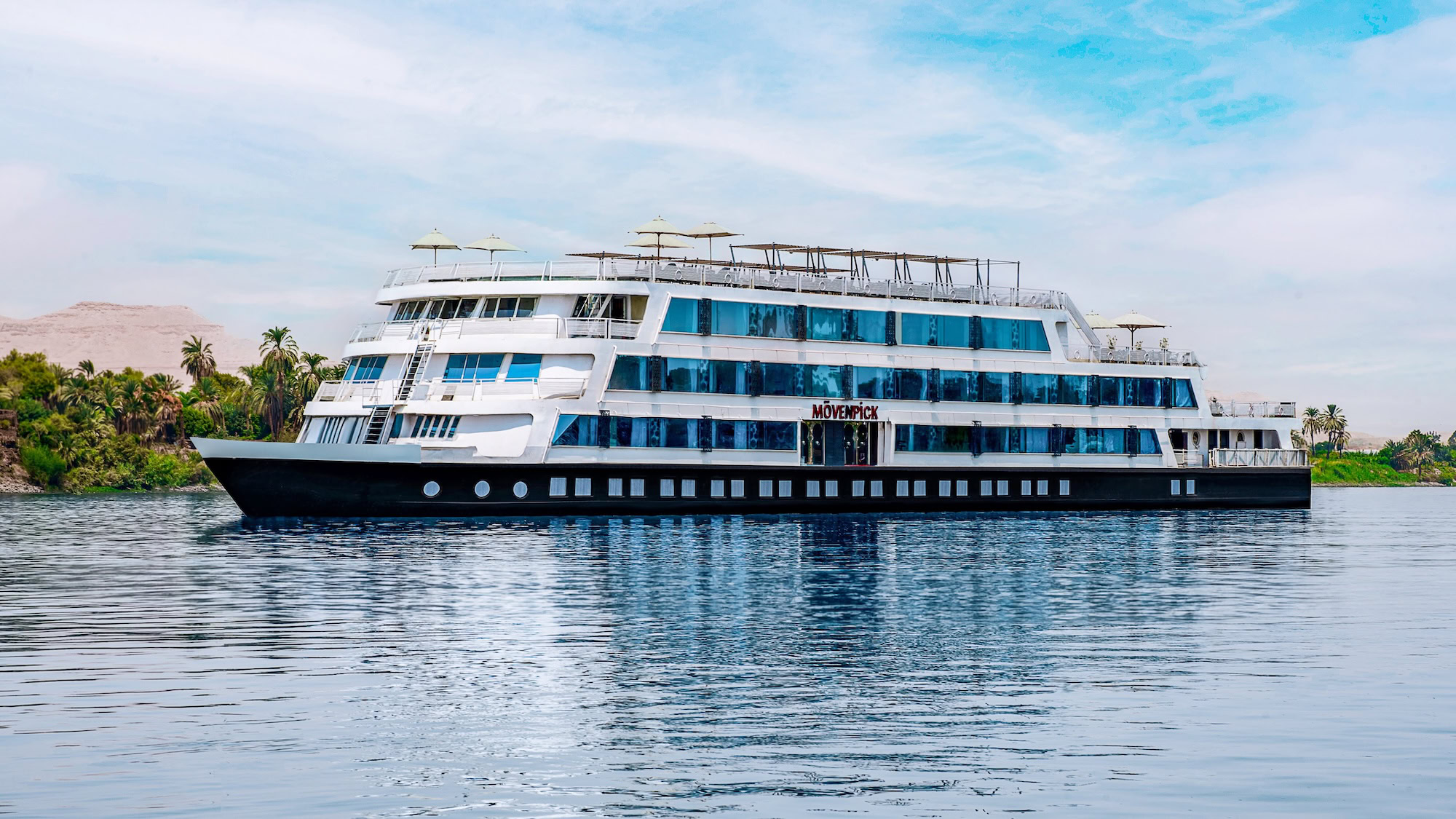
Mid-range options provide excellent value without sacrificing quality. Boutique hotels in Cairo’s Islamic district offer authentic atmosphere, while Nile cruise ships vary from comfortable to ultra-luxurious. Adventure-focused itineraries might combine archaeological sites with desert camping, Red Sea diving, or hiking in Sinai’s mountains. Egypt’s diversity supports almost any combination of interests and activities.
Recommended: Design Your Dream Tour
Duration Options
Three-day Cairo tours provide intensive introduction to Egypt’s highlights but leave travelers wanting more. Week-long itineraries allow proper exploration of major sites without feeling rushed. Ten to twelve-day tours can include Nile cruises, Red Sea relaxation, and comprehensive archaeological exploration.
Two-week adventures enable deep cultural immersion, including lesser-known sites and extended time in each region. We’ve designed tours ranging from quick escapes to month-long explorations, each tailored to travelers’ specific interests and available time.
Group Size Considerations
Private tours offer maximum flexibility and personalized attention. Couples or families can adjust itineraries spontaneously and enjoy intimate experiences at major sites. Private guides provide deeper insights and can answer unlimited questions about Egyptian history and culture.
Small group tours, typically limited to 12-16 participants, balance social interaction with personalized service. These tours often develop lasting friendships among travelers sharing extraordinary experiences. Quick embarkation at popular sites and restaurant reservations become easier with pre-arranged group bookings.
Frequently Asked Questions
How long does it take to fly from Australia to Egypt?
Total travel time ranges from 18-22 hours including connections through Dubai or Doha.
What’s the best time to visit Egypt from Australia?
October through April offers ideal weather with temperatures around 77-86°F (25-30°C).
Do Australian citizens need a visa for Egypt?
Yes, Australian travelers need a tourist visa easily obtained online through Egypt’s e-visa system.
How much should I budget for an Egypt tour?
Tours range from $2,000-$8,000 AUD per person depending on duration and accommodation level.
Is Egypt safe for Australian tourists?
Egypt maintains strong tourist security with visible tourist police at major sites.
What currency should I bring to Egypt?
US dollars or Australian dollars can be exchanged for Egyptian pounds locally.
Can I drink tap water in Egypt?
Bottled water is recommended and readily available everywhere, including complimentary hotel supplies.
What vaccinations do I need for Egypt?
No specific vaccinations required for Australian travelers, though routine vaccines should be current.
How should I dress when visiting Egyptian sites?
Modest clothing covering shoulders and knees shows respect, particularly at religious sites.
Can I visit Abu Simbel during my Egypt tour?
Yes, Abu Simbel day trips from Aswan are popular additions by road or flight.
Design Your Custom Tour
Explore Egypt your way by selecting only the attractions you want to visit