Cash Requirements for Egypt: Your Complete Payment Guide
How much cash should i bring to Egypt? Most travelers ask this crucial question before their Egyptian adventure.
Planning your payment strategy for Egypt requires understanding both practical necessities and local financial customs. The country operates on a mixed economy where cash remains king in many situations, while modern payment methods gain ground in urban centers. Tourism infrastructure has evolved significantly, but knowing when and where you’ll need physical currency can make the difference between smooth transactions and frustrating delays.
Your approach to money in Egypt should balance convenience, security, and cultural expectations to ensure every aspect of your trip flows seamlessly.
Essential Cash Needs Throughout Egypt
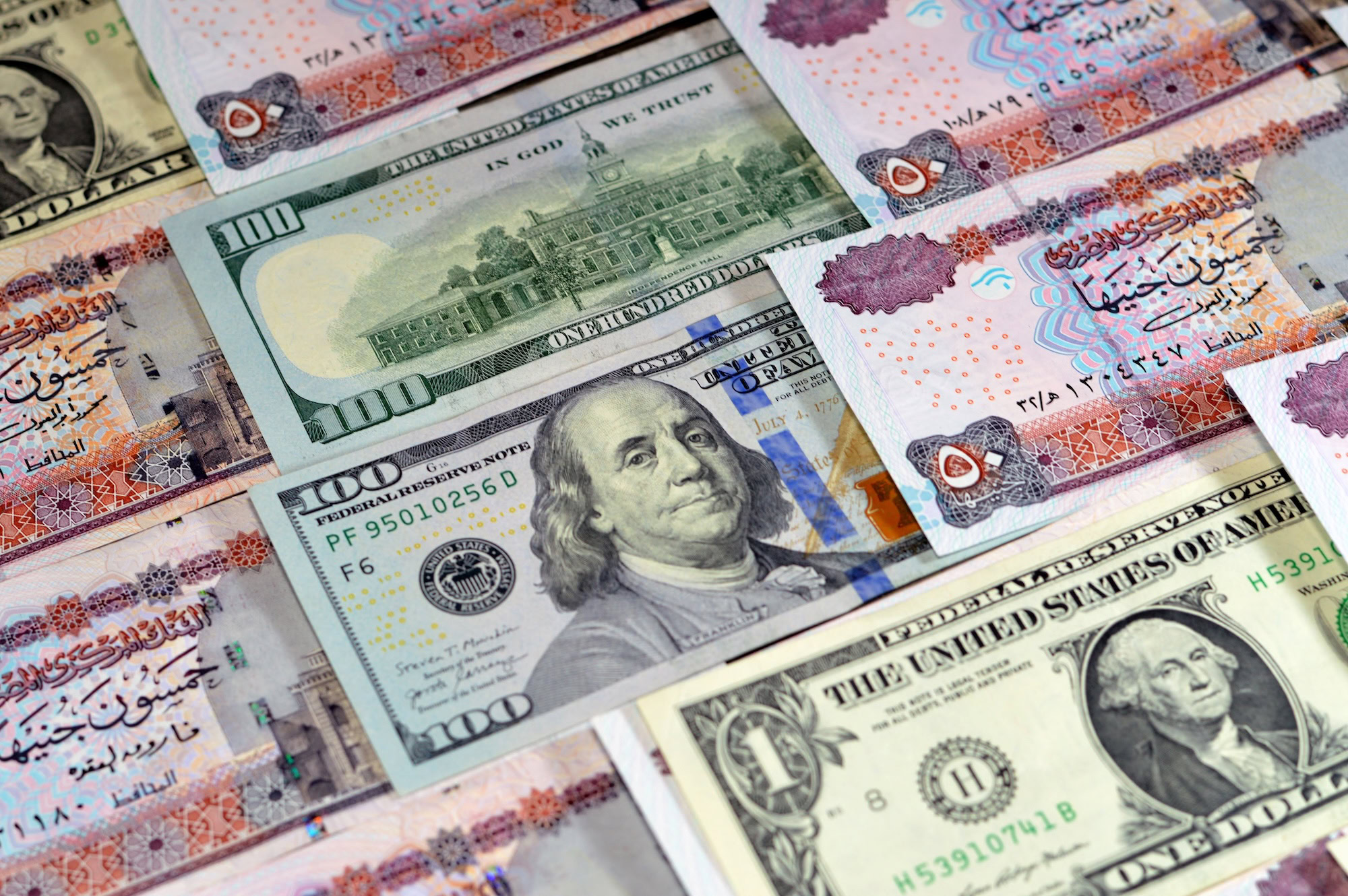
Cash serves as your primary payment method across most Egyptian experiences. Markets, street vendors, and traditional restaurants operate exclusively with physical currency, making it impossible to navigate authentic Egyptian culture without Egyptian pounds in your wallet.
Traditional Markets and Souks
Egyptian bazaars and traditional markets accept only cash payments. Vendors in Khan el-Khalili, Aswan’s souk, and local markets throughout the country expect negotiations and transactions in Egyptian pounds. Credit cards simply don’t exist in these environments, where haggling culture thrives on immediate cash exchanges.
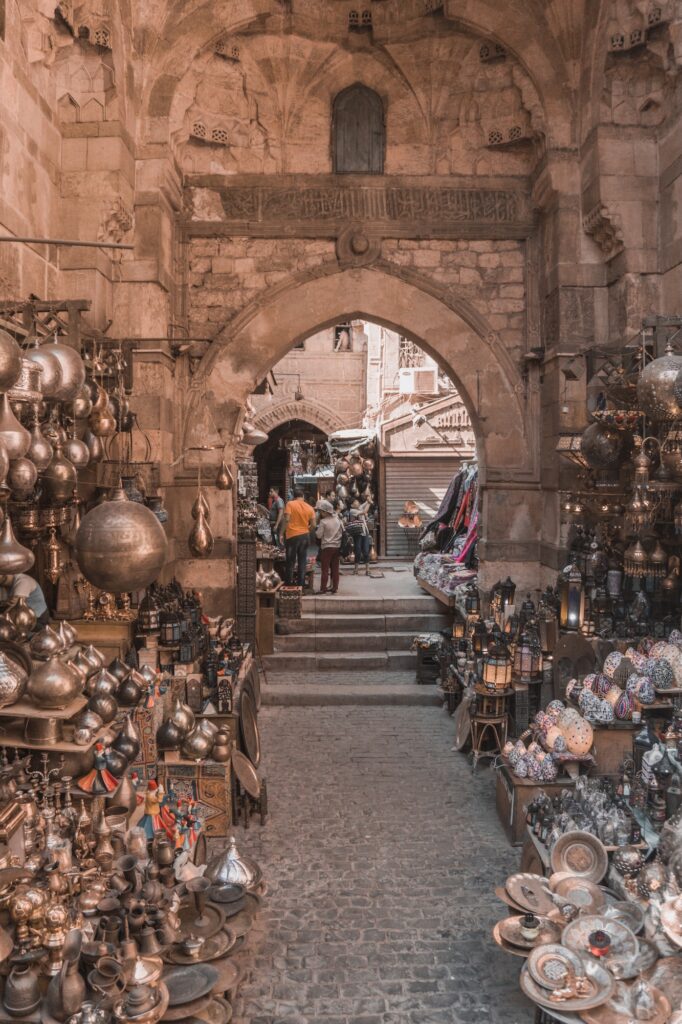
Small denominations work best for market purchases. Having 5, 10, and 20 Egyptian pound notes makes transactions smoother and helps with bargaining processes.
Transportation and Local Services
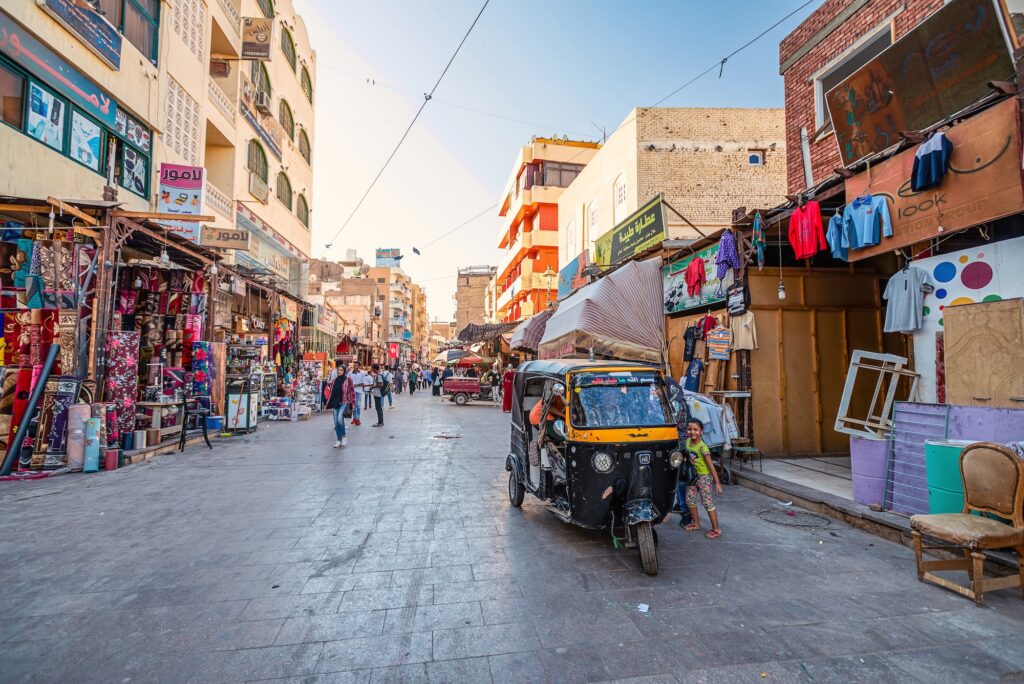
Taxis, tuk-tuks, and local transportation primarily operate on cash systems. While ride-sharing apps accept digital payments, traditional yellow taxis and local drivers expect physical currency. Public transportation, including buses and metro systems, requires exact change in Egyptian pounds.
Restaurant tipping follows cash-only customs throughout Egypt. Service charges may appear on bills, but additional gratuities for exceptional service require physical currency.
Religious and Historical Sites
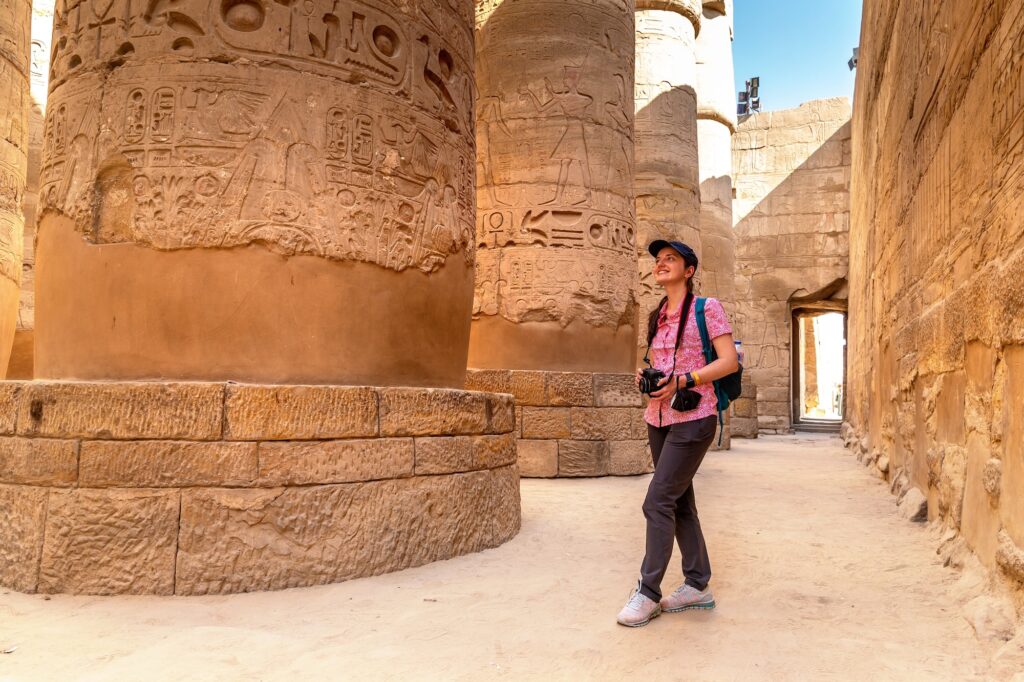
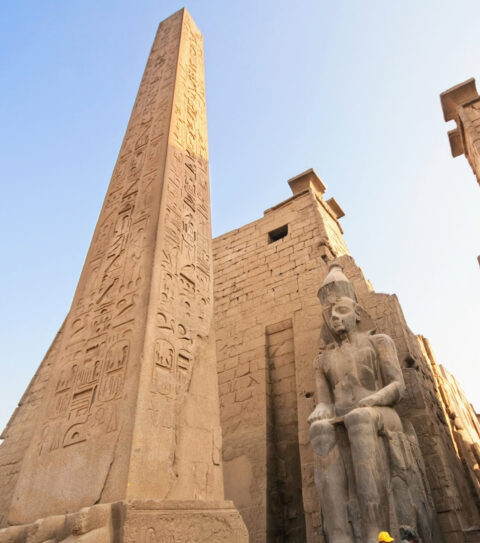
Entry fees at many temples, mosques, and historical locations require cash payments. Photography permits, guide gratuities, and additional services at these cultural sites operate exclusively through physical currency transactions.
Modern Payment Options in Tourist Areas
Egypt’s tourist infrastructure increasingly supports international payment methods, particularly in developed resort areas and major cities.
Hotel and Resort Payments
International hotels, luxury resorts, and established accommodations accept major credit cards and debit cards. These properties often provide currency exchange services and ATM access for guest convenience. However, resort staff gratuities and many additional services still require cash payments.
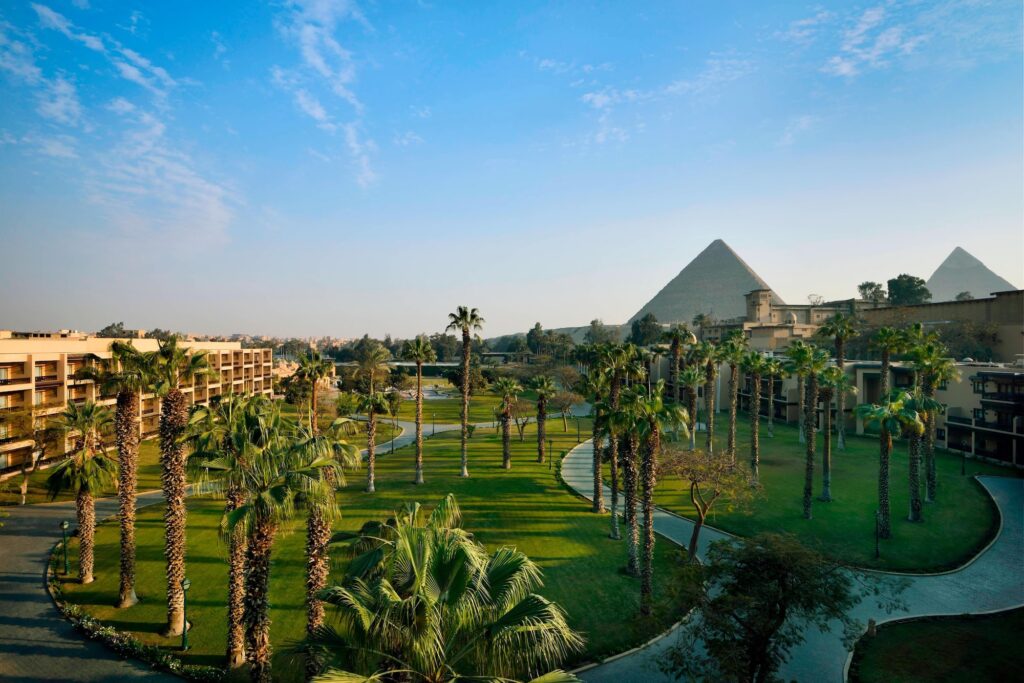
Booking confirmations, room charges, and restaurant bills within these establishments typically accept card payments without issues.
Restaurant and Dining Cards
Upscale restaurants in Cairo, Alexandria, and tourist destinations accept international payment cards. Shopping malls, international chain restaurants, and established tourist dining venues provide card payment options with reliable processing systems.
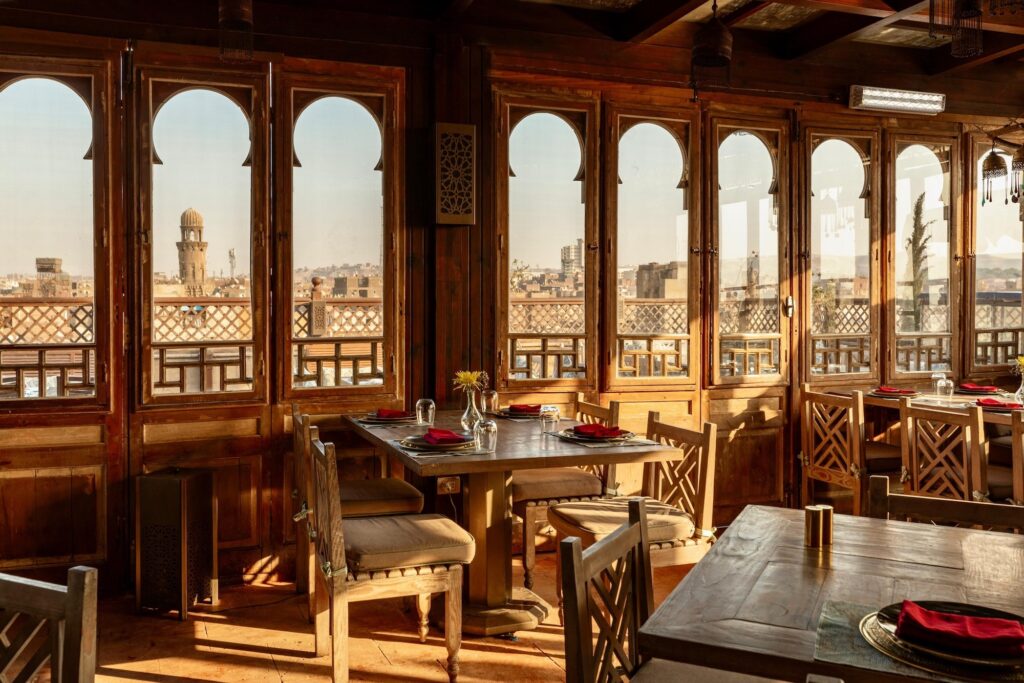
Street food vendors, local cafes, and traditional dining establishments operate cash-only systems. The authenticity of local dining experiences often correlates with cash-only payment requirements.
Tourist restaurants near major attractions increasingly offer card payment options, though cash remains preferred for smaller orders and tips.
ATM Networks and Banking Access
Egyptian banking infrastructure provides extensive ATM coverage throughout tourist areas and major cities. International debit cards work reliably at most ATM locations, though fees and exchange rates vary significantly.
Bank ATMs offer better exchange rates compared to currency exchange booths in airports and hotels. Major banks including National Bank of Egypt, Banque Misr, and international bank branches maintain widespread ATM networks accessible to foreign visitors.
Daily withdrawal limits typically range from $300-500 equivalent in Egyptian pounds, depending on your home bank’s international policies. Some ATMs impose additional local limits, requiring multiple transactions for larger amounts.
Notify your bank about travel plans to prevent card blocks during international ATM usage. Many travelers experience temporary card suspensions without proper travel notifications.
Currency Exchange Strategies
Official currency exchange provides the most reliable method for converting foreign currency to Egyptian pounds. Banks, licensed exchange offices, and hotel services offer legitimate conversion options with reasonable rates.
Airport currency exchange typically offers poor rates but provides convenient initial cash for immediate needs. Exchange small amounts at airports for transportation and immediate expenses, then seek better rates in cities.
Street currency exchange carries significant risks including counterfeit bills and unfavorable rates. Stick to official channels for currency conversion to avoid financial losses and legal complications.
US Dollar Acceptance
Some tourist services accept US dollars directly, though change often returns in Egyptian pounds. Hotels, tour operators, and established tourist businesses sometimes quote prices in dollars while conducting actual transactions in local currency.
Carrying small denomination US bills ($1, $5, $10, $20) provides backup payment options for certain tourist services and gratuities.
Security and Cash Management
Physical cash requires careful security planning throughout Egypt. Tourist areas generally maintain good safety records, but cash management strategies prevent unnecessary risks and financial losses.
Money belts and hidden pouches provide secure storage for larger amounts while keeping daily spending money easily accessible. Divide cash between multiple locations to minimize losses if theft occurs.
Avoid displaying large amounts of cash in public settings. Count money discreetly and conduct transactions away from crowds when possible.
Hotel safes offer secure storage for excess cash and important documents. Keep daily spending amounts separate from larger cash reserves stored securely in accommodations.
Tipping Culture and Cash Customs
Egyptian tipping culture requires cash payments across virtually all service interactions. Restaurant servers, hotel staff, tour guides, and drivers expect gratuities in Egyptian pounds for quality service.
Standard tipping rates range from 10-15% in restaurants, with additional gratuities for exceptional service. Tour guides typically receive $5-10 per day per person, while drivers expect $3-5 daily gratuities.
Small denomination bills facilitate appropriate tipping without overpaying or creating change complications. Having 5, 10, and 20 pound notes specifically for gratuities streamlines service interactions.
Planning Your Cash Budget
Calculate expected cash needs based on your specific travel style and planned activities. Budget-conscious travelers relying on local transportation, street food, and traditional markets require more cash compared to resort-based visitors using primarily card payments.
Daily cash budgets typically range from $20-50 for mixed tourist activities, excluding major purchases and accommodations. Market shopping, local dining, transportation, and gratuities comprise the majority of cash expenses.
Consider bringing equivalent amounts in US dollars for backup currency exchange if ATM access becomes limited. Remote areas and some southern Egypt destinations have limited banking infrastructure.
Frequently Asked Questions
Do Egyptian hotels accept credit cards?
Most international hotels and resorts accept major credit cards, while budget accommodations often require cash payments.
Can I use US dollars in Egypt?
Some tourist businesses accept dollars, but Egyptian pounds remain the preferred currency for most transactions.
Are ATMs reliable throughout Egypt?
Major cities and tourist areas have reliable ATM networks, though rural areas may have limited access.
How much cash should I bring to Egypt?
Budget $300-500 for a week-long trip, depending on your travel style and planned activities.
Do restaurants in Egypt accept cards?
Upscale restaurants accept cards, while local and traditional establishments typically require cash payments.
Is it safe to carry cash in Egypt?
Egypt maintains good tourist safety records, but standard precautions like money belts remain advisable.
What denominations work best in Egypt?
Small bills (5, 10, 20 Egyptian pounds) work best for tipping, markets, and local transactions.
Do tour companies accept credit cards?
Established tour operators accept card payments for bookings, though guide gratuities require cash.
Can I exchange money at Egyptian banks?
Yes, banks offer reliable currency exchange with competitive rates compared to hotels and airports.
Do I need to declare cash when entering Egypt?
Amounts over $10,000 USD equivalent require declaration to customs authorities upon entry.
Are mobile payment apps available in Egypt?
Some international apps work in major cities, but cash remains essential for comprehensive travel experiences.
What happens if ATMs don’t work?
Having backup US dollars for currency exchange provides alternatives when ATM access becomes limited.
Design Your Custom Tour
Explore Egypt your way by selecting only the attractions you want to visit