

Best Time to Visit the Western Desert, Egypt: Weather by Month
Planning a trip to Egypt’s Western Desert? The timing of your adventure can make or break your entire experience.
The Western Desert represents one of Egypt’s most dramatic landscapes, stretching across nearly 700,000 square kilometers of pristine wilderness. Here, ancient oases dot endless sand dunes, and temperatures can swing from pleasant to extreme within hours. We’ve spent decades guiding travelers through this extraordinary region, and our experience has taught us that choosing the right season isn’t just about comfort – it’s about safety, accessibility, and creating memories that will last a lifetime.
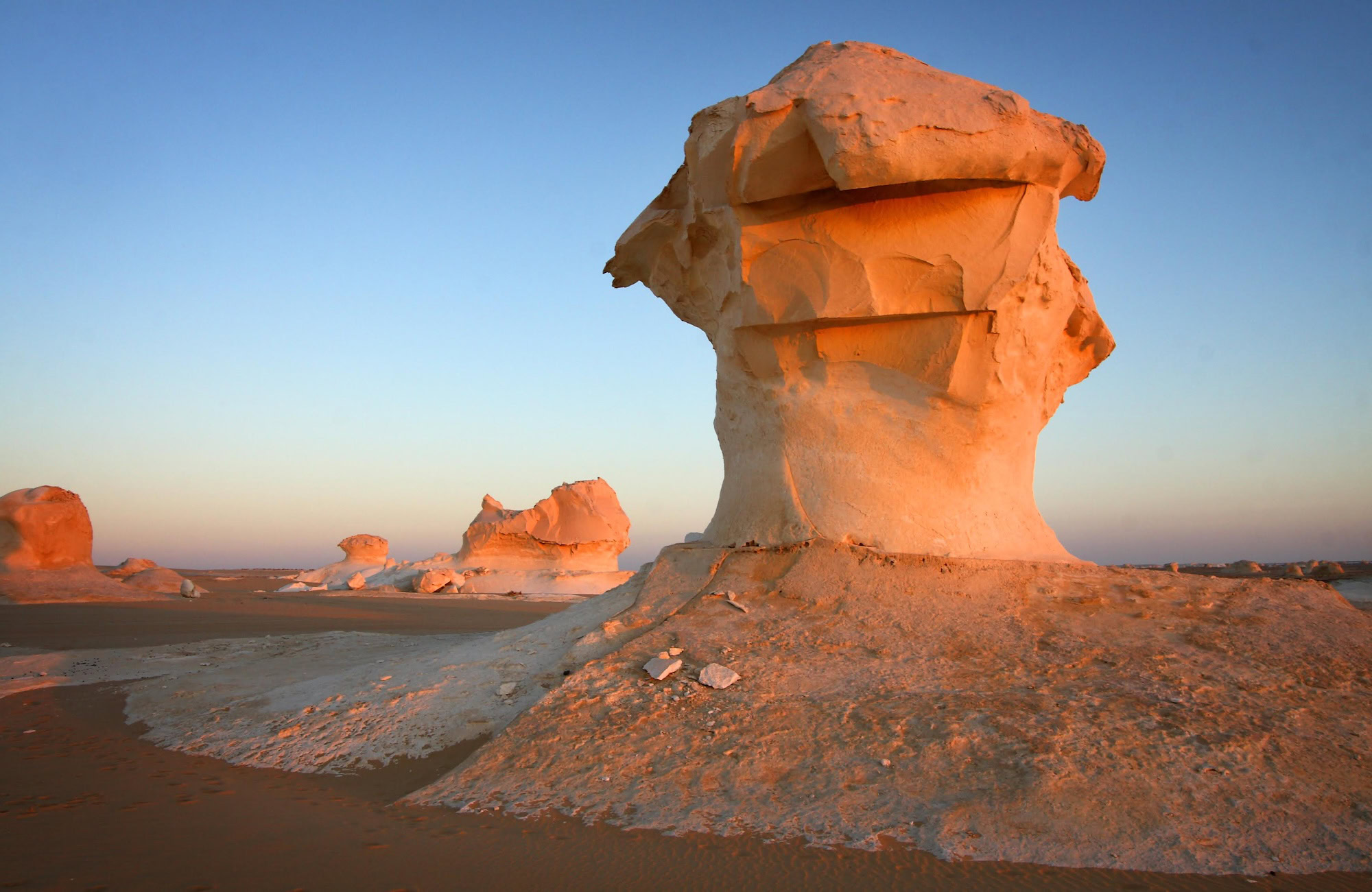
Understanding when to visit this remote destination requires careful consideration of multiple factors. Weather patterns, seasonal activities, and local conditions all play crucial roles in determining your ideal travel window.
Optimal Travel Seasons for Desert Adventures
The Western Desert experiences dramatic seasonal variations that directly impact your journey’s success. October through March consistently delivers the most favorable conditions for exploration. Our expertly planned Western Desert tours are scheduled around these optimal seasons, ensuring safer travel, better conditions, and a more rewarding desert experience.
During these cooler months, daytime temperatures range from 68°F to 86°F (20°C to 30°C), creating comfortable conditions for outdoor activities. Nighttime temperatures drop significantly, often reaching 41°F to 59°F (5°C to 15°C), making warm clothing essential for evening camps and stargazing sessions.
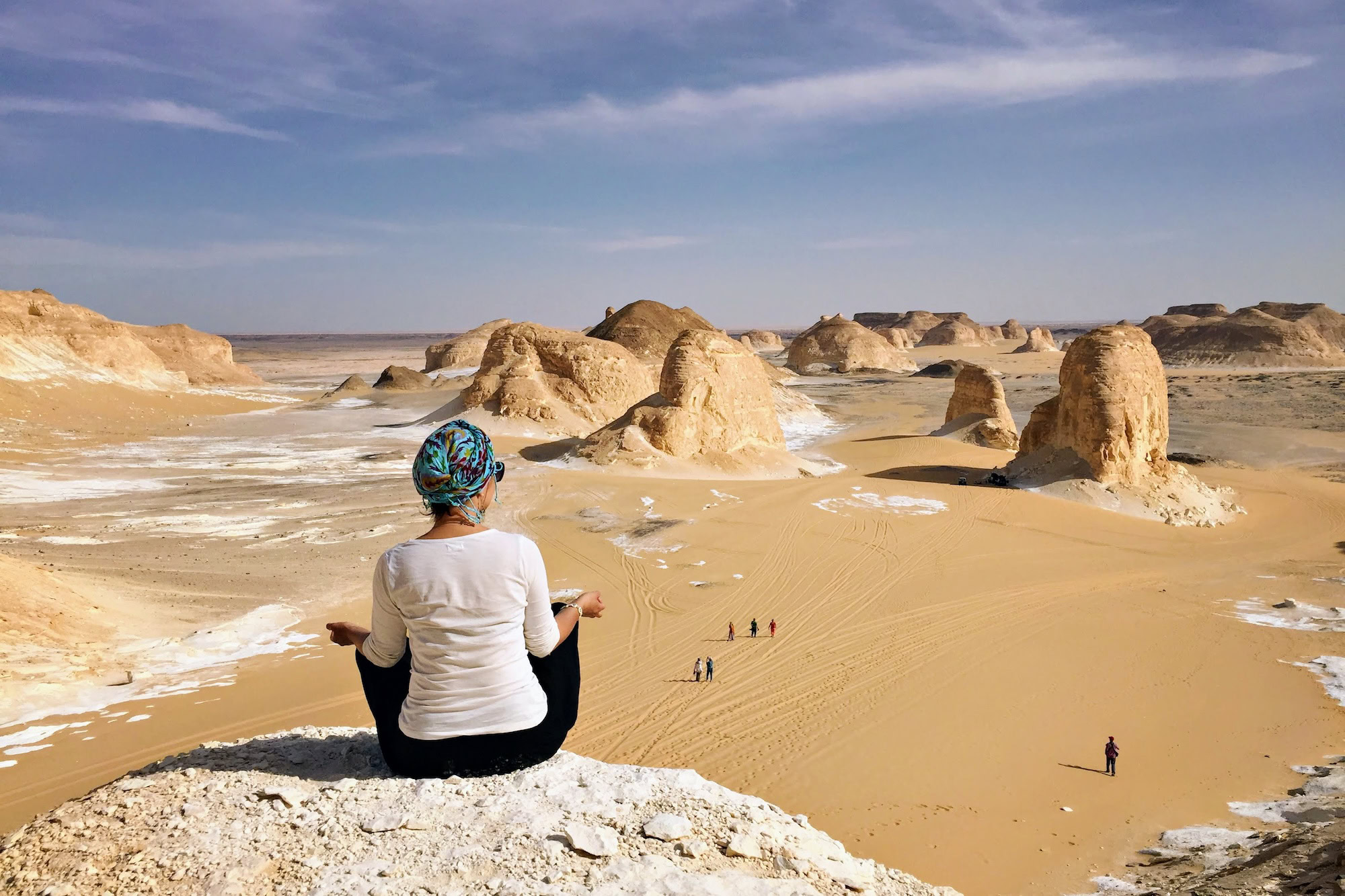
Peak Season: November through February
November marks the beginning of peak season when weather conditions reach their most stable patterns. Daytime temperatures hover around 77°F (25°C), while humidity levels remain low at 32-45%. These months offer crystal-clear skies perfect for photography and astronomical observations.
December and January bring the coolest temperatures, with some nights dropping below 32°F (0°C). While this creates challenging camping conditions, it also provides the clearest atmospheric visibility for desert activities. Many travelers find this period ideal for longer expeditions since extreme heat poses no threat.
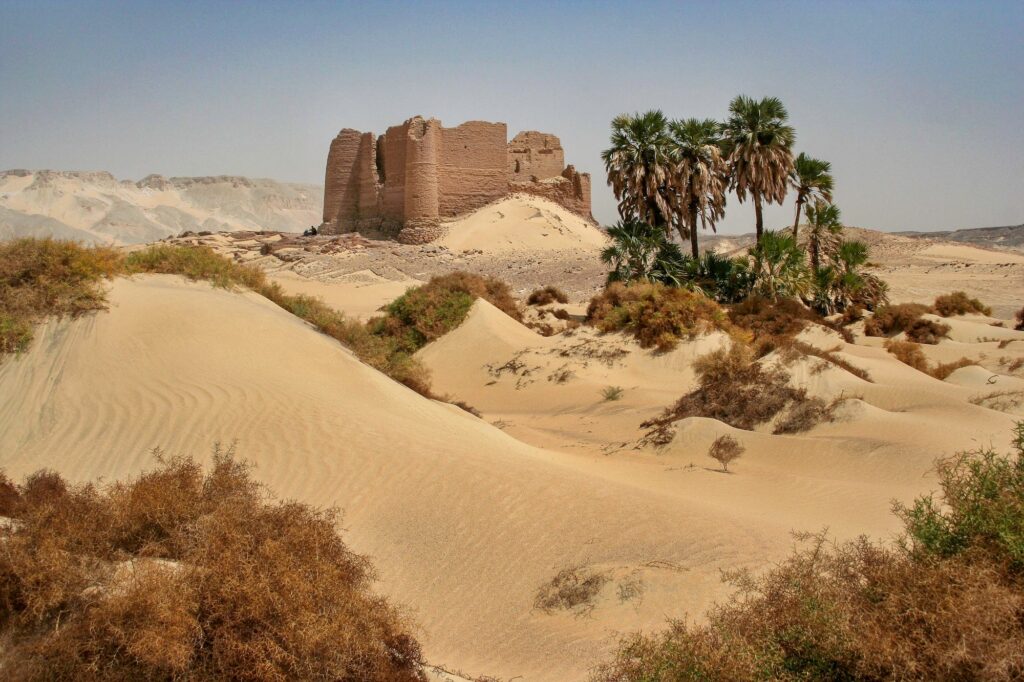
February extends the comfortable weather window, though occasional Khamsin winds can create challenging conditions. These hot, dry winds typically last 2-3 days and can reduce visibility significantly.
Shoulder Season: October and March
October represents an excellent compromise between favorable weather and fewer crowds. Temperatures begin cooling from summer highs, though daytime heat can still reach 95°F (35°C). This month coincides with date harvest season in Siwa Oase, offering unique cultural experiences.
March brings warming trends but remains manageable for most activities. However, Khamsin wind patterns intensify during this period, potentially disrupting travel plans. We recommend flexible itineraries during March to accommodate weather-related changes.
Extreme Seasons to Avoid
Summer months from June through August create dangerous conditions throughout the Western Desert. Temperatures routinely exceed 113°F (45°C), with some areas reaching 122°F (50°C) during peak afternoon hours.
These extreme temperatures pose serious health risks including rapid dehydration, heat exhaustion, and heatstroke. Even experienced desert travelers struggle with summer conditions. Vehicle breakdowns become life-threatening emergencies when outside temperatures exceed human tolerance levels. Most reputable tour operators suspend desert expeditions during summer months for safety reasons.
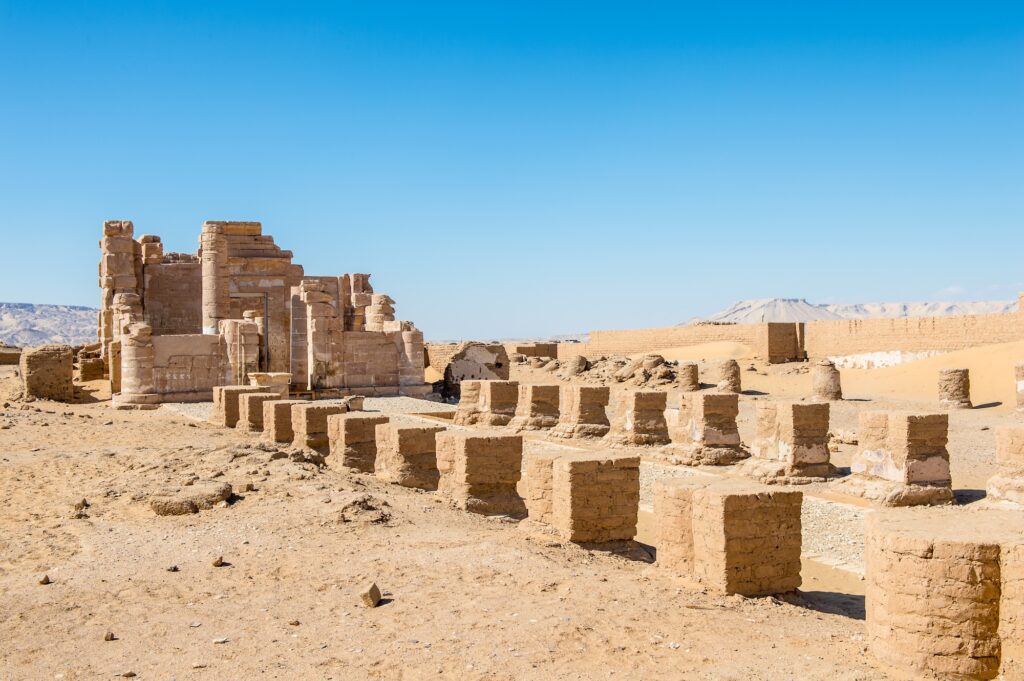
Winter’s opposite extreme presents different challenges. December and January nights can drop below freezing, creating hypothermia risks for unprepared travelers. Limited daylight hours reduce exploration time, while equipment failures become more common in extreme cold.
Weather Patterns and What to Expect
The Western Desert’s continental climate creates distinct seasonal characteristics that influence every aspect of your journey. Understanding these patterns helps optimize your travel experience.
Temperature Variations Throughout the Year
Spring temperatures gradually rise from March through May. April maintains comfortable conditions with highs around 86°F (30°C), but May begins the transition toward summer heat. Morning temperatures in spring remain pleasant, making early departures ideal for longer travel days.
Autumn brings the reverse pattern. September still carries summer heat with temperatures exceeding 104°F (40°C), making it unsuitable for extended desert exposure. October marks the turning point when temperatures become manageable for outdoor activities.

Winter creates the most dramatic daily temperature swings. A typical December day might start at 32°F (0°C) at sunrise and reach 68°F (20°C) by afternoon, requiring versatile clothing systems.
Rainfall and Humidity Considerations
The Western Desert receives minimal annual precipitation, typically less than 4mm per year. This extreme aridity creates unique challenges for travelers. Low humidity levels, often below 30%, cause rapid moisture loss through breathing and skin evaporation.
Brief rainfall events, while rare, can transform desert conditions dramatically. Flash flooding becomes possible in low-lying areas, and normally stable sand surfaces may become treacherous. These events typically last only hours but can impact travel routes for days.
Essential Planning Considerations
Health and Safety Factors
Dehydration remains the primary health concern throughout the year, even during cooler months. The dry desert air causes moisture loss at accelerated rates, requiring increased water intake regardless of temperature. We recommend consuming at least 4-6 liters of water daily during desert activities.
Sun exposure intensifies at higher elevations and in reflective sand environments. UV radiation levels remain high even during winter months, necessitating comprehensive sun protection including high-SPF sunscreen, protective clothing, and quality sunglasses.
Temperature-related clothing requirements vary dramatically by season. October through March demands layering systems that accommodate 40-50°F (22-28°C) daily temperature ranges. Thermal underwear becomes essential for winter camping, while breathable, light-colored clothing works best during transitional months.
Activity-Specific Timing
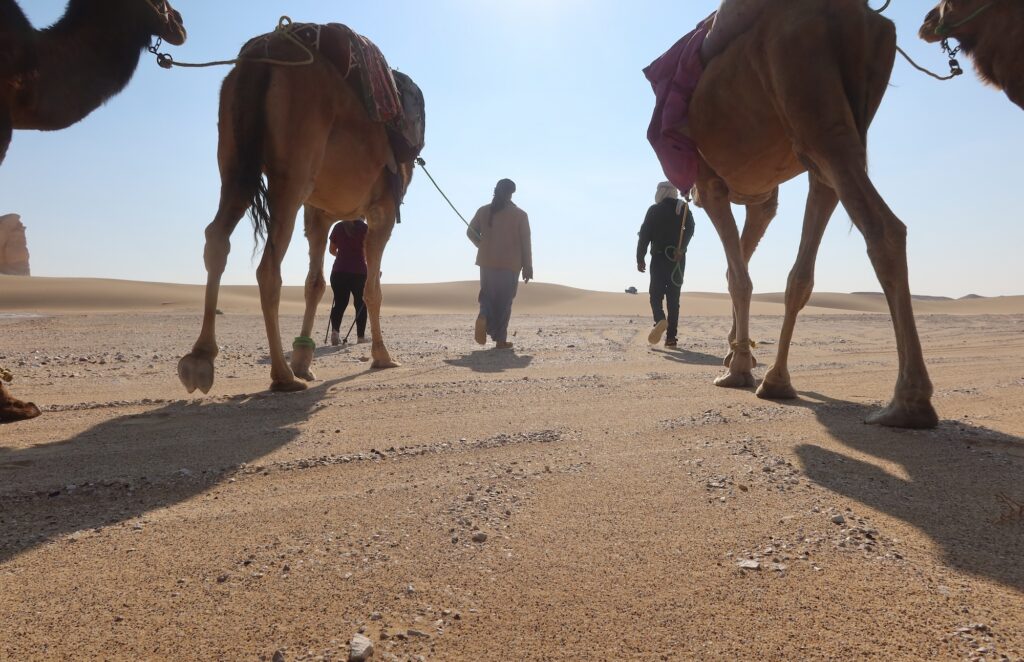
Camel trekking and camping activities perform best during November through February when stable weather patterns minimize safety risks. These months provide comfortable sleeping conditions and reduced heat stress for both travelers and animals.
Photography enthusiasts find optimal lighting conditions during cooler months when atmospheric clarity peaks. Clear skies and minimal dust create ideal conditions for landscape and astronomical photography. The absence of heat shimmer during winter months significantly improves image quality.
Cultural experiences, including visits to traditional Berber communities and local oases, remain accessible year-round. However, extreme summer temperatures limit interaction time and reduce the comfort of outdoor cultural activities.
Regional Variations Within the Desert
Siwa Oase Climate Specifics
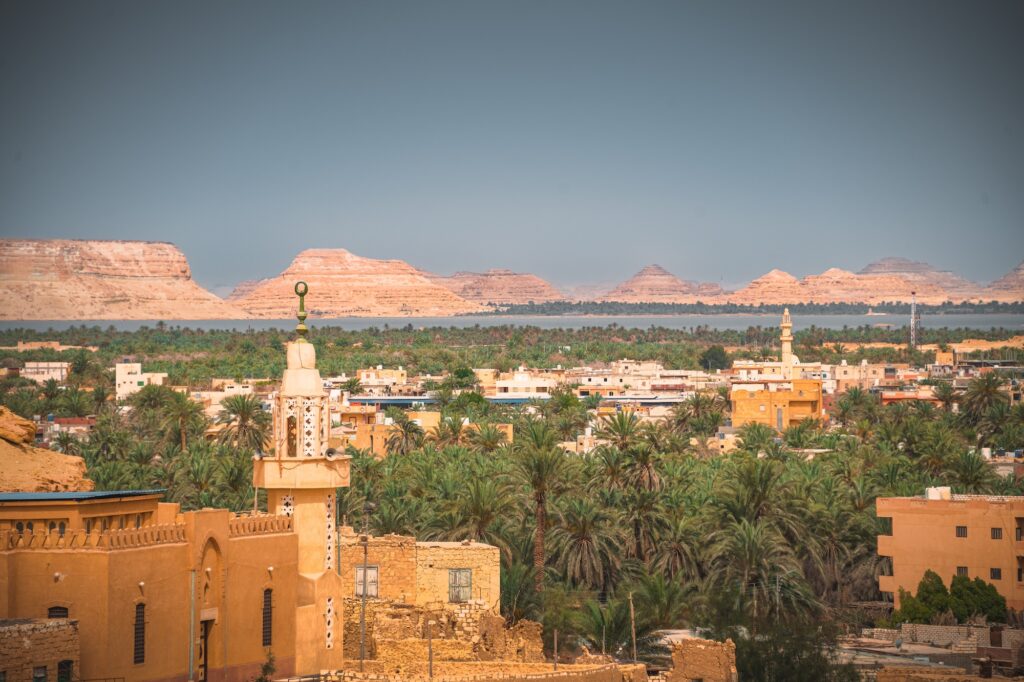
Siwa Oase enjoys slightly moderated temperatures due to its palm groves and natural springs. The microclimate created by vegetation provides 5-10°F (3-6°C) cooler conditions compared to surrounding desert areas.
This oasis experiences unique seasonal patterns. Date harvesting season from September through October creates increased local activity but also raises accommodation prices. Spring months bring palm tree maintenance activities that can impact some tourist areas.
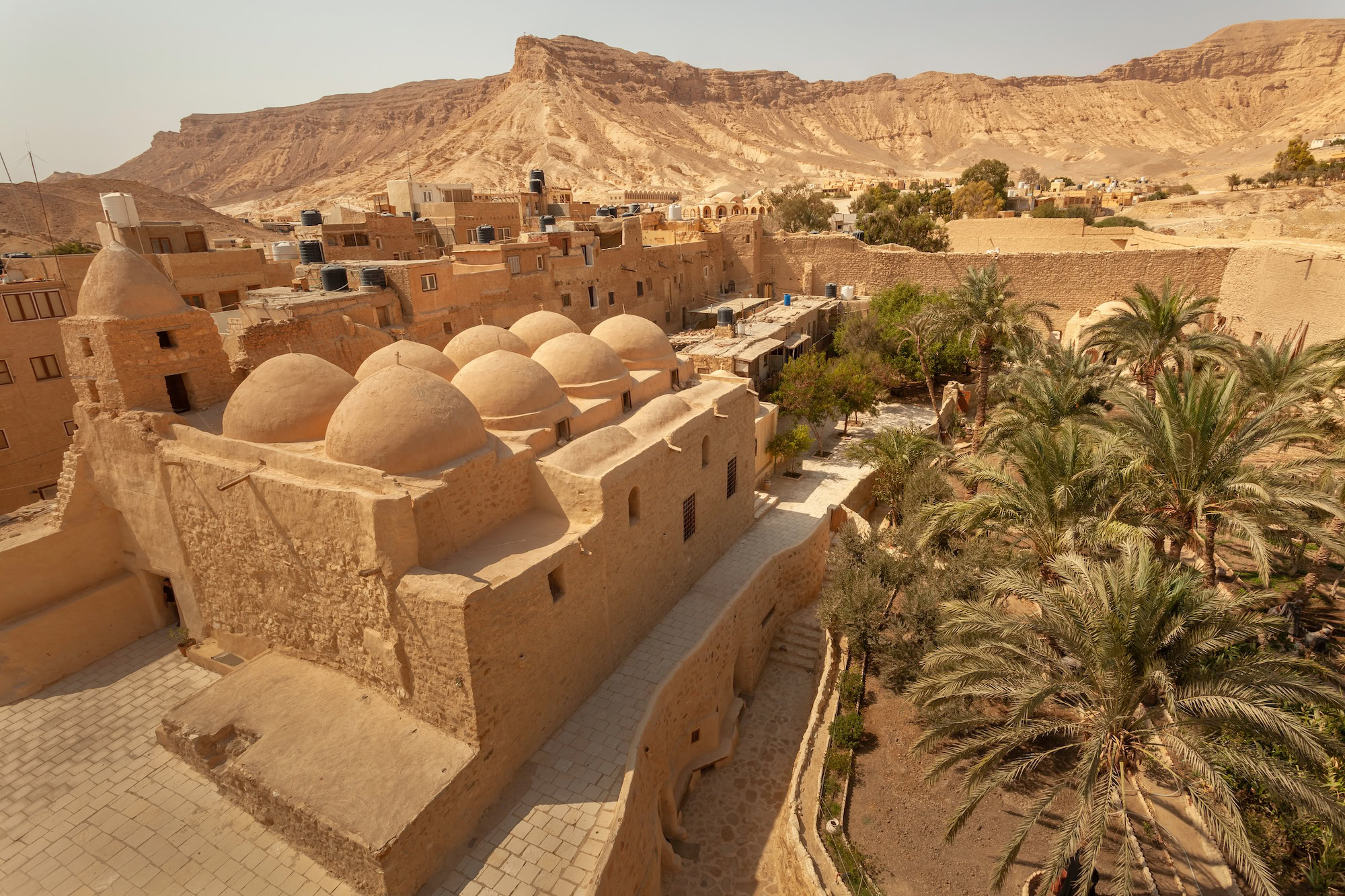
Winter nights in Siwa rarely drop as severely as open desert locations, making it an excellent base camp for extended desert explorations during cold months.
High Desert Plateau Conditions
Elevated desert regions, including areas near the Libyan border, experience more extreme temperature variations. Higher altitudes create cooler daytime temperatures but more severe nighttime drops.
Wind patterns intensify at elevation, creating sandstorm risks during transitional seasons. March and April present particular challenges in highland areas due to Khamsin wind activity.
These elevated regions offer spectacular viewing conditions during stable weather periods but require additional preparation and flexible scheduling.
Practical Travel Tips by Season
October through March Essentials
Pack comprehensive layering systems including thermal base layers, insulating mid-layers, and wind-resistant outer shells. Sleeping bag ratings should accommodate temperatures down to 20°F (-7°C) for winter camping.
Water storage becomes crucial since consumption increases even in cool weather. Plan for 6-8 liters per person per day during active exploration periods. Quality water containers prevent freezing during winter nights while maintaining taste during hot days.
Equipment Considerations
Vehicle requirements change significantly by season. Air conditioning becomes essential during transitional months when daytime temperatures exceed 86°F (30°C). Winter travel demands reliable heating systems and emergency equipment for extreme cold scenarios.
Navigation equipment must function in temperature extremes. GPS devices and smartphones may experience battery drain in cold conditions, requiring backup power sources and traditional compass navigation skills.
Our specialized desert vehicles come equipped with dual heating and cooling systems, emergency communication equipment, and temperature-controlled storage for medications and sensitive equipment. This comprehensive preparation reflects our commitment to safe, comfortable desert exploration regardless of seasonal challenges.
Frequently Asked Questions
When is the absolute best month to visit Egypt’s Western Desert?
November and December offer optimal conditions with comfortable daytime temperatures around 77°F (25°C) and minimal wind activity.
Can you visit the Western Desert during summer months?
We strongly advise against summer visits due to dangerous temperatures exceeding 113°F (45°C) that pose serious health risks.
What’s the coldest it gets in the Western Desert?
Winter nights can drop below 32°F (0°C), particularly in December and January, requiring proper cold weather gear.
How much water should I bring for a desert trip?
Plan for 6-8 liters per person per day during active periods, regardless of season, due to accelerated dehydration in dry conditions.
Are there any months when desert tours are completely unavailable?
Most operators suspend trips during June, July, and August due to extreme heat that poses life-threatening conditions.
When do the Khamsin winds affect travel plans?
Khamsin winds typically occur from March through April, potentially creating visibility issues and travel delays for 2-3 days.
Is camping possible year-round in the Western Desert?
Camping works best October through March, though winter requires specialized cold-weather equipment and preparation.
What clothing works best for Western Desert visits?
Layering systems that accommodate 40-50°F (22-28°C) daily temperature swings, plus thermal underwear for winter nights.
How far in advance should I book Western Desert tours?
Peak season (November-February) requires 2-3 months advance booking, while shoulder seasons offer more flexibility.
Do temperatures vary significantly between different Western Desert locations?
Siwa Oase runs 5-10°F (3-6°C) cooler than open desert, while elevated areas experience more extreme variations.
Can weather conditions change rapidly in the desert?
Yes, temperature swings of 40-50°F (22-28°C) between day and night are common, requiring flexible preparation.
What makes October through March ideal for desert travel?
This period combines comfortable daytime temperatures, manageable nights, clear skies, and stable weather patterns perfect for safe exploration.
Design Your Private Western Desert Adventure
Travel with your own expert guide, private 4×4 vehicle, and a route tailored to you.