

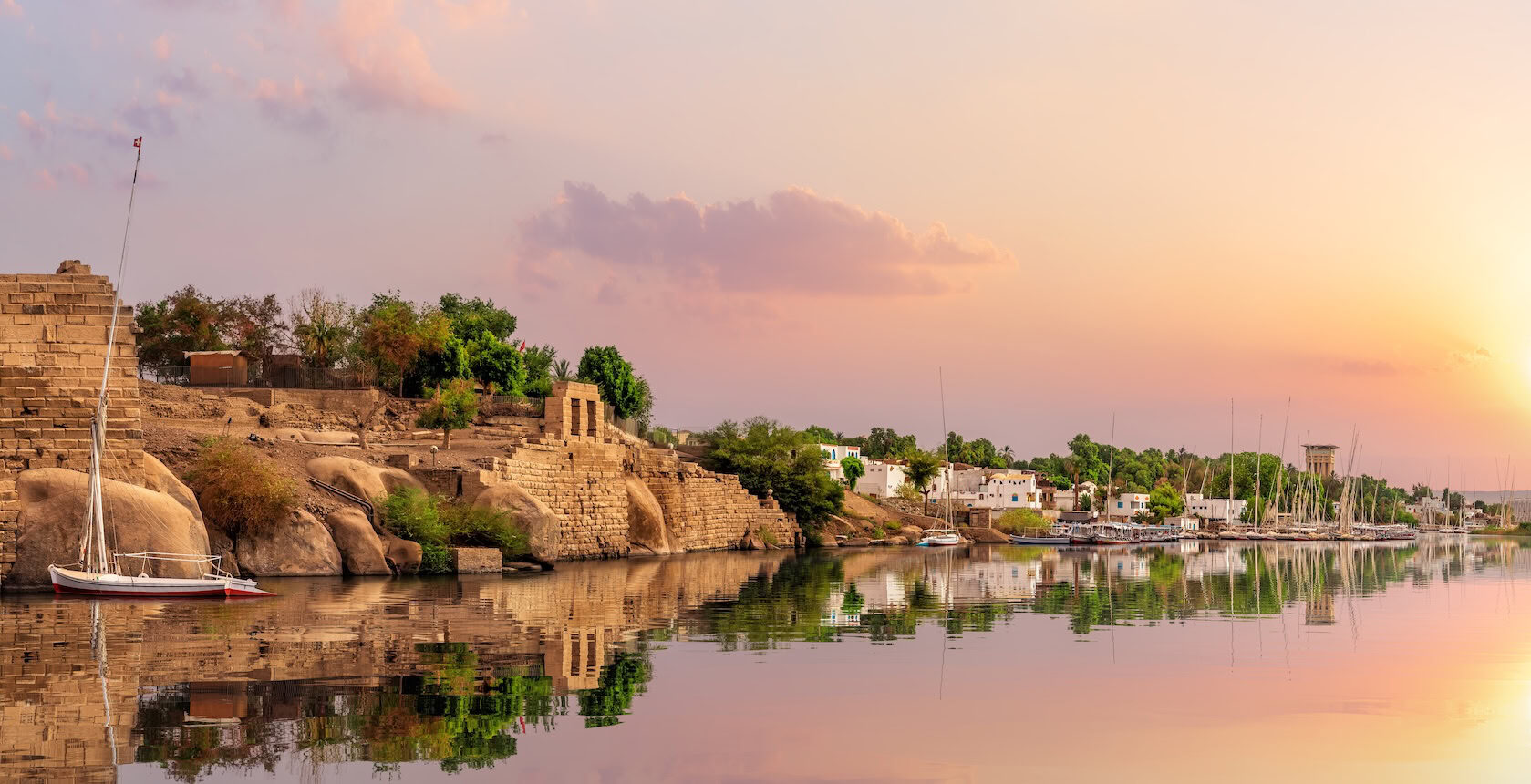
Where the Nile feels most magical
Attractions in Aswan
Aswan blends tranquil Nile scenery with some of Egypt’s most captivating monuments. Discover the must-see Attractions in Aswan, from Philae Temple and Nubian villages to botanical gardens and hidden cultural gems.
Attractions in Aswan – Your Guide to Temples, Islands & Hidden Gems
Southern Egypt holds secrets most travelers never discover.
Aswan stands apart from typical tourist destinations with its distinctive Nubian culture, ancient temples rising from Nile islands, and a pace that invites genuine connection rather than rushed sightseeing. This southernmost city in Egypt offers experiences you simply cannot find anywhere else in the country – from the engineering marvel of modern dams to 4,000-year-old temples that survived relocation stone by stone. For a deeper look at what makes this region so unique, our Aswan travel guide draws on decades of first-hand experience, highlighting the city’s most compelling attractions and cultural insights. We’ve spent years guiding visitors through Aswan’s landmarks, and the city continues to surprise even our most seasoned guides.
Whether you’re planning a Nile cruise stop or dedicating several days to explore Upper Egypt’s treasures, understanding Aswan’s key attractions helps you make the most of your time in this remarkable region.
Ancient Temples That Define Aswan’s Legacy
Few destinations can match the concentration of perfectly preserved ancient architecture found in and around Aswan. The city serves as guardian to some of Egypt’s most significant religious sites, each telling a different chapter of pharaonic history.
Philae Temple: The Pearl of the Nile
Philae Temple rises from Agilkia Island like a vision from ancient times. This stunning temple complex, dedicated to the goddess Isis, represents one of UNESCO’s most successful rescue operations when the entire structure was carefully relocated before the High Dam’s completion threatened its original island home.
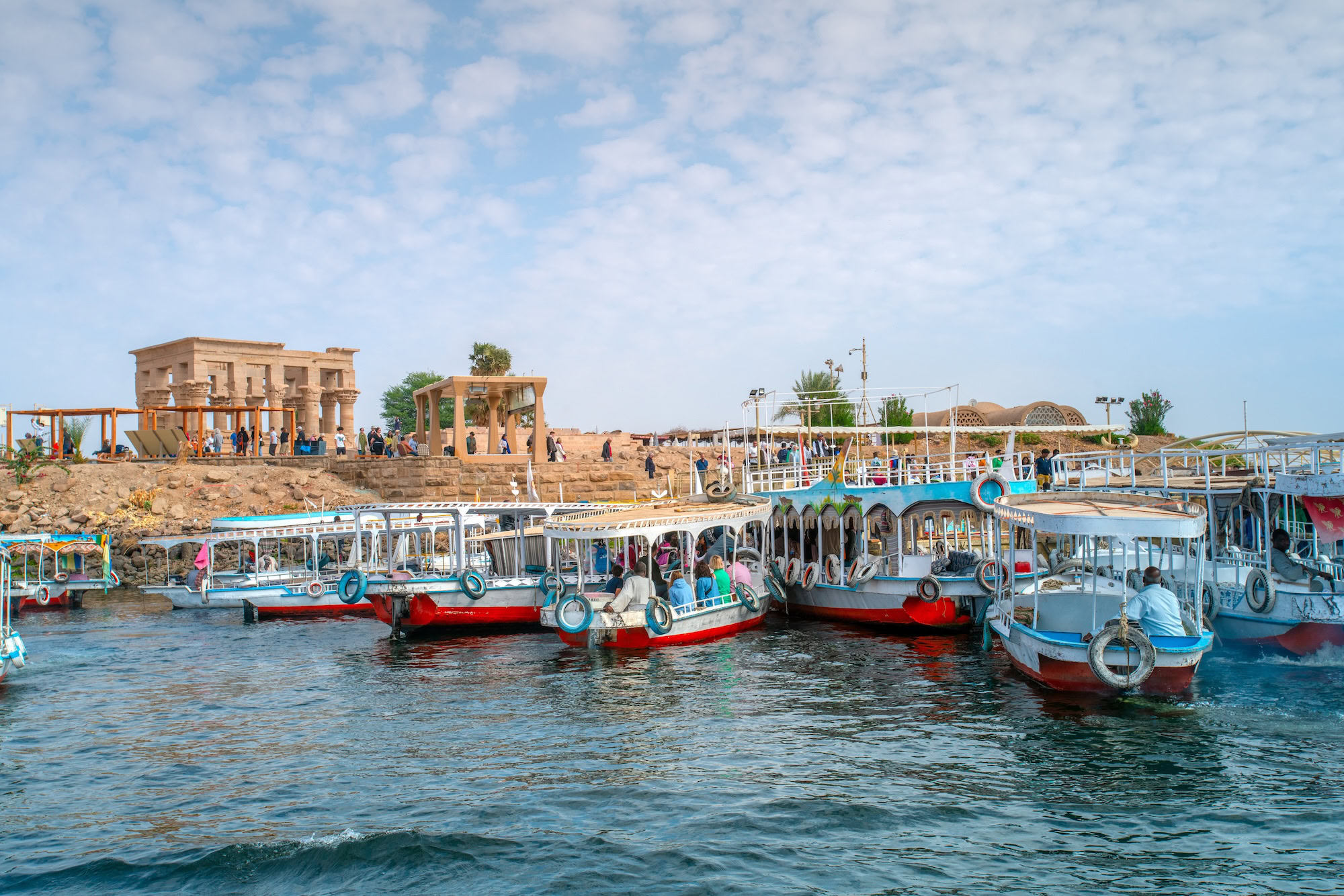
The temple’s pylons and courtyards showcase some of the finest Ptolemaic architecture in Egypt. Sound and light shows illuminate the complex after sunset, creating an almost mystical atmosphere as hieroglyphs seem to dance on the stone walls. Reaching Philae requires a short motorboat journey from the mainland, adding to the sense of discovery that awaits visitors.
Abu Simbel: Ramesses II’s Greatest Monument
Two hours south of Aswan, Abu Simbel stands as perhaps Egypt’s most ambitious architectural achievement. The twin temples carved directly into the rock face demonstrate Ramesses II’s power and devotion in equal measure. Four colossal statues of the pharaoh, each measuring 20 meters (65 feet) tall, guard the entrance to the Great Temple.
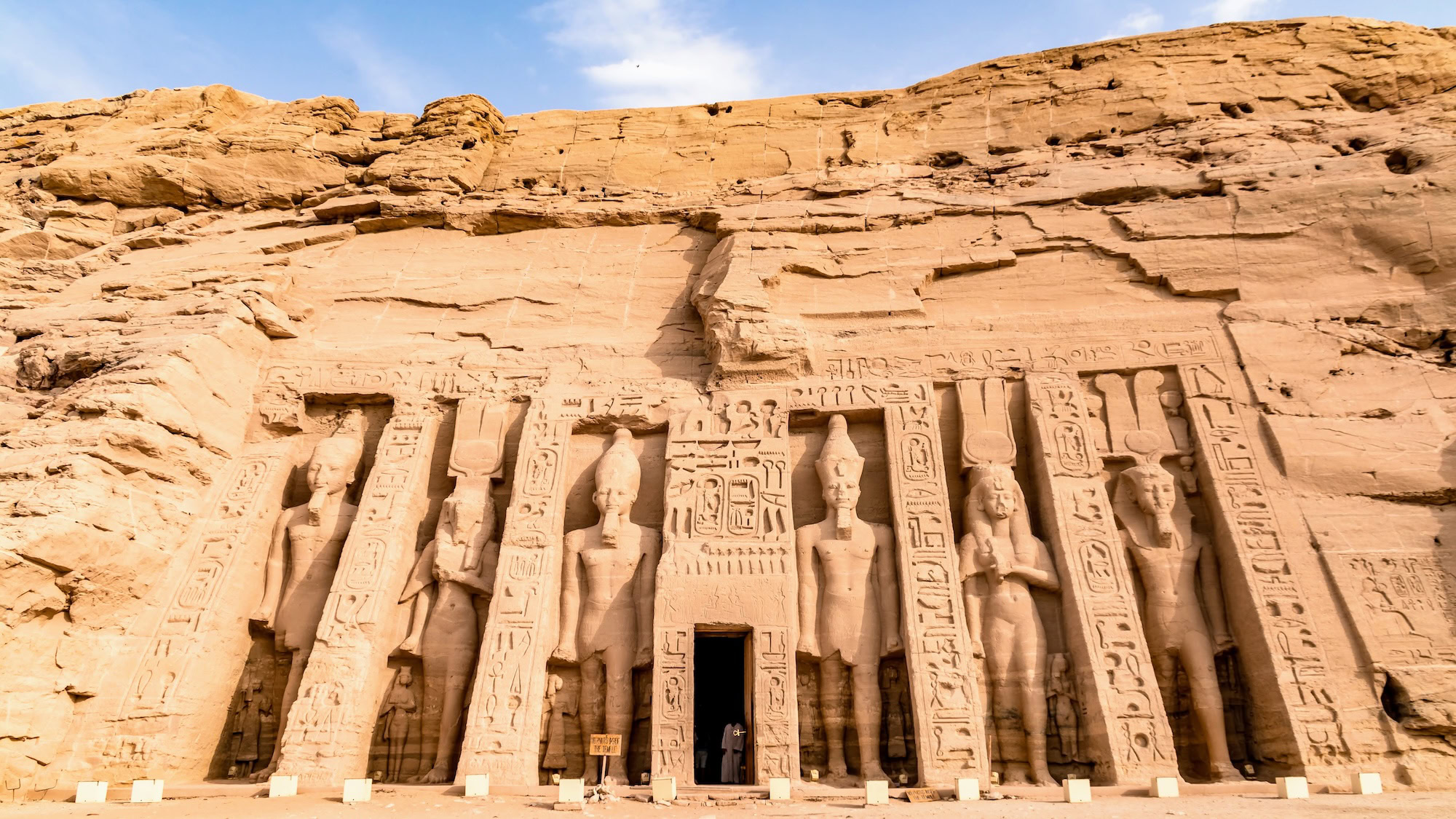
The smaller temple honors Queen Nefertari with six standing figures adorning its facade. Inside both temples, vivid wall paintings and intricate carvings remain remarkably well-preserved despite their desert location. Most visitors join day trips from Aswan, though the journey requires an early morning departure to maximize time at this incredible site.
Kom Ombo and Edfu: The Twin Temple Experience
Situated between Aswan and Luxor, these two temples offer distinct perspectives on ancient Egyptian religious practices. Kom Ombo Temple stands out for its unique dual design, honoring both Sobek, the crocodile god, and Horus, the falcon god, within a single structure — a rare architectural concept that creates striking mirrored imagery throughout the complex.
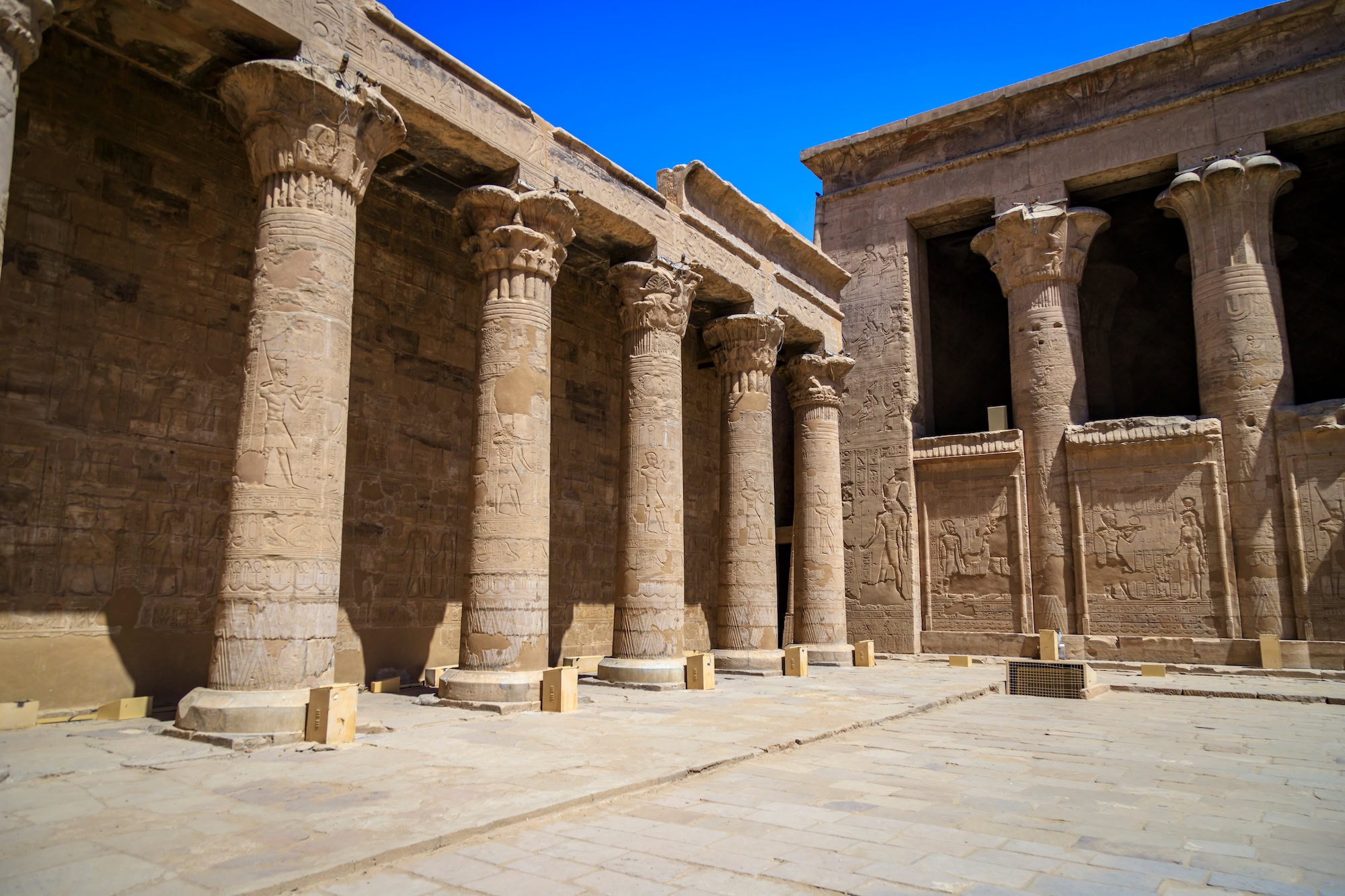
Edfu Temple, dedicated solely to Horus, represents Egypt’s best-preserved ancient temple. Its massive pylons and intact roof provide visitors with the closest possible experience to how these structures appeared 2,000 years ago.
Nubian Culture and Villages: Authentic Cultural Encounters
Aswan’s Nubian communities preserve traditions that stretch back thousands of years, offering visitors insights into a culture that predates pharaonic Egypt itself.
The colorful houses of Nubian villages, painted in bright blues, yellows, and oranges, create a striking contrast against the desert landscape. Families welcome visitors into their homes for traditional meals featuring spiced fish, lentils, and fresh bread baked in outdoor ovens. These intimate encounters provide understanding of daily life that extends far beyond typical tourist interactions.
Nubian hospitality extends to sharing stories, demonstrating traditional crafts like basket weaving, and explaining the significance of henna painting. Many families maintain small crocodiles as pets, continuing an ancient connection to the Nile’s wildlife that modern visitors find both surprising and fascinating.

Local artisans create intricate jewelry, textiles, and pottery using techniques passed down through generations. Purchasing these handcrafted items directly supports community members while ensuring authentic souvenirs that carry real cultural significance.
Nile River Activities and Island Explorations
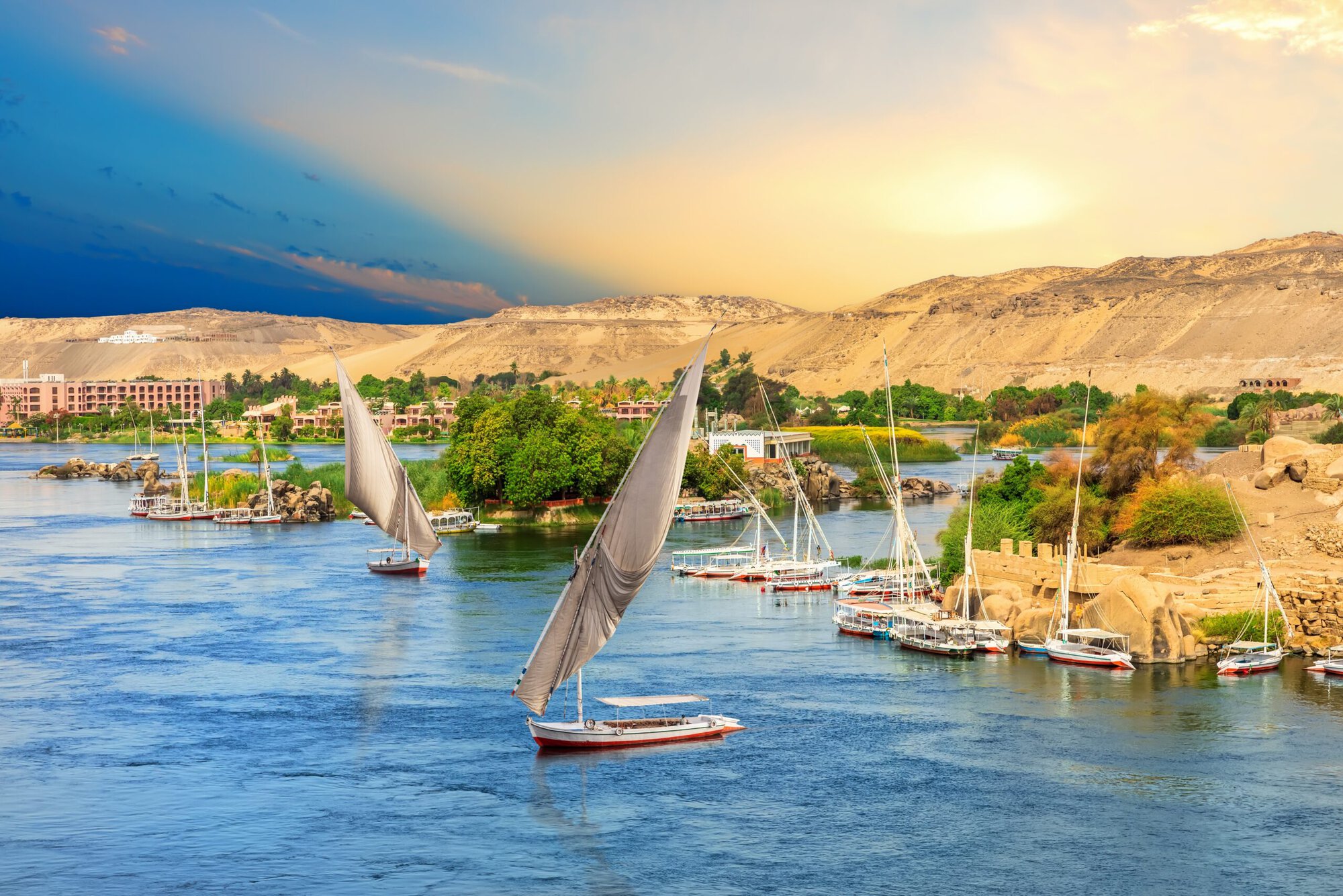
The Nile River around Aswan offers some of Egypt’s most scenic and peaceful waterway experiences. Traditional felucca sailboats provide the perfect platform for appreciating the river’s timeless beauty.
Felucca Sailing Adventures
These traditional wooden boats, powered entirely by wind and current, offer a completely different perspective on the Nile. Expert captains navigate between granite boulders and small islands while passengers relax under billowing white sails.
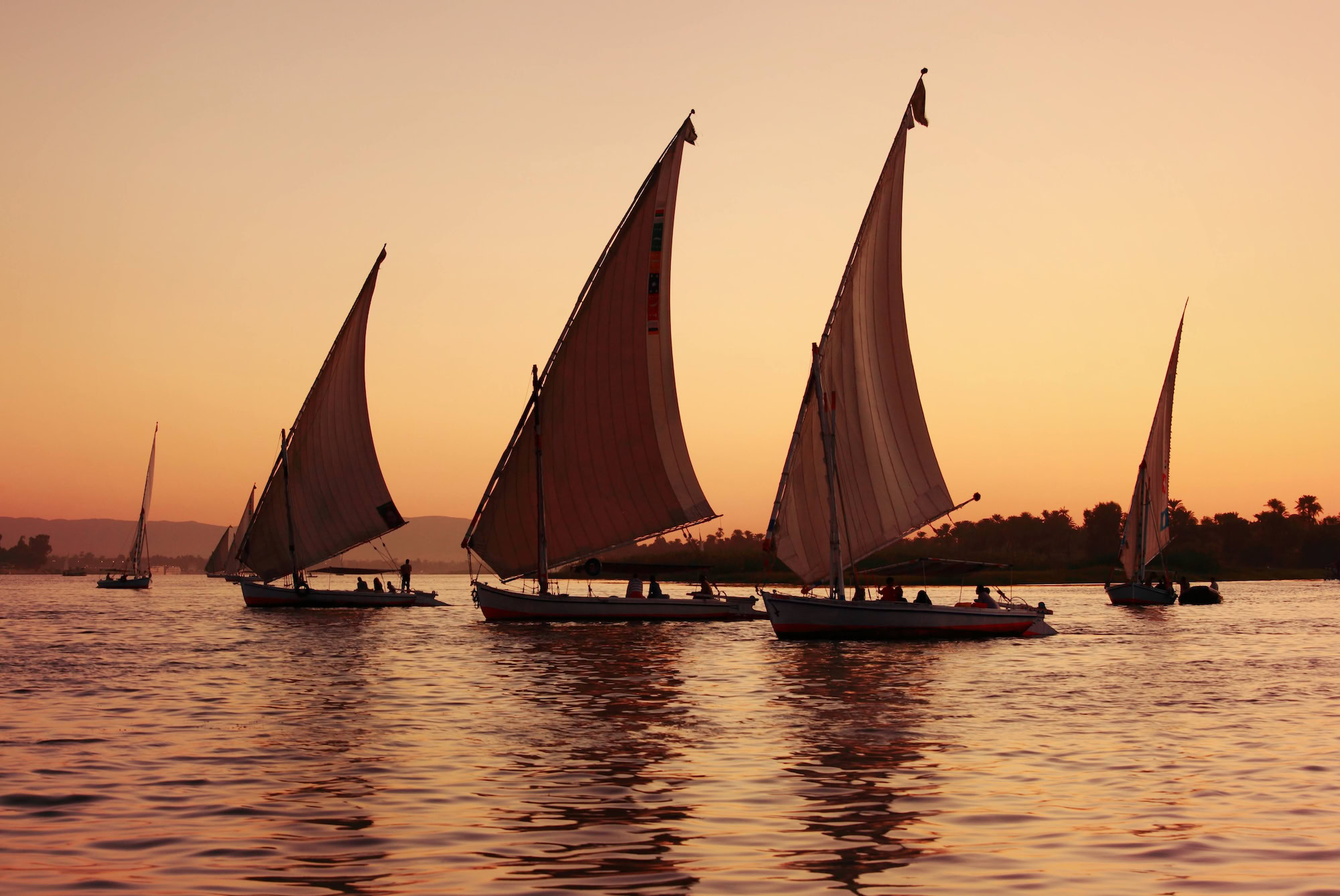
Sunset felucca trips rank among Aswan’s most magical experiences. The golden light transforms the desert hills into a painter’s palette while Nubian songs drift across the water from nearby villages.
Elephantine Island Archaeological Treasures
This large island opposite Aswan’s main city contains ruins spanning over 3,000 years of continuous habitation. Archaeological excavations continue revealing new insights into ancient Egyptian provincial life. The Aswan Museum houses artifacts discovered on the island, including mummified rams sacred to the god Khnum.
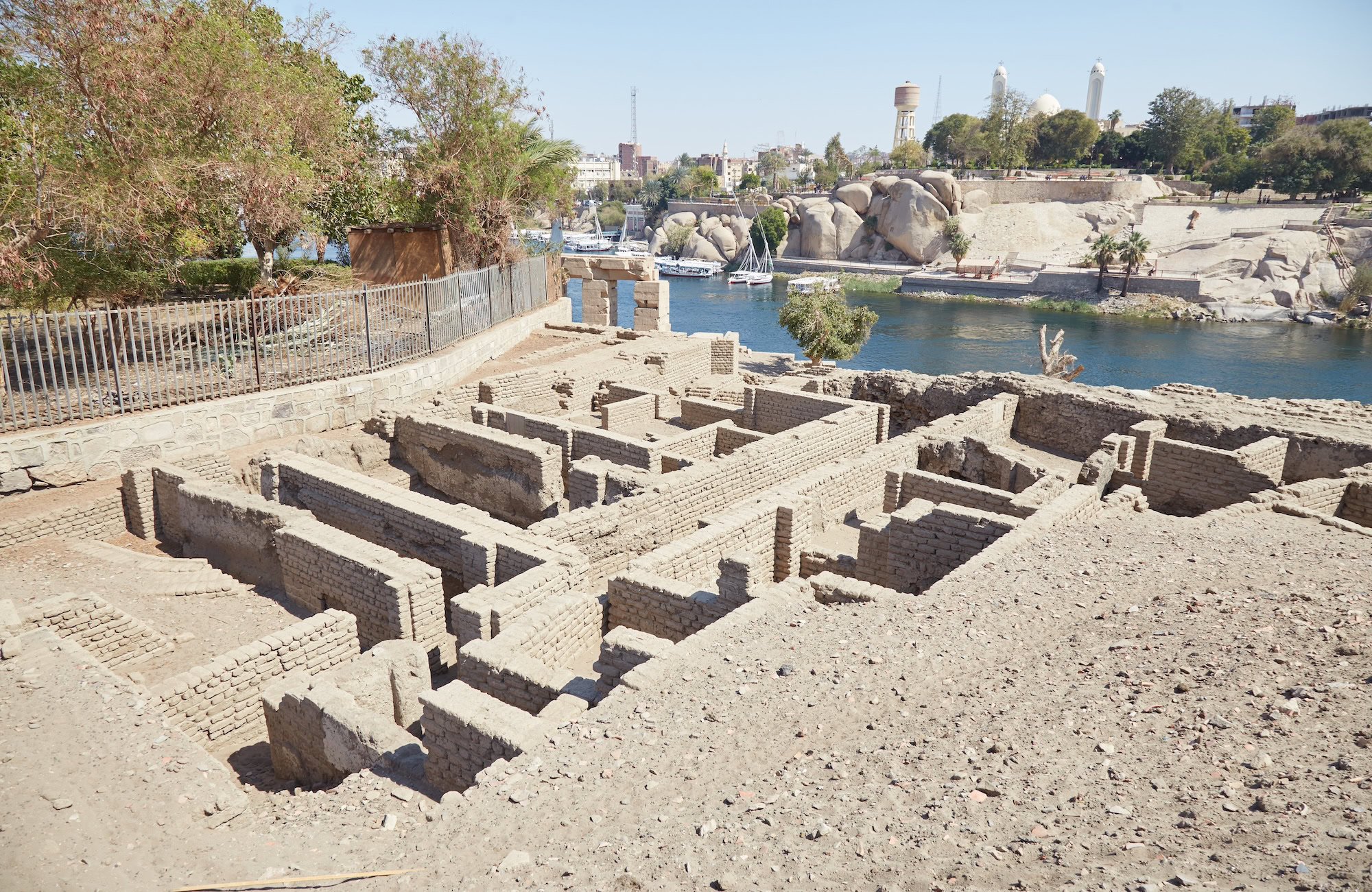
Small Nubian communities still inhabit parts of Elephantine Island, creating an interesting blend of ancient history and contemporary life. Walking paths wind between excavation sites and modern homes, offering glimpses into both past and present.
Kitchener’s Island Botanical Gardens
Lord Kitchener transformed this small island into a botanical paradise during British colonial rule. Today, the gardens contain exotic plants from across Africa and beyond, creating a green oasis that provides welcome shade during hot afternoons.
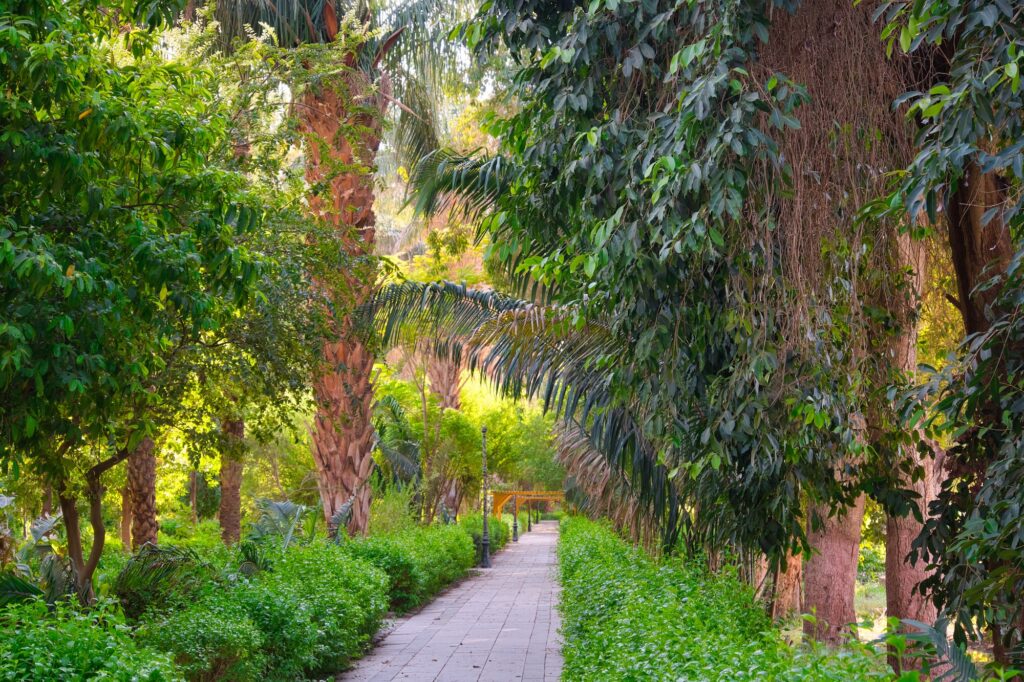
Peacocks roam freely through the gardens while rare birds nest in towering palm trees. The combination of manicured landscapes and wild Nile scenery creates a uniquely peaceful environment for afternoon strolls.
Modern Marvels and Engineering Achievements
Aswan’s contemporary attractions demonstrate human ambition on a scale matching its ancient monuments.
The Aswan High Dam stands as one of the 20th century’s most significant engineering projects. This massive concrete barrier controls the Nile’s annual flood cycle while generating electricity for much of Egypt. Lake Nasser, created by the dam’s construction, stretches over 500 kilometers (310 miles) into Sudan.
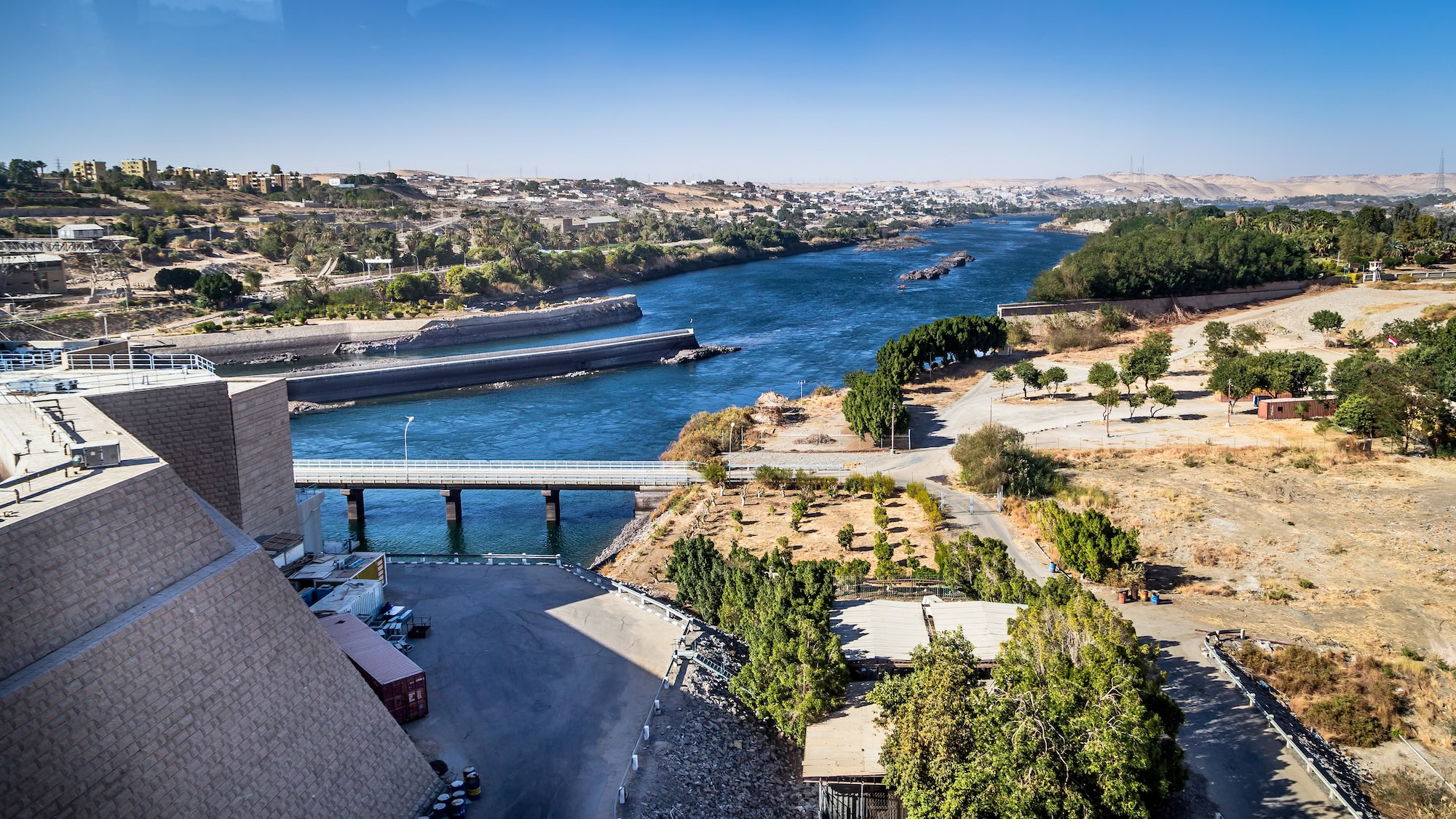
Visitor centers explain the dam’s construction challenges and environmental impact, including the massive UNESCO operation that saved Abu Simbel and other Nubian monuments from flooding. Observation platforms provide views across the dam’s impressive structure and the vast lake beyond.
The contrast between this modern achievement and nearby ancient temples illustrates Egypt’s incredible historical span – from pharaohs who moved massive stone blocks to contemporary engineers who literally moved entire temple complexes.
Construction of the High Dam required relocating over 100,000 Nubians from their ancestral lands, a human cost that adds complexity to appreciating this technical accomplishment. Understanding this history provides important context for engaging with Aswan’s Nubian communities today.
Historic Hotels and Luxury Experiences
Aswan’s most famous accommodation carries literary significance that extends far beyond typical luxury travel.
Old Cataract Hotel: Where History Meets Luxury
This legendary hotel has hosted royalty, writers, and celebrities since 1899. Agatha Christie wrote parts of “Death on the Nile” while staying here, finding inspiration in the hotel’s Nile-facing terraces and elegant Victorian atmosphere.
The hotel’s terraces offer unmatched views of Elephantine Island and the First Cataract’s granite formations. Afternoon tea service continues the colonial-era tradition while contemporary spa services blend ancient Egyptian wellness practices with modern luxury amenities.
Even visitors not staying at the Old Cataract can appreciate its historic significance by dining at its restaurants or enjoying drinks on the famous terrace where countless famous guests have watched Nile sunsets.
Practical Attractions: Markets and Museums
Aswan Souk: Authentic Market Experience
Unlike Cairo’s tourist-focused bazaars, Aswan’s souk serves local residents alongside visitors. Spice vendors display colorful pyramids of cardamom, cinnamon, and hibiscus while fabric merchants offer traditional galabiyyas and colorful scarves.
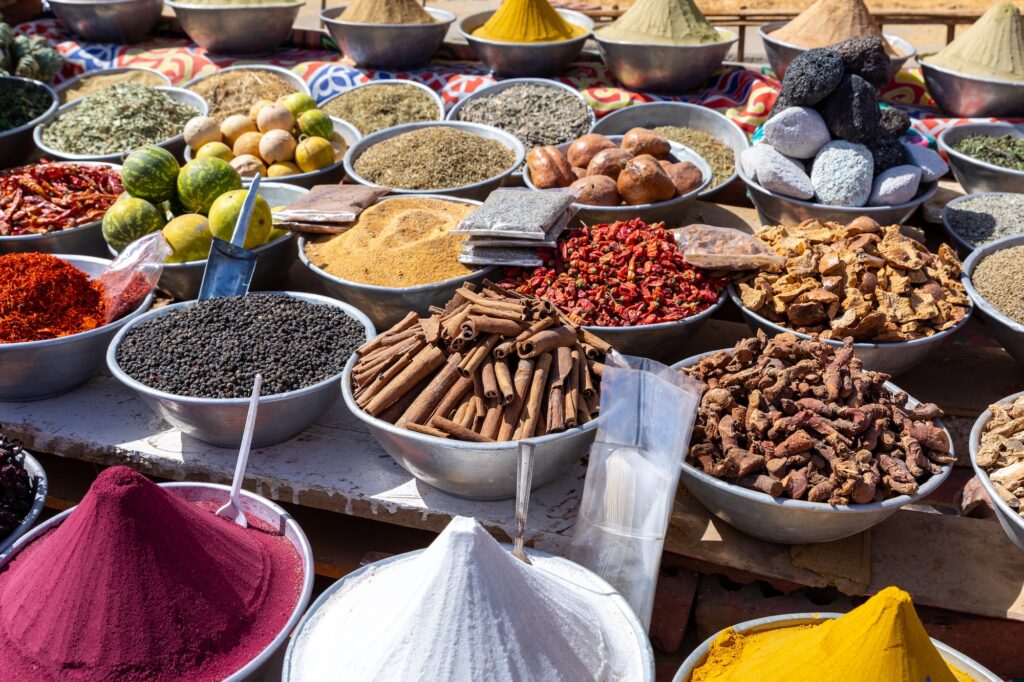
The souk’s narrow alleys contain workshops where craftsmen repair traditional items and create new pieces using time-honored techniques. Haggling remains expected, but the atmosphere feels less aggressive than in larger tourist markets.
Nubian Museum: Cultural Heritage Preserved
This modern museum chronicles Nubian civilization from prehistoric times through the present day. Artifacts saved during the High Dam construction provide insights into daily life, religious practices, and artistic achievements of communities now submerged beneath Lake Nasser.
Interactive displays explain traditional architecture, agricultural practices, and social customs that continue influencing contemporary Nubian communities. The museum serves as an essential complement to village visits, providing historical context for cultural encounters.
Unfinished Obelisk: Ancient Stone Carving Revealed
This massive granite obelisk, abandoned in Aswan’s ancient quarries, would have stood 42 meters (138 feet) tall if completed – making it the largest obelisk ever attempted by ancient Egyptians.
Cracks discovered during carving forced workers to abandon the project, leaving modern visitors with unprecedented insight into ancient stone-working techniques. Tool marks remain visible on the granite surface, while the surrounding quarry reveals how massive blocks were extracted using copper tools, wooden wedges, and water.
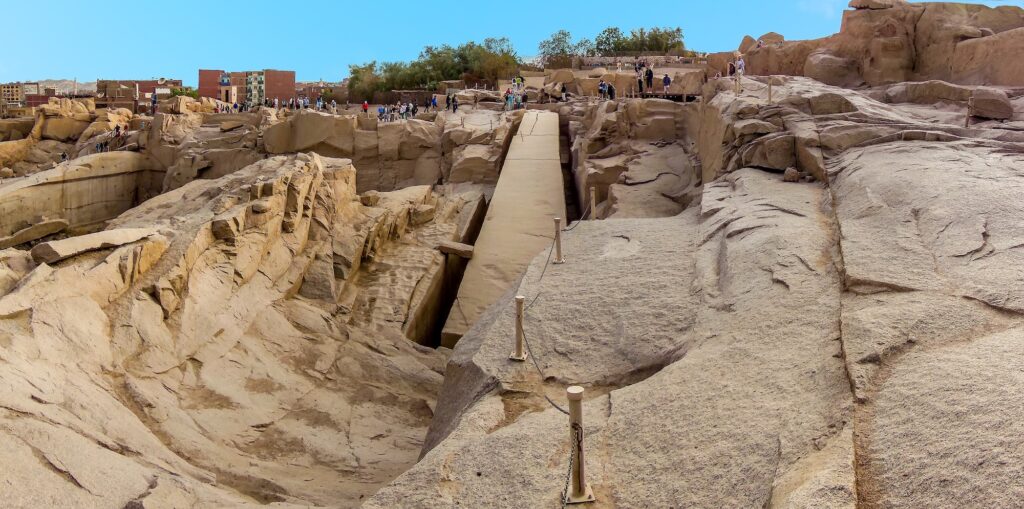
The site demonstrates the incredible precision required for creating monuments found throughout Egypt, all carved from granite quarried in this exact location thousands of years ago.
Day Trips and Extended Explorations
Kalabsha Temple: Hidden Island Sanctuary
This lesser-known temple, relocated to an island near the High Dam, offers peaceful exploration without crowds found at more famous sites. Dedicated to the Nubian god Mandulis, the temple represents the blending of Egyptian and Nubian religious traditions that characterized this border region.
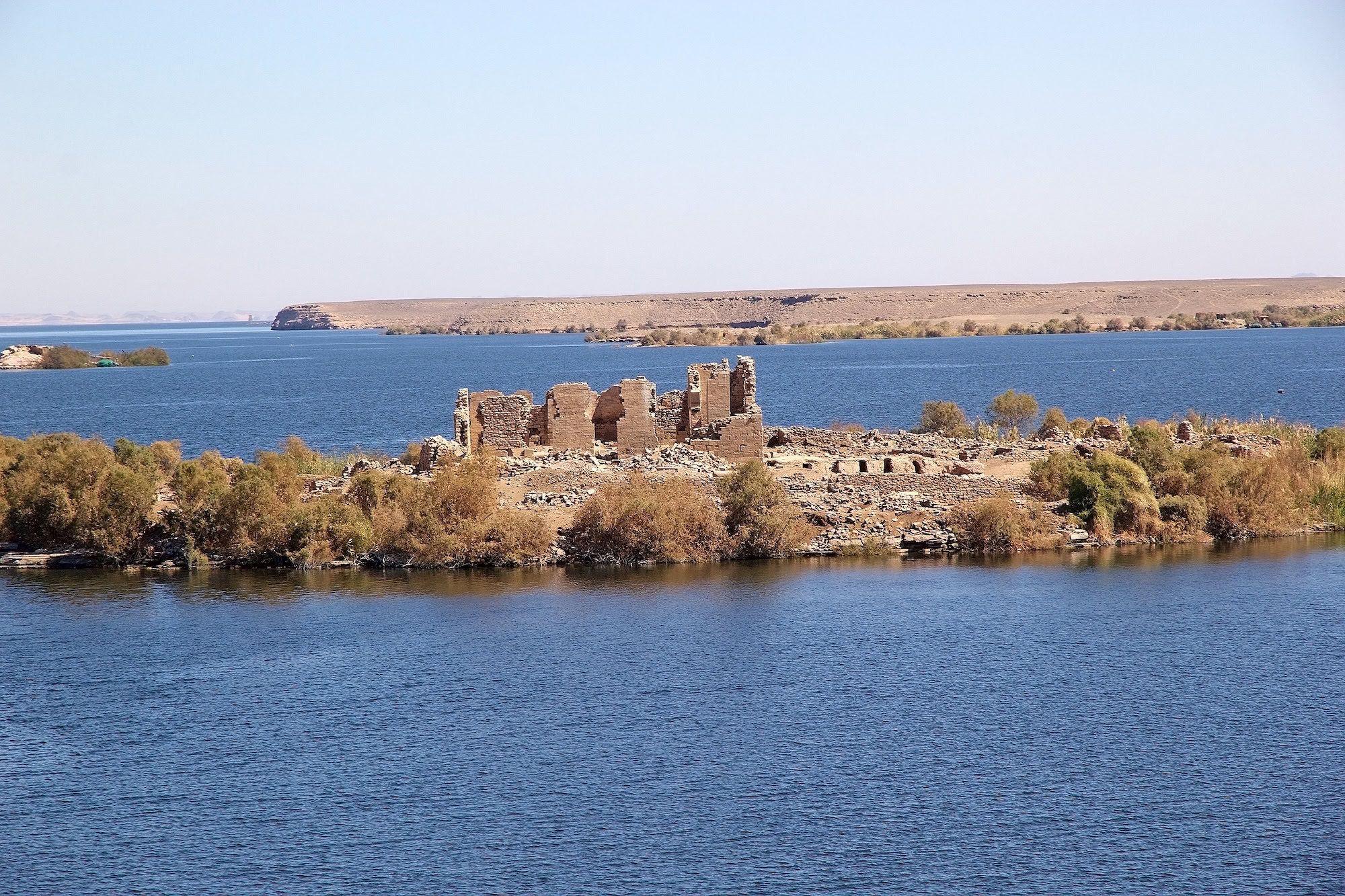
Boat access to Kalabsha requires advance planning, but rewards visitors with one of Egypt’s most serene temple experiences. The surrounding island provides excellent views of Lake Nasser and opportunities for bird watching.
Desert Adventures and Natural Formations
The granite formations around Aswan create dramatic landscapes perfect for photography and hiking. Wind and water erosion have carved the rocks into fascinating shapes while creating natural swimming pools filled during high Nile seasons.
Camel treks into the Eastern Desert reveal Bedouin camps and provide stargazing opportunities away from city lights. These excursions typically include traditional meals and insights into desert survival techniques still practiced by nomadic communities.
Seasonal Considerations and Best Times to Visit
Winter months (November through February) offer the most comfortable temperatures for exploring outdoor attractions, with daytime highs around 25°C (77°F). Summer temperatures often exceed 45°C (113°F), making morning and evening activities most practical.
Spring months (March through May) provide excellent conditions for Nile activities while avoiding peak tourist crowds. The shoulder season combines pleasant weather with better accommodation availability and more intimate experiences at major attractions.
Ramadan observance affects restaurant hours and cultural site operations, though the evening Iftar celebrations create unique opportunities for cultural exchange with local communities.
Frequently Asked Questions
How long should I spend in Aswan to see the main attractions?
Three to four days allows comfortable exploration of major sites including Philae Temple, Abu Simbel day trip, Nubian village visit, and felucca sailing without feeling rushed.
Can I visit Abu Simbel as a day trip from Aswan?
Yes, organized day trips depart early morning (around 4:00 am) and return by late afternoon, allowing approximately three hours at the temple complex.
What’s the best way to reach Philae Temple?
Motorboats from the marina near Aswan High Dam provide the only access to the temple island, with trips taking about 10 minutes each way.
Are Nubian village tours authentic cultural experiences?
When arranged through responsible operators, village visits provide genuine cultural exchange, though some commercialization is inevitable in frequently visited locations.
Should I book felucca trips in advance?
During peak season (winter months), advance booking ensures better boat selection and preferred departure times, especially for sunset trips.
What should I wear when visiting temples and villages?
Modest clothing covering shoulders and knees shows respect for local customs, while comfortable walking shoes help navigate uneven ancient surfaces.
How challenging is the Abu Simbel day trip?
The long bus journey (4+ hours round trip) requires early departure, but paved roads and air-conditioned vehicles make the experience manageable for most travelers.
Can I combine Aswan attractions with Luxor visits?
Multi-day Nile cruises between the cities include guided excursions to major attractions in both destinations, maximizing time efficiency for comprehensive exploration.
What local foods should I try in Aswan?
Nubian specialties include spiced fish, ful medames (fava beans), and traditional bread, often served with local honey and fresh vegetables grown in Nile Valley.
Is it worth staying overnight at Abu Simbel?
The small town offers limited accommodation, but overnight stays allow experiencing the temple complex during different lighting conditions and avoiding day-trip crowds.
How do I arrange authentic Nubian cultural experiences?
We work directly with Nubian families and community leaders to create meaningful cultural exchanges that benefit local communities while providing genuine insights into this ancient culture.
What makes Aswan different from other Egyptian destinations?
Aswan’s unique position at the intersection of Egyptian, Nubian, and Sudanese cultures, combined with its spectacular natural setting among granite islands and cataracts, creates experiences unavailable elsewhere in Egypt.
Ancient Wonders of Aswan, Modern Comfort
Sail the Nile Through Aswan Like a Pharaoh

Design Your Custom Tour
Explore Egypt your way by selecting only the attractions you want to visit