Ancient Tombs in Egypt
Step back into a world of mystery and timeless wonder as you explore Ancient Tombs in Egypt. These sacred resting places reveal extraordinary art, royal secrets, and the enduring beliefs of a civilization that shaped history—inviting you on an unforgettable journey into Egypt’s eternal past.
Uncover the Hidden Chambers of Egypt’s Eternal Legacy
Explore the Ancient Tombs of Egypt
Ancient Tombs in Egypt: An In-Depth Guide
Death was never an ending for the ancient Egyptians.
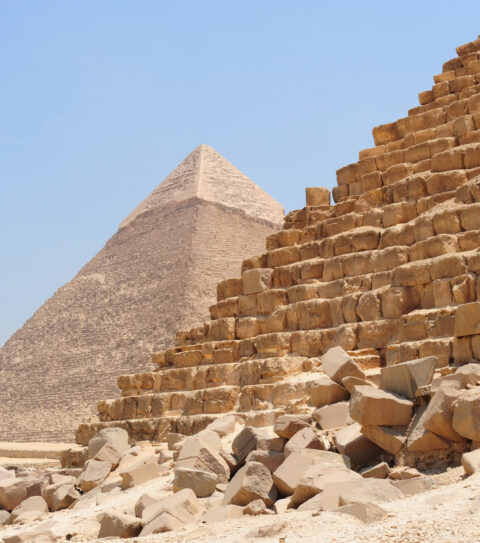
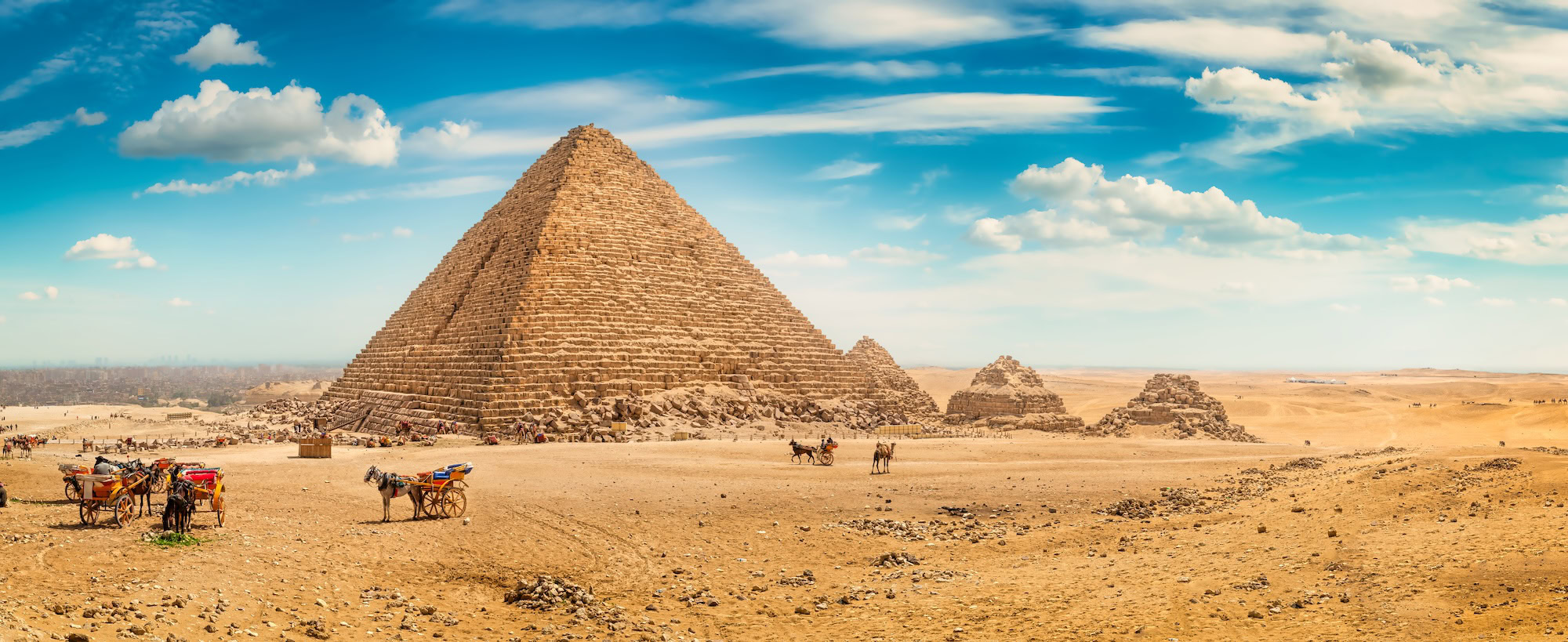
Walking through Egypt today, you encounter structures that defy time itself. From the towering pyramids at Giza to hidden burial chambers carved deep into Valley of the Kings‘ limestone cliffs, these monuments reveal humanity’s oldest quest for immortality. Each tomb tells a unique story of religious devotion, social hierarchy, and architectural innovation spanning over 3,000 years of continuous civilization.
Pyramid Architecture: Engineering for Eternity
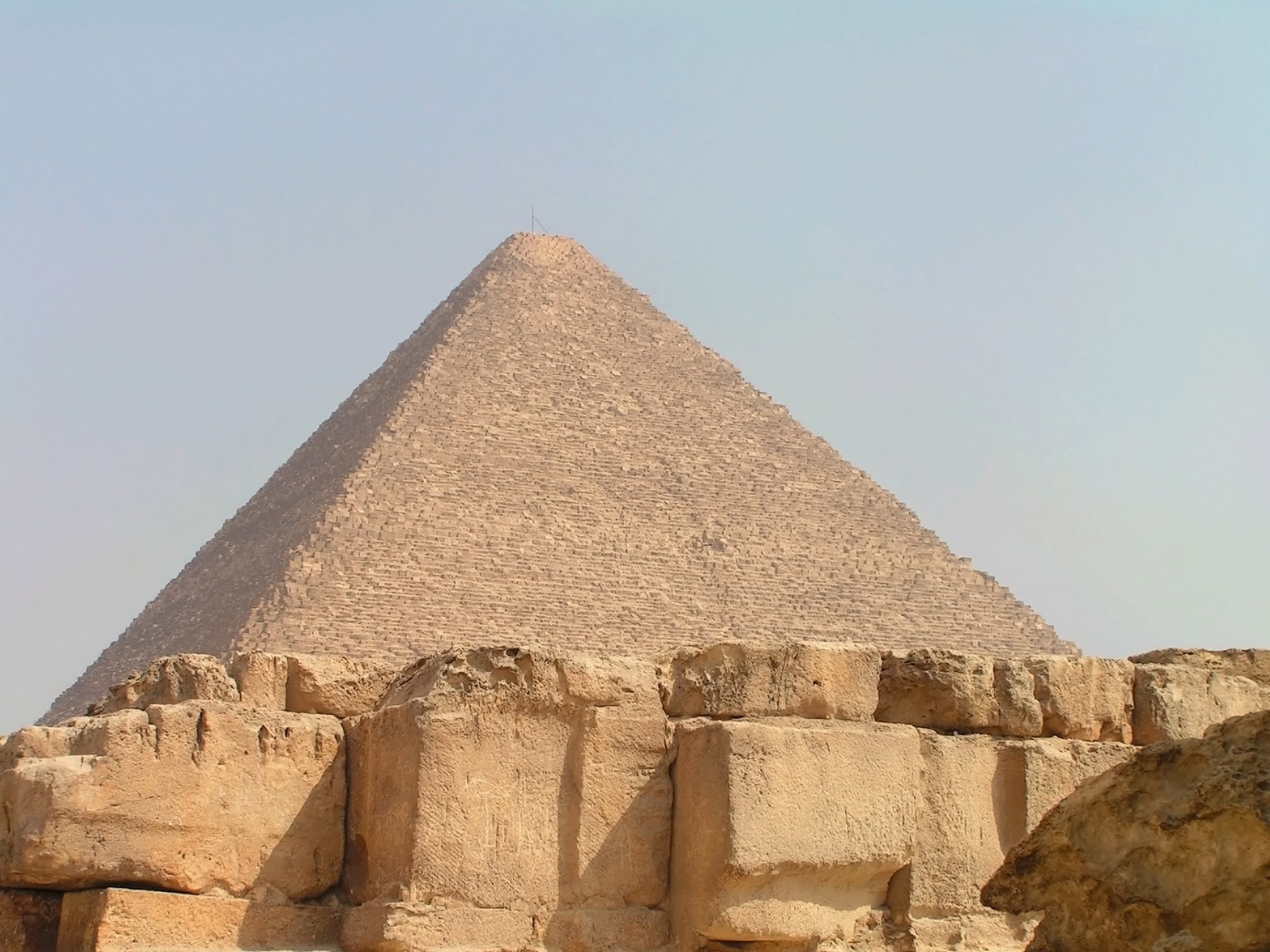
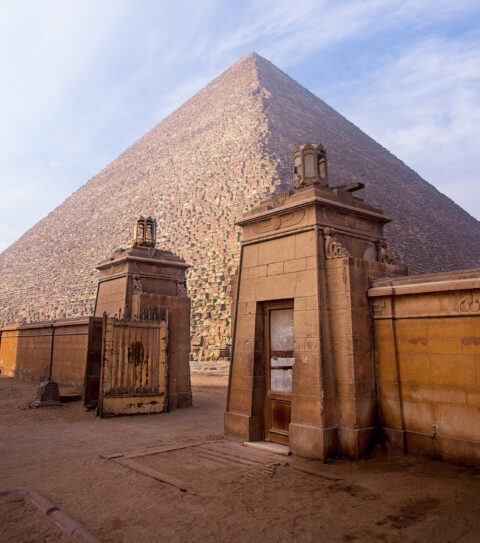
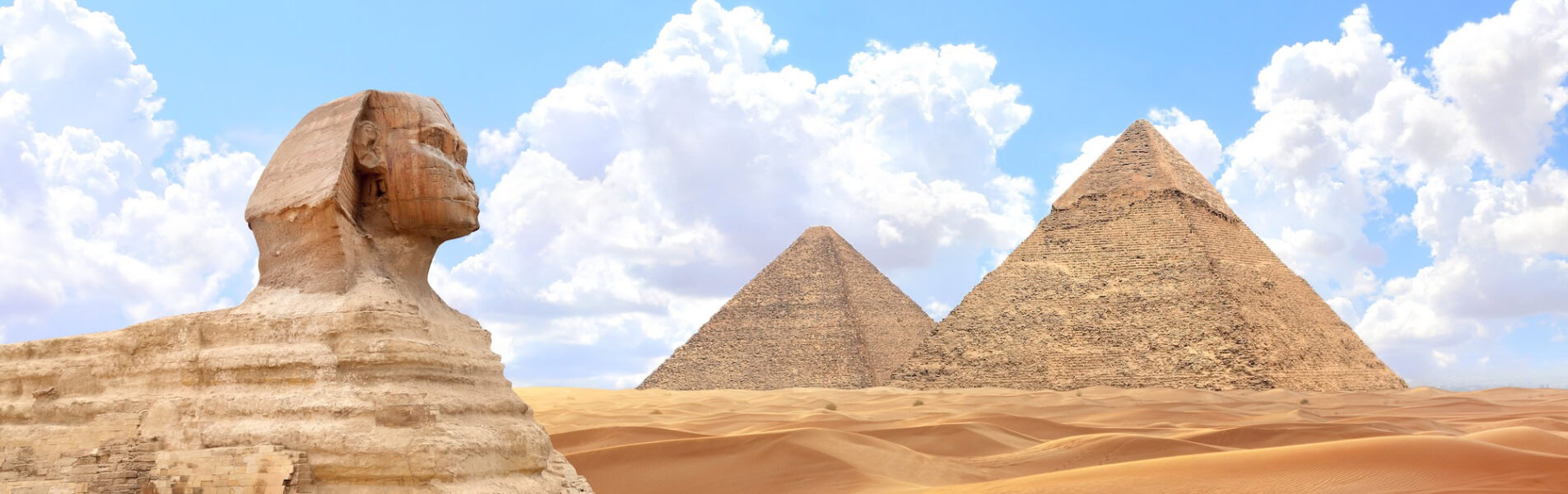
The Great Pyramid of Khufu stands as humanity’s most ambitious tomb project. Rising 481 feet above the Giza plateau, this monument required over 2 million limestone blocks, each weighing between 2.5 and 15 tons.
Internal Chamber Systems
Deep within Khufu’s pyramid lies a complex network of passages and chambers. The King’s Chamber, constructed from red granite blocks, housed the pharaoh’s sarcophagus at the pyramid’s heart. Above it, five relieving chambers distribute the massive weight of stone pressing down from above.
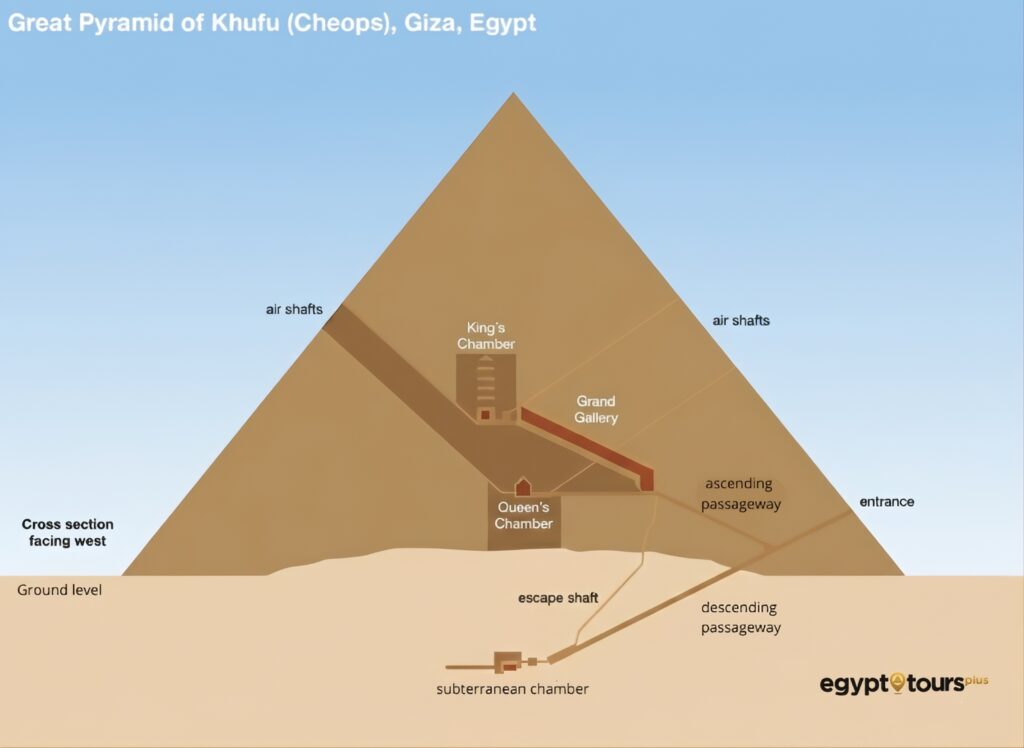
The ascending passage, initially sealed with granite plugs, created a one-way journey into the burial chamber. Ancient architects designed every angle and measurement with precision – the descending passage aligns perfectly with the North Star as it appeared 4,500 years ago.
Construction Techniques
Recent archaeological discoveries at Giza revealed how workers transported massive stones. Ramps spiraling around the pyramid’s exterior allowed teams to haul blocks to increasingly higher levels. Evidence suggests over 20,000 workers labored for two decades to complete Khufu’s tomb.
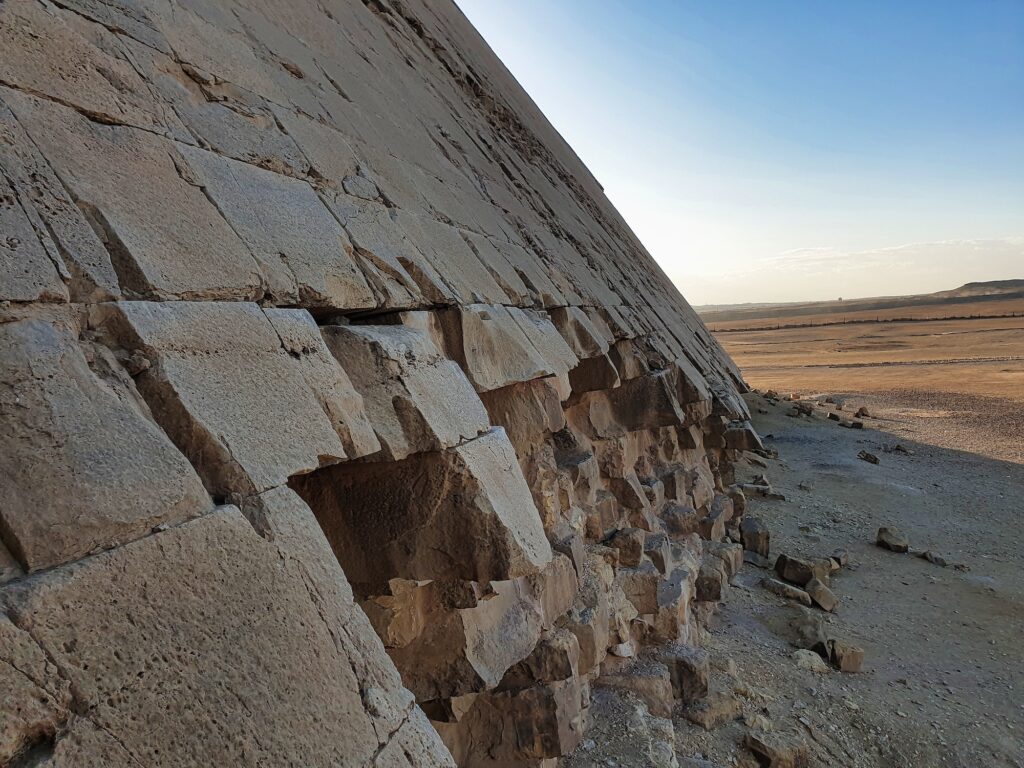
The pyramid complex extended far beyond the main structure. Smaller queens’ pyramids, mortuary temples, and causeways created a complete burial city designed to serve the pharaoh’s ka throughout eternity.
Symbolic Geometry
Every measurement carried religious significance. The pyramid’s base perimeter equals the circumference of a circle with the pyramid’s height as radius. This mathematical relationship connected earthly architecture with cosmic order, ensuring the deceased pharaoh’s successful journey to join the sun god Ra.
Social Stratification in Ancient Egyptian Burial Practices
Egyptian tomb construction reflected rigid social hierarchies that governed life and death. Elite burials consumed enormous resources while common people received simple pit graves with minimal grave goods.
Royal tombs required decades of planning and construction. Pharaohs began building their eternal resting places upon taking the throne, mobilizing the kingdom’s finest craftsmen, architects, and artists. These projects employed thousands of workers and consumed significant portions of Egypt’s annual resources.
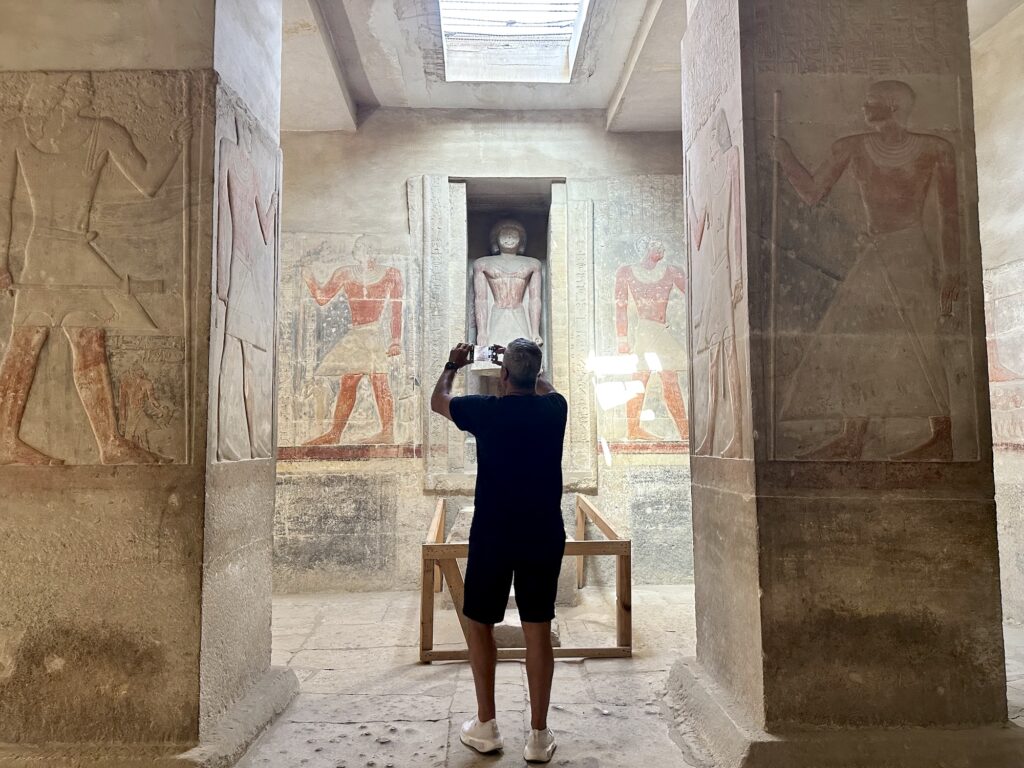
Nobles and high officials constructed mastabas – rectangular, flat-topped structures that dominated Egypt’s early dynastic period. These impressive tombs featured multiple chambers, elaborate decorations, and serdab rooms containing statues of the deceased. The mastaba of Ptahhotep at Saqqara exemplifies this architectural form, with intricate reliefs depicting daily life and religious ceremonies.
Working Class Burials
Archaeological excavations near the Giza pyramids uncovered cemeteries containing pyramid builders’ graves. These burials reveal surprising details about worker treatment and living conditions. Many skeletons show signs of arthritis and bone injuries consistent with heavy manual labor, yet burial goods and tomb construction indicate these workers held respected positions in society.
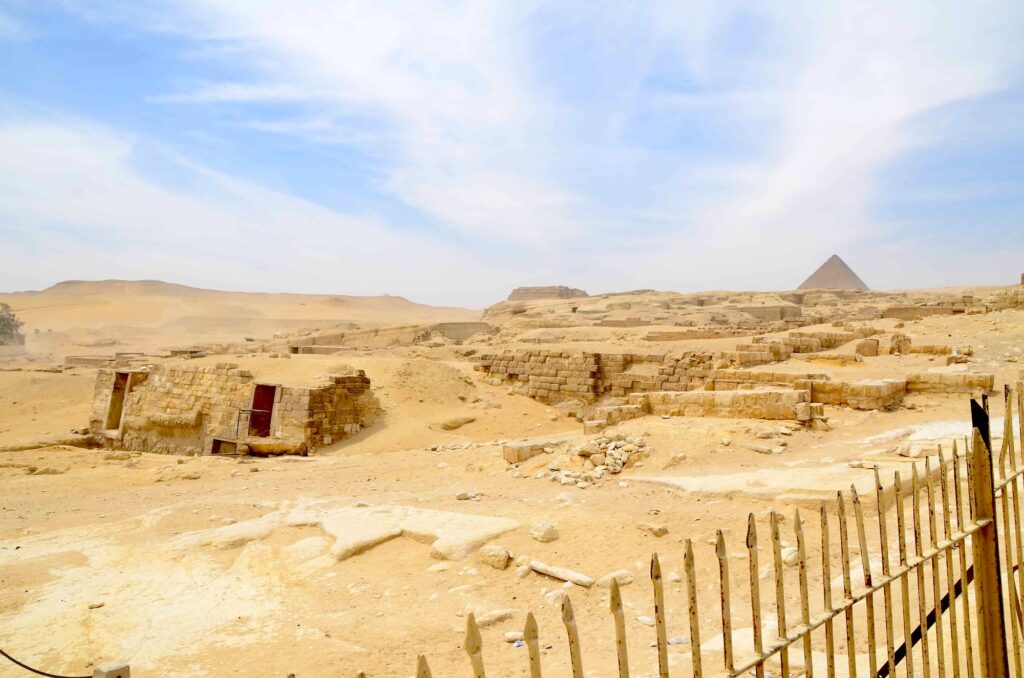
Inti-shedu, a pyramid builder whose tomb was discovered in 1990, received burial with beer jars and bread loaves – provisions for his afterlife journey. His tomb’s location near the great pyramids suggests pyramid workers enjoyed elevated status compared to ordinary laborers.
Regional Variations
Upper and Lower Egypt developed distinct burial traditions. Northern regions favored stone construction and elaborate underground chambers, while southern areas utilized cliff-face tombs carved into natural rock formations. The Wadi Qubbaniya cemetery demonstrates how local geography influenced burial practices.
Climate and available materials shaped regional tomb styles. Areas with abundant limestone saw extensive underground construction, while regions with harder rock types relied more heavily on surface structures and mudbrick construction.
Religious Functions of Ancient Egyptian Tombs
Ancient Egyptians viewed tombs as eternal homes where the deceased continued living in the afterlife. These weren’t simply burial sites but complex religious machines designed to sustain the ka – the life force that survived physical death.
Mortuary chapels served as interfaces between the living and dead. Family members brought food offerings, performed rituals, and maintained the deceased’s memory through regular visits. False doors, carved into chapel walls, provided symbolic passages allowing the ka to receive offerings and interact with the living world.
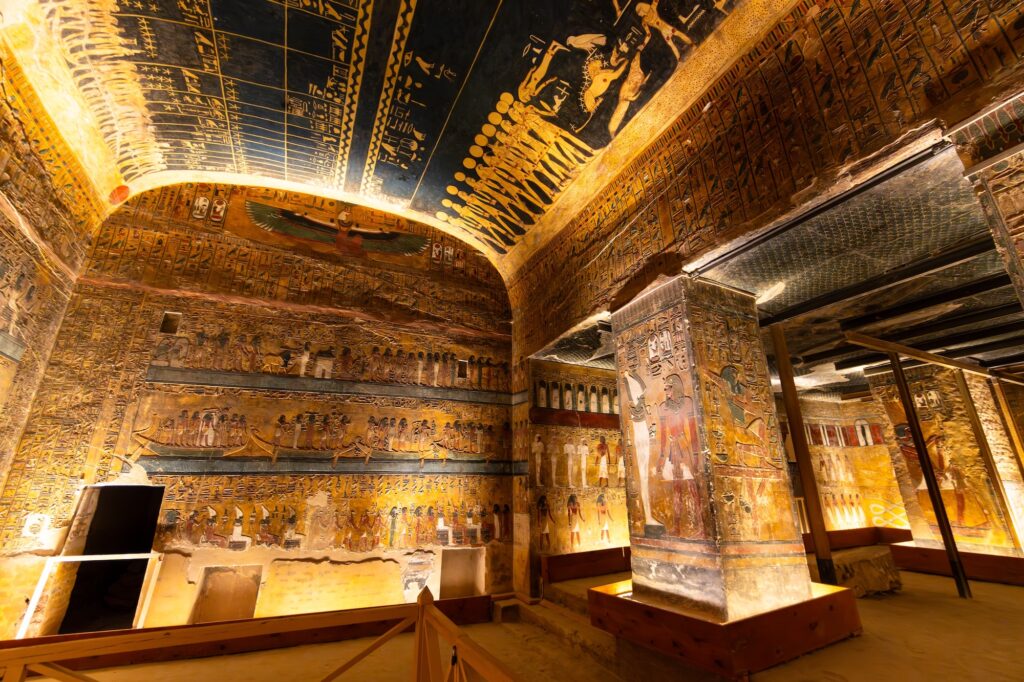
The journey to the afterlife required successful navigation through the Duat – the dangerous underworld realm. Tomb walls displayed detailed maps and instructions from the Book of the Dead, providing the deceased with spells, passwords, and guidance needed to reach the Field of Reeds, where eternal life awaited.
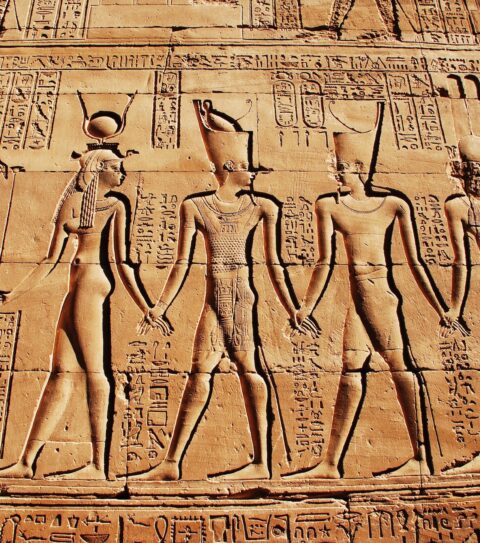
Wall paintings and hieroglyphic texts functioned as magical insurance policies. Scenes of daily activities, from farming to feasting, were believed to continue eternally in the afterlife. The tomb of Nebamun at Thebes contains vibrant paintings of fishing and fowling scenes that would provide perpetual recreation for his ka.
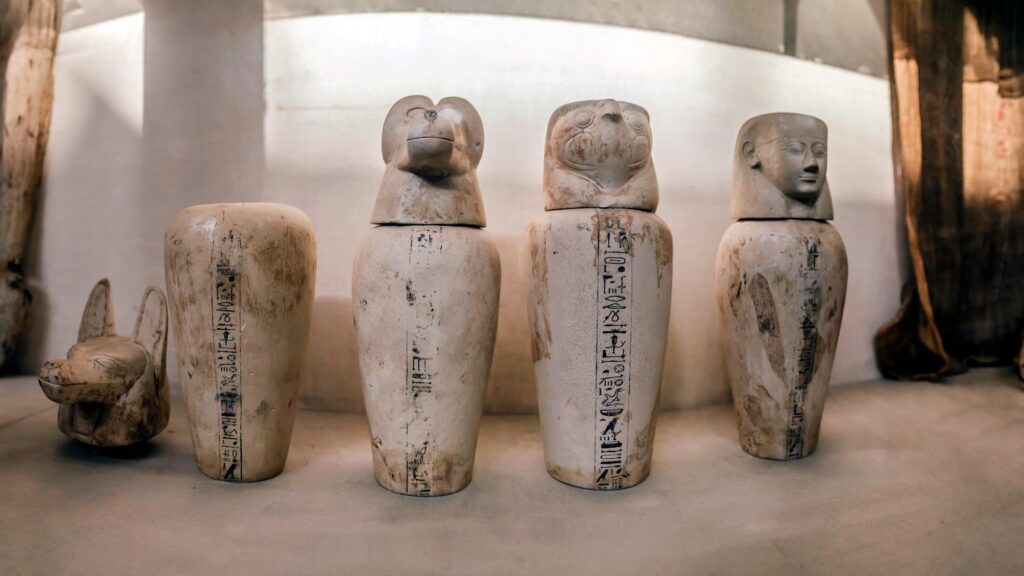
Sacred objects placed within burial chambers served specific religious purposes. Canopic jars preserved organs needed for physical resurrection. Shabtis – small figurines inscribed with magical texts – served as servants who would perform manual labor in the afterlife on behalf of the deceased.
Artistic Elements as Religious Tools
Every artistic element carried religious significance beyond mere decoration. Hieroglyphic inscriptions weren’t just texts but living words with power to affect reality. Speaking or reading these sacred writings activated their magical properties, ensuring continuous benefit for the tomb’s occupant.
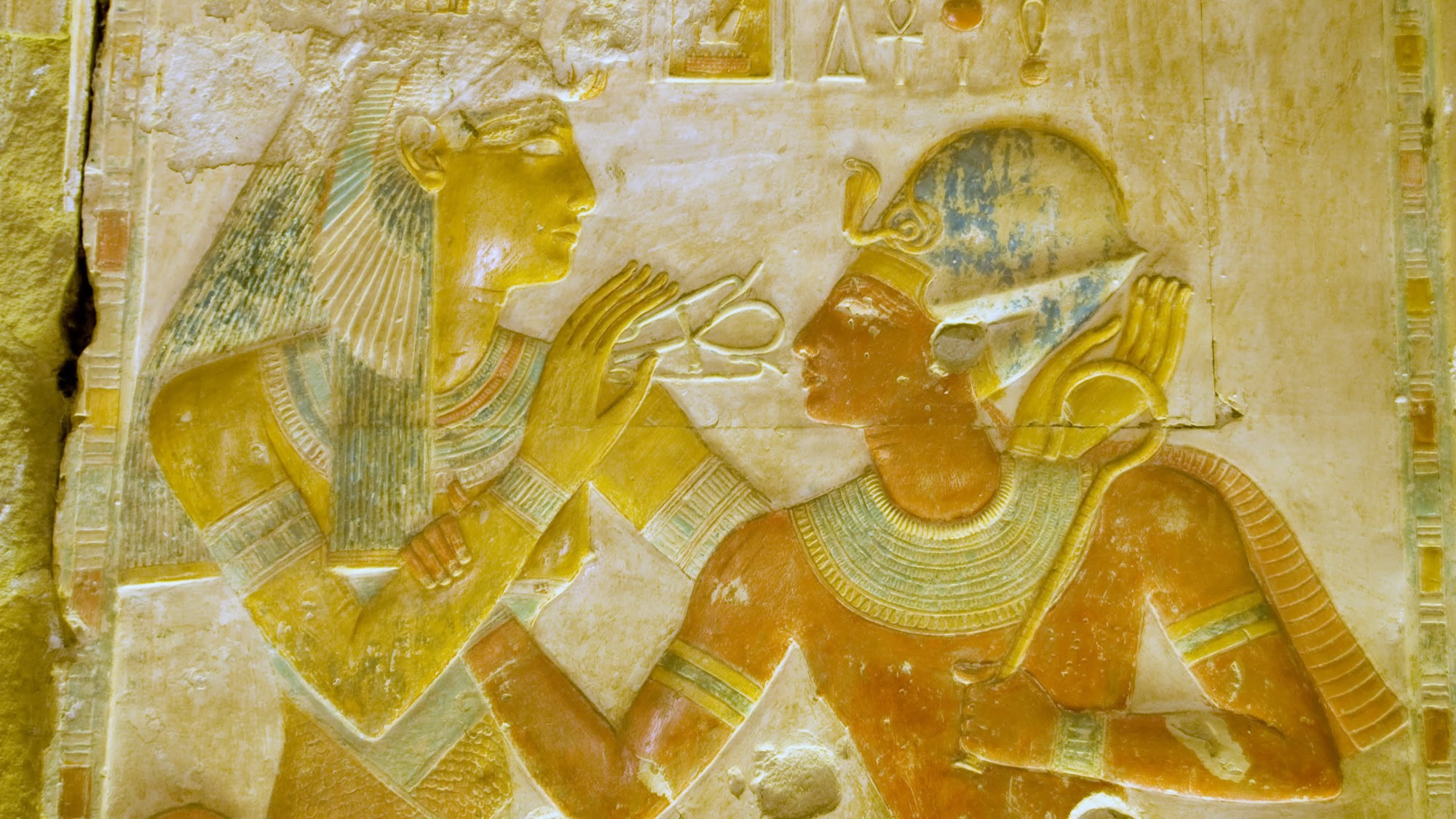
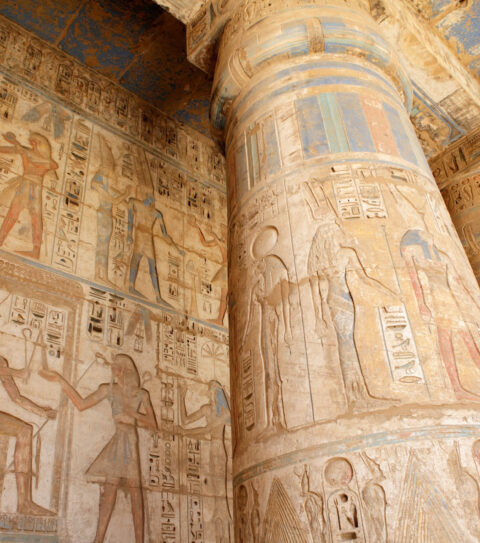
Colors held specific religious meanings. Gold represented eternal, divine flesh. Blue symbolized the life-giving Nile and rebirth. Red connected to vitality and power. Artists applied these colors according to strict religious guidelines, creating tombs that functioned as cosmic machines supporting eternal life.
Geographic and Architectural Variations Across Egypt
Egypt’s diverse landscape produced remarkably different tomb styles from north to south. The Memphis necropolis, serving the capital region, featured massive stone pyramids and elaborate mastaba fields reflecting the area’s political and economic importance.
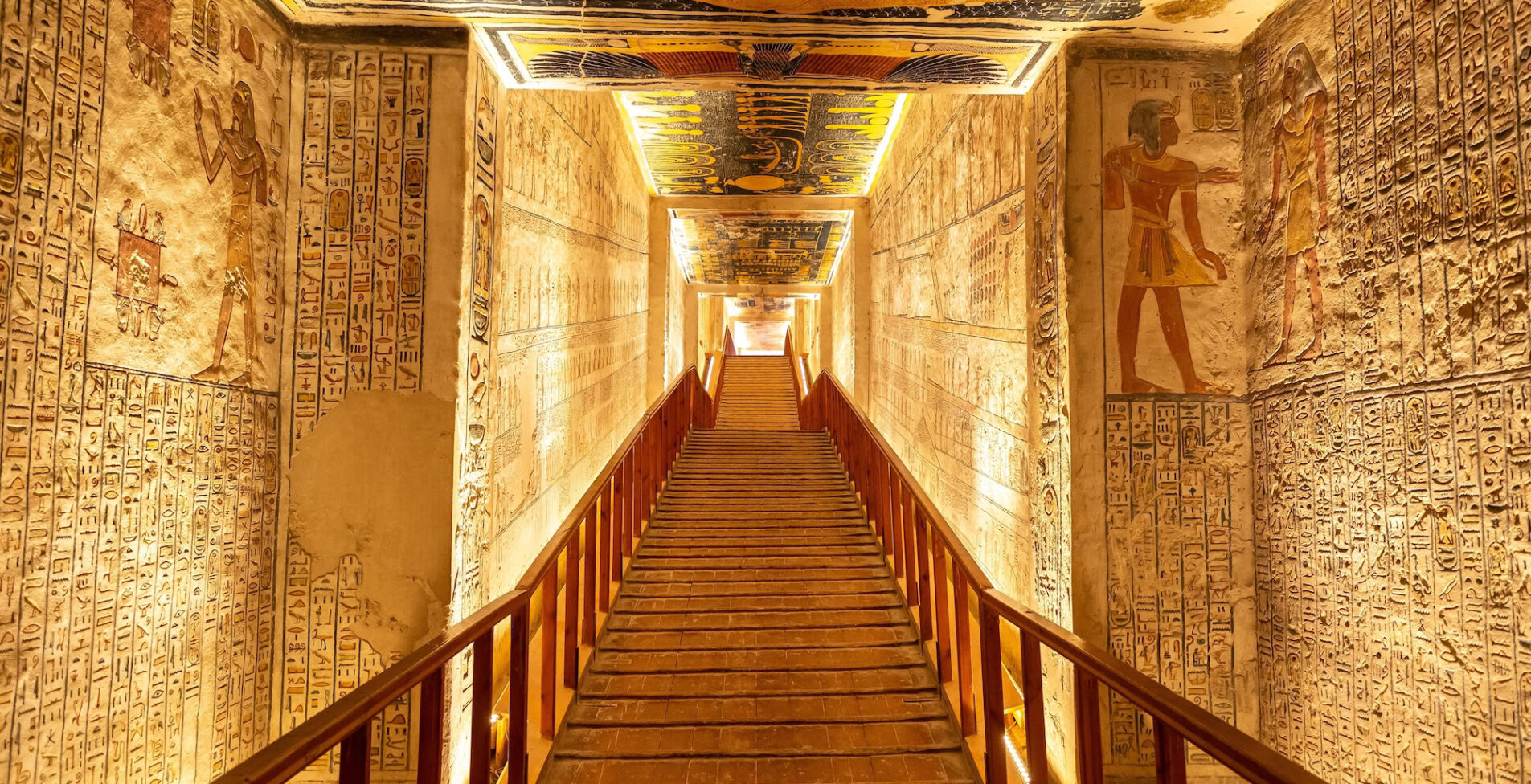
Thebes emerged as the New Kingdom’s religious center, where pharaohs abandoned pyramid construction in favor of hidden rock-cut tombs. The Valley of the Kings provided natural protection in limestone cliffs, allowing for deep, complex burial chambers decorated with sophisticated religious art.
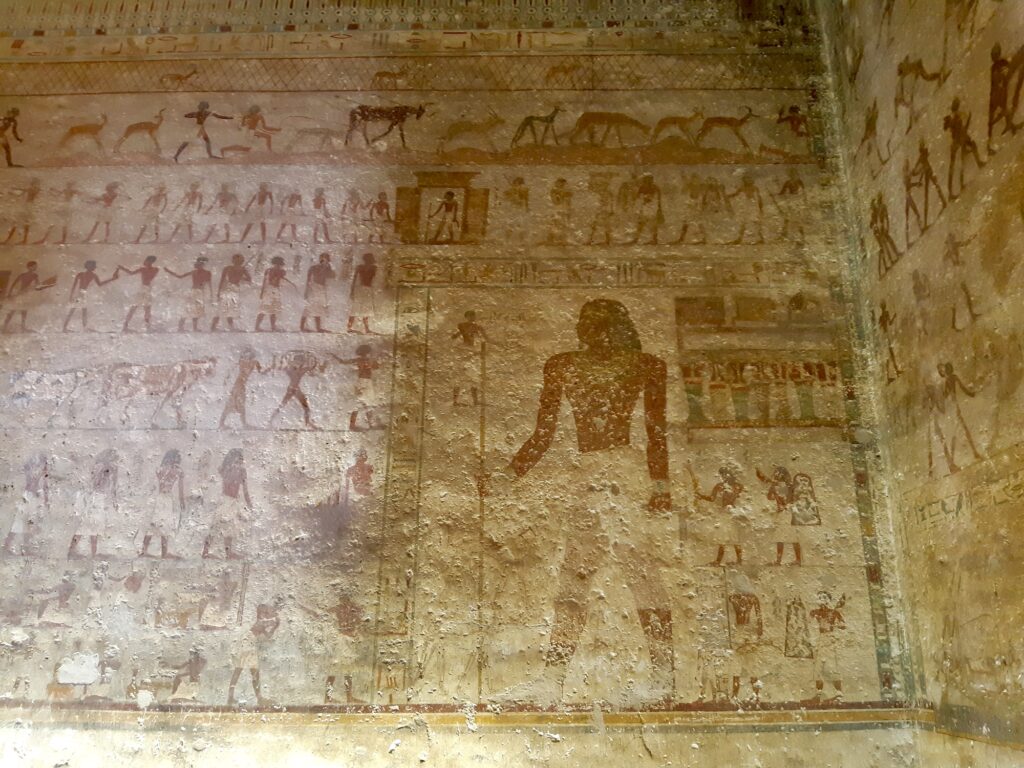
Middle Egypt developed unique approaches balancing northern and southern influences. Sites like Beni Hassan showcase rock-cut tombs with distinctive architectural features including columned halls and painted scenes of daily life that differed markedly from royal burial traditions.
Northern Traditions
Lower Egypt’s flat terrain and abundant stone quarries enabled monumental surface construction. The Giza complex represents the pinnacle of this tradition, where pharaohs could build visible monuments asserting power across the kingdom’s most populous region.
Saqqara, serving Memphis throughout Egyptian history, displays the evolution of tomb architecture over millennia. From the Step Pyramid of Djoser to late period shaft tombs, this necropolis preserves 3,000 years of burial innovation.
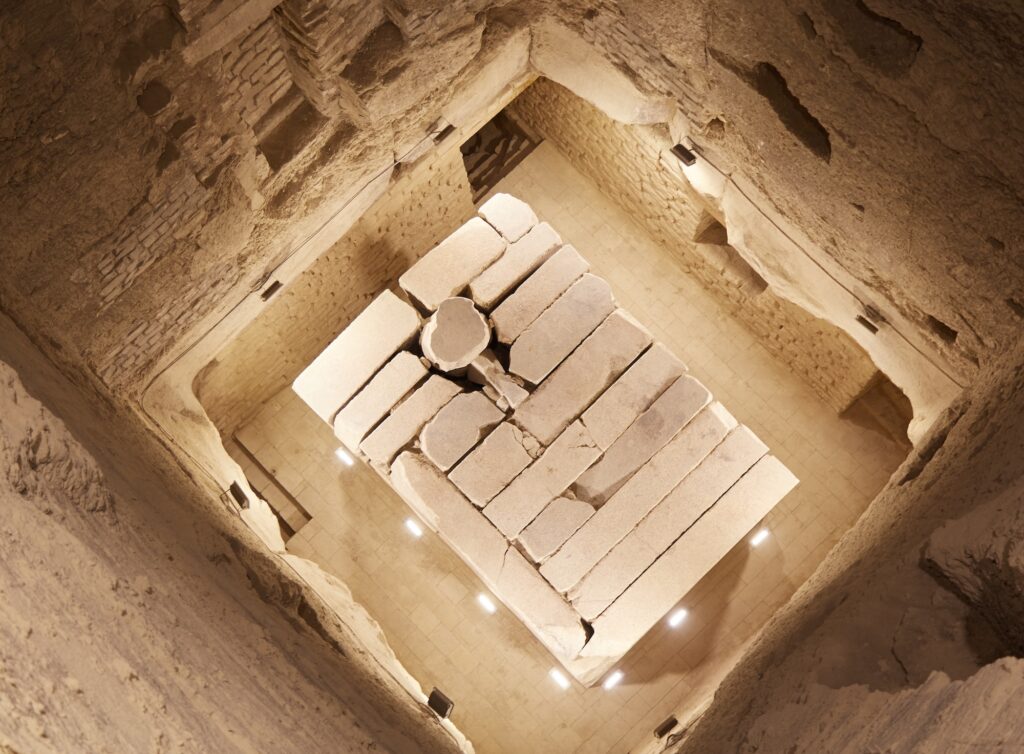
Southern Characteristics
Upper Egypt’s dramatic cliffs provided natural protection for hidden burial chambers. Theban tombs extended deep into limestone hills, creating elaborate underground complexes invisible from surface level. This shift reflected changing religious beliefs emphasizing secrecy and protection from tomb robbers.
The village of Deir el-Medina housed artists and craftsmen who built royal tombs.
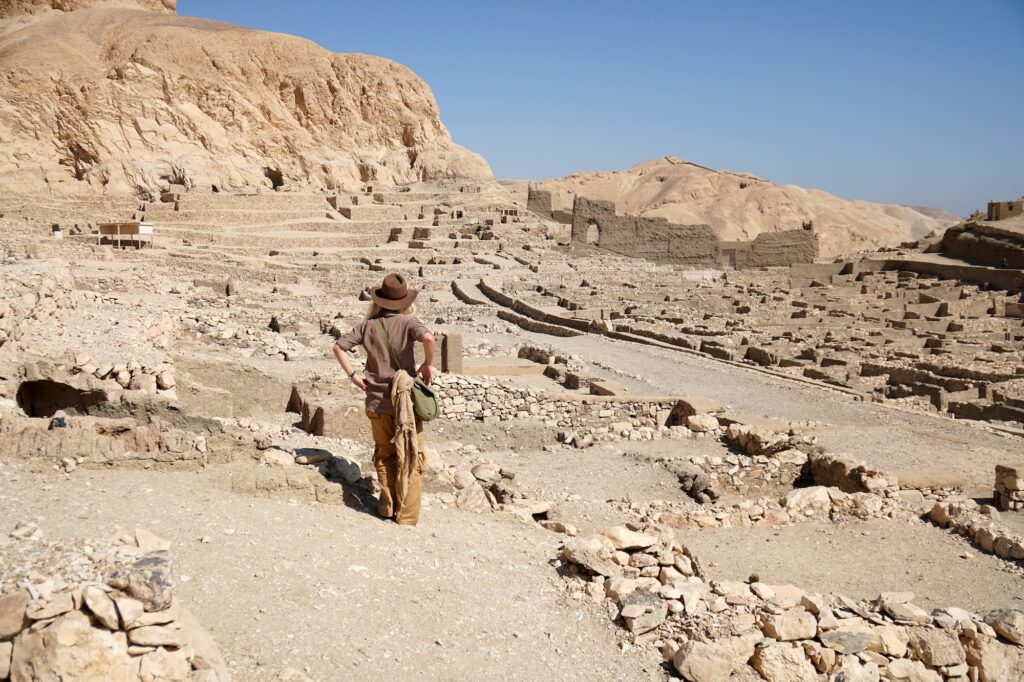
Their own burial sites reveal how professional tomb builders adapted royal decorative programs for private use, creating miniature versions of pharaonic burial chambers.
Eastern Desert and Nubian Influences
Egypt’s eastern borders developed burial traditions incorporating elements from neighboring cultures. Tombs in these regions often featured different architectural elements and decorative styles reflecting cultural exchange with Red Sea trading partners and Nubian kingdoms to the south.
Artistic Expression and Decorative Programs
Egyptian tomb art served multiple purposes beyond aesthetic beauty. These carefully planned decorative programs functioned as instruction manuals for the afterlife, historical records, and magical protection systems for the deceased.
The tomb of Seti I in the Valley of the Kings contains over 7,000 square feet of painted surfaces depicting the complete journey through the underworld. Every image, hieroglyph, and color choice followed strict religious guidelines ensuring the pharaoh’s successful resurrection and eternal rule in the afterlife.
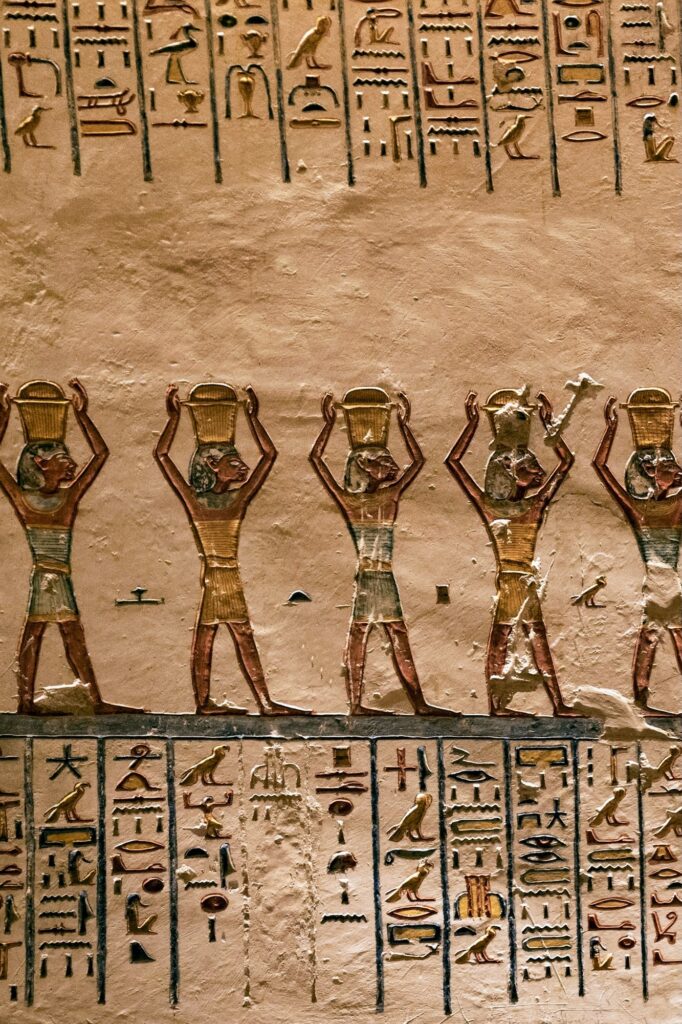
Artists worked in specialized teams with clearly defined roles. Master painters designed compositions and applied final details. Junior artists filled in backgrounds and prepared surfaces. Scribes added hieroglyphic texts with precise accuracy. This collaborative process ensured both artistic quality and religious efficacy.
Hidden Chambers and Secret Galleries
Many tombs contained hidden chambers accessible only to priests and the deceased’s spirit. These secret galleries housed the most sacred religious texts and valuable burial goods. The tomb of Yuya and Tjuyu, discovered nearly intact in 1905, revealed multiple hidden chambers containing furniture, jewelry, and ritual objects of extraordinary craftsmanship.
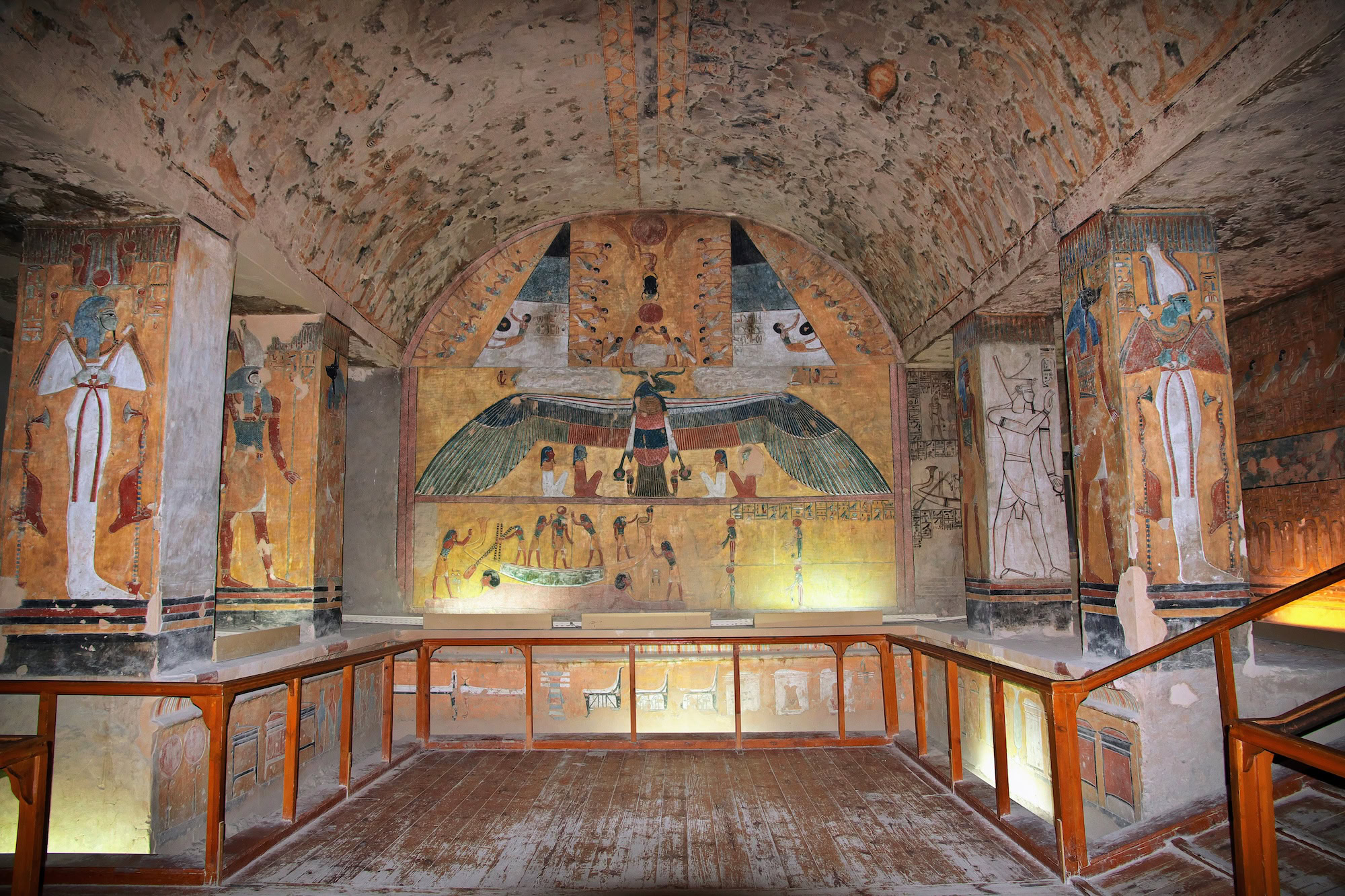
Secret passages served practical and religious purposes. They allowed priests to perform maintenance rituals without disturbing the main burial chamber. Hidden galleries also protected valuable objects from theft while maintaining access for legitimate religious ceremonies.
Symbolic Imagery Systems
Every tomb decoration followed established symbolic systems developed over centuries of religious tradition. The deceased typically appeared on the east wall, symbolically rising with the sun each day. Offering scenes occupied north walls, connecting to protective deities. South walls often showed the journey to the afterlife realm.
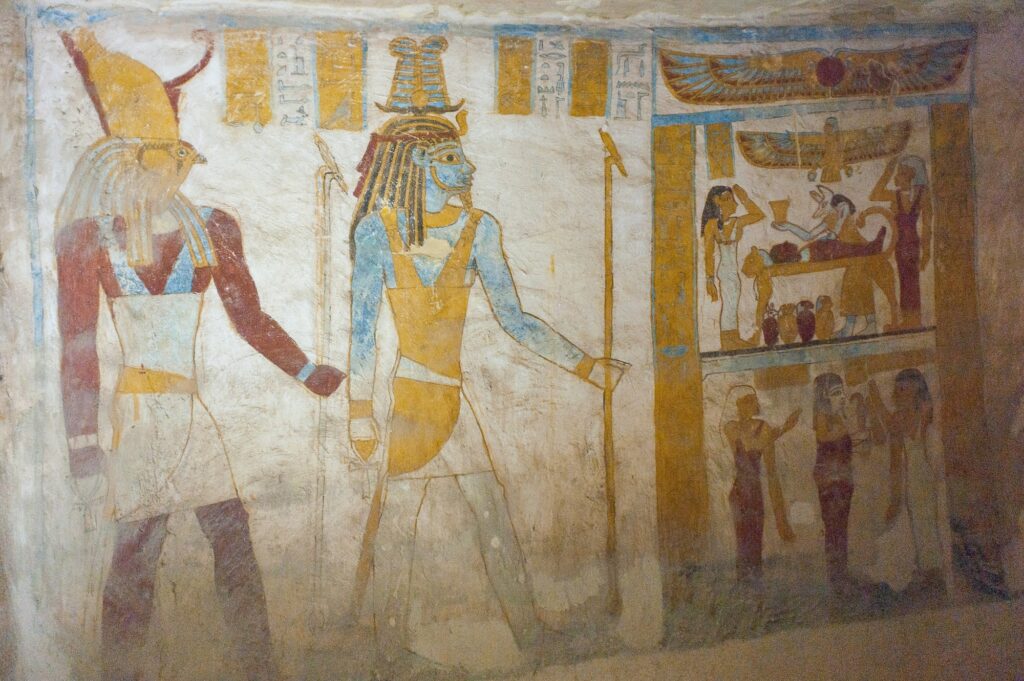
Color application followed strict religious codes. Skin tones varied by gender and divine status. Men appeared in red-brown tones suggesting vitality and solar connection. Women received yellow-gold coloring linking them to precious metals and eternal values. Gods displayed the appropriate divine colors according to their specific religious roles.
Modern Discoveries and Archaeological Insights
Archaeological work continues revealing new tombs and expanding understanding of ancient Egyptian burial practices. Recent discoveries include multiple intact burials providing unprecedented insights into mortuary traditions across different historical periods and social levels.
The tomb of the goldsmith Amenemheb, discovered in 2017 near Luxor, contained complete sets of jewelry-making tools alongside finished pieces demonstrating ancient craftsmanship techniques. This find illuminated how skilled artisans prepared for afterlife work continuation in their eternal existence.
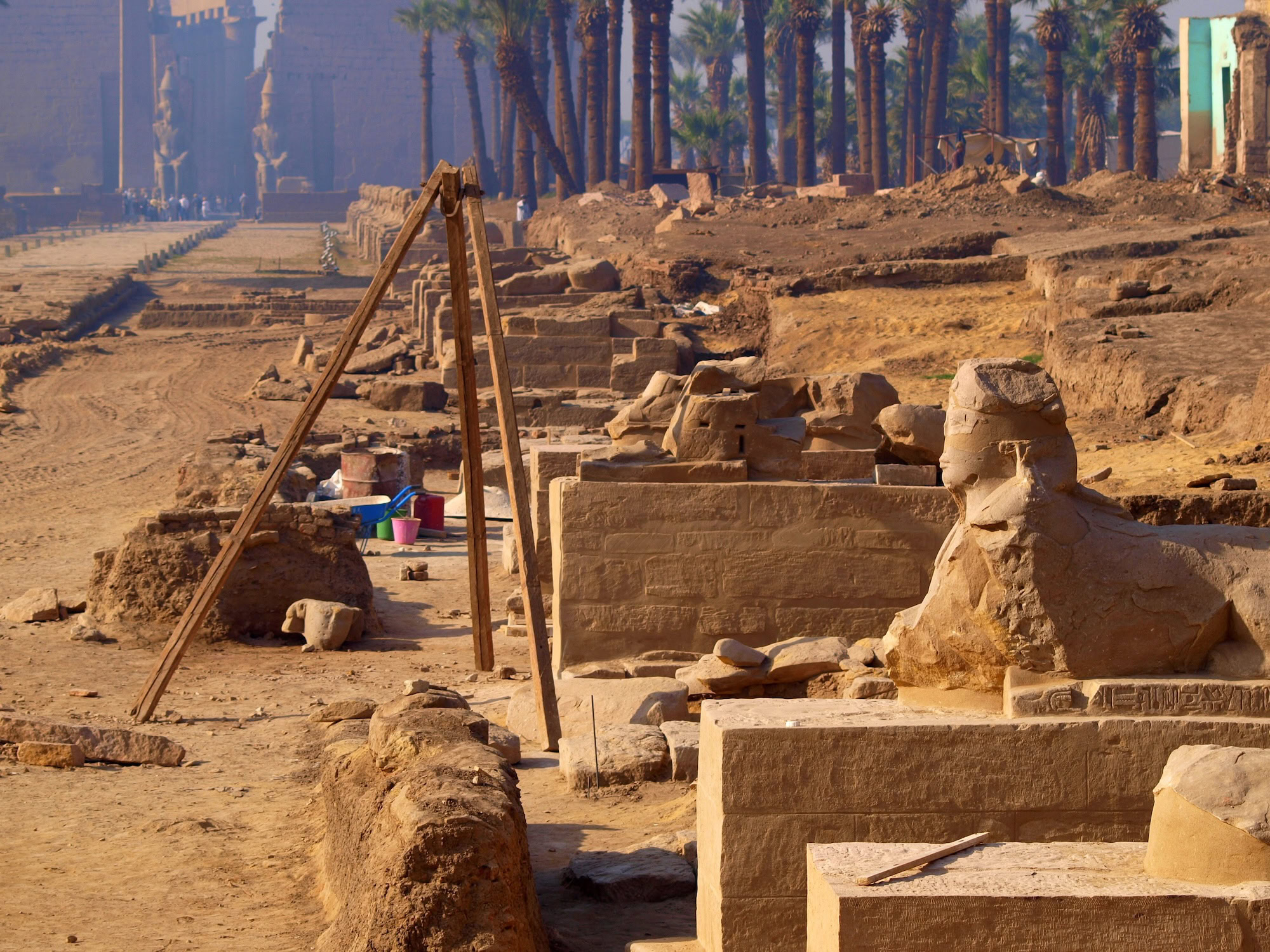
Ground-penetrating radar and other modern technologies identify previously unknown burial chambers without destructive excavation. These methods revealed hidden chambers in several famous tombs, including possible additional rooms in Tutankhamun’s burial site that continue generating archaeological excitement.
Preservation Challenges
Modern tourism presents both opportunities and threats to tomb preservation. Increased visitor access generates revenue supporting conservation work while simultaneously causing environmental damage through humidity, carbon dioxide, and physical wear.
Climate-controlled replica tombs now provide tourist access while protecting original sites. The replica of Seti I’s tomb allows visitors to experience the complete decorative program without endangering the original limestone surfaces and painted decorations.
Digital Documentation Projects
International teams use advanced imaging technologies creating complete digital records of tomb decorations and architectural features. These projects preserve detailed information about sites threatened by environmental degradation, urban development, and natural disasters.
Three-dimensional scanning produces precise architectural models useful for both research and virtual tourism. These digital preservation efforts ensure future generations can study and appreciate these monuments regardless of physical site conditions.
Frequently Asked Questions
How long did it take to build a typical pharaoh’s tomb?
Royal tomb construction usually required 15-20 years of continuous work, beginning when the pharaoh took the throne and continuing until death.
Why did ancient Egyptians place food in tombs?
Food offerings sustained the deceased’s ka (life force) in the afterlife and demonstrated continuing care from living family members.
What’s the difference between pyramids and mastabas?
Pyramids served as royal tombs with complex internal chambers, while mastabas were rectangular noble tombs with simpler internal layouts.
How many ancient tombs exist in Egypt?
Archaeologists have identified over 100 royal tombs and thousands of private burial sites across Egypt’s major necropolises.
Were tomb robbers a serious problem in ancient times?
Yes, tomb robbery was so common that ancient Egyptians developed elaborate security measures including hidden chambers and false passages.
What materials were used to build ancient Egyptian tombs?
Limestone was most common, with granite used for sarcophagi and important architectural elements. Mudbrick served for less permanent structures.
How did ancient Egyptians preserve bodies for the afterlife?
Mummification involved removing internal organs, drying the body with natron salt, and wrapping in linen bandages with protective amulets.
Can tourists visit ancient tombs today?
Many tombs welcome visitors, though access to some sites is limited to protect fragile decorations and archaeological remains.
What’s the most recently discovered ancient tomb?
Archaeological teams regularly announce new tomb discoveries, with significant finds occurring annually across Egypt’s major archaeological sites.
How deep underground are ancient Egyptian tombs?
Depths vary significantly, from surface-level mastabas to Valley of the Kings tombs extending over 200 feet into solid rock.
Why did tomb decorations include daily life scenes?
Egyptians believed painted scenes would continue eternally in the afterlife, providing the deceased with perpetual recreation and enjoyment.
What happened to tomb builders after completing their work?
Contrary to popular belief, tomb builders typically returned to normal lives rather than being killed to protect tomb secrets.
Design Your Custom Tour
Explore Egypt your way by selecting only the attractions you want to visit