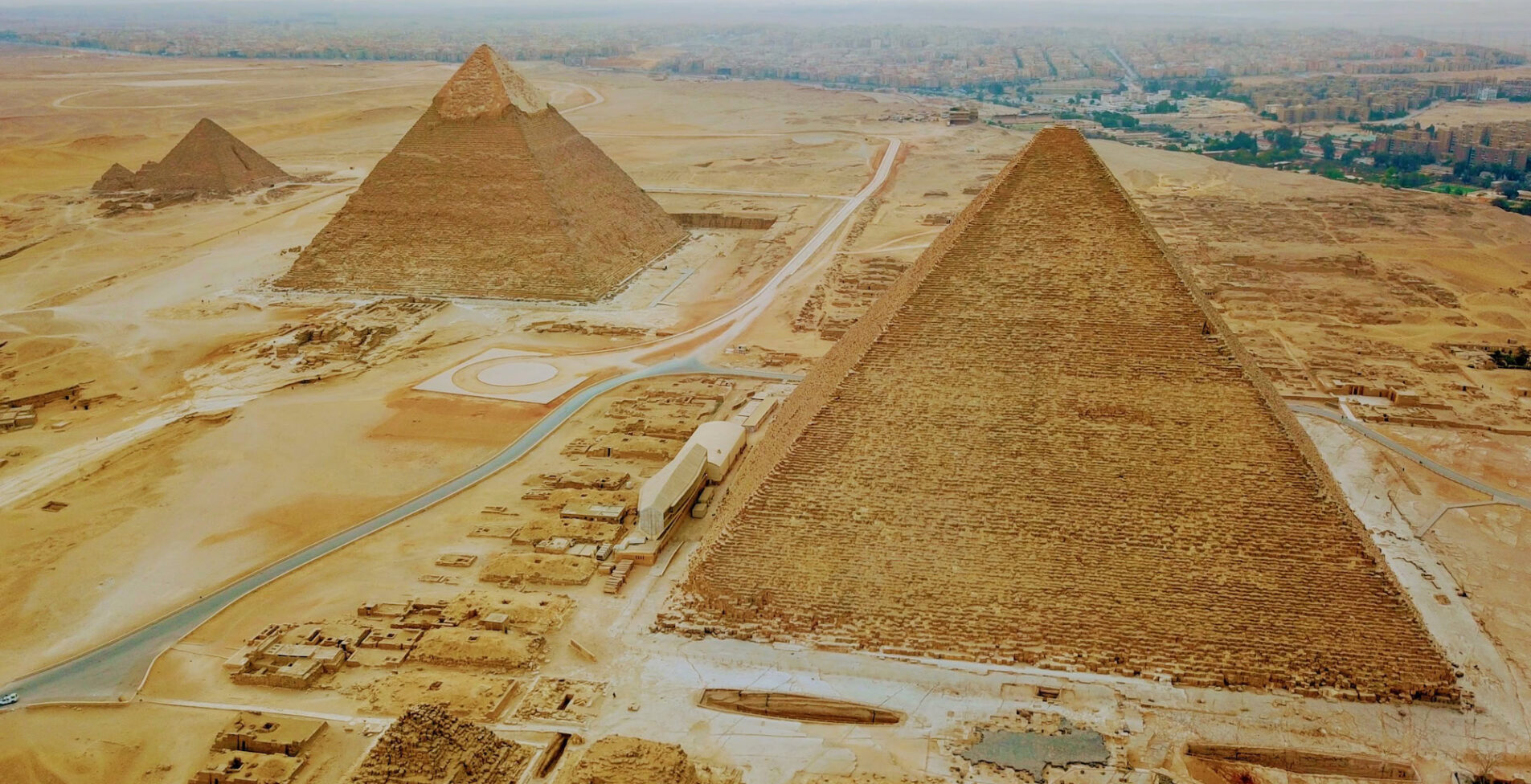
Ancient Pyramids in Egypt
Uncover the enduring magic of Ancient Pyramids in Egypt, where engineering brilliance and spiritual purpose shaped some of humanity’s most iconic monuments. These timeless giants guard the secrets of pharaohs and the beliefs that defined a civilization—inviting you to explore Egypt’s most legendary wonders in unforgettable depth.
Step Inside the World’s Most Legendary Monuments
Explore the Ancient Pyramids of Egypt
Ancient Pyramids in Egypt: The Complete Guide
Standing at the edge of the desert, watching the sun cast shadows across these ancient monuments feels like touching history itself.
The pyramids of Egypt represent humanity’s most ambitious architectural achievements from over 4,500 years ago. These massive stone structures served as eternal resting places for pharaohs and showcase engineering techniques that continue to baffle modern scientists.
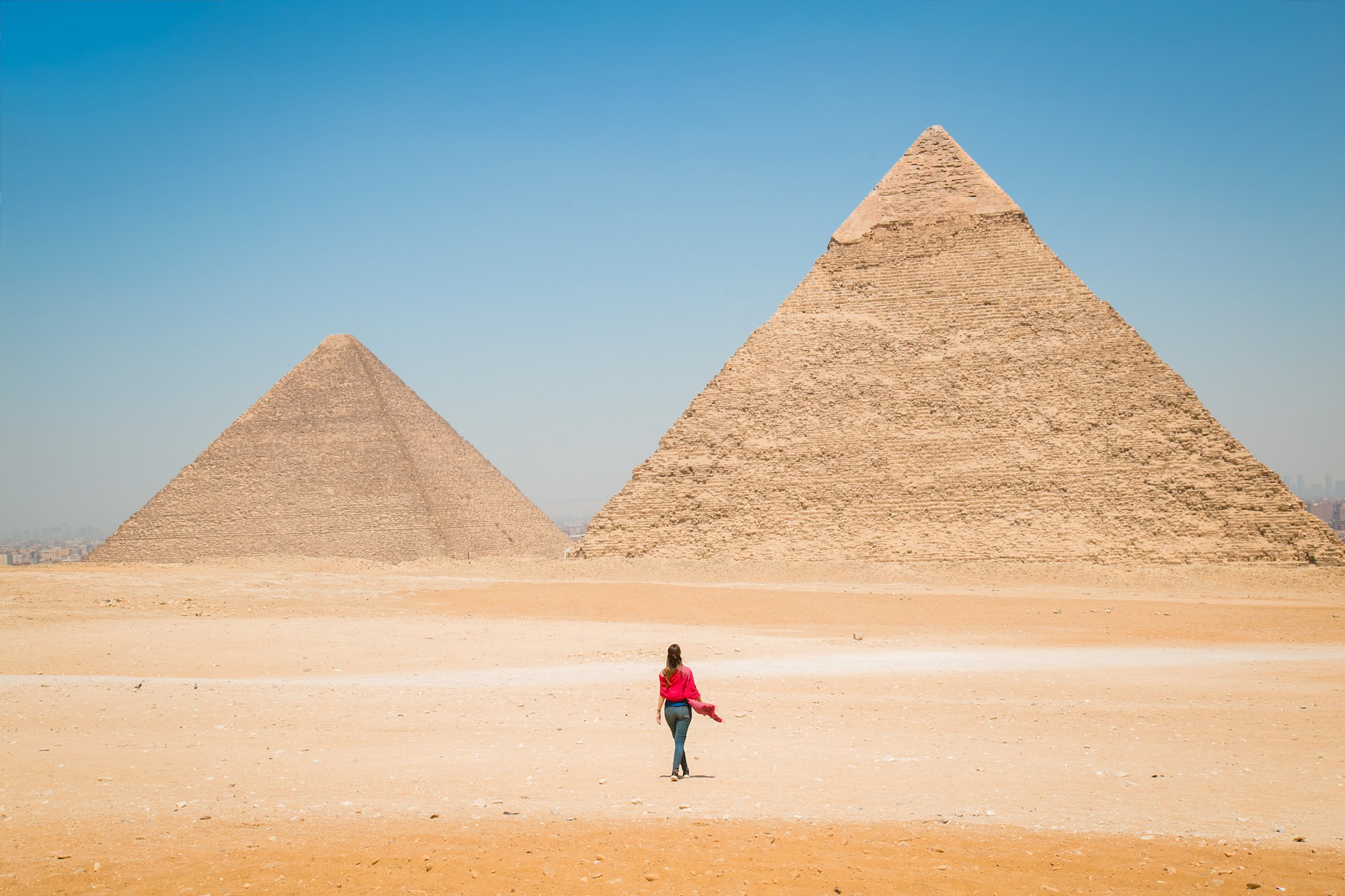
While most travelers know the famous Giza complex, Egypt actually contains more than 100 pyramids scattered across multiple sites, each telling unique stories of royal ambition, religious beliefs, and architectural evolution.
From the stepped innovations of Saqqara to the perfectly aligned monuments at Giza, these ancient wonders reveal how Egyptian civilization mastered mathematics, astronomy, and construction on an unprecedented scale. Our decades of expertise guiding visitors through these remarkable sites ensures you’ll discover both the famous landmarks and hidden treasures that most tourists never see.
The Great Pyramids of Giza
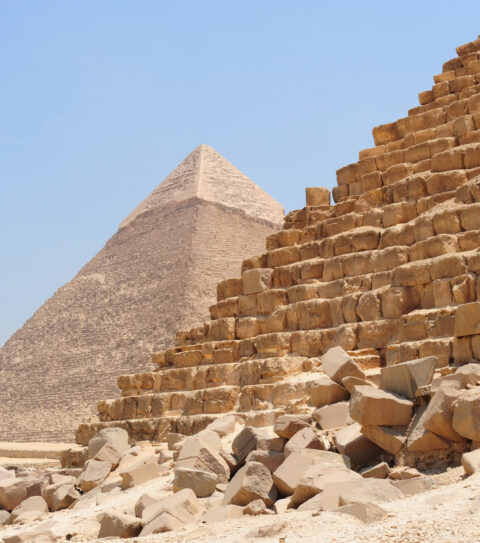
The three pyramids at Giza stand as the last surviving wonder of the ancient world, built during the Fourth Dynasty around 2575-2465 BCE.

These monuments to Pharaohs Khufu, Khafre, and Menkaure transformed the Memphis necropolis into Egypt’s most iconic destination.
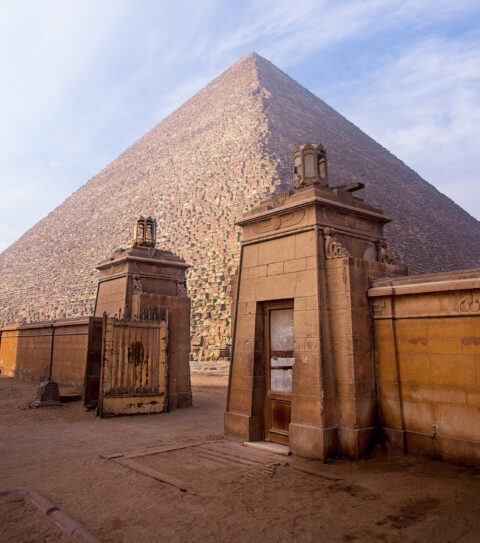
The Great Pyramid of Khufu
Originally reaching 481 feet tall, Khufu’s pyramid contains approximately 2.3 million limestone blocks, each weighing between 2.5 and 15 tons. The King’s Chamber houses a red granite sarcophagus, while the Queen’s Chamber likely served ceremonial purposes rather than burial functions.
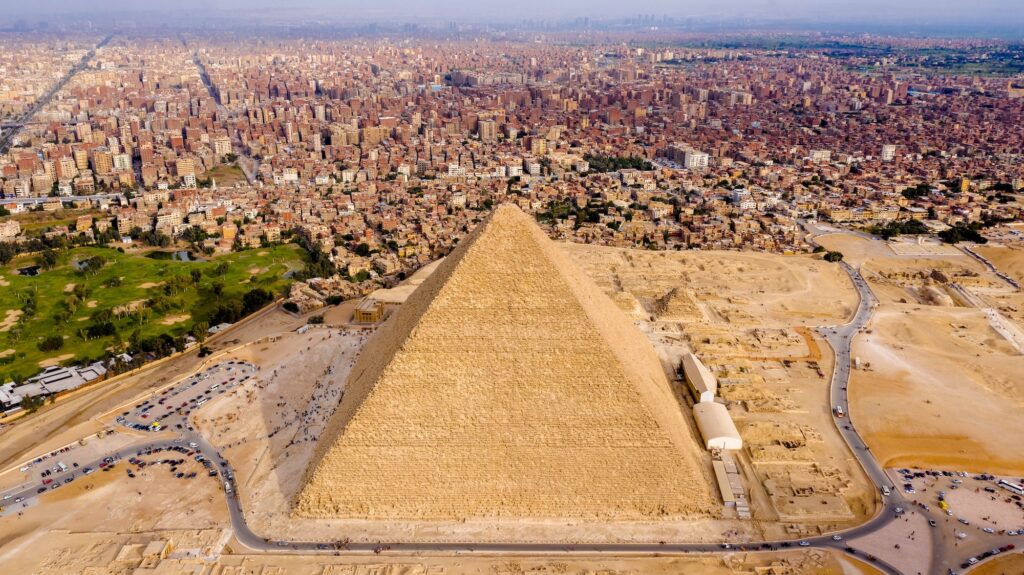
Construction required sophisticated logistics. Workers quarried limestone locally and transported granite from Aswan, 500 miles south. Recent discoveries suggest internal ramps helped move massive blocks to upper levels, solving long-standing mysteries about pyramid construction techniques.
Khafre’s Pyramid Complex
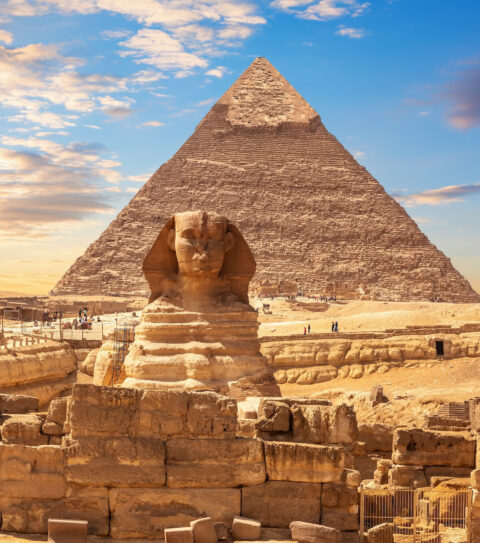
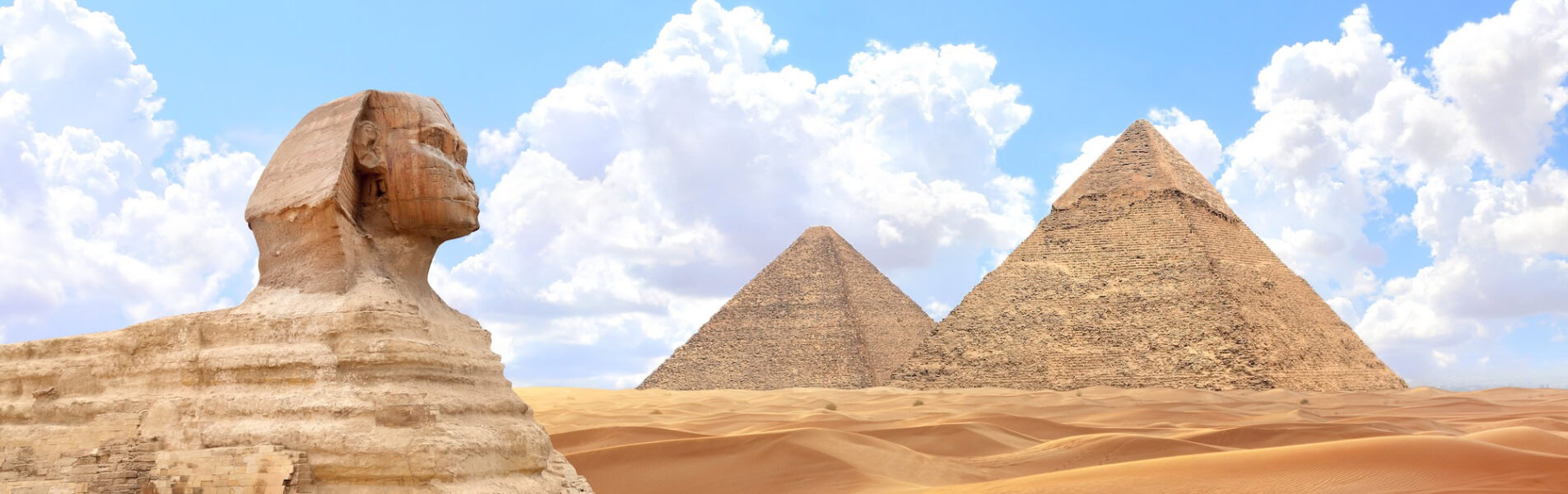
Khafre’s pyramid appears taller than his father Khufu’s monument due to its elevated position on the Giza plateau. The complex includes the Great Sphinx, carved from a single limestone outcrop to guard the pharaoh’s eternal resting place.
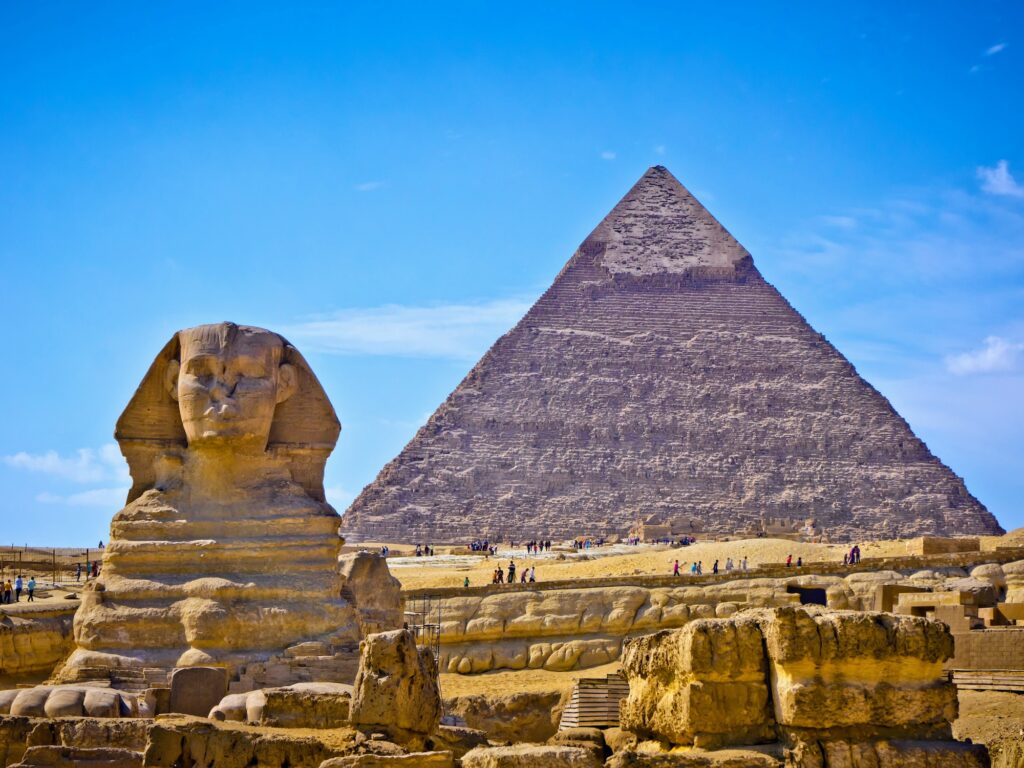
The mortuary temple connected to this pyramid demonstrates advanced architectural planning. Massive granite columns supported roofing systems, while precise drainage channels managed seasonal flooding from the Nile.
Menkaure’s Pyramid
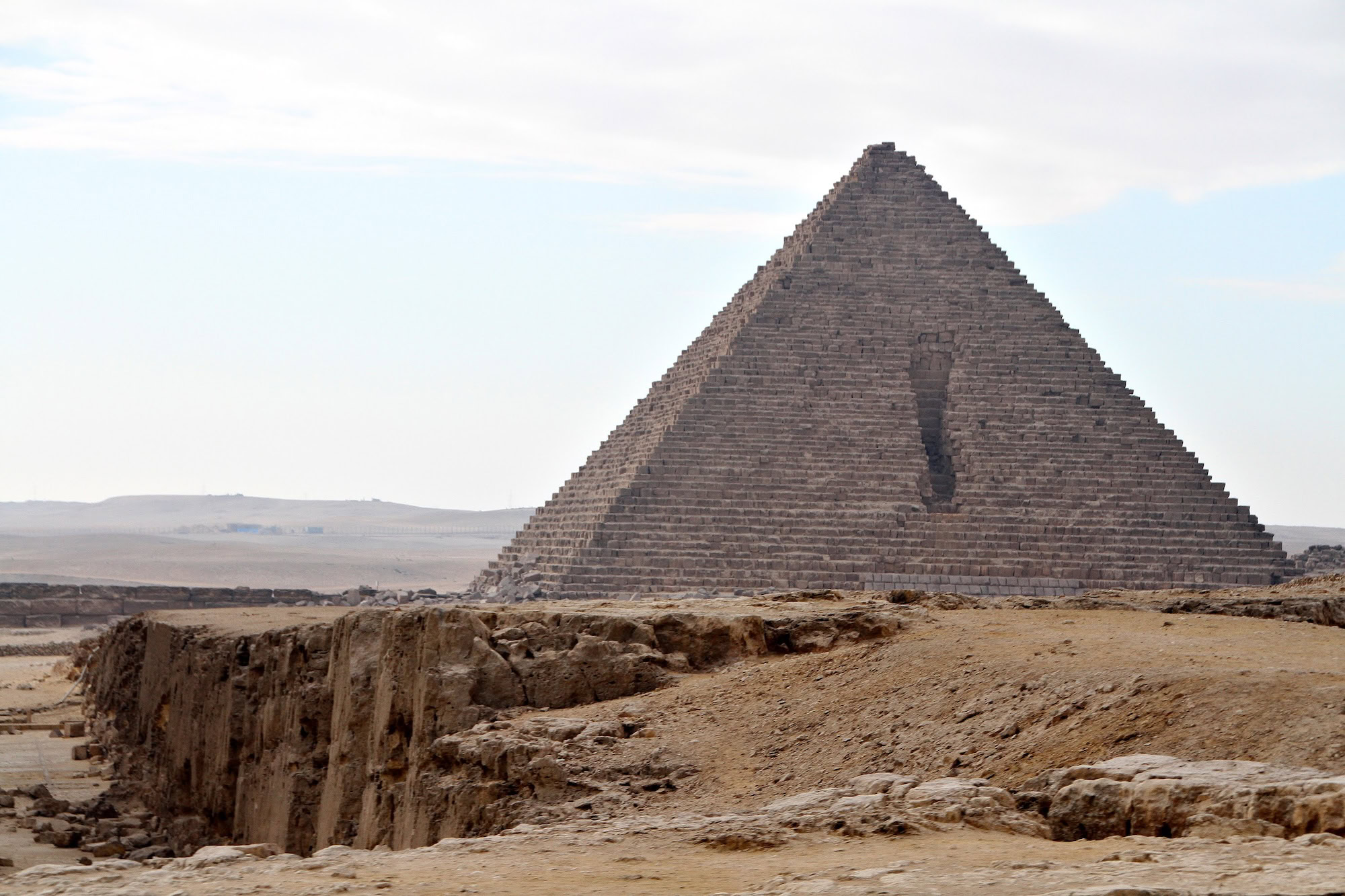
The smallest Giza pyramid belonged to Pharaoh Menkaure and originally stood 215 feet high. Three smaller pyramids nearby likely housed queens or royal family members, creating a complete royal burial complex.
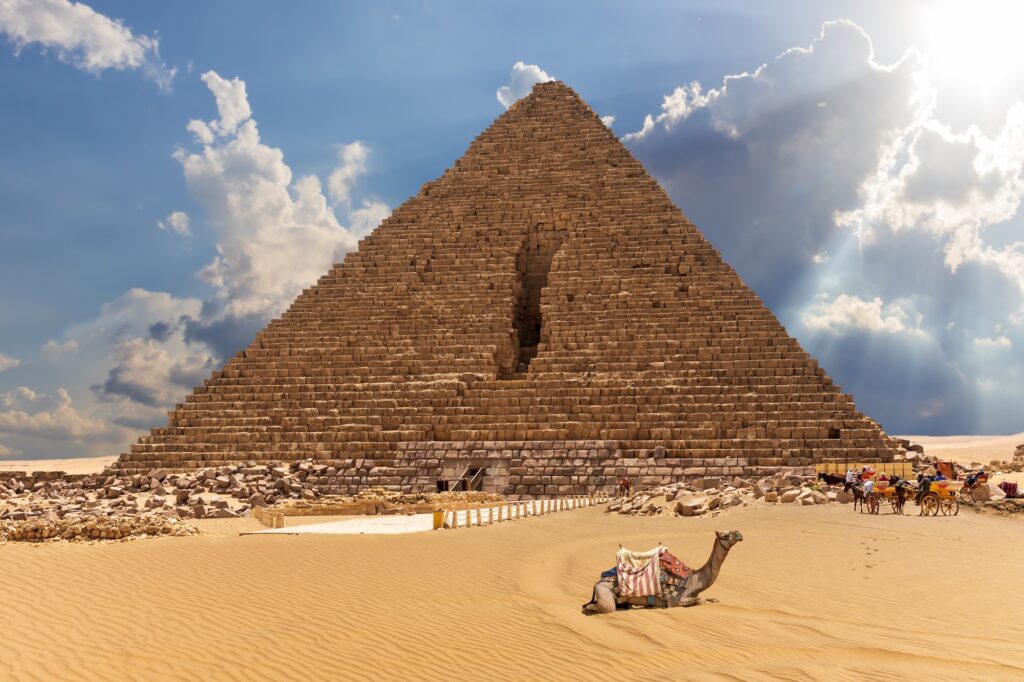
Archaeological excavations uncovered beautiful carved statues showing Menkaure with various deities. These artifacts, now displayed in museums worldwide, reveal the artistic sophistication accompanying pyramid construction.
Beyond Giza: Egypt’s Diverse Pyramid Heritage
Egypt’s pyramid legacy extends far beyond the Giza plateau, encompassing revolutionary architectural experiments and regional burial complexes that shaped ancient Egyptian civilization for over a millennium.
The Step Pyramid at Saqqara represents humanity’s first monumental stone building, designed by the architect Imhotep for Pharaoh Djoser around 2670 BCE.
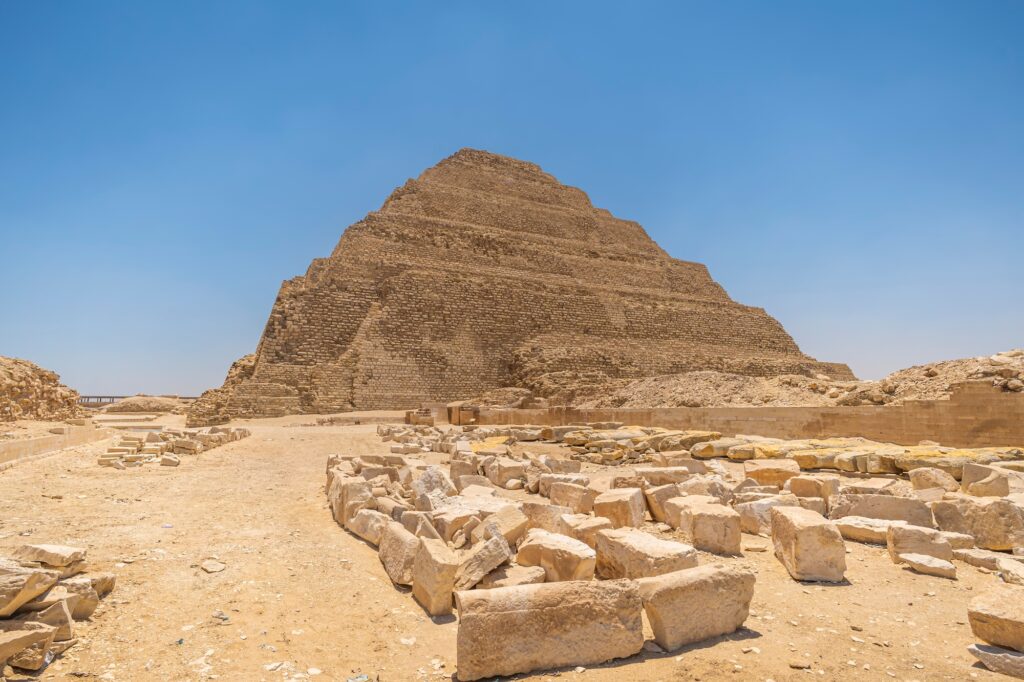
This six-tiered structure evolved from earlier mastaba tombs, demonstrating how Egyptian architects gradually developed pyramid construction techniques. The surrounding complex included courtyards, temples, and underground chambers spanning 37 acres, establishing the template for later pyramid complexes.
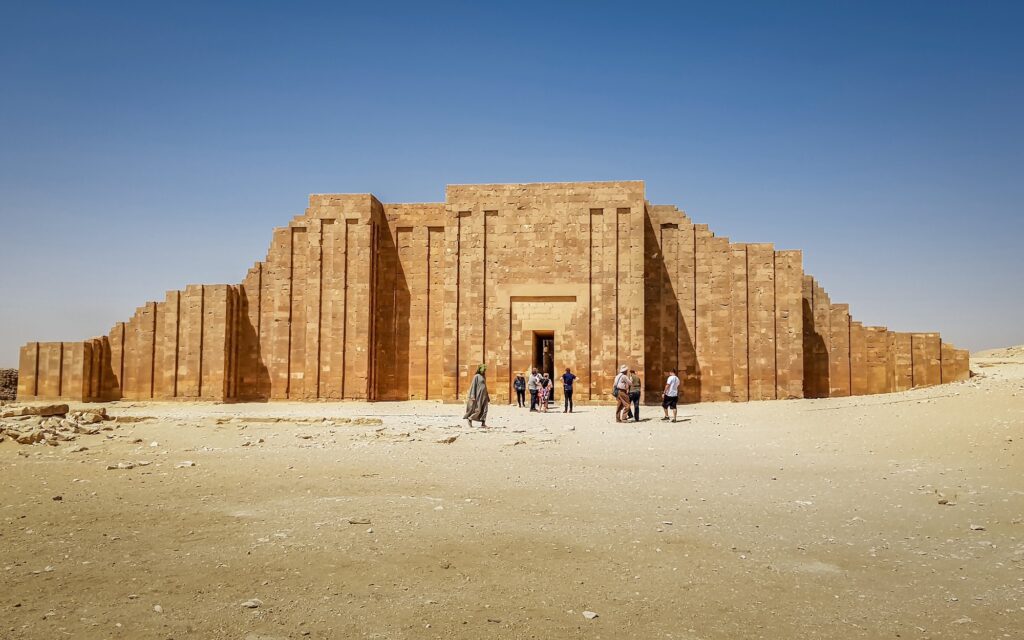
Sneferu’s building projects at Dahshur showcase both innovation and learning from failure. His Bent Pyramid demonstrates how architects adjusted construction mid-project when the original angle proved unstable, changing from 54 degrees to 43 degrees partway up.
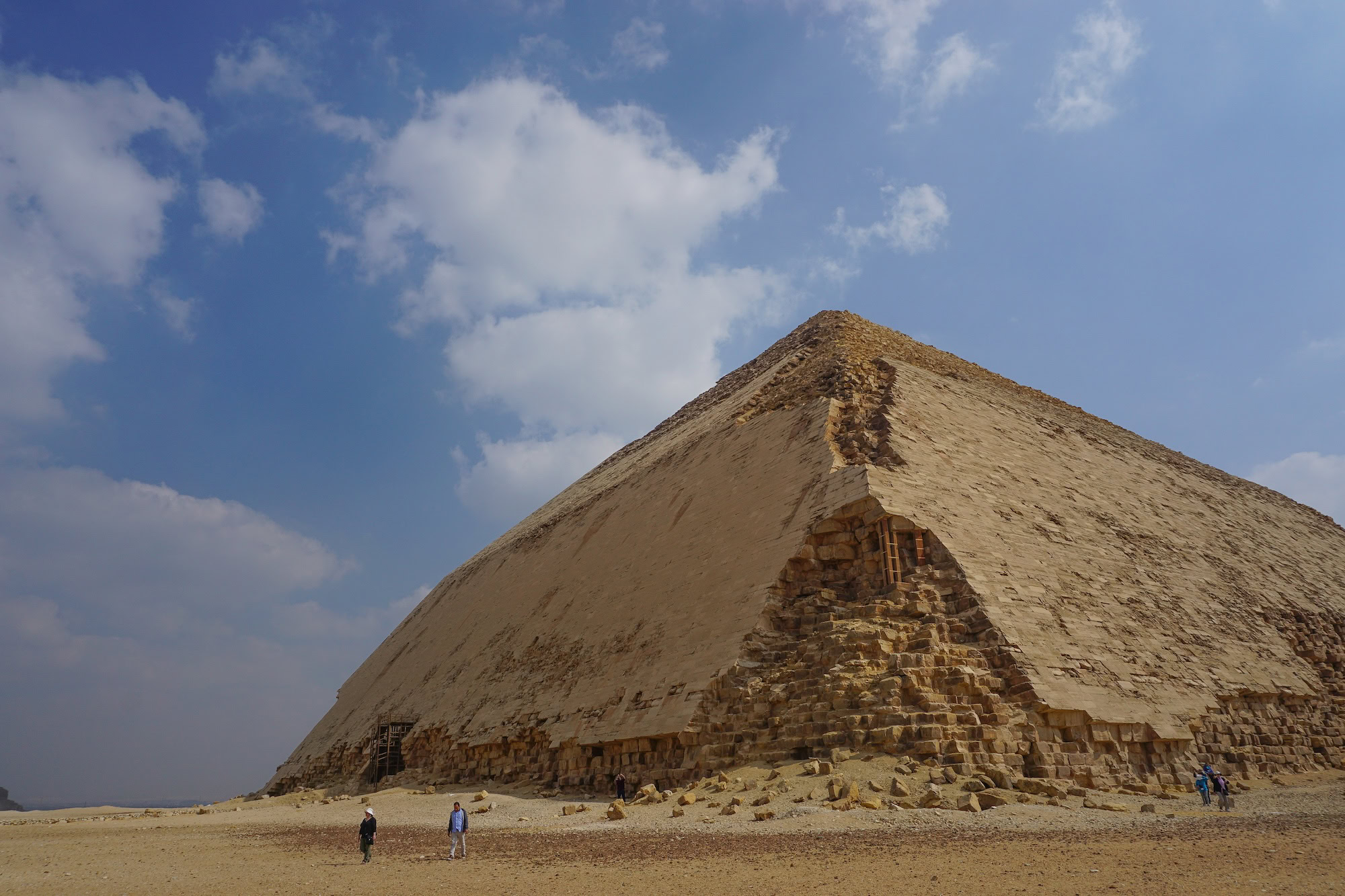
The nearby Red Pyramid, completed with the gentler angle throughout, became Egypt’s first successful smooth-sided pyramid and directly influenced Giza’s later monuments.
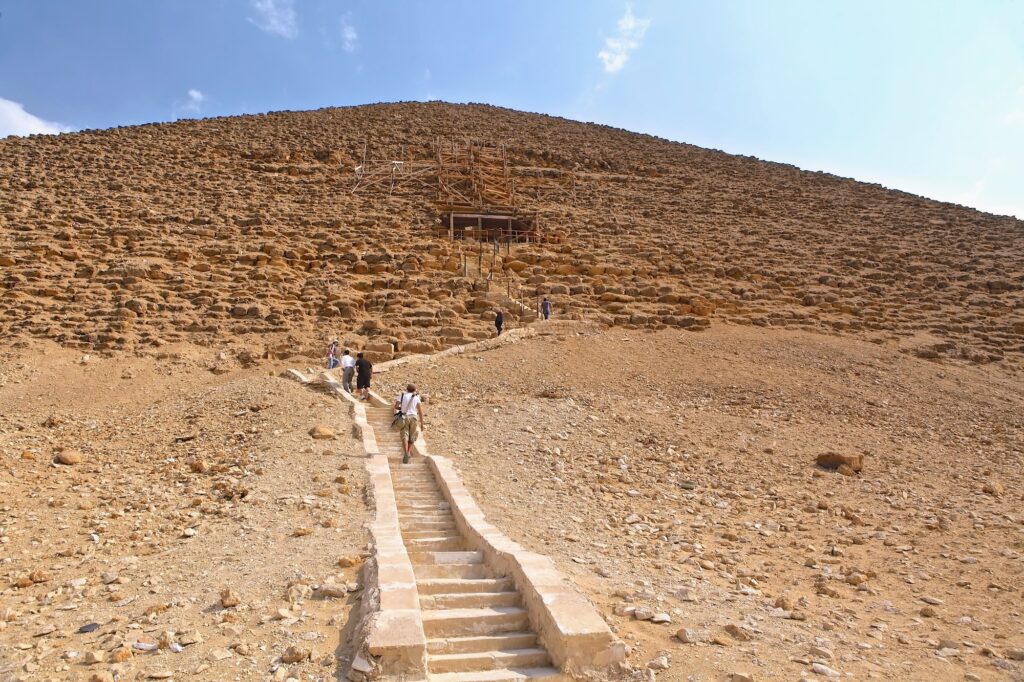
The Black Pyramid at Dahshur illustrates construction challenges faced by ancient builders. Built using mudbrick core with limestone casing, this structure eventually collapsed due to groundwater infiltration and structural weaknesses. Such failures taught valuable lessons that improved later pyramid engineering.
Regional Pyramid Sites
Abusir contains multiple Fifth Dynasty pyramids that demonstrate evolving religious beliefs and construction techniques. These smaller monuments featured elaborate relief carvings and incorporated solar temples, reflecting changing royal burial practices.
The Fayoum region houses several Middle Kingdom pyramids built with mudbrick cores.
While less impressive than their Old Kingdom predecessors, these structures show how pyramid building continued even during periods of reduced resources and political instability.
Construction Evolution Through Time
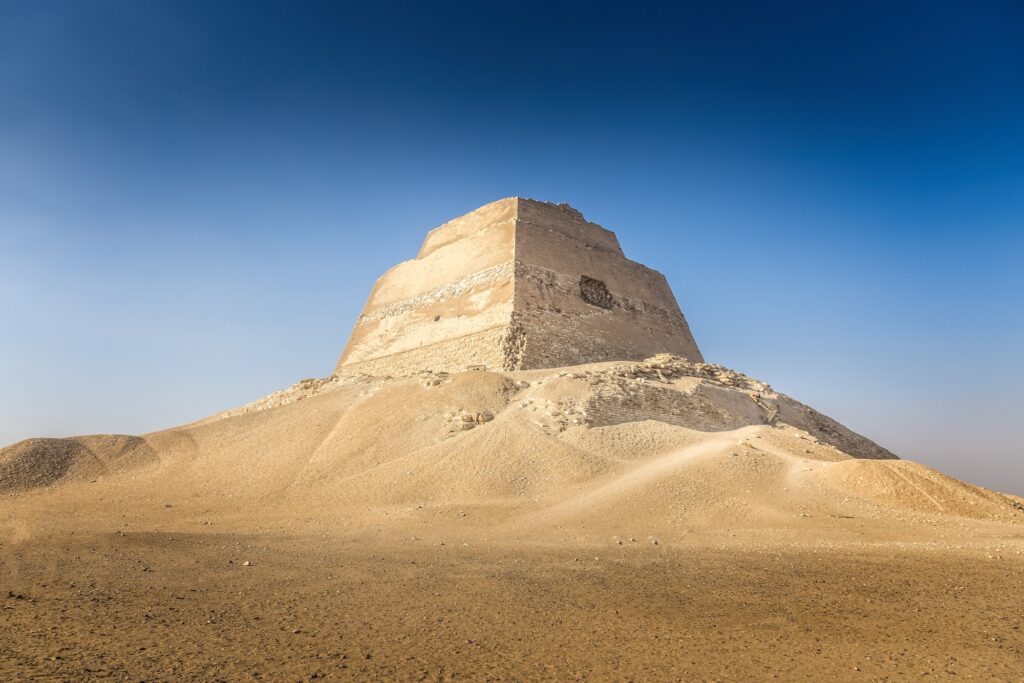
Early pyramid builders experimented extensively with materials and techniques. The Meidum pyramid, possibly started by Huni and completed by Sneferu, partially collapsed during construction, leaving a distinctive stepped appearance that reveals internal construction methods.
Later dynasties refined building techniques based on earlier successes and failures. Precise measurements, improved foundation systems, and better understanding of structural engineering resulted in the mathematical perfection achieved at Giza.
Engineering Mysteries and Construction Techniques
Recent archaeological discoveries continue revealing sophisticated methods ancient Egyptians used to construct these massive monuments, challenging previous assumptions about their technological capabilities.
Workforce Organization and Logistics
Contrary to popular belief, skilled workers rather than slaves built Egypt’s pyramids. Archaeological evidence from worker villages near Giza shows organized communities with bakeries, breweries, and medical facilities supporting construction crews. Seasonal laborers joined permanent craftsmen during Nile flood periods when agricultural work ceased, providing workforce flexibility for major projects.
Evidence suggests pyramid construction employed approximately 20,000 workers during peak periods. Specialized teams handled different aspects: quarrymen extracted stone, transporters moved materials, and masons precisely fitted blocks. This organizational complexity required advanced project management rivaling modern construction operations.
Feeding such large workforces demanded extensive supply networks. Cattle bones found at worker sites indicate daily meat rations, while bread and beer remains show standard dietary provisions. These logistics demonstrate sophisticated economic planning accompanying pyramid construction.
Stone Transport Methods
Moving massive stone blocks from quarries to construction sites required innovative engineering solutions. Recent experiments suggest workers used wooden rollers, copper tools, and rope systems to transport limestone blocks across desert terrain.
Internal ramp theories explain how builders raised stones to pyramid heights. Archaeological evidence supports spiral ramp systems winding around pyramid exteriors, allowing continuous material transport to upper levels without massive external ramp construction.
Precision cutting and fitting techniques enabled tight joints between pyramid stones. Copper tools, wooden levers, and sand abrasives helped workers achieve tolerances measured in millimeters rather than inches, creating structures that have endured over four millennia.
Religious and Cultural Significance
Pyramids served far more than burial monuments, functioning as complex religious centers connecting earthly pharaohs with divine afterlife realms according to ancient Egyptian beliefs.
The pyramid shape itself held deep religious meaning, representing the primordial mound from which creation emerged in Egyptian cosmology. Pyramid texts found in later dynasties describe the pharaoh’s spiritual journey through the afterlife, guided by spells and prayers carved into chamber walls.
Solar alignment demonstrates the religious planning underlying pyramid construction. The Great Pyramid’s passages align with specific stars and constellations important to Egyptian religious beliefs, particularly those associated with Orion and the northern circumpolar stars.
Mortuary temples attached to pyramid complexes hosted ongoing religious ceremonies honoring deceased pharaohs. Priests performed daily rituals, presented food offerings, and maintained the pharaoh’s ka (life force) throughout eternity. These activities required substantial economic resources and demonstrate pyramids’ lasting religious importance.
Pyramid Texts and Literature
The earliest religious writings in human history appear in Fifth and Sixth Dynasty pyramid chambers. These hieroglyphic texts provide detailed instructions for navigating the afterlife, revealing sophisticated theological concepts underlying pyramid construction.
Spells describe the deceased pharaoh’s transformation into divine being, joining Re the sun god in his daily journey across the sky. Such beliefs explain why pyramid chambers often align with cardinal directions and celestial phenomena.
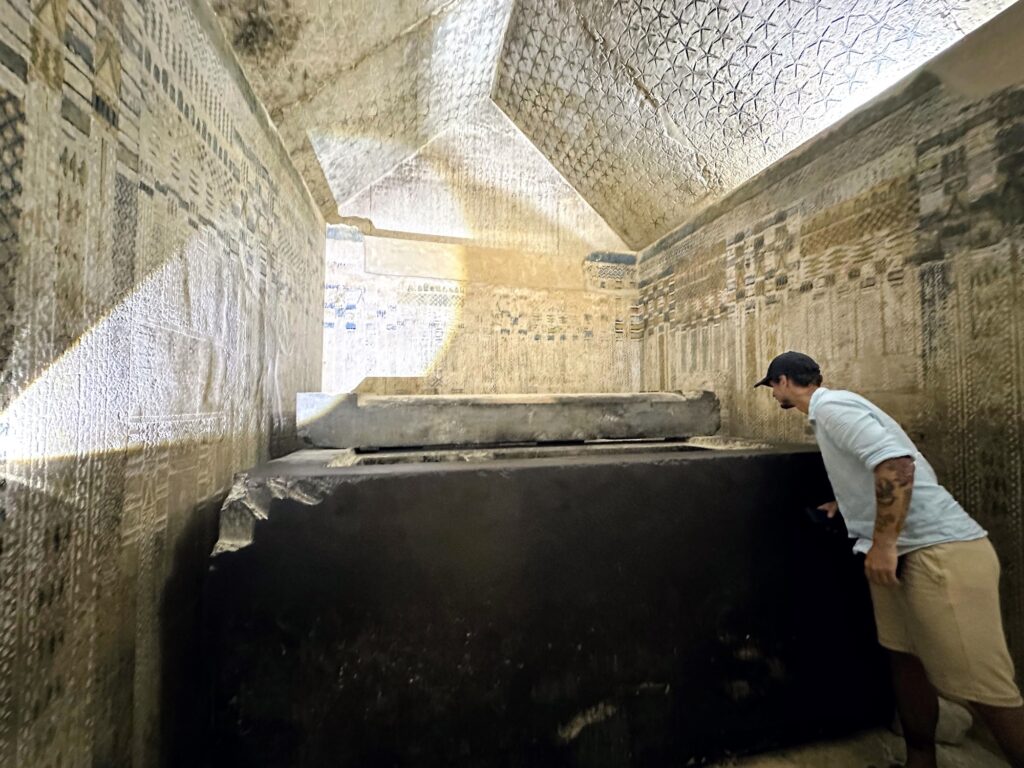
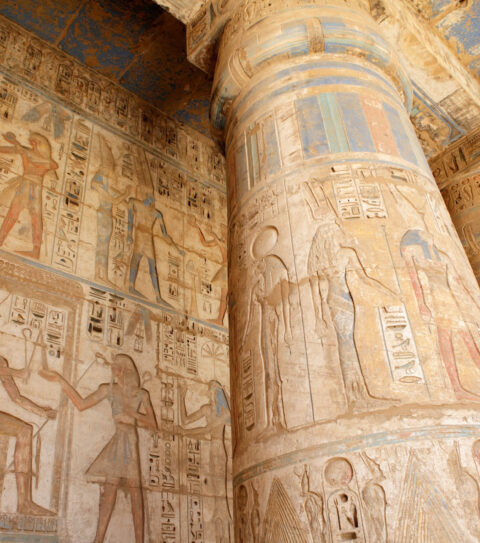
Religious art decorating pyramid complexes depicts gods, goddesses, and mythological scenes relevant to royal afterlife beliefs. These images served magical functions, ensuring the pharaoh’s successful transition to divine status through visual representation of required transformations.
Visiting Egypt’s Pyramids Today
Modern visitors can explore multiple pyramid sites across Egypt, each offering unique insights into ancient Egyptian civilization and architectural achievement.
Planning Your Pyramid Journey
The Giza complex remains Egypt’s most accessible pyramid destination, located just outside Cairo with excellent transportation connections. We recommend early morning visits to avoid crowds and harsh midday sun, particularly during summer months when temperatures can reach 104°F (40°C).
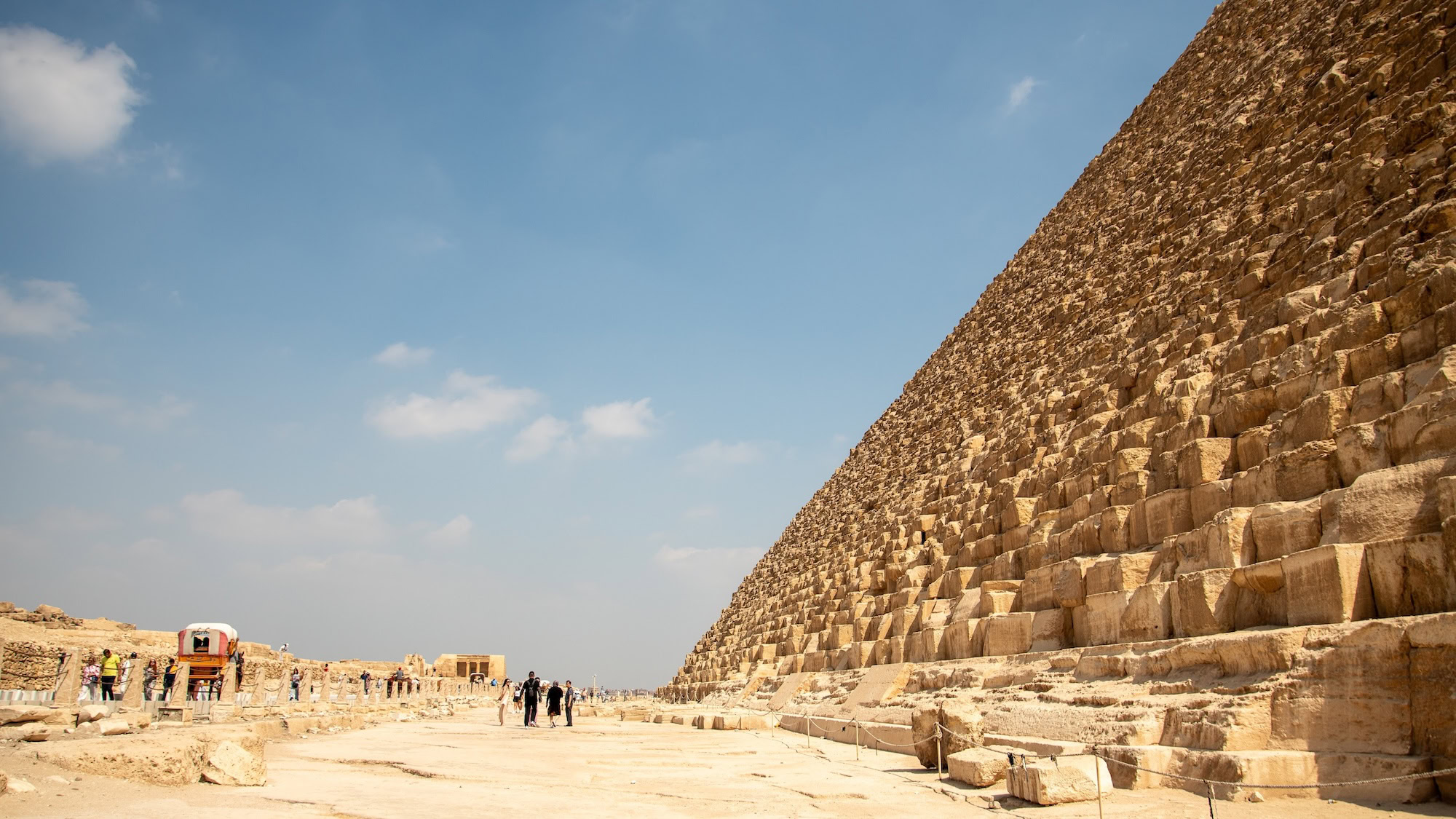
Interior pyramid access requires separate tickets with limited daily quotas. The Great Pyramid’s internal chambers showcase ancient construction techniques, though the narrow ascending passage challenges visitors with mobility concerns. Our private guides provide detailed explanations of architectural features and historical context throughout your exploration.
Saqqara offers a more comprehensive archaeological experience with multiple monuments spanning different periods. The Step Pyramid complex includes museums displaying artifacts discovered during excavations, providing context for understanding pyramid development over time.
What to Expect
Professional archaeological guides enhance pyramid visits through expert knowledge of construction techniques, historical context, and recent discoveries. We ensure access to restricted areas when possible and provide detailed explanations tailored to your interests and knowledge level.
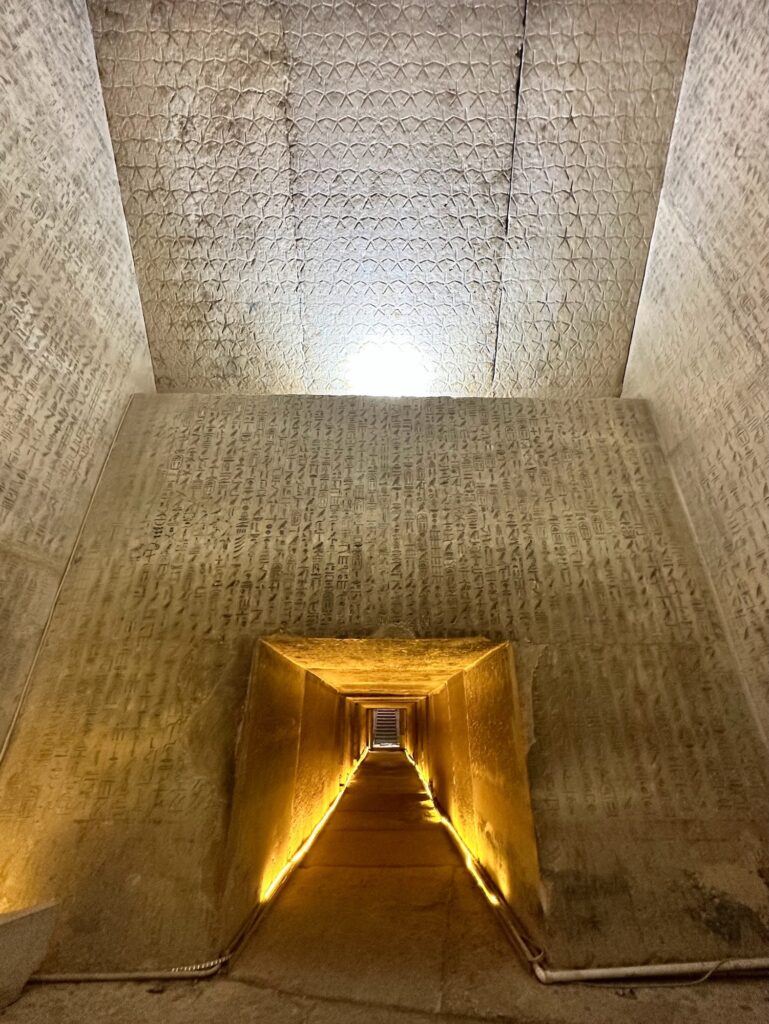
Photography inside pyramids often requires additional fees and special permits. Our team handles necessary arrangements while respecting archaeological conservation requirements and local regulations.
Climate considerations affect visiting conditions throughout the year. Winter months offer comfortable temperatures for extensive pyramid exploration, while summer visits require early morning scheduling and proper hydration preparation.
Frequently Asked Questions
How many pyramids exist in Egypt?
Over 100 pyramids have been discovered across Egypt, ranging from major monuments at Giza to smaller regional structures built over 1,500 years.
Can visitors enter the pyramids?
Yes, several pyramids allow interior access including the Great Pyramid, Khafre’s pyramid at Giza, and the Step Pyramid at Saqqara, though tickets are limited.
How long did pyramid construction take?
The Great Pyramid likely required 20-25 years to complete, while smaller pyramids took 10-15 years depending on size and complexity.
What tools did ancient Egyptians use to build pyramids?
Copper tools, wooden levers, rope systems, and stone hammers enabled precise cutting and transportation of massive limestone and granite blocks.
Are the pyramids aligned with stars?
Yes, pyramid passages align with specific constellations important to ancient Egyptian religious beliefs, particularly Orion and circumpolar stars.
What happened to the pyramid’s outer casing stones?
Medieval builders removed most original limestone casing for construction projects in Cairo, leaving the stepped core structure visible today.
How much do pyramid visits cost?
Entry fees vary by site and internal access, ranging from $3-15 for general admission with additional charges for chamber access.
What’s the best time of day to visit pyramids?
Early morning visits between 8:00 am (08:00) and 10:00 am (10:00) offer cooler temperatures and fewer crowds for optimal exploration.
Do pyramids contain treasure today?
Ancient tomb robbers removed most valuable contents centuries ago, though archaeological discoveries occasionally reveal overlooked artifacts and chambers.
How were pyramid workers treated?
Archaeological evidence shows workers received regular meals, medical care, and organized housing, contradicting slavery assumptions about pyramid construction.
Can you climb the pyramids?
Climbing pyramids is prohibited and dangerous due to loose stones and conservation concerns, though authorized access to certain areas remains available.
What makes Egyptian pyramids unique compared to other cultures?
Egyptian pyramids demonstrate unprecedented scale, mathematical precision, and architectural sophistication unmatched by contemporary civilizations worldwide.
Design Your Custom Tour
Explore Egypt your way by selecting only the attractions you want to visit