Understand It. See It. Experience It.
Ancient Egypt
Ancient Egypt is not just history—it is a living landscape you can still explore today. Discover the pyramids, temples, tombs, and museums that bring this extraordinary civilization to life, alongside a clear beginner’s guide to understanding its gods, pharaohs, and daily life.
All Surviving Sites, See What Still Stands Today
Explore Ancient Egypt Sites
Ancient Egypt: Discover the Land of Pharaohs
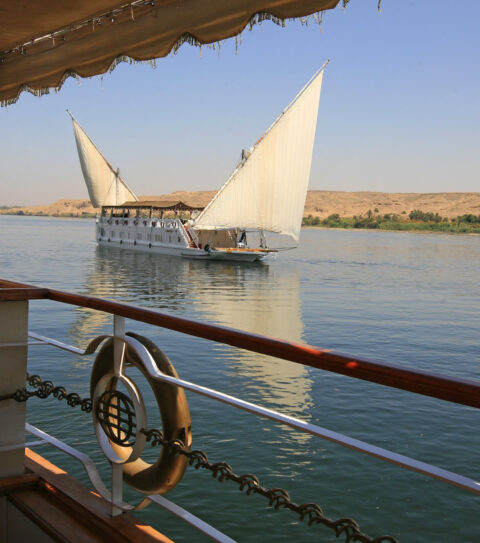
The Nile River carved a civilization that would captivate the world for millennia.
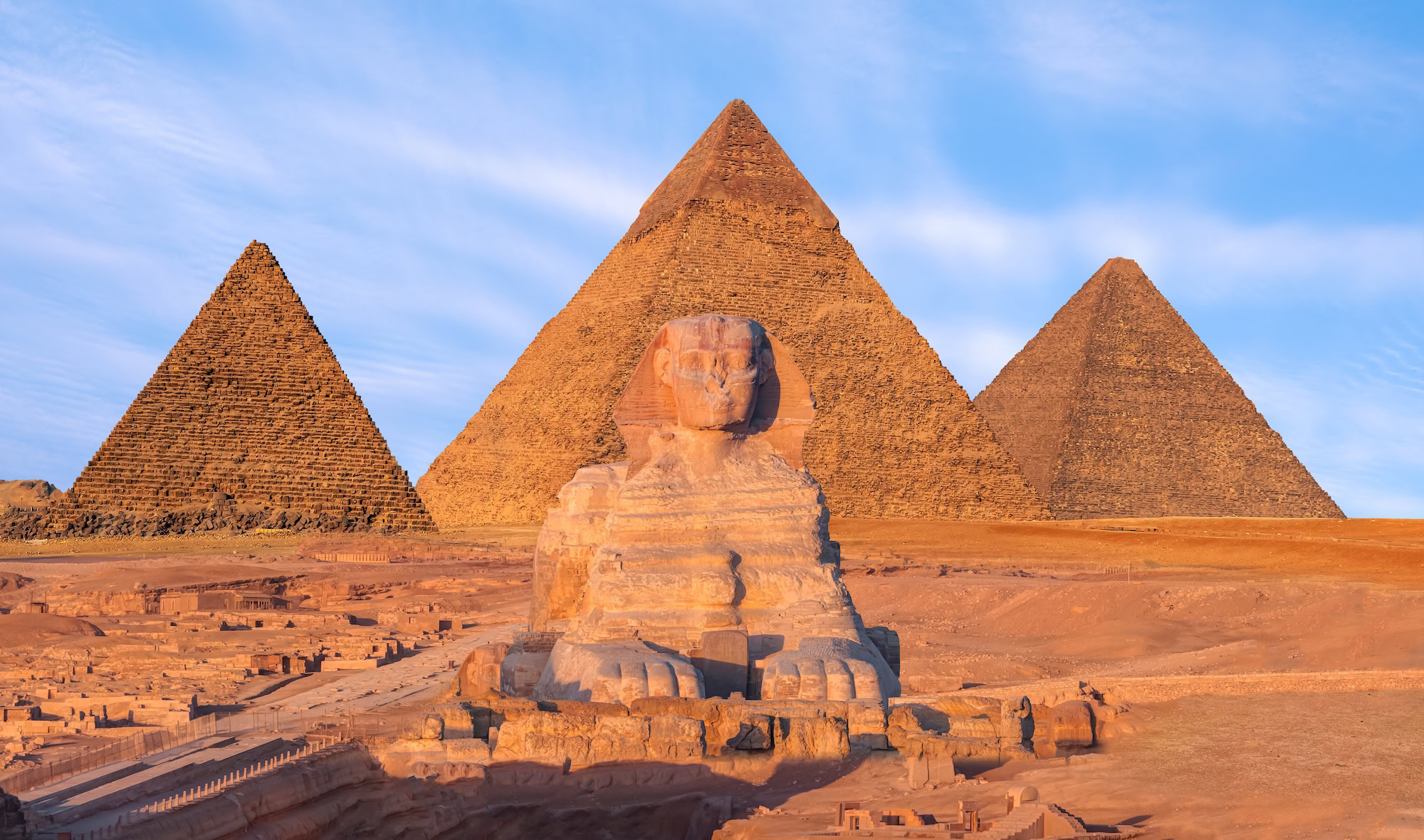
Ancient Egypt stands as one of humanity’s most remarkable achievements, spanning over 3,000 years of continuous culture along the fertile banks of the Nile. From the towering pyramids of Giza to the golden treasures of Tutankhamun, this ancient civilization created monuments, art, and innovations that continue to inspire wonder today. The pharaohs who ruled this desert kingdom left behind a legacy of architectural marvels, sophisticated religious beliefs, and cultural practices that influenced civilizations across the Mediterranean and beyond.
Understanding Ancient Egypt means exploring how geography shaped destiny, how the annual Nile floods created abundance in the desert, and how a complex society of farmers, craftsmen, and nobles built monuments that have survived into the modern era.
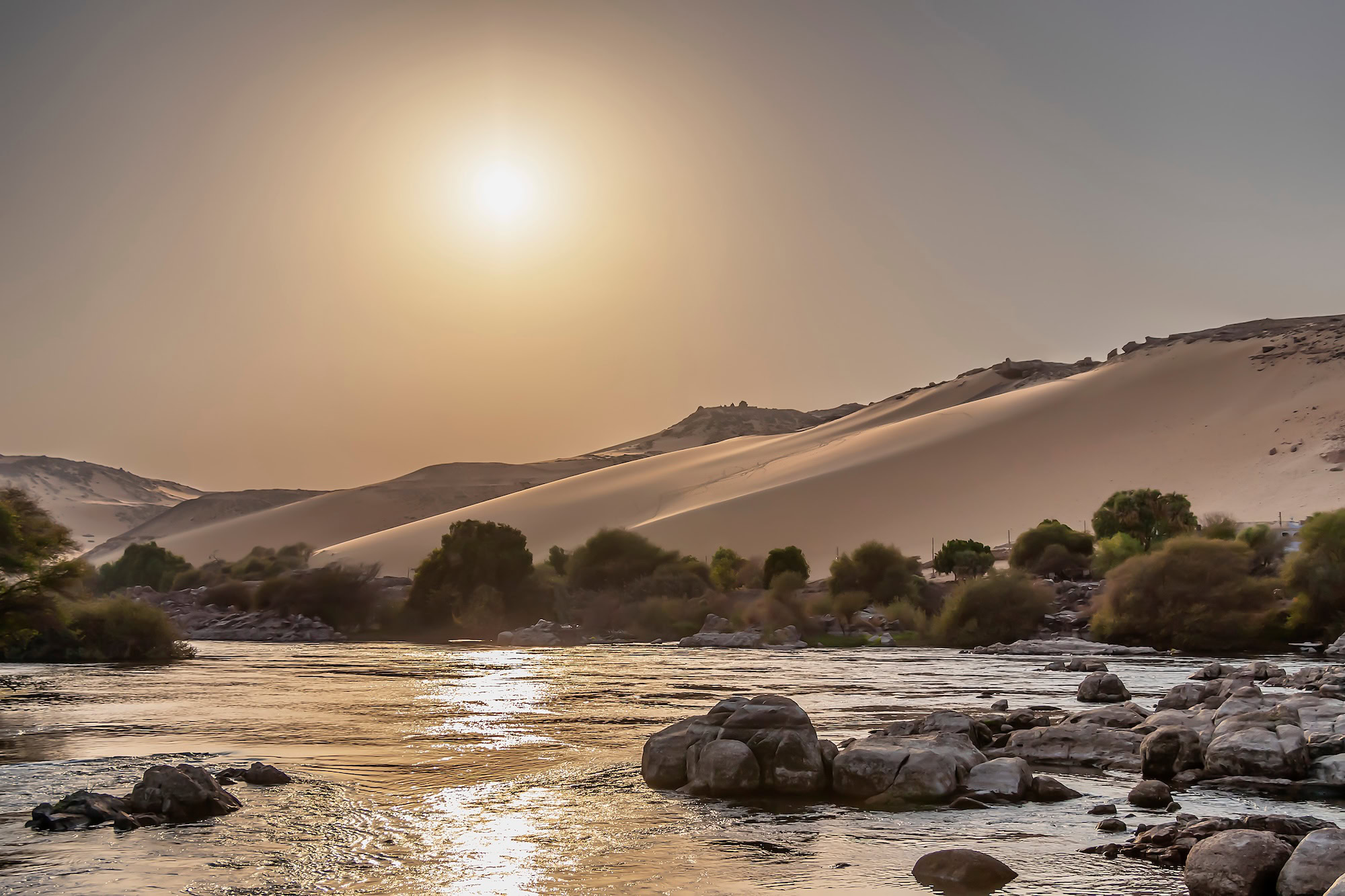
The Mighty Nile: Lifeline of Egyptian Civilization
The Nile River was ancient Egypt’s greatest gift. This massive waterway, stretching over 4,000 miles from its sources in East Africa to the Mediterranean Sea, created a narrow green ribbon of life through the harsh Sahara Desert. Every summer, predictable floods brought nutrient-rich silt from the Ethiopian Highlands, depositing black earth that Egyptians called “kemet” – the black land.
Annual Flooding Cycles
The inundation season, known as Akhet, began each July when the Nile waters rose dramatically. Farmers watched these floods with careful attention, knowing their livelihoods depended on the river’s generosity. Too little water meant famine; too much brought destruction. The Egyptians developed sophisticated irrigation systems, including basin irrigation that captured floodwater in rectangular basins bordered by earth walls.
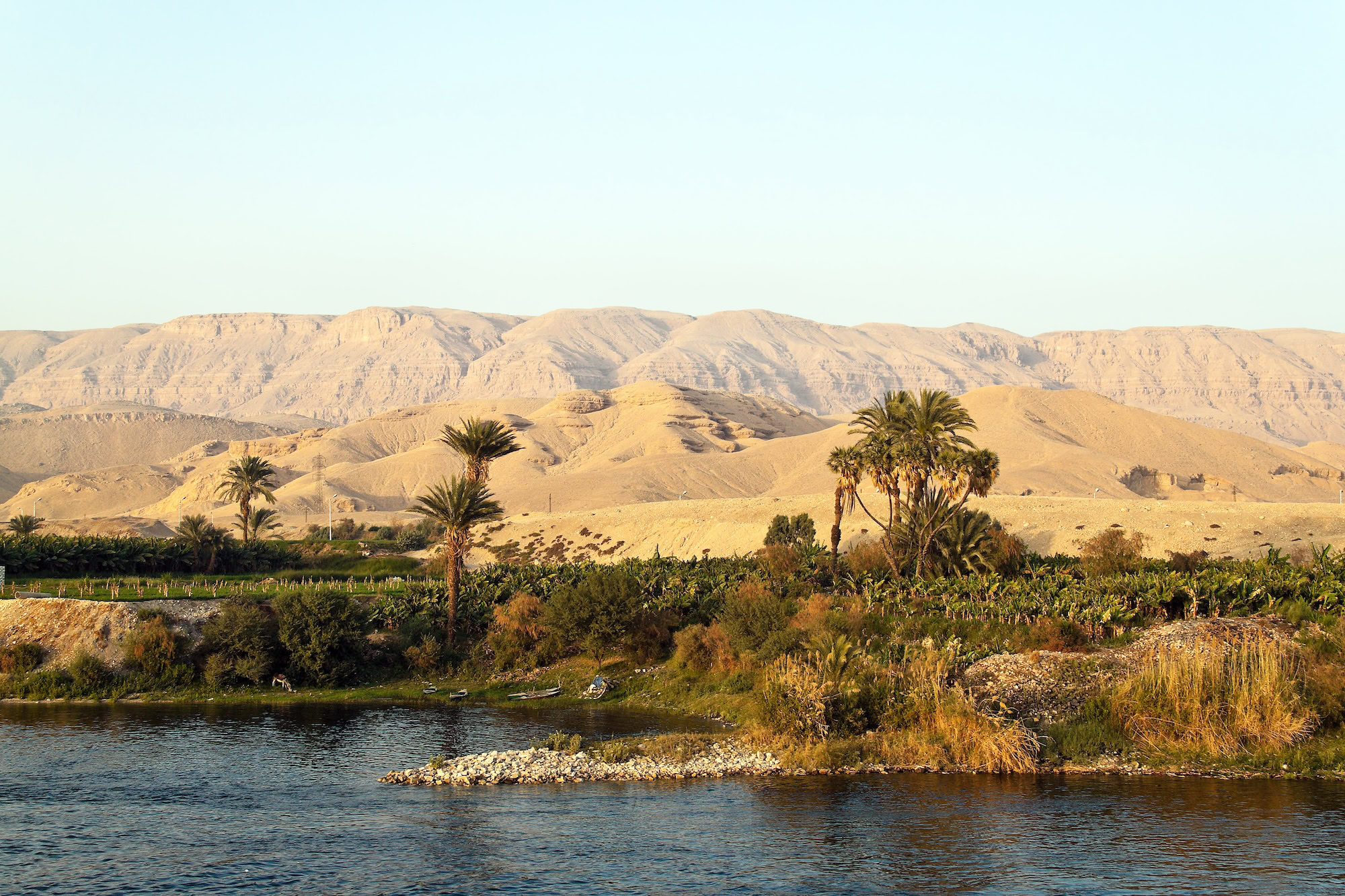
Agricultural Foundation
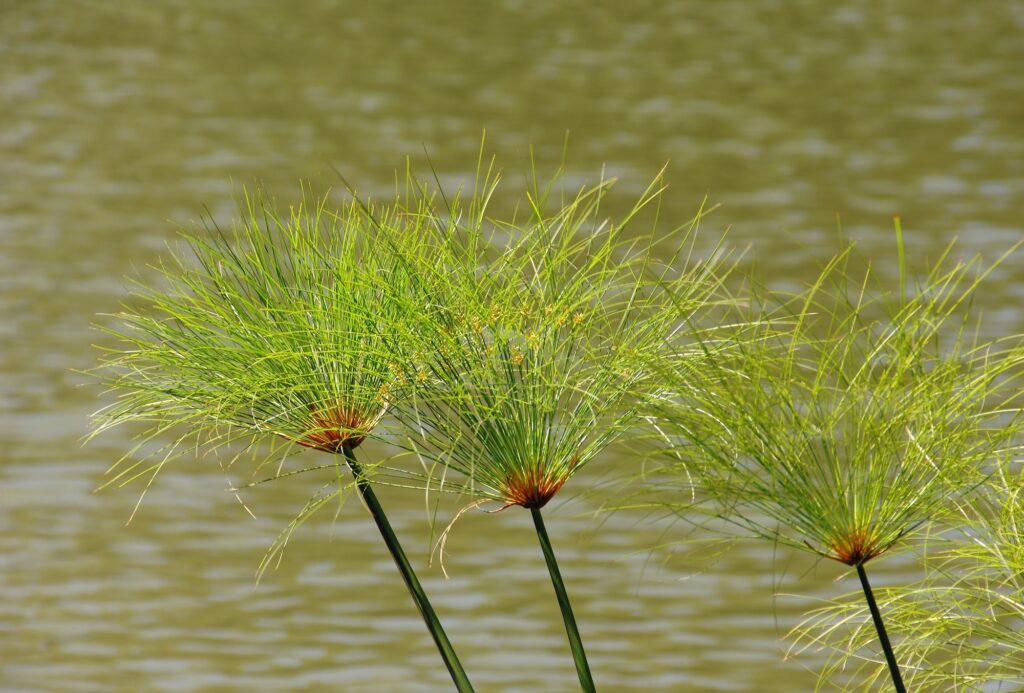
When the waters receded, farmers planted emmer wheat and barley in the fertile mud. These cereal crops became the foundation of Egyptian wealth, supporting a population that may have reached 3 million at its peak. Papyrus plants growing in the marshes provided material for the world’s first paper, while the river teemed with fish that supplemented the Egyptian diet.
Geography and Trade
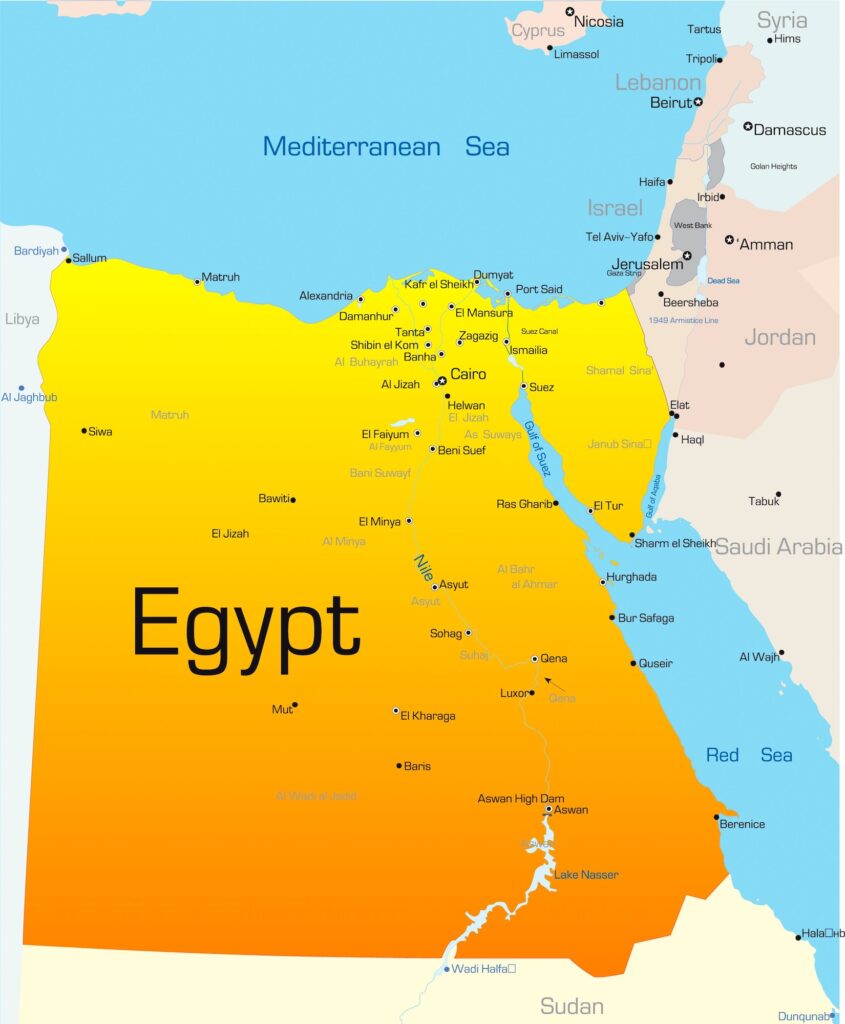
The Nile’s cataracts – rocky rapids that made navigation difficult – created natural boundaries between Egypt and Nubia to the south. At the same time, the Red Sea to the east and the Mediterranean to the north opened trade routes that brought gold, incense, and exotic goods into Egyptian markets. This unique geography made Egypt both protected and connected to the wider ancient world.
Pharaohs and the Divine Kingdom
Royal power in ancient Egypt wasn’t just political – it was religious, magical, and absolute. The pharaoh served as the living embodiment of Horus, the falcon-headed god, and after death became one with Osiris, ruler of the underworld. This divine kingship system created some of history’s most famous rulers and most enduring monuments.
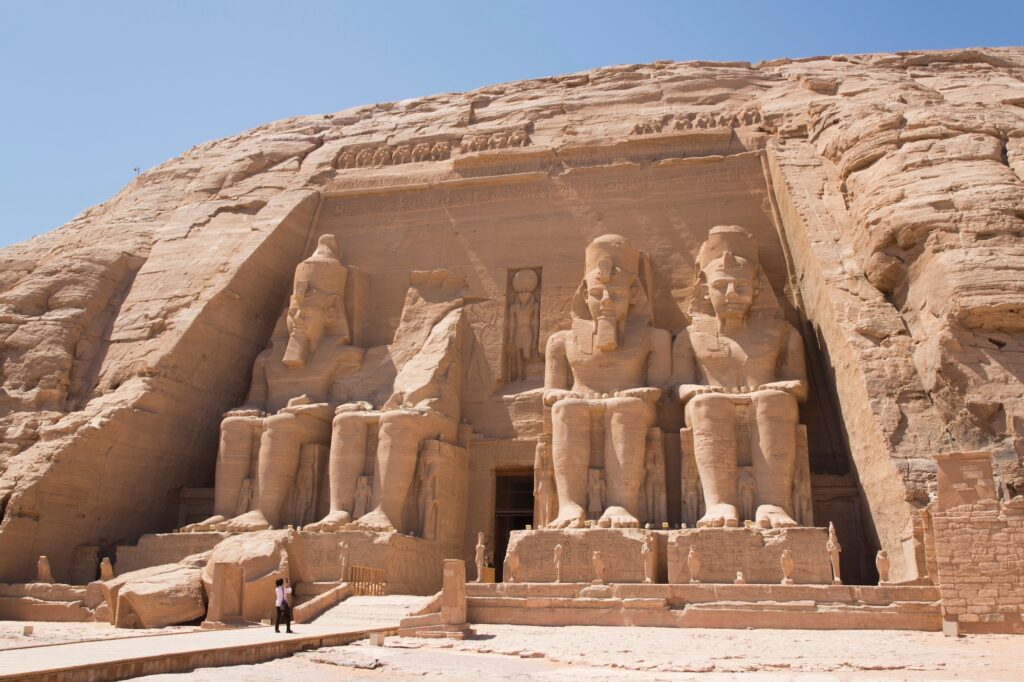
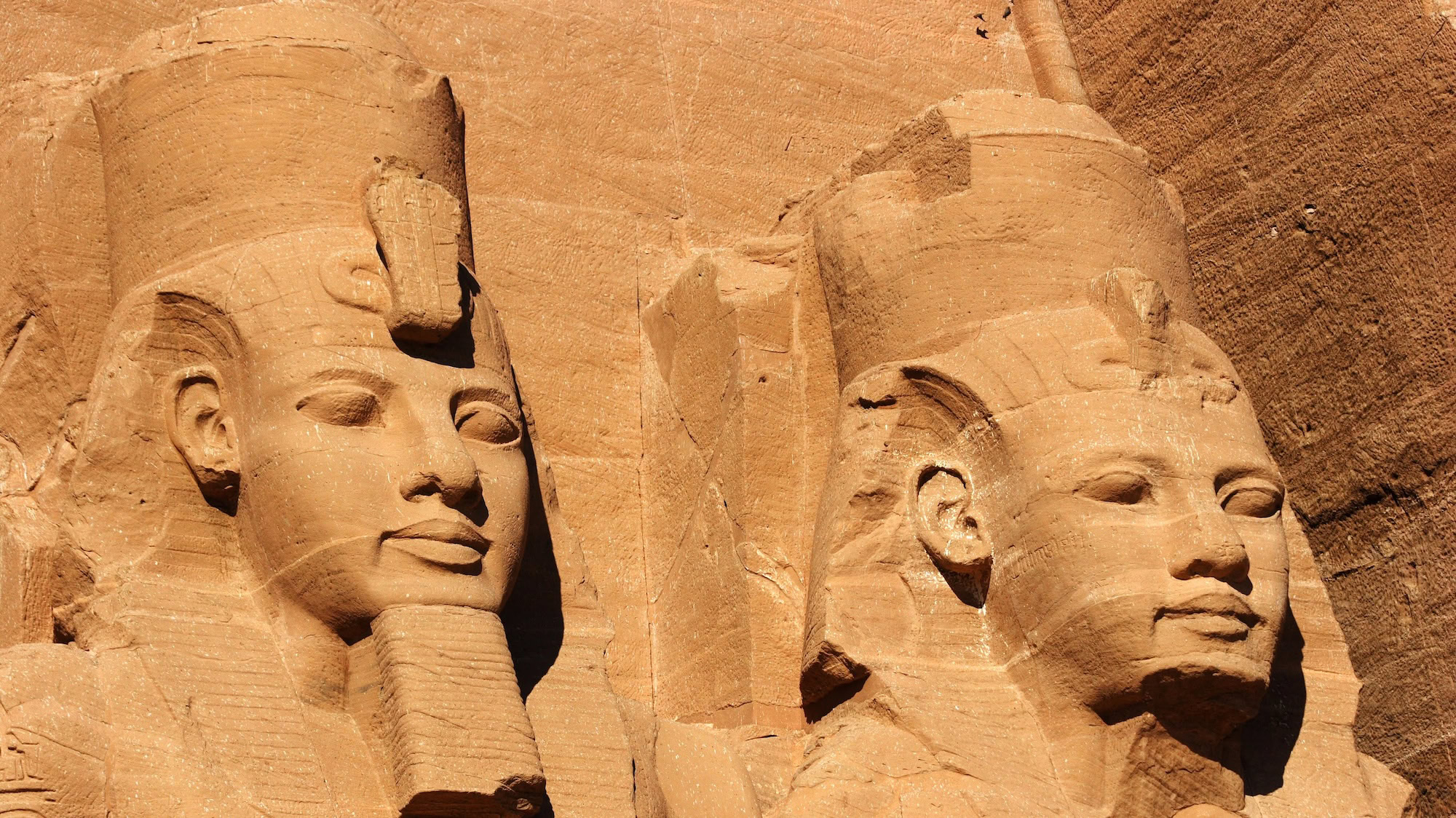
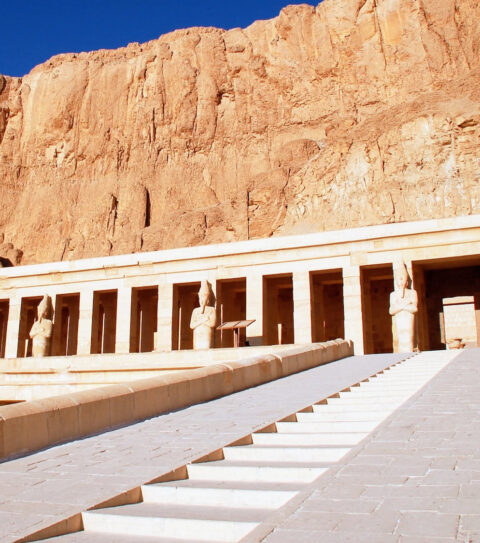
Hatshepsut broke barriers by ruling as pharaoh rather than queen regent, commissioning elegant temples and successful trading expeditions. Her successor Thutmose III expanded Egyptian territory to its greatest extent, while Akhenaten revolutionized Egyptian religion by promoting worship of a single solar deity, Aten. The boy king Tutankhamun’s tomb, discovered nearly intact in 1922, revealed the incredible wealth and artistry of royal burial practices. Ramses II, who ruled for 66 years, built more temples and monuments than any other pharaoh, including the massive temple complex at Abu Simbel.
Royal Symbols and Power
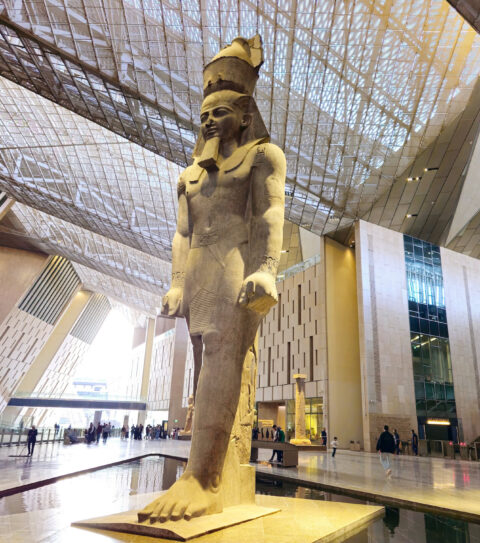
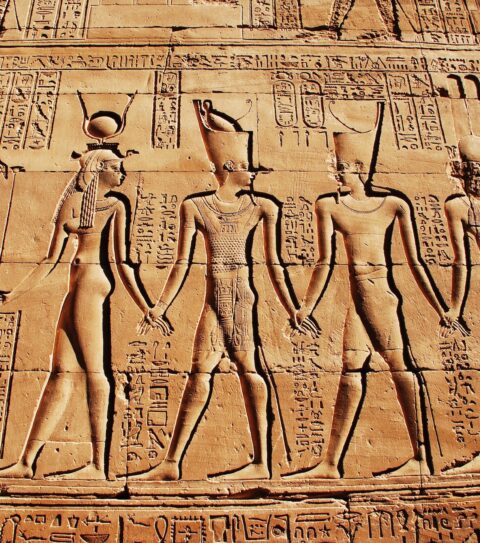
Pharaohs wore the double crown combining the red crown of Lower Egypt and the white crown of Upper Egypt, symbolizing their rule over the unified kingdom. The crook and flail represented their roles as shepherd and protector of their people, while the false beard connected them to the gods who were traditionally depicted with beards. These symbols appeared on royal sculptures, tomb paintings, and ceremonial objects throughout Egyptian history.
Daily Life Along the Nile
Most Egyptians were farmers who lived in small mud brick houses clustered near the river. The nuclear family formed the basic social unit, and Egyptian women enjoyed remarkable freedom compared to women in other ancient civilizations.
Women could own property, initiate divorce, and operate businesses independently. Some, like Queen Nefertiti and Cleopatra, wielded enormous political influence. Children played with dolls, balls, and board games while learning the skills they would need as adults. Boys typically followed their fathers’ professions, while girls learned household management and often assisted with family businesses.
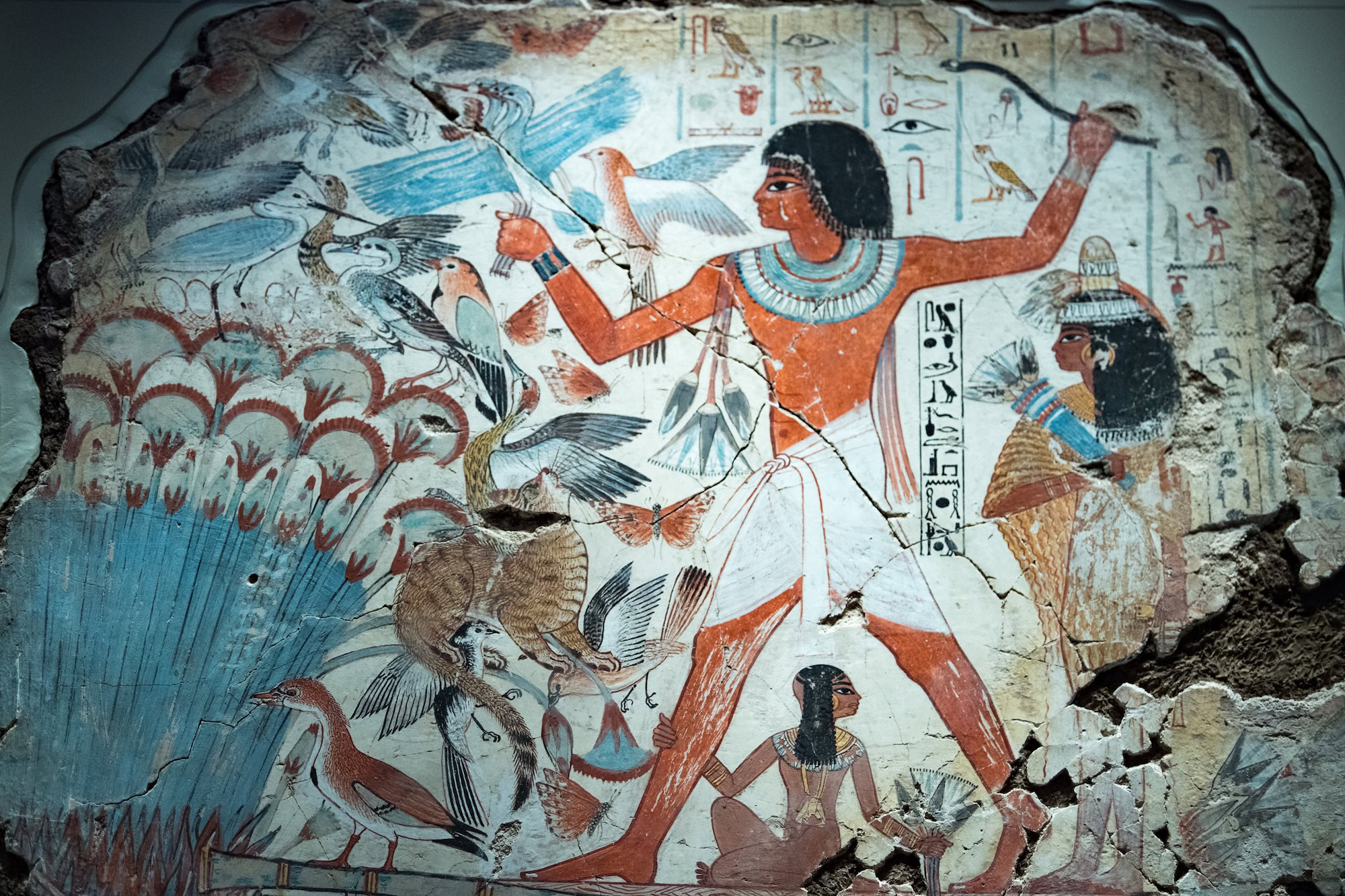
Hunting was both a practical activity and a symbol of status, with elites pursuing game in the deserts and marshes using bows, spears, and trained dogs. Hunting scenes were commonly depicted on tomb walls, symbolizing strength, order over chaos, and the deceased’s hope for abundance and eternal life in the afterlife.
The Egyptian calendar, based on careful observation of both the Nile floods and stellar movements, divided the year into 365 days. This innovation allowed farmers to plan planting and harvesting with precision. Egyptian mathematicians developed practical systems for division and multiplication that helped with construction projects, land surveying, and tax collection.
Craftsmen organized into specialized guilds created the pottery, jewelry, furniture, and luxury goods that filled Egyptian homes and tombs. These artisans passed their skills from father to son, maintaining quality standards that lasted for centuries. Unlike many ancient civilizations, slavery was never common in Egypt – most work was done by free farmers and specialized craftsmen who were tied to the land but not owned by their employers.
Music and Entertainment
Egyptians loved music, dance, and storytelling. Archaeological evidence reveals a variety of musical instruments including harps, flutes, drums, and sistrums – metal rattles associated with religious ceremonies. Professional musicians and dancers performed at religious festivals, royal celebrations, and private parties. Board games like Senet, which symbolized the journey through the afterlife, provided entertainment for both the living and the dead, as game boards were often buried with mummies.
Religious Beliefs and the Afterlife
Egyptian religion centered on maintaining Ma’at – the concept of truth, justice, and cosmic order. This belief system included hundreds of gods and goddesses, each with specific roles and powers.
Major Deities
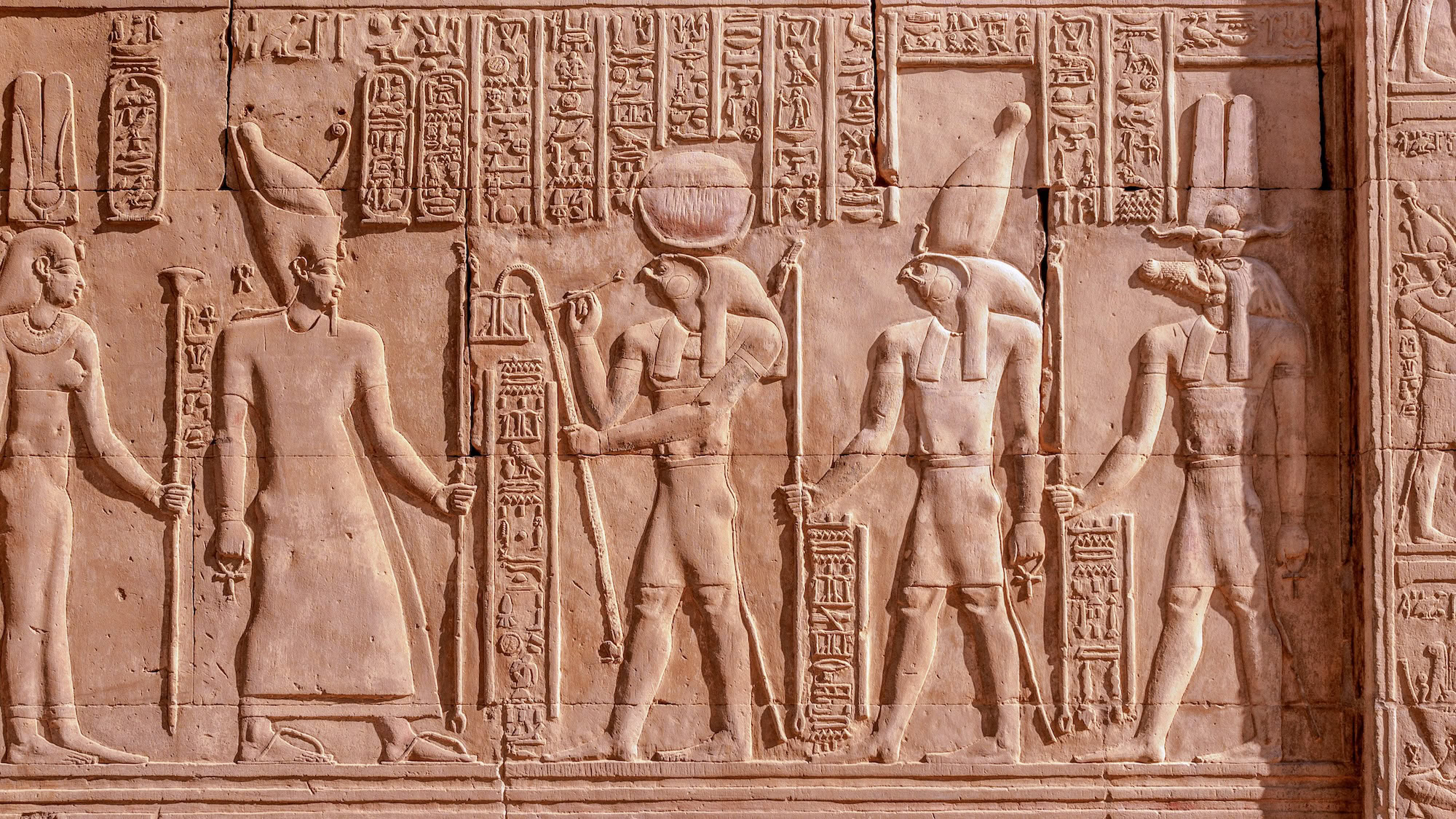
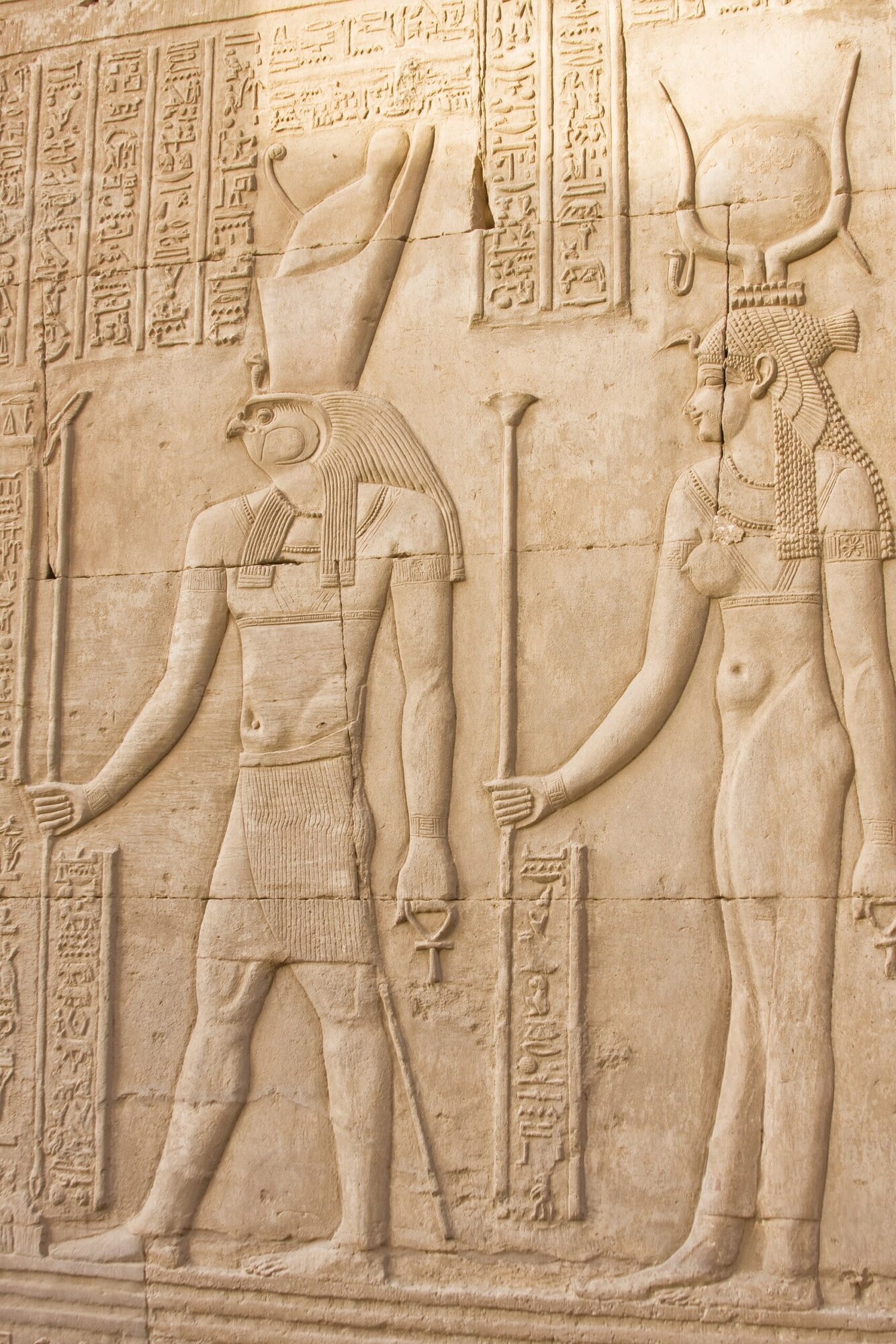
Osiris ruled the underworld and judged the dead, while his wife Isis represented motherhood and magic. Their son Horus, often depicted as a falcon, was associated with the pharaoh’s divine power. Anubis, the jackal-headed god, supervised mummification and guided souls through the dangerous underworld journey.
The Mummification Process
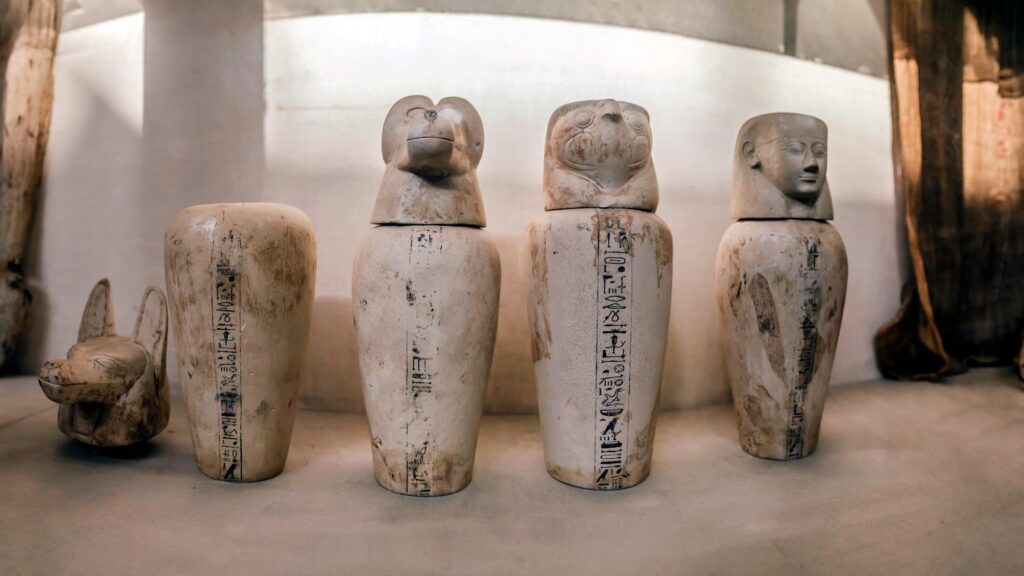
Preserving the body for the afterlife required elaborate procedures that could take up to 70 days. Embalmers removed internal organs and stored them in canopic jars protected by four gods – Imsety (liver), Duamutef (stomach), Hapi (lungs), and Qebehsenuef (intestines). The brain was removed through the nose, but the heart remained in the body as it would be weighed against a feather of truth in the afterlife judgment.
Wealthy Egyptians commissioned elaborate sarcophagi decorated with protective spells and images from the Book of the Dead. These texts provided instructions for navigating the afterlife and achieving eternal life with the gods.
Temples and Rituals
Massive stone temples served as houses for the gods, where priests performed daily rituals including washing statues, offering food, and burning incense. Only pharaohs and specially trained priests could enter the innermost sanctuaries where the god’s statue resided. Common people worshipped at smaller shrines and participated in religious festivals that brought the gods’ statues out for public celebration.
Monumental Architecture and Building Techniques
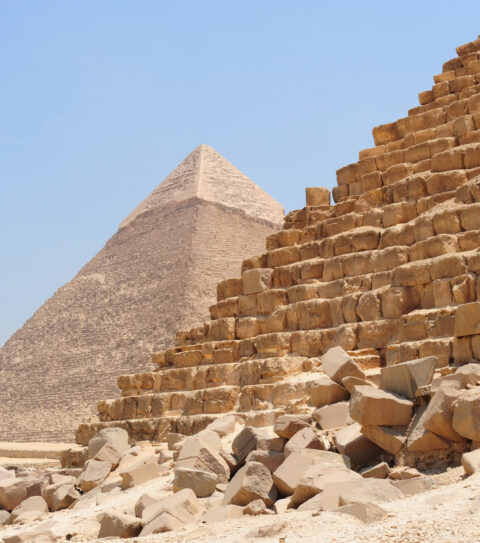
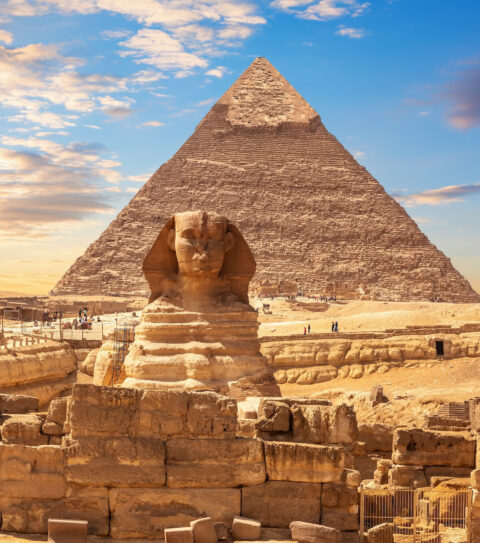
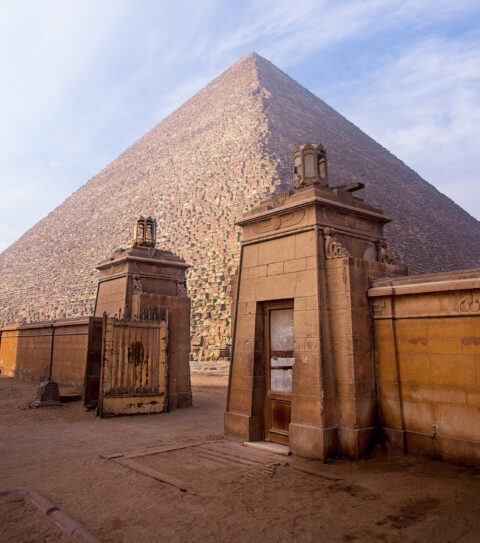
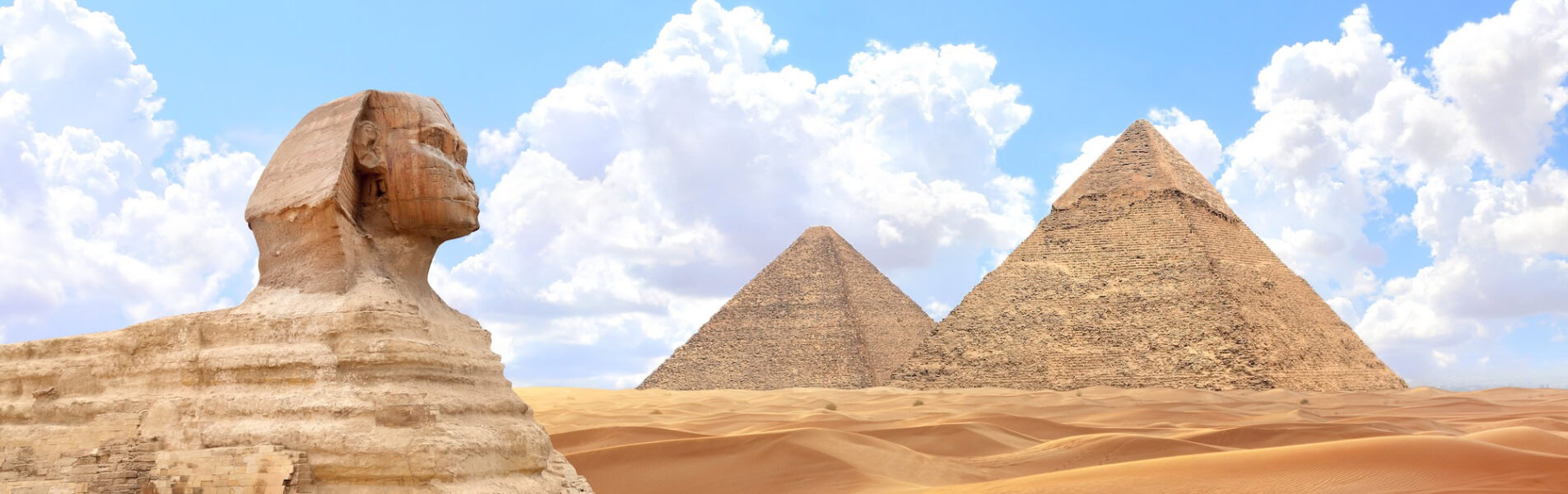
The Great Pyramids of Giza represent the pinnacle of ancient Egyptian engineering and organization. Built during the Old Kingdom period, these monuments required extraordinary levels of precision in both planning and execution.
Pyramid Construction
The largest pyramid, built for Pharaoh Khufu around 2580 BCE, originally stood 481 feet tall and contained over 2.3 million stone blocks, each weighing between 2.5 and 15 tons. Workers quarried limestone blocks locally and transported granite from Aswan, 500 miles to the south. Recent archaeological evidence suggests that workers lived in organized settlements near the construction sites, receiving regular rations of bread, beer, and meat.
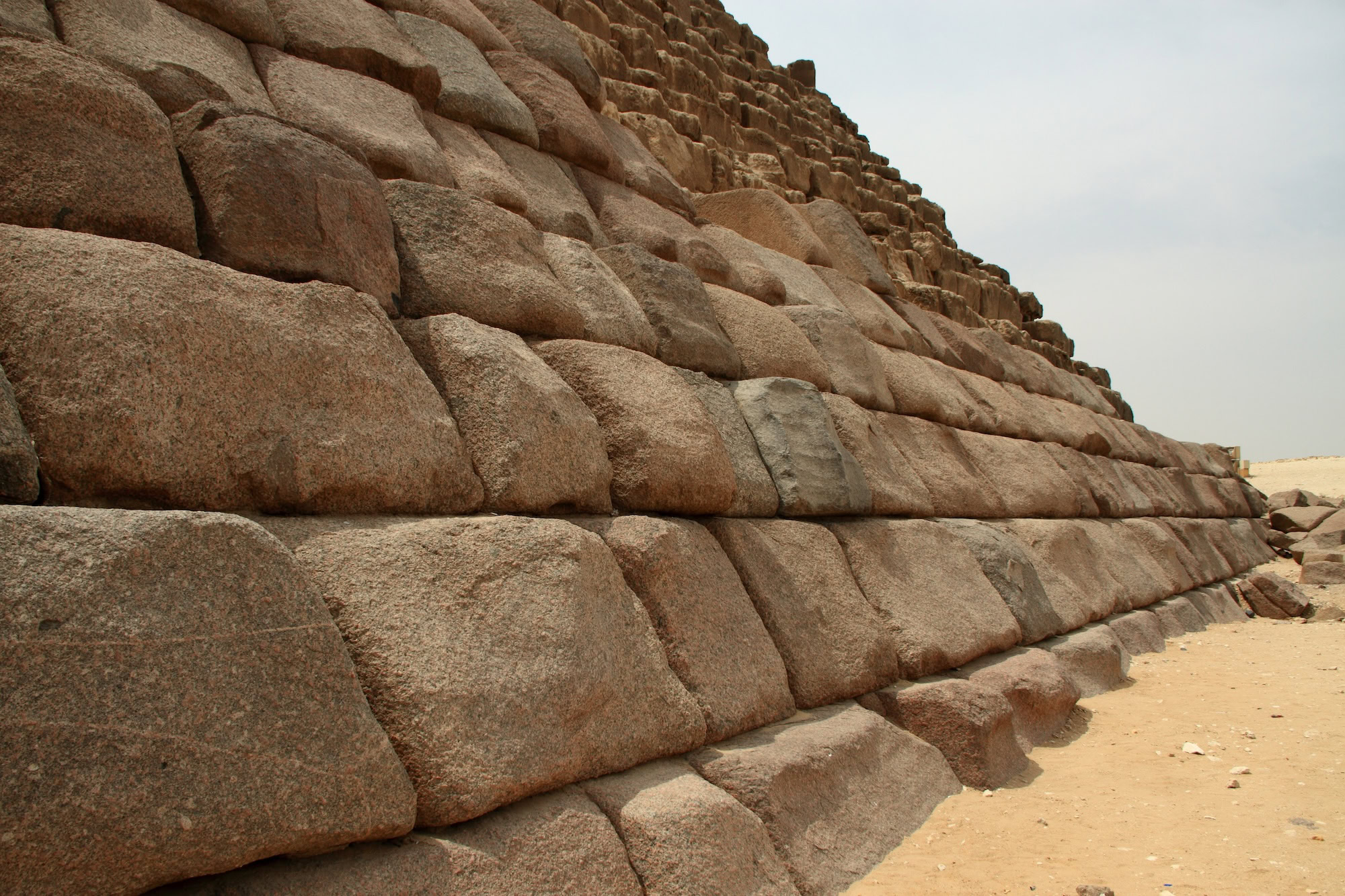
Engineers used copper tools, wooden rollers, and sophisticated ramp systems to move massive blocks into position. The precision of the construction is remarkable – the base of Khufu’s pyramid is level to within just 2.1 centimeters, and the sides are aligned to the cardinal directions within 3/60th of a degree.
Temple Architecture
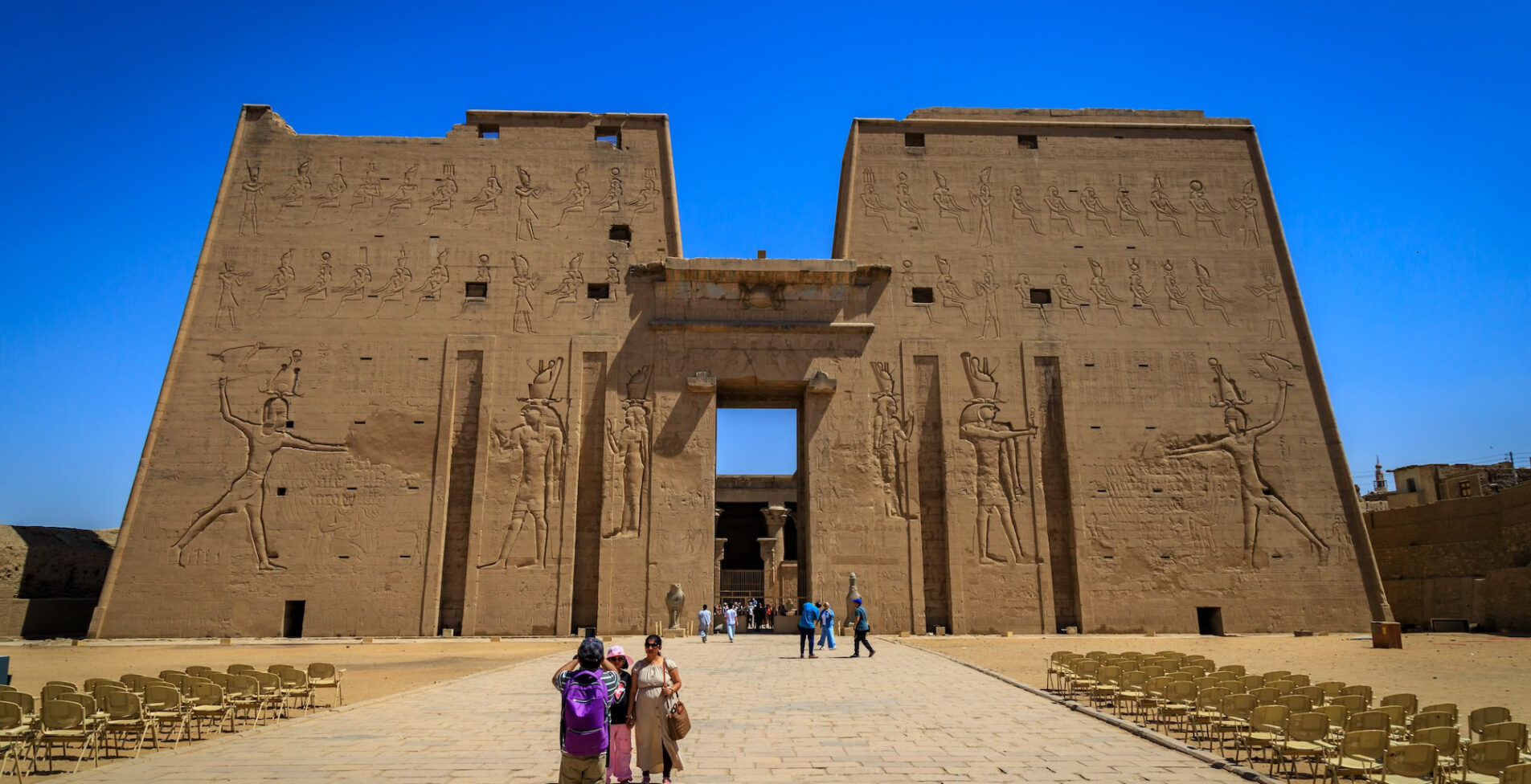
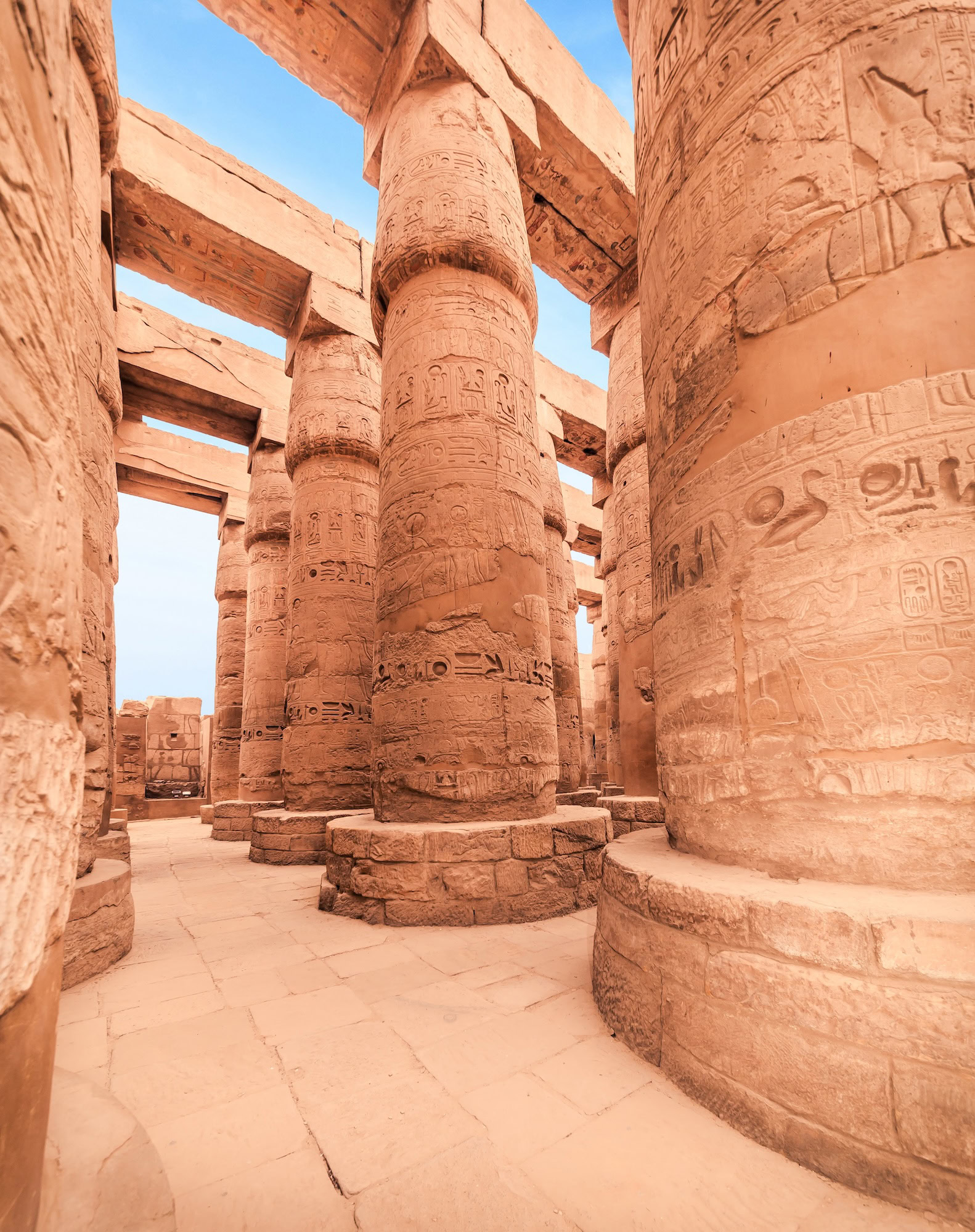
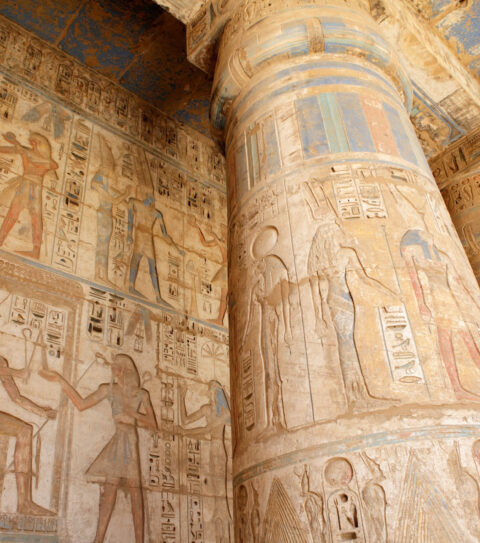
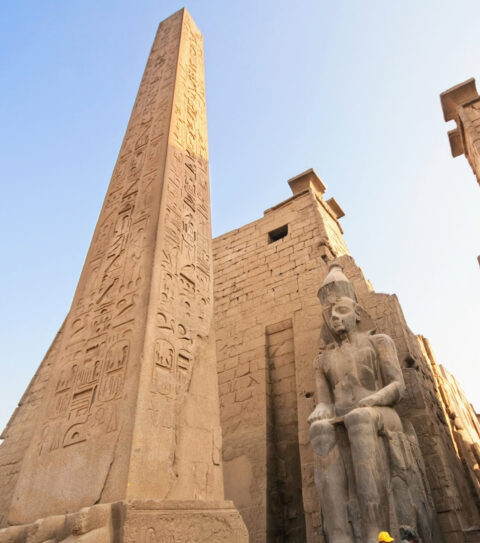
Egyptian temples followed consistent architectural principles that reflected religious beliefs about cosmic order. Massive pylons (entrance gates) led to open courtyards, then hypostyle halls with forest-like columns supporting stone roofs, and finally the dark inner sanctuary where the god’s statue resided. This progression from bright, public spaces to dark, sacred areas symbolized the journey from the everyday world to the divine realm.
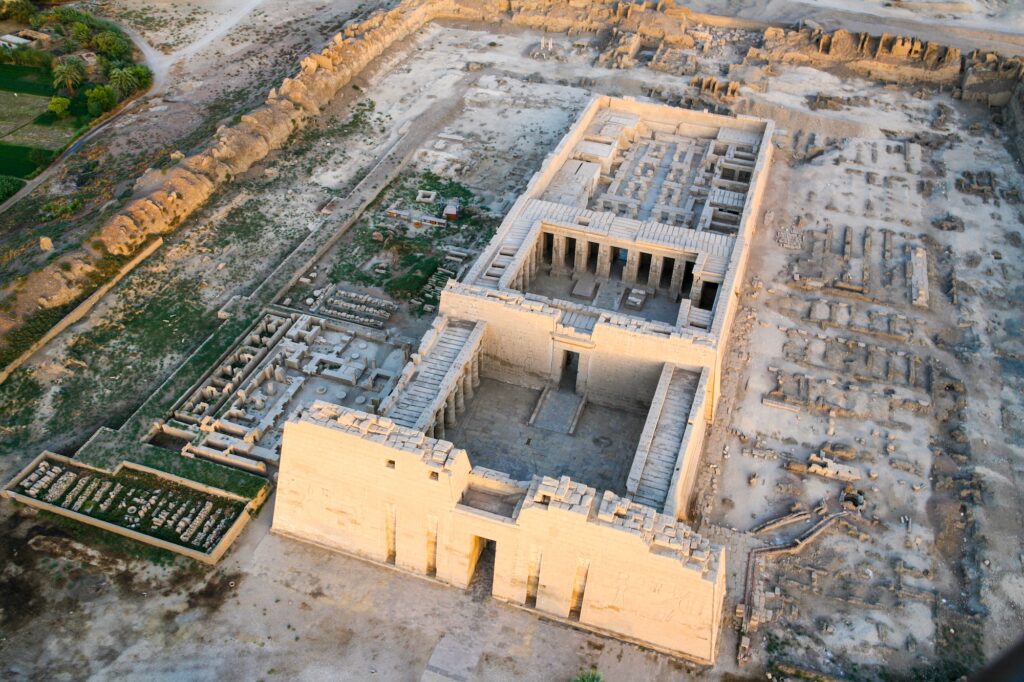
The Karnak Temple Complex, built and expanded over 2,000 years, covers more than 100 hectares and includes the largest religious building ever constructed. Its Great Hypostyle Hall contains 134 massive columns arranged in 16 rows, with the tallest reaching 69 feet in height.
Cultural Innovations and Legacy
Ancient Egyptian innovations in writing, science, and art influenced cultures throughout the Mediterranean world and continue to impact modern society.
Hieroglyphic Writing
The Egyptian writing system combined pictographic symbols, alphabetic signs, and determinatives that clarified meaning. Scribes used hieroglyphs for formal inscriptions on monuments and tombs, while developing hieratic and later demotic scripts for daily administrative tasks. The Rosetta Stone, discovered in 1799, provided the key to deciphering hieroglyphs by presenting the same text in Greek, demotic, and hieroglyphic scripts.
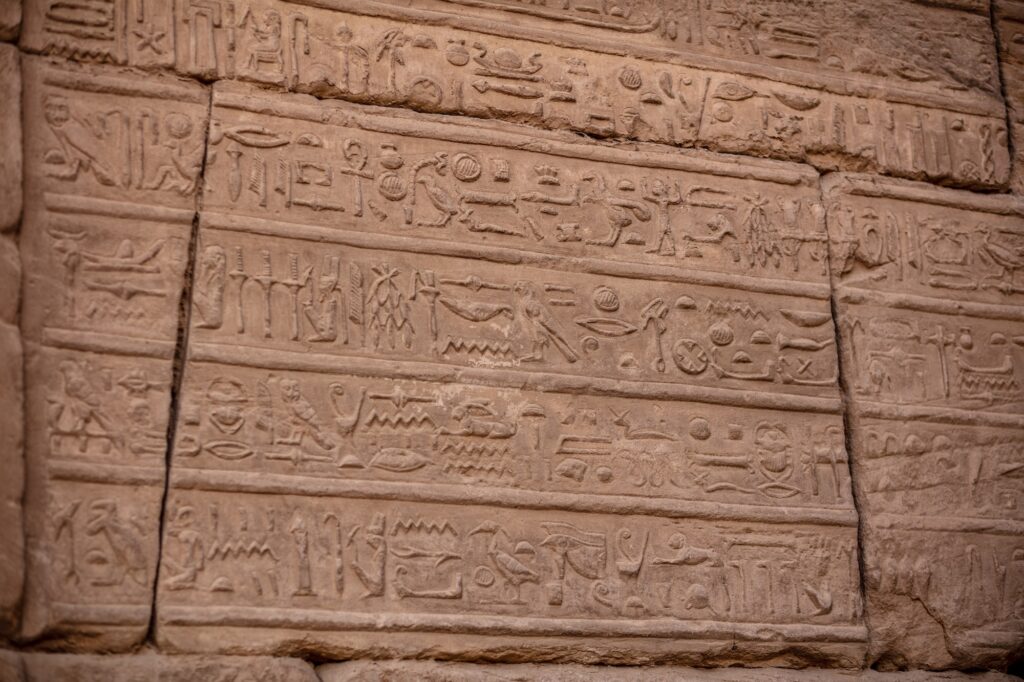
Medical and Scientific Knowledge
Egyptian physicians developed sophisticated medical treatments based on careful observation and record-keeping. The Edwin Smith Papyrus, dating to around 1600 BCE, describes surgical procedures and anatomical knowledge gained through mummification practices. Egyptian doctors could set broken bones, perform cataract surgery, and create prosthetic devices.
Art and Craftsmanship
Egyptian artists followed strict conventions that emphasized eternal perfection over naturalistic representation. Human figures were depicted with heads in profile but eyes facing forward, while pharaohs appeared larger than other figures to show their importance. This artistic style, designed for eternity, remained remarkably consistent for over 3,000 years.
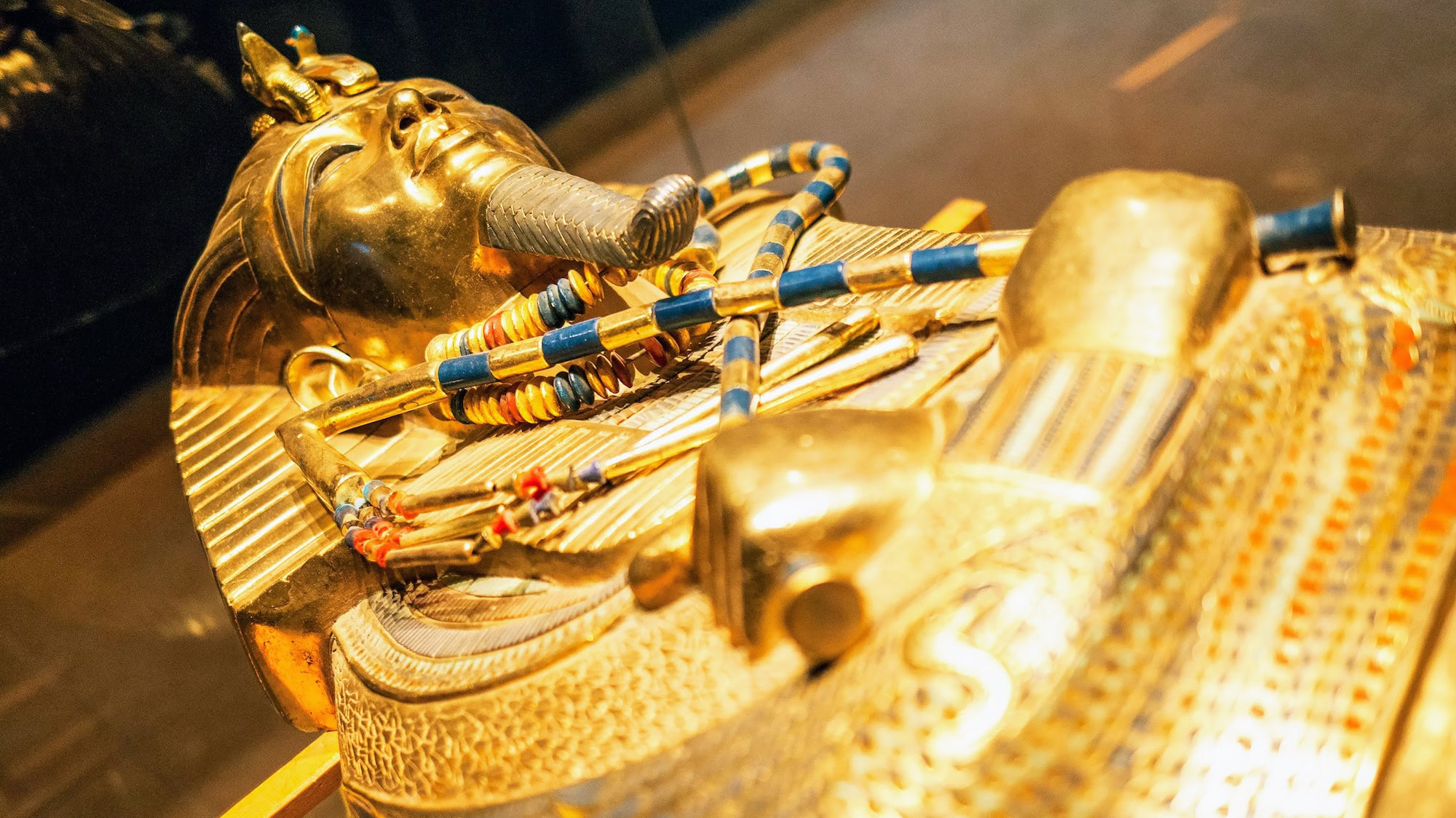
Gold jewelry found in royal tombs demonstrates incredible technical skill in metalworking, granulation, and cloisonné techniques. The golden death mask of Tutankhamun, weighing over 20 pounds, showcases the Egyptian mastery of goldsmithing that made their luxury goods prized throughout the ancient world.
Historical Periods and Political Evolution
Ancient Egyptian civilization is traditionally divided into distinct periods marked by political unity or fragmentation, foreign invasions, and cultural changes.
Early Dynastic Period
King Narmer (possibly the same person as Menes) unified Upper and Lower Egypt around 3100 BCE, establishing the first dynasty and creating the political structure that would endure for millennia. During this period, Egyptians developed hieroglyphic writing, established royal burial practices, and created the governmental administration that controlled the Nile Valley.
Old Kingdom
Known as the “Age of the Pyramids,” the Old Kingdom saw the construction of the most famous monuments at Giza and Saqqara. Pharaohs like Djoser, Sneferu, Khufu, and Khafre commanded vast resources and organized massive construction projects that demonstrated royal power and divine connection.
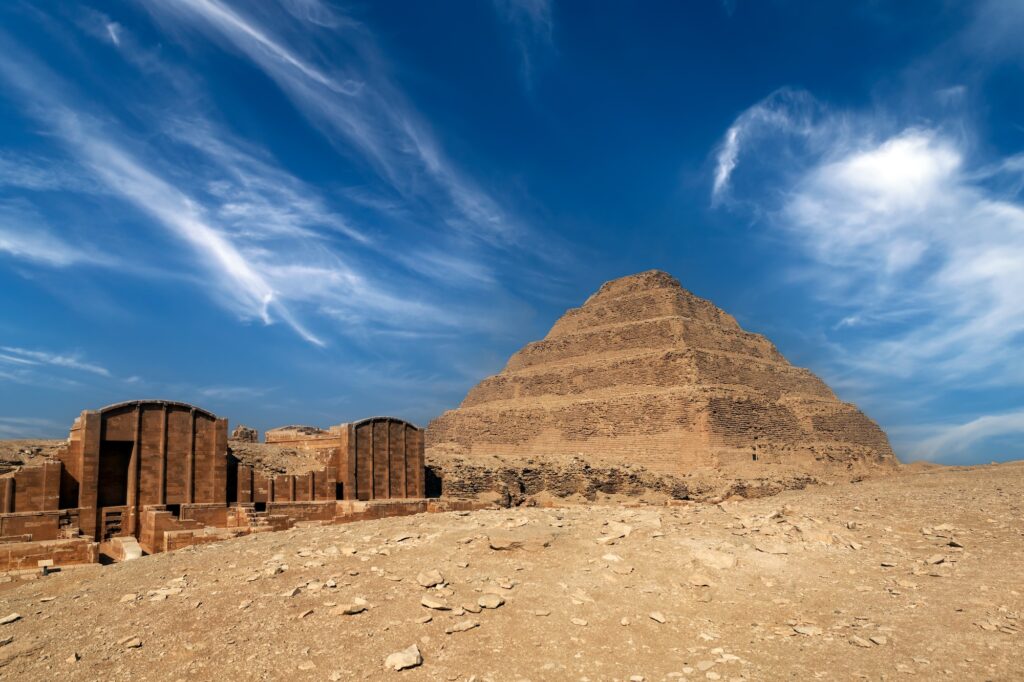
The capital at Memphis controlled trade and administration throughout the unified kingdom.
Middle Kingdom
After a period of political fragmentation called the First Intermediate Period, pharaohs of the 11th and 12th dynasties reunified Egypt and expanded southward into Nubia. This period saw flowering of literature, art, and religious thought, including the democratization of afterlife beliefs that had previously been reserved for royalty.
New Kingdom
Egypt reached its greatest territorial extent during the New Kingdom, controlling lands from Sudan to Syria. Famous pharaohs of this period include Hatshepsut, Thutmose III, Akhenaten, Tutankhamun, and Ramses II. The capital moved to Thebes (modern Luxor), where massive temple complexes at Karnak and Luxor demonstrated Egyptian wealth and power.
Egypt’s Interaction with Neighboring Cultures
Ancient Egypt didn’t develop in isolation but maintained complex relationships with neighboring civilizations that influenced Egyptian culture and politics.
Nubian Connections
The kingdom of Kush in Nubia maintained close cultural and economic ties with Egypt throughout ancient history. Nubians served as soldiers in Egyptian armies, while Egyptian gold mining operations extended deep into Nubian territory.
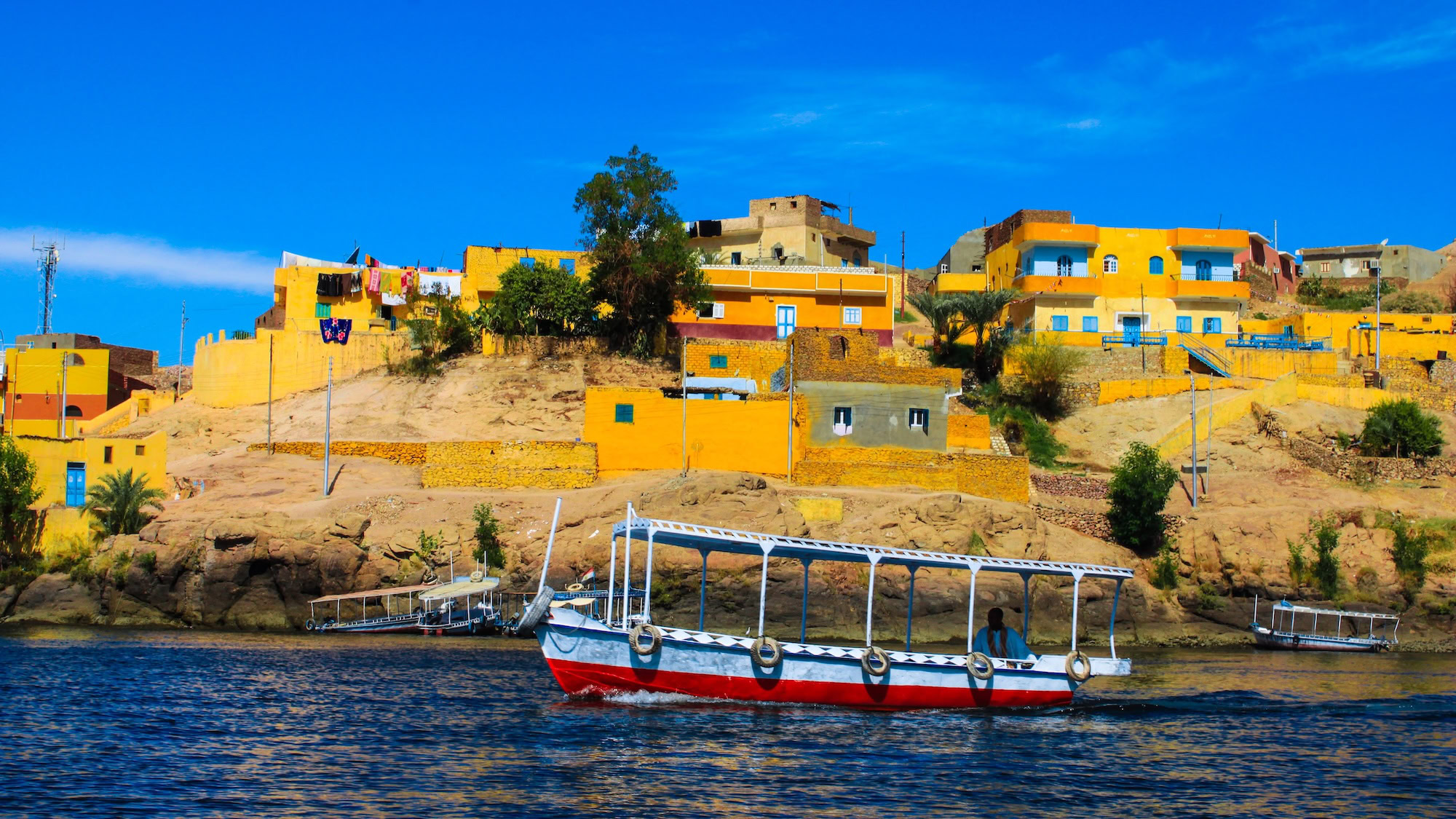
During the 25th Dynasty, Nubian kings actually ruled Egypt, creating a fascinating period when pharaohs from the south controlled the entire Nile Valley.
Mediterranean Trade
Egyptian ships sailed the Mediterranean carrying gold, papyrus, and linen to trade for cedar wood from Lebanon, silver from Anatolia, and luxury goods from across the ancient world. Archaeological evidence from shipwrecks reveals the extent of this trade network and Egypt’s central role in ancient Mediterranean commerce.
Egyptian diplomatic correspondence, including the Amarna Letters, shows sophisticated international relations with kingdoms in Mesopotamia, Anatolia, and the Levant. These clay tablets reveal marriage alliances, tribute payments, and diplomatic negotiations that maintained Egypt’s position as a major ancient power.
The Roman conquest in 30 BCE ended pharaonic rule but didn’t immediately destroy Egyptian culture. Many Egyptian religious practices, artistic styles, and technological innovations continued under Roman administration and influenced the development of early Christianity.
Frequently Asked Questions
When did Ancient Egypt begin and end?
Ancient Egypt began around 3100 BCE with unification and ended in 30 BCE with Roman conquest.
Who built the pyramids and how long did it take?
Skilled Egyptian workers built pyramids during the Old Kingdom, taking an estimated 20 years for completion.
What language did ancient Egyptians speak?
Egyptians spoke Egyptian language, distantly related to Arabic, using hieroglyphs and hieratic scripts for writing.
How were pharaohs chosen?
Succession typically passed father to son, though queens or military leaders could claim divine approval.
What did ancient Egyptians eat daily?
Bread and beer were staples, with fish, vegetables, fruits, and occasional meat supplements.
Why did Egyptians mummify bodies?
Body preservation was essential for afterlife survival, preventing decay for continued existence.
How accurate is the Egyptian calendar?
The 365-day calendar was remarkably precise, differing from solar year by only six hours.
What happened to Egypt’s ancient monuments?
Many monuments survive today, attracting millions of visitors despite damage from natural forces.
Did ancient Egyptians have money?
Early periods used barter systems, later adopting standardized gold and silver weights as currency.
How do we know so much about ancient Egypt?
Hieroglyphic inscriptions, papyrus documents, archaeological excavations provide extensive information spanning three millennia.
What role did women play in ancient Egyptian society?
Women enjoyed considerable legal rights including property ownership, business operation, and divorce initiation.
How did ancient Egypt influence modern civilization?
Egyptian innovations in medicine, mathematics, architecture influenced Greek and Roman civilizations, reaching modern world.
Design Your Custom Tour
Explore Egypt your way by selecting only the attractions you want to visit