Abu Simbel Sun Festival: Ancient Egypt’s Most Spectacular Light Show
The sun aligns perfectly with ancient pharaonic design twice each year.
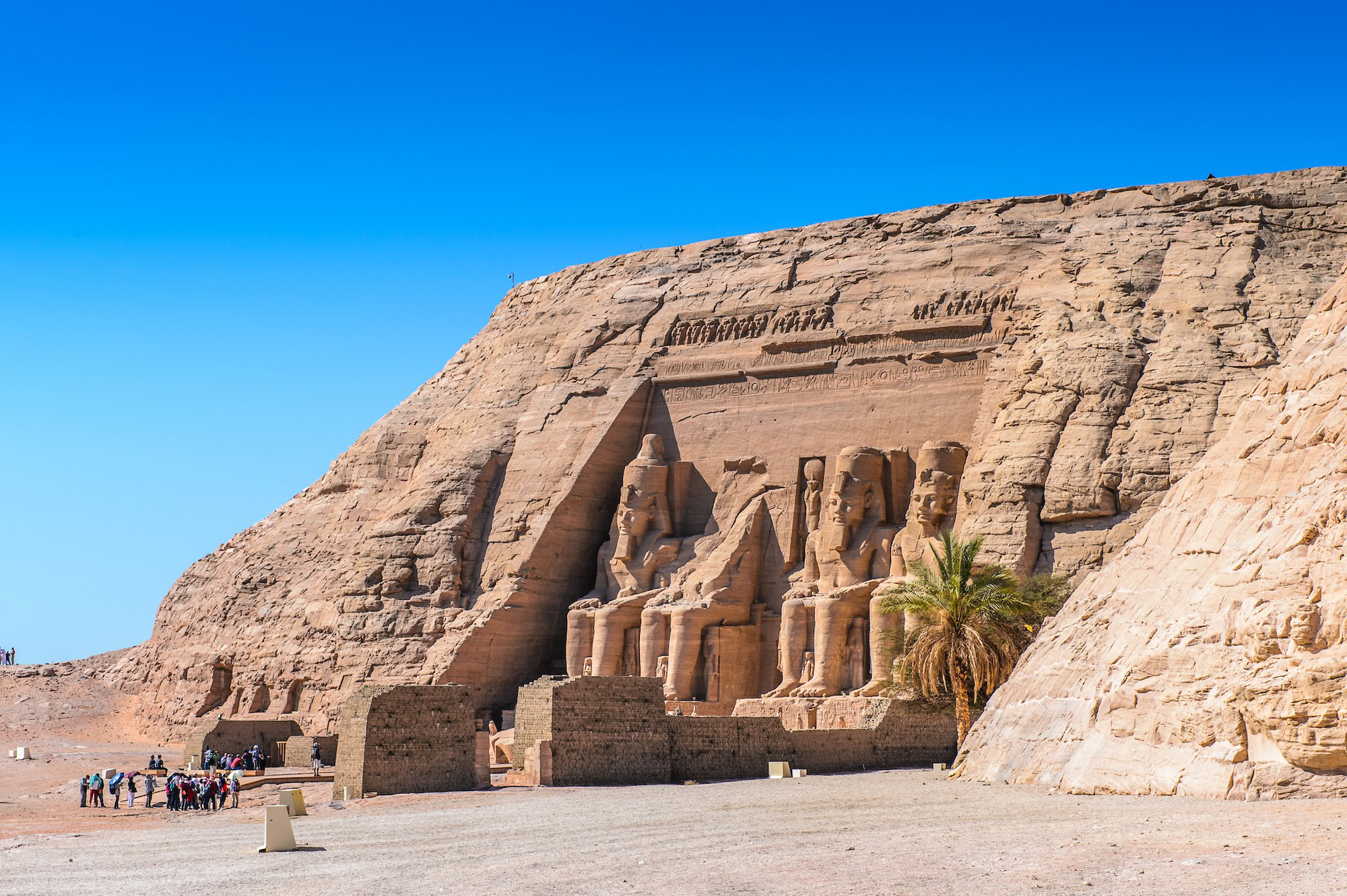
For over 3,000 years, Abu Simbel has captured the imagination of travelers and archaeologists alike. The Great Temple of Ramses II showcases one of humanity’s most remarkable architectural achievements – a celestial alignment so precise that sunlight penetrates deep into the sanctuary exactly twice annually. This phenomenon transforms the temple’s inner chambers into a theater of light, illuminating the sacred statues of pharaoh and gods in a display that continues to inspire wonder today.
We craft unforgettable Abu Simbel Sun Festival experiences, pairing decades of expertise with deep local insight. Our private guides bring this ancient wonder and its meaning vividly to life. Plan your Abu Simbel journey →
When Light Meets Legend: The Sun Festival Phenomenon
The magic happens on February 22nd and October 22nd each year. Ancient Egyptian architects achieved something extraordinary when they designed the Great Temple – calculating angles, depths, and orientations with mathematical precision that rivals modern engineering.
The Sacred Alignment Process
Sunrise begins around 6:30 am (06:30), but the true spectacle unfolds gradually. As morning light creeps across Lake Nasser, the first rays penetrate the temple entrance at approximately 7:15 am (07:15). The sunbeam travels 185 feet through the temple’s corridors, past towering columns and intricate reliefs.
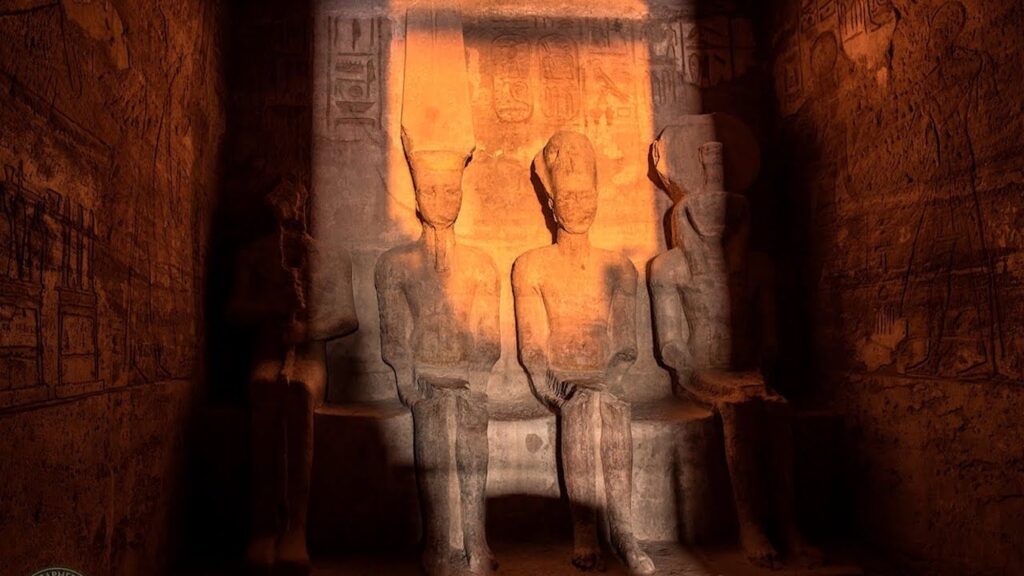
The innermost sanctuary houses four seated statues: Ramses II flanked by the gods Ra-Horakhty, Amun-Ra, and Ptah. For twenty magical minutes, sunlight bathes three of these figures in golden radiance. Remarkably, Ptah – the god of darkness – remains deliberately shrouded in shadow, showcasing the architects’ sophisticated understanding of both astronomy and theology.
February vs October: Seasonal Differences
February’s festival occurs during Egypt’s cooler season, with temperatures reaching 75°F (24°C) during the day. The Nile’s water levels are typically lower, creating different photographic opportunities around the temple complex. October brings warmer weather – often 86°F (30°C) – with clearer skies that enhance the light phenomenon’s visibility.
Both dates attract hundreds of visitors, but February generally sees smaller crowds due to the academic calendar in many countries.
The Great Temple of Ramses II: Engineering Marvel
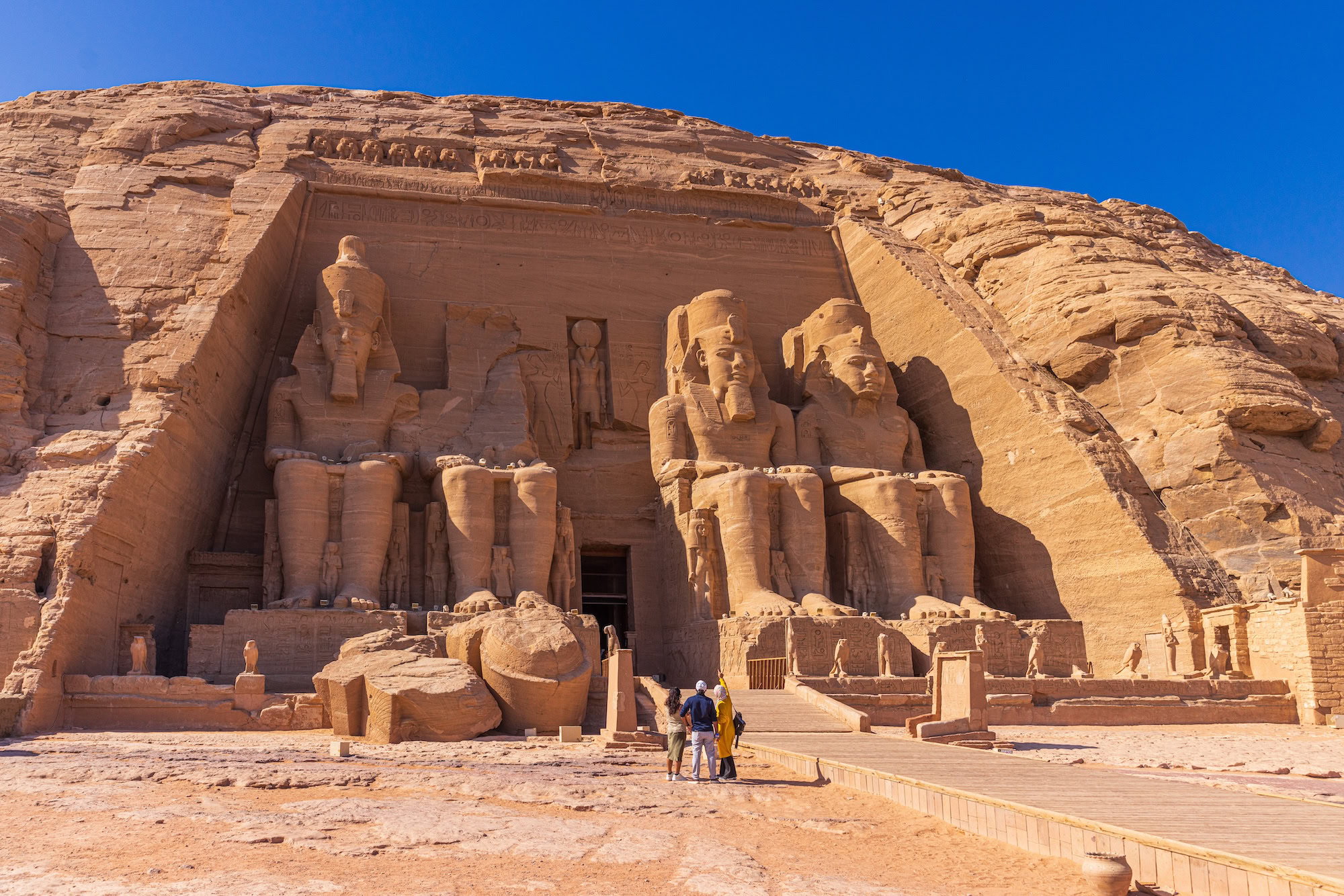
Ramses II commissioned this monument during the 13th century BCE, choosing a location that demonstrated both religious devotion and political power. The temple’s facade features four colossal statues, each standing 65 feet tall and weighing approximately 1,200 tons.
Construction required moving an estimated 300,000 tons of sandstone. Workers carved the entire complex directly into the clifftops overlooking what was then the Nile River. The precision required for the sun alignment meant calculating not just the temple’s orientation, but also accounting for the Earth’s axial precession over millennia.
Architectural Significance Beyond the Alignment
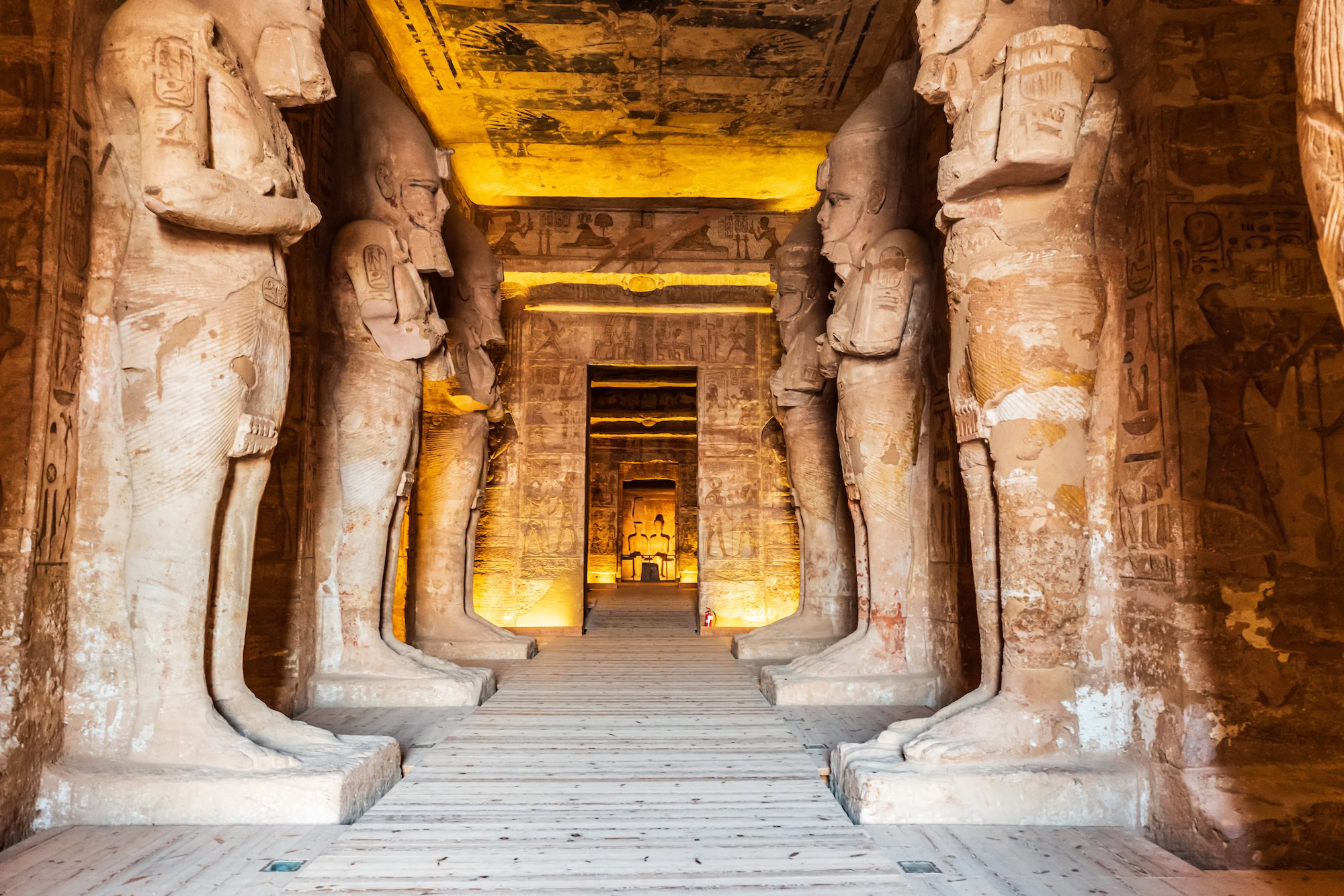
The Great Temple serves multiple purposes beyond its celestial calendar function. Hieroglyphic inscriptions throughout the complex chronicle Ramses II’s military victories, particularly the Battle of Kadesh. The hypostyle hall contains eight pillars, each featuring Osiride statues of the pharaoh in mummified form.
Interior chambers reveal sophisticated ventilation systems that maintained air circulation throughout the deep temple complex. Wall reliefs demonstrate advanced artistic techniques, with figures carved in varying depths to create dramatic shadows during different lighting conditions.
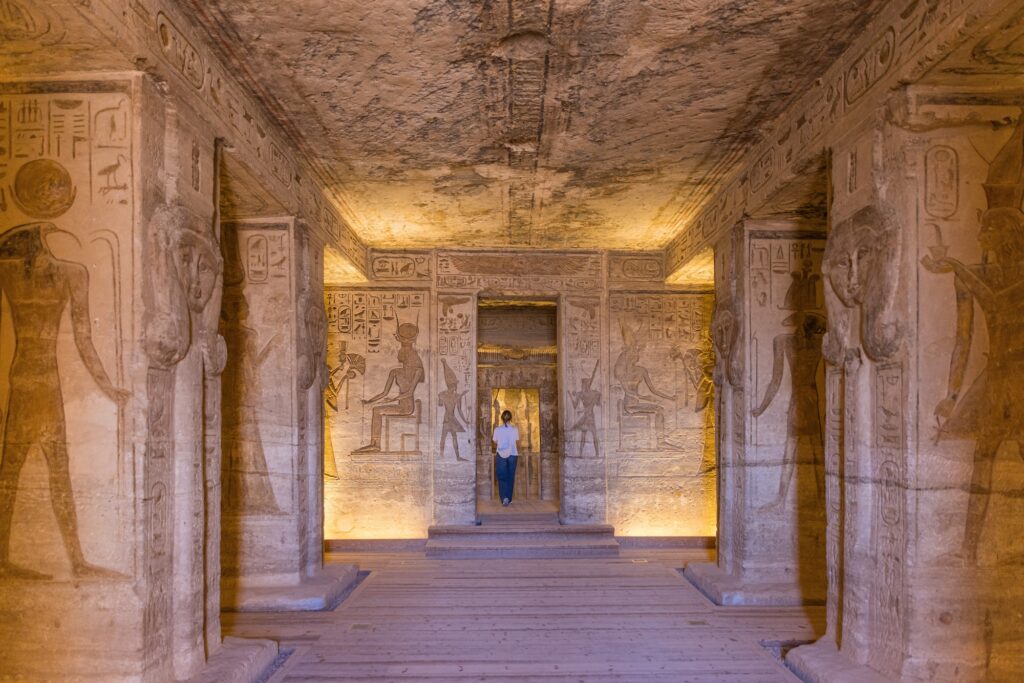
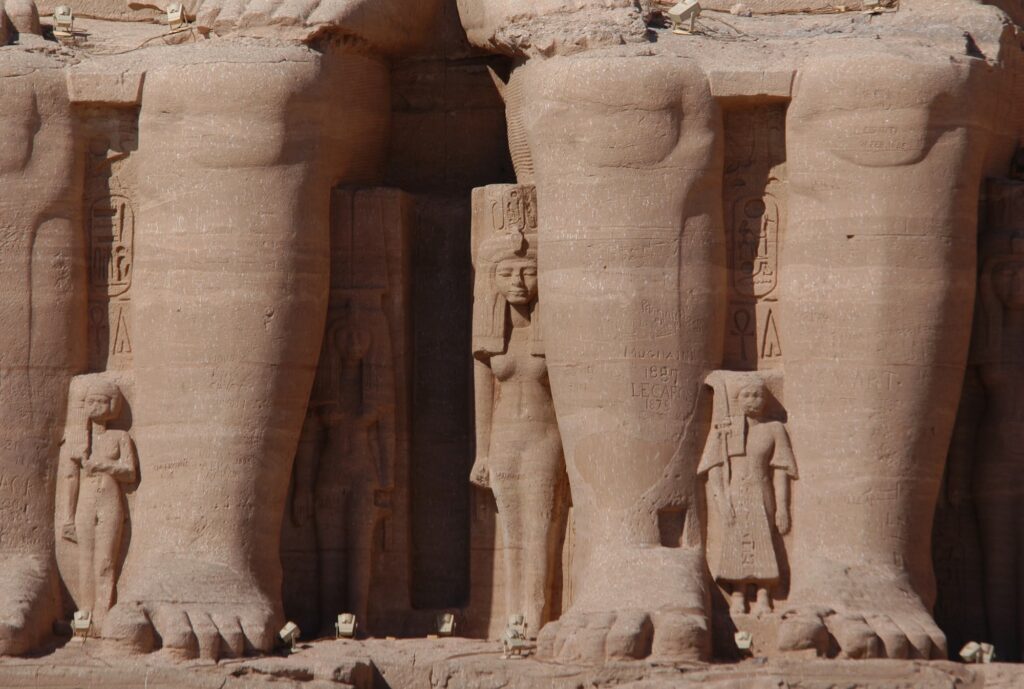
Queen Nefertari’s adjacent temple adds another layer of architectural achievement. Dedicated to the goddess Hathor, this smaller temple features six standing colossal statues – four of Ramses II and two of Nefertari herself.
The queen’s equal representation in statue size was unprecedented in ancient Egyptian architecture, highlighting her exceptional status.
UNESCO’s Greatest Rescue: Moving Mountains for History
The 1960s brought an unprecedented challenge. Egypt’s construction of the Aswan High Dam threatened to submerge Abu Simbel forever beneath Lake Nasser’s rising waters. UNESCO launched the most ambitious archaeological rescue operation in history.
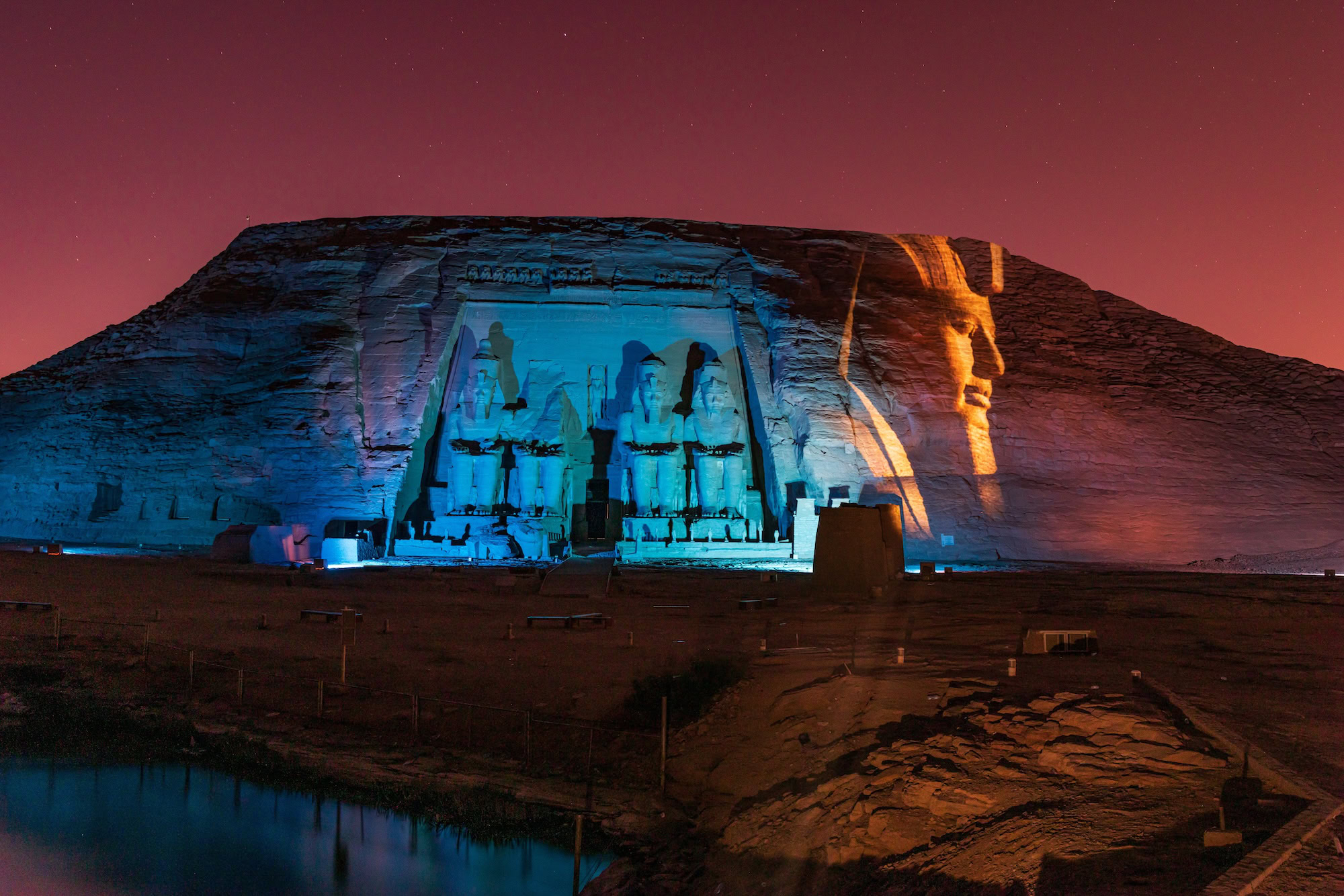
Engineers faced seemingly impossible requirements: dismantle two complete temple complexes, transport 300,000 tons of carved stone, and reconstruct everything 200 feet higher while maintaining the precise solar alignment. The project required cutting the monuments into 1,036 numbered blocks, each weighing up to 30 tons.
Technical Achievement of the Relocation
Teams used handsaws to cut through solid sandstone, following hairline fractures to minimize damage. Specially designed cranes lifted blocks onto custom trailers for transport up the cliff face. The reconstruction process demanded millimeter-perfect precision to preserve both structural integrity and the astronomical alignment.
Workers completed the relocation between 1964 and 1968, creating artificial hills to match the original cliff setting. The sun alignment remained accurate within minutes of the original timing – an engineering triumph that rivals the temples’ initial construction. This massive undertaking involved 50 countries contributing funds, expertise, and equipment, establishing UNESCO’s World Heritage Convention in the process.
Planning Your Sun Festival Experience
Success requires advance preparation and realistic expectations. The festival attracts visitors from around the globe, creating a vibrant international atmosphere alongside the ancient wonder.
Booking and Transportation
We recommend securing your spot at least three months before your preferred date. Our tour packages include private transportation from Aswan, which eliminates the complexity of coordinating multiple travel providers. The journey by road takes approximately three hours each way, passing through desert landscapes that showcase Egypt’s dramatic topography.
Flight options from Cairo to Abu Simbel are available but operate on limited schedules. Morning flights arrive just in time for the sun alignment, while afternoon departures allow time to explore both temple complexes thoroughly.
What to Expect During the Festival
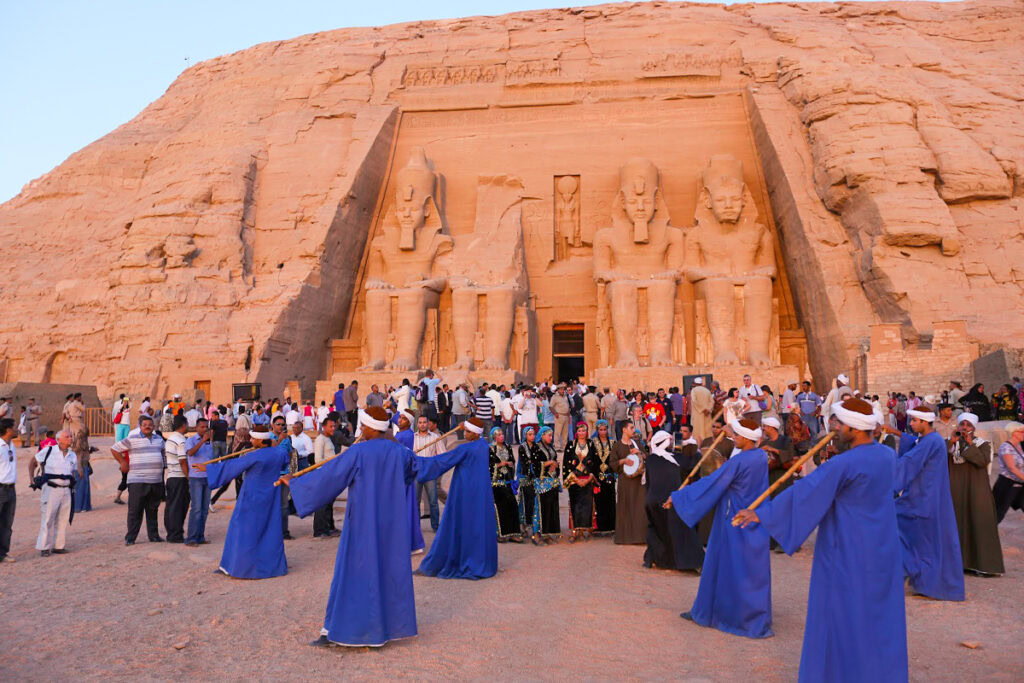
The celebration begins before dawn, with traditional Nubian music and dance performances welcoming visitors. Local artisans display handicrafts, creating an authentic cultural atmosphere that enhances the historical experience.
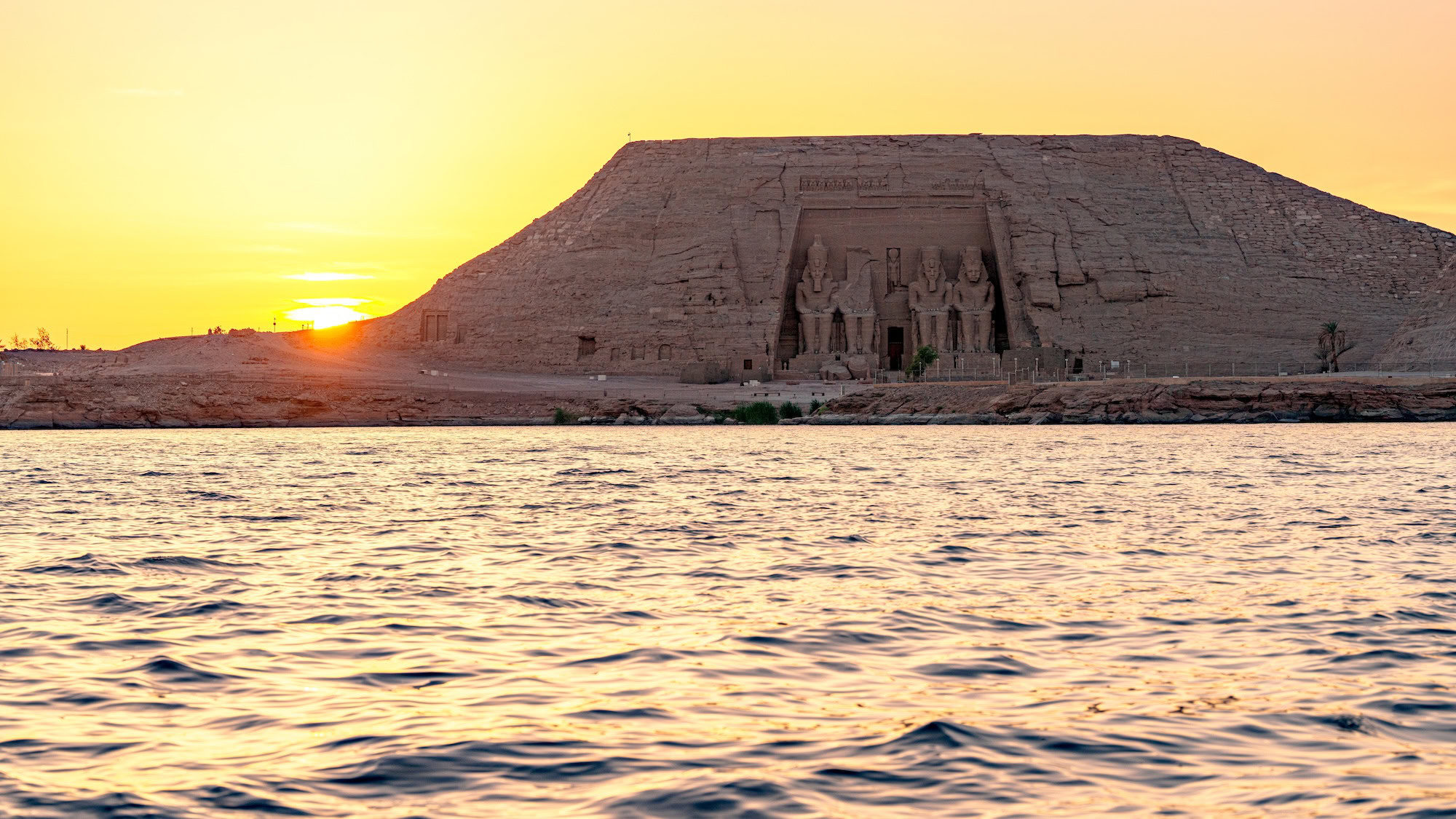
Photography requires patience and positioning. The inner sanctuary allows limited visitors at any given time, so expect to wait for your turn to witness the illumination directly. Our guides secure optimal viewing positions while explaining the phenomenon’s historical and religious significance.
Temperatures inside the temple remain considerably cooler than outside conditions – often 15-20 degrees difference. The acoustic properties of the chambers amplify conversations, so maintaining respectful volume levels preserves the mystical atmosphere for everyone present.
Cultural Performances and Local Traditions
Nubian communities have celebrated this phenomenon for generations, incorporating it into their cultural calendar. Traditional drumming echoes through the temple complex as sunrise approaches, creating an auditory backdrop that connects modern visitors with ancient rituals.
Local performers wear traditional costumes representing various periods of Egyptian history. Storytellers share legends about Ramses II’s divine connection to Ra, the sun god, explaining how ancient Egyptians viewed their pharaoh as the earthly embodiment of solar power.
Regional cuisine features heavily during festival days, with vendors offering traditional bread, honey cakes, and date pastries. These foods mirror offerings once presented to temple deities, maintaining culinary connections across millennia.
Beyond the Festival: Exploring Abu Simbel’s Hidden Depths
The sun alignment represents just one aspect of Abu Simbel’s archaeological significance. Interior chambers contain sophisticated artwork that reveals details about daily life during Ramses II’s 67-year reign.
Sacred boat chambers housed ceremonial vessels used in religious processions. These rooms feature ceiling decorations depicting the night sky, with constellations positioned according to ancient Egyptian astronomical knowledge. The level of detail suggests these chambers served active religious functions beyond mere storage.
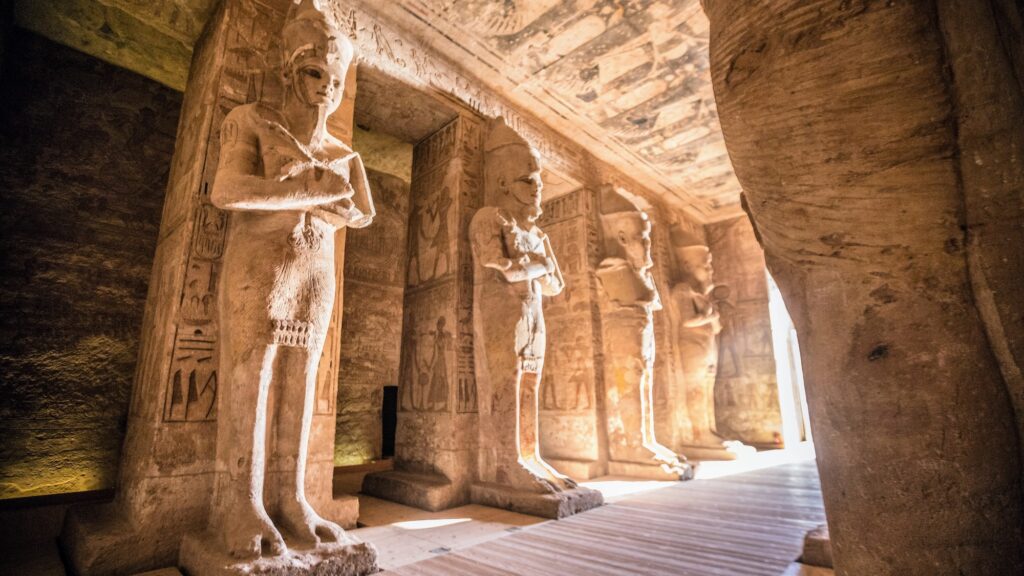
Subsidiary chapels dedicated to various deities showcase the complex theological relationships within ancient Egyptian religion. Each chapel contains unique architectural elements, from columns styled as lotus buds to ceiling reliefs showing the pharaoh’s journey through the afterlife.
Lesser-Known Architectural Features
Acoustic engineering throughout the complex demonstrates sophisticated understanding of sound dynamics. Certain chambers amplify whispers while others absorb sound completely, creating spaces suited for different ceremonial functions.
Hidden passages connect various temple areas, suggesting security considerations and private ceremonial routes. These corridors reveal tool marks from ancient construction crews, providing insights into building techniques and worker organization.
Water management systems channeled seasonal flood waters around the temple complex, protecting the structure while maintaining the precise orientation required for the solar alignment. These engineering solutions showcased ancient Egyptian mastery of hydraulics and environmental planning.
Maximizing Your Abu Simbel Adventure
Timing extends beyond the festival dates themselves. The optimal experience combines the sun alignment with exploration of the broader temple complex and surrounding archaeological sites.
Photography and Documentation
Professional photographers recommend arriving at the temple entrance by 6:00 am (06:00) to secure positioning for the best shots. The changing light conditions create different photographic opportunities throughout the morning, from dramatic silhouettes to detailed architectural documentation.
Interior photography requires understanding natural light patterns. The sun alignment creates intense contrasts between illuminated statues and shadowed areas, challenging camera settings and composition choices. Our guides assist with positioning and timing to capture both the phenomenon and your personal commemoration of the experience.
Combining with Nile Cruise Experiences
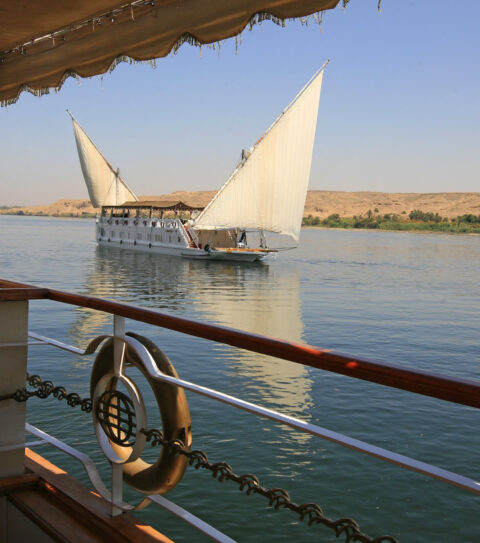
Abu Simbel integrates beautifully with Lake Nasser cruise itineraries. These voyages visit lesser-known Nubian monuments while providing comfortable accommodation and dining between archaeological sites. The cruise perspective offers unique views of Abu Simbel’s clifftop setting, showcasing the temples’ commanding position over the ancient Nile valley.
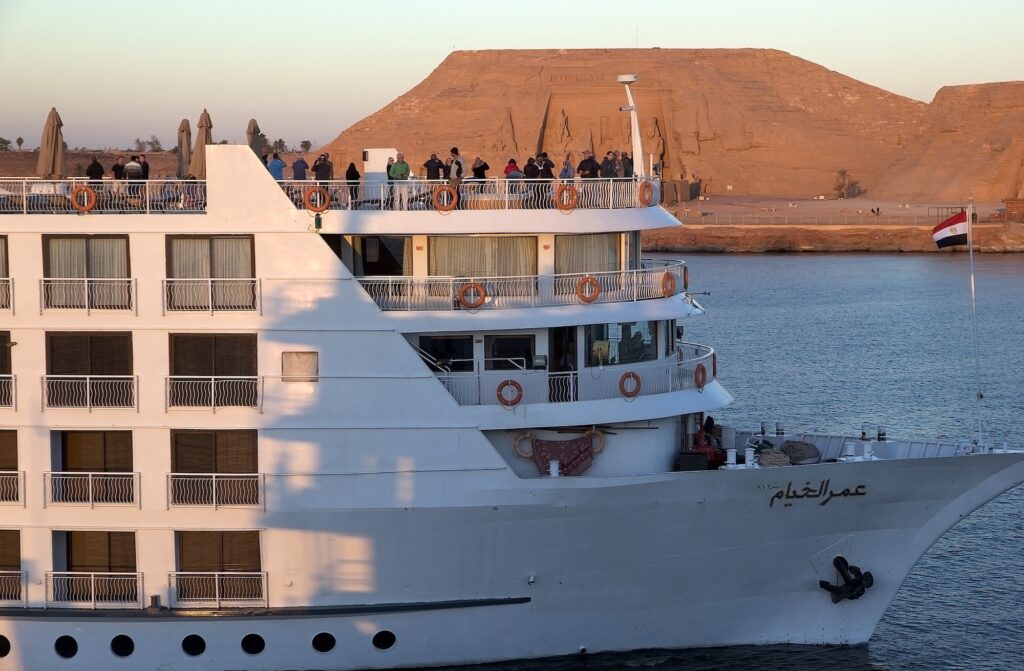
Multi-day packages allow for deeper exploration of Nubian culture and archaeology. Sites like Kalabsha Temple and Beit al-Wali provide context for Abu Simbel’s construction and significance within the broader ancient Egyptian religious landscape.
Weather Considerations and Seasonal Planning
Desert conditions require appropriate preparation regardless of season. Sun protection becomes critical during the festival, as early morning positioning often involves extended outdoor exposure. Layered clothing accommodates temperature variations between dawn coolness and midday heat.
Sandstorms occasionally affect visibility and travel conditions. Our local expertise includes monitoring weather patterns and adjusting schedules when necessary to ensure safety and optimal viewing conditions.
Frequently Asked Questions
When exactly does the sun alignment occur during the Abu Simbel Sun Festival?
The alignment happens around 7:15 am (07:15) and lasts approximately 20 minutes, illuminating the sanctuary statues with direct sunlight.
Can I visit Abu Simbel on dates other than February 22nd and October 22nd?
Yes, the temples are open year-round. However, the sun alignment phenomenon only occurs on these two specific dates annually.
How far in advance should I book for the Sun Festival?
We recommend booking at least three months ahead, as both dates attract international visitors and accommodation fills quickly.
What’s the difference between February and October festival experiences?
February offers cooler weather around 75°F (24°C) with smaller crowds, while October brings warmer 86°F (30°C) temperatures and clearer skies.
How long does the complete Abu Simbel visit take?
Plan 4-6 hours total, including the sun alignment ceremony, temple exploration, and cultural performances throughout the morning.
Is photography allowed inside the temples during the festival?
Yes, photography is permitted, but flash is prohibited inside the sanctuary. Professional equipment requires special permits obtained in advance.
What should I wear to the Sun Festival?
Comfortable walking shoes, layered clothing for temperature changes, sun hat, and respectful attire covering shoulders and knees for temple entry.
Are there restroom facilities and food available at Abu Simbel?
Basic facilities exist near the temple entrance, and local vendors offer traditional foods and beverages during festival days.
How crowded does it get during the Sun Festival?
Expect several hundred visitors, but our advance positioning and guide expertise ensure you experience the phenomenon comfortably.
Can children attend the Sun Festival?
Absolutely. The early morning timing and cultural performances create memorable experiences for families, though stamina for the full morning is recommended.
What other attractions can I combine with Abu Simbel?
Lake Nasser cruises, Aswan’s Philae Temple, and Nubian villages create excellent multi-day combinations with our tailored itineraries.
Is the Sun Festival the same as other Egyptian light shows?
No, this is a natural phenomenon created by ancient architectural precision, not modern light projection technology used at other sites.
Design Your Custom Tour
Explore Egypt your way by selecting only the attractions you want to visit