

Saint Simeon Monastery – Ruins of a 7th Century Monastery
Standing majestically on the Nile’s west bank, Saint Simeon Monastery captures the imagination of every traveler who encounters its weathered stone walls.
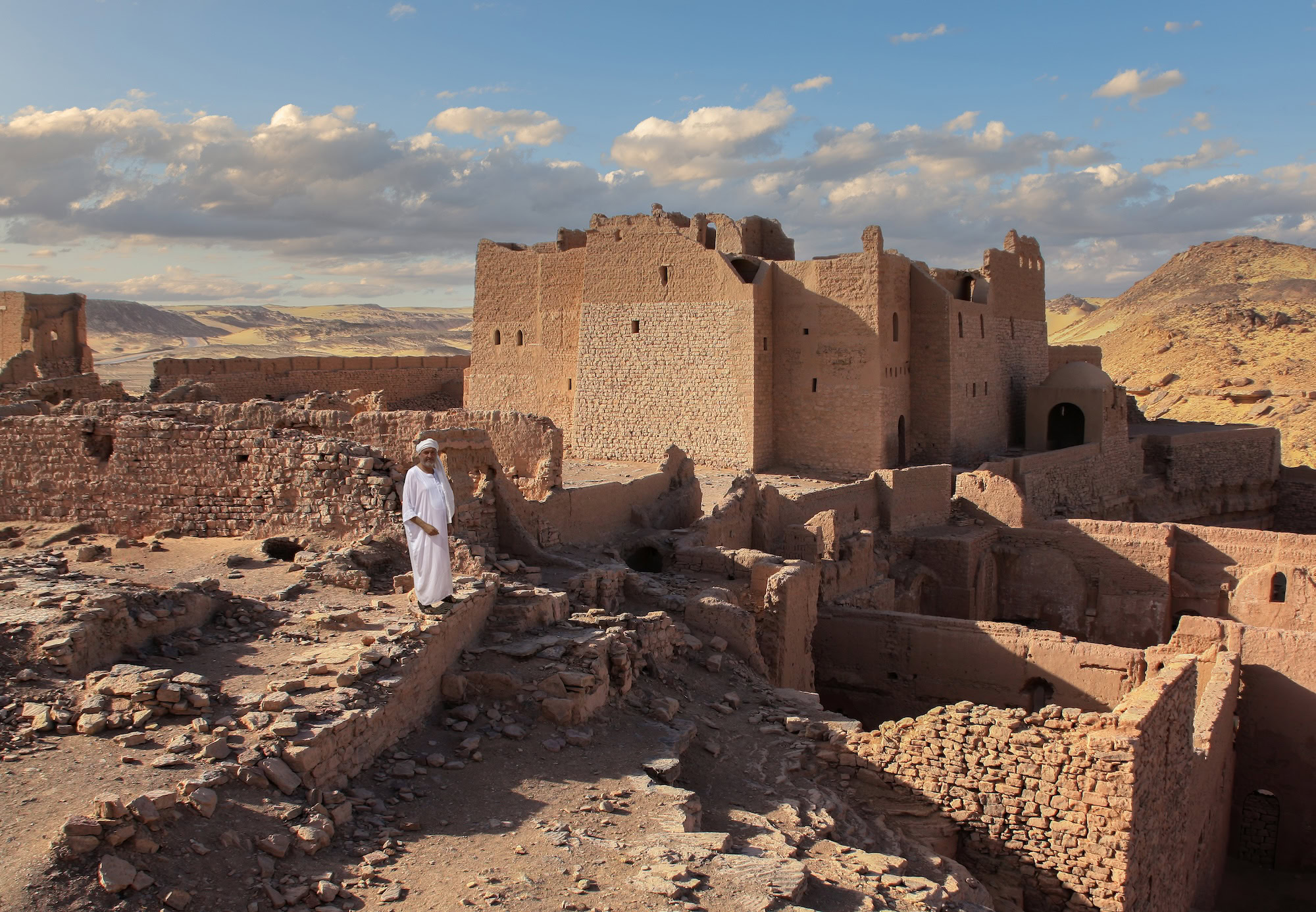
This remarkable 6th-century monastery, also known as Anba Hadra Monastery, represents one of Egypt’s most significant Christian heritage sites. Located near Aswan in the heart of Upper Egypt, the monastery offers visitors a unique glimpse into the ascetic traditions that shaped early Christianity. The fortress-like structure, built from local sandstone and granite, has withstood centuries of desert winds and seasonal floods, making it an extraordinary testament to ancient engineering and spiritual devotion.
For travelers seeking to understand Egypt’s diverse religious landscape, this monastery offers an unforgettable experience that beautifully complements the pharaonic wonders of the region. Our Aswan travel guide brings together everything you need to know to plan your visit and make the experience truly memorable.
Table of Contents
Historical Legacy and Spiritual Significance
Saint Simeon Monastery emerged during a pivotal period in Egyptian Christianity, when ascetic movements flourished throughout the Nile Valley. The monastery was dedicated to Anba Hadra, a local hermit who gained recognition for his extreme devotional practices and miraculous healings.
Origins in the 6th Century
The monastery’s foundation coincided with the golden age of Coptic monasticism in Egypt. During this period, hundreds of religious communities dotted the Egyptian landscape, from Alexandria to Aswan. Monks sought isolation in desert locations, believing physical hardship would bring them closer to divine enlightenment. The monastery’s remote location on the Nile’s west bank provided the perfect setting for contemplative life.
Archaeological evidence suggests the complex housed up to 300 monks at its peak. The community operated as a self-sufficient unit, with workshops, storage areas, and extensive gardens that utilized Nile flood waters for irrigation.
The Legacy of Desert Fathers
Saint Simeon’s ascetic practices influenced generations of Christian mystics. Historical accounts describe his years living atop a stone column, following the tradition of stylites who sought spiritual purification through physical endurance. This extreme form of devotion attracted pilgrims from across the Mediterranean world, establishing the monastery as a significant pilgrimage destination.
The monastery’s influence extended beyond Egypt’s borders, with monks traveling to establish similar communities in Nubia and Ethiopia. These connections created a network of Christian scholarship and religious exchange that lasted for centuries.
Architectural Marvel in the Desert
The monastery’s design reflects both practical needs and spiritual symbolism, creating one of Egypt’s most impressive medieval Christian structures.
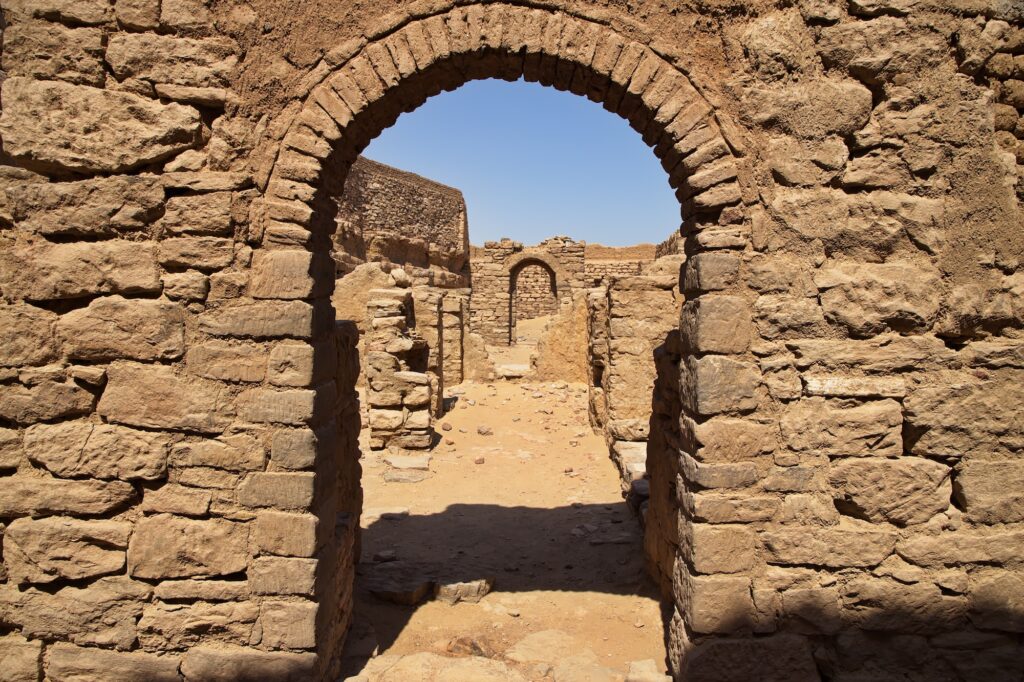
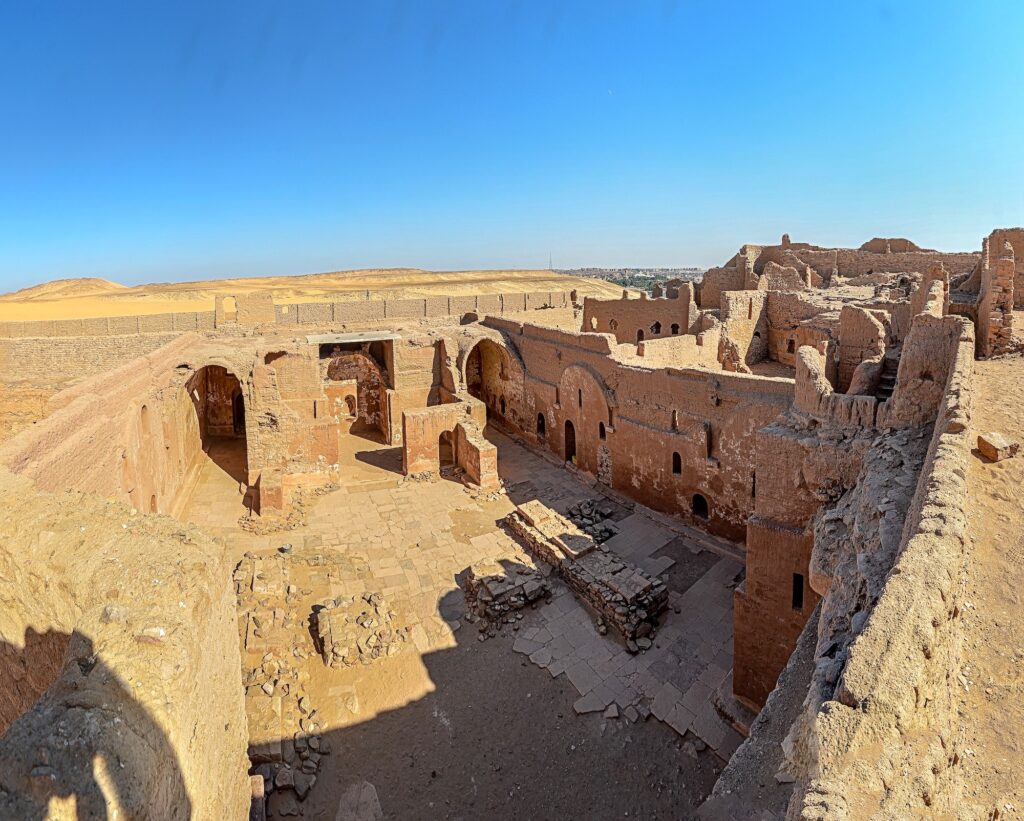
The complex consists of two distinct levels built into the desert hillside. Lower sections housed communal areas including workshops, storage rooms, and refectories where monks gathered for meals. These areas feature thick stone walls designed to maintain cool temperatures during scorching summer months. Upper terraces contained individual monk cells, each carved directly into the rock face to provide maximum privacy for meditation and prayer.
Construction materials came entirely from local sources. Builders used Aswan granite for foundations and structural elements, while softer sandstone formed walls and decorative features. This combination created structures that could withstand both seismic activity and extreme temperature variations. The monastery’s fortress-like appearance served multiple purposes, protecting inhabitants from Nubian raids while symbolizing the spiritual battle between good and evil.
Water management systems demonstrate remarkable engineering sophistication. Monks constructed channels and cisterns to capture and store Nile flood waters, ensuring year-round water supply despite the harsh desert environment. These systems included settling pools where sediment could separate, providing cleaner water for daily use.
Planning Your Saint Simeon Visit
Reaching this ancient wonder requires some preparation, but the journey rewards you with one of Egypt’s most peaceful and contemplative experiences.
Getting There and Access
The monastery sits on the Nile’s west bank, accessible only by boat or felucca from Aswan city center. We arrange comfortable boat transfers that include stunning views of Elephantine Island and the surrounding Nubian villages. The 20-minute boat journey provides excellent photography opportunities and allows you to appreciate the monastery’s dramatic desert setting.
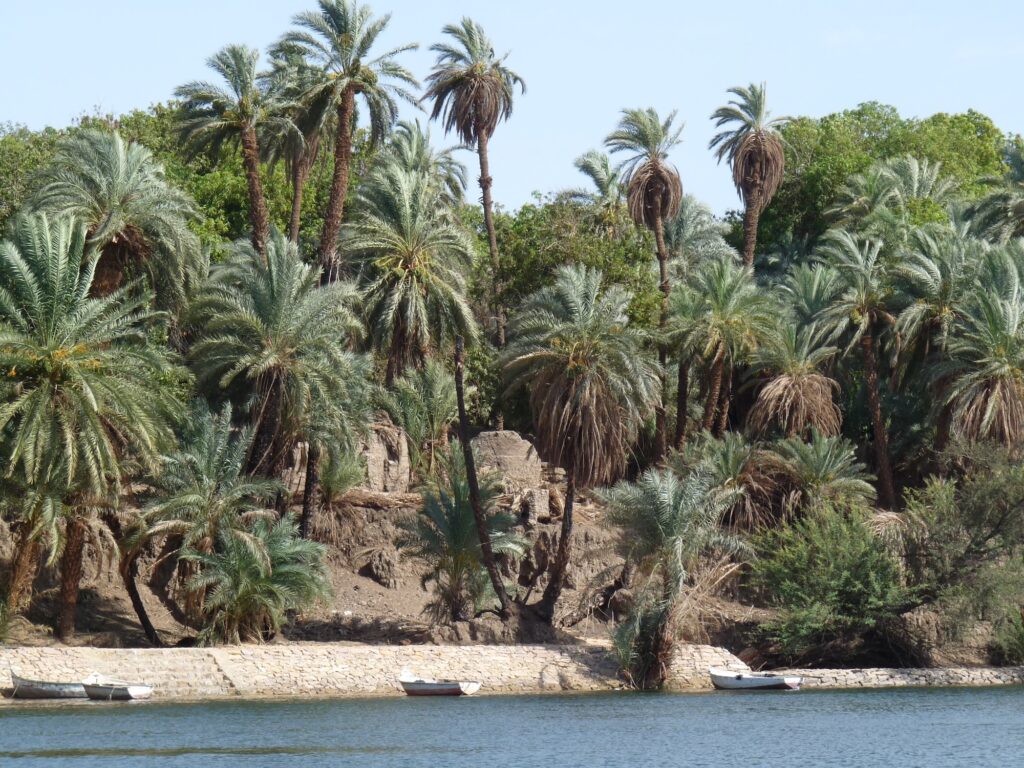
From the boat landing, a gentle 10-minute walk leads to the monastery entrance. The path follows ancient routes used by pilgrims for over a millennium. Along the way, you’ll notice remnants of the monastery’s agricultural terraces, where monks once cultivated crops and maintained gardens.
Best Times for Visiting
Morning visits between 8:00 am (08:00) and 10:00 am (10:00) offer the most comfortable temperatures and ideal lighting for photography at many key attractions in Aswan. During the winter months (November through March), afternoon visits are also pleasant, with temperatures rarely exceeding 75°F (24°C). Summer visitors should plan early morning excursions to avoid midday heat, which can reach 110°F (43°C).
December is a particularly meaningful time to visit, as Coptic communities gather for Saint Simeon’s feast day, marked by special ceremonies and pilgrimages. While the monastery itself remains largely in ruins, these celebrations bring its spiritual importance vividly to life through traditional prayers and communal gatherings, making it one of the more distinctive cultural attractions in the region.
Our private guides provide detailed historical context while respecting the site’s religious significance. With decades of experience leading visitors through Egypt’s Christian heritage sites, we ensure each visit balances educational insight with thoughtful reflection.
Art and Architecture Within Ruins
Walking through the monastery reveals remarkable artistic treasures that survived centuries of weathering and occasional vandalism.
Wall Paintings and Religious Imagery
Several chambers retain original frescoes depicting biblical scenes and Coptic saints. These paintings showcase the unique artistic style that emerged when Egyptian traditions merged with Christian iconography. Colors remain surprisingly vibrant in protected areas, with deep blues and golden yellows dominating religious portraits. The artwork provides valuable insights into 6th-century Coptic theology and artistic techniques.
One particularly well-preserved chapel features a complete cycle of Christ’s passion, painted in the characteristic flat perspective style of early Christian art. Arabic and Coptic graffiti from medieval pilgrims covers lower wall sections, creating a fascinating palimpsest of religious devotion across centuries.
Architectural Details and Symbolic Elements
Stone carving throughout the complex demonstrates sophisticated craftsmanship. Doorways feature intricate geometric patterns that combine Christian symbols with traditional Egyptian motifs. Coptic crosses appear alongside ankh symbols and lotus flowers, illustrating the cultural synthesis that characterized Christian Egypt.
Cell entrances often include small niches designed to hold oil lamps, creating dramatic lighting effects during evening prayers. Larger chambers feature stone benches carved directly from bedrock, providing seating for communal worship and scholarly discussions.
The monastery’s defensive walls include watchtowers positioned to provide clear views across the Nile toward Aswan and southward into Nubian territory. These structures served both practical security needs and symbolic purposes, representing the monastery’s role as a spiritual fortress against worldly temptations.
The Monastery in Aswan Context
Saint Simeon Monastery represents just one chapter of Aswan’s rich Christian heritage, which also includes a number of religious sites that deepen your understanding of early Egyptian Christianity. Our travel guide to Aswan brings these lesser-known landmarks together, helping you explore how faith, history, and daily life intersected in Upper Egypt.
Modern Aswan area contains several other significant Christian monuments, including the remains of Philae’s Christian churches and various Coptic communities that maintained continuous presence throughout Islamic rule. These sites collectively illustrate how Christianity adapted and survived in Upper Egypt despite political and social changes.
Archaeological surveys continue revealing new aspects of the monastery’s history and connections to other religious communities along the Nile. Recent excavations uncovered extensive pottery workshops and evidence of manuscript copying activities, suggesting the monastery served as both spiritual and intellectual center for the region.
The site’s relationship with nearby Elephantine Island adds another layer of historical complexity. Coptic churches on Elephantine maintained close ties with Saint Simeon Monastery, creating a network of religious communities that supported each other through economic and political challenges.
Our comprehensive tours can combine Saint Simeon Monastery with visits to other Christian sites in Aswan, providing a complete picture of how diverse religious traditions coexisted and influenced each other in ancient Egypt. This approach helps visitors understand the monastery not as an isolated relic, but as part of a living religious landscape that shaped the region’s cultural development.
Practical Information for Your Visit
What to Bring and Expect
Comfortable walking shoes are essential, as monastery paths include uneven stone surfaces and occasional sand-covered areas. The site offers minimal shade, so wide-brimmed hats and sunscreen protect against intense desert sun. Water bottles are crucial, especially during warmer months.
Photography equipment should include lens cleaning cloths, as desert sand can quickly accumulate on camera gear. The monastery’s dramatic lighting conditions reward photographers who understand exposure challenges in bright desert environments.
Duration and Tour Options
A thorough monastery exploration typically requires 90 minutes to two hours, allowing time for detailed examination of architectural features and artistic elements. Our private guides adapt tour pacing to your interests and physical comfort level.
We offer combined excursions that include Saint Simeon Monastery alongside visits to Philae Temple, the Nubian Museum, or traditional Nubian villages. These comprehensive tours provide cultural context that enhances appreciation for each individual site.
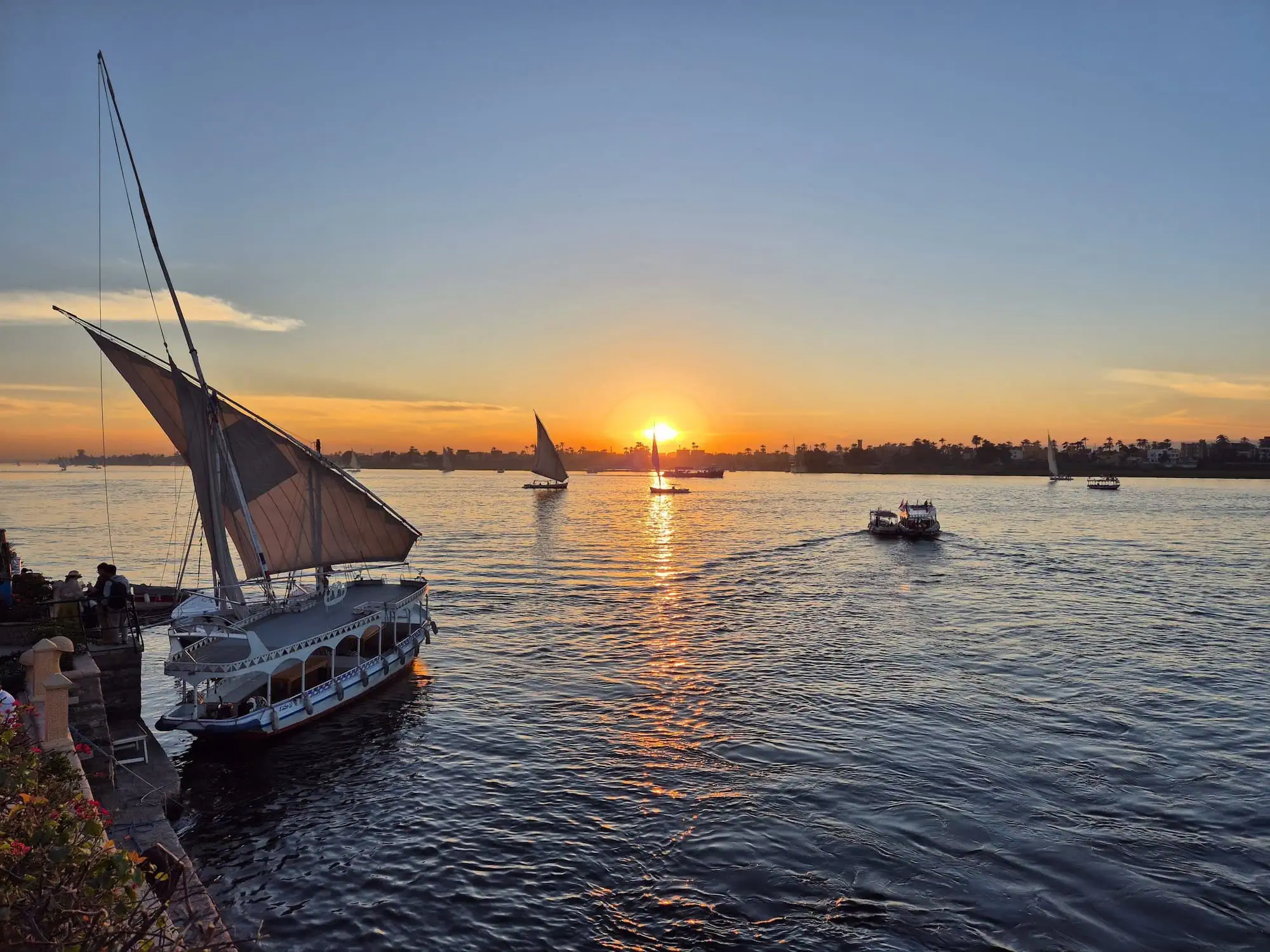
Extended tours can include sunset viewing from the monastery’s upper terraces, where visitors enjoy panoramic views across the Nile toward Aswan city and the surrounding granite hills. These experiences require advance planning but offer some of Egypt’s most spectacular desert photography opportunities.
Step Into The Silence Of Saint Simeon Monastery
Set on the desert hills overlooking the Nile, Saint Simeon Monastery offers a powerful blend of history, solitude, and panoramic views—an experience that feels both remote and deeply connected to Egypt’s past. With EgyptToursPlus, we seamlessly include this hidden gem in a private journey that combines off-the-beaten-path discoveries with Egypt’s most iconic highlights.
You choose your travel dates, your pace, and the experiences that shape your route. From desert exploration and cultural landmarks to comfortable stays and smooth logistics, we tailor every detail around your preferences—ensuring a refined, effortless, and deeply personal travel experience.
Frequently Asked Questions
Most visitors spend 90 minutes to 2 hours exploring Saint Simeon Monastery, including time for photography, climbing the defensive towers, and examining the church and monks’ quarters. The massive fortified complex dates primarily to the 7th century, with later expansions during the medieval period. Reaching the site also requires a short Nile boat crossing and a desert walk or camel ride from the west bank near Aswan. Early morning visits are noticeably cooler and provide softer lighting for photography.
Saint Simeon Monastery presents moderate accessibility challenges because visitors must cross uneven desert terrain and navigate ancient stone stairways within the complex. The site sits on a hillside west of the Nile near Aswan, and access often includes a sandy approach of several hundred meters after the boat landing. Some ground-level courtyards remain manageable for visitors with limited mobility, but upper chambers and towers require climbing. Comfortable footwear and walking assistance are strongly recommended for safer exploration.
Saint Simeon Monastery is no longer an active monastery, so regular religious services are not held inside the ruins today. The complex was abandoned centuries ago, but it remains an important symbol of Egypt’s early Christian and Coptic heritage. On rare occasions, local Coptic communities and church groups organize commemorative visits or prayer gatherings connected to regional religious traditions. Visitors primarily explore the site as a historical monument rather than a functioning place of worship.
Saint Simeon Monastery differs from most Aswan attractions because it preserves Egypt’s medieval Christian history rather than pharaonic or Islamic heritage. Built as a fortified desert monastery between the 7th and 10th centuries, the site reflects the lives of Coptic monks who lived along major Nile trade and pilgrimage routes. Unlike temples such as Philae or Kom Ombo, the monastery contains chapels, monk cells, and defensive walls instead of pharaonic sanctuaries. It offers a rare glimpse into Christian Egypt before the Ottoman period.
Yes, Saint Simeon Monastery requires an official entrance ticket issued through Egypt’s antiquities authorities, and most organized tours include the fee within the package price. Visitors should also budget for Nile boat transportation from Aswan’s west bank, plus optional camel rides across the desert path leading to the monastery. Because ticket policies occasionally change, guided tours simplify logistics and payment arrangements. Carry small cash denominations for boatmen, tips, and optional local services near the landing area.
Saint Simeon Monastery was gradually abandoned between the 13th and 15th centuries as political instability, declining trade routes, and economic pressures weakened monastic life in Upper Egypt. Repeated regional conflicts and changing control over Nile commerce made isolated desert monasteries increasingly difficult to sustain. Archaeologists also believe shortages of water and financial support contributed to its decline. Despite abandonment, the monastery’s mudbrick walls and stone church survived remarkably well because of Aswan’s dry desert climate.
The original column associated with Saint Simeon no longer survives, although archaeological remains connected to earlier structures can still be seen around the monastery complex. Historians believe the monastery was originally dedicated to a local saint named Anba Hatre before later European travelers linked it to Saint Simeon Stylites. The famous pillar itself disappeared centuries ago, likely through natural deterioration and reuse of building materials. Visitors today mainly explore the fortified walls, church interiors, and living quarters that remain intact.
Saint Simeon Monastery is generally safe to visit independently during daylight hours, especially from central Aswan where boats regularly cross to the west bank. However, guided visits simplify transportation logistics, desert navigation, and historical interpretation of the large fortified complex. The approach involves sandy terrain, uneven stone surfaces, and limited signage once inside the ruins. Travelers unfamiliar with the area often find private guides valuable for coordinating boat timings and explaining the monastery’s medieval Christian significance.
Visitors should wear lightweight but modest clothing that covers shoulders and knees, along with sturdy walking shoes suitable for sand and uneven stone surfaces. Temperatures in Aswan frequently exceed 35°C (95°F) between May and September, so sun hats, sunscreen, and water are essential for comfort. Because the monastery sits in an exposed desert environment, breathable cotton or linen clothing works better than synthetic fabrics. Early morning excursions are noticeably more comfortable than midday visits during warmer months.
No permanent restroom facilities exist inside Saint Simeon Monastery, so visitors should prepare before crossing the Nile from Aswan. The isolated desert location preserves the monument’s historical atmosphere but limits modern infrastructure and visitor amenities. Most organized excursions schedule restroom stops at hotels, marinas, or west bank facilities before beginning the walk or camel ride to the monastery. Carrying water is especially important because there are no cafés or shops directly at the archaeological site.
Yes, Saint Simeon Monastery is frequently combined with Nile cruise itineraries and west bank excursions from Aswan because the site sits only a short boat ride from the city. Many travelers pair the monastery with attractions such as the Tombs of the Nobles, Elephantine Island, or Philae Temple during a full-day cultural itinerary. Combining Christian and pharaonic monuments provides a broader understanding of Upper Egypt’s layered history across more than 2,000 years.
Ancient Wonders of Aswan, Modern Comfort
Sail the Nile Through Aswan Like a Pharaoh

Design Your Custom Tour
Explore Egypt your way by selecting only the attractions you want to visit