

Tombs of the Nobles in Aswan – Hidden Tombs with Stunning Ancient Art
The tombs scattered across the hillside tell stories that have waited thousands of years to be heard.

Standing on the west bank of the Nile River in Aswan, the Tombs of the Nobles represent one of Egypt’s most fascinating yet underexplored archaeological sites. These ancient burial chambers, carved into the rocky cliffs of Qubbet el-Hawa, house the remains of governors, nobles, and high officials who once ruled this southern frontier region during the Old and Middle Kingdom periods.
Unlike the grand pyramids of Giza, these tombs offer an intimate glimpse into the lives of Egypt’s provincial elite, featuring remarkably preserved hieroglyphic texts, vivid wall paintings, and architectural innovations that reflect both local traditions and broader Egyptian burial practices.
Each tomb tells a unique story of power, family legacy, and the eternal journey into the afterlife. The site continues to yield new discoveries as ongoing archaeological excavations reveal fresh insights into ancient Egyptian provincial administration and burial customs.
Table of Contents
The Sacred Necropolis of Qubbet el-Hawa
Perched on the western hills overlooking the Nile, this ancient cemetery served as the final resting place for Aswan’s most powerful families. The name Qubbet el-Hawa, meaning “Dome of the Winds,” reflects the site’s elevated position where desert breezes sweep across the rocky landscape
Strategic Location and Layout
Archaeological evidence suggests the location was chosen deliberately for both practical and religious reasons. The elevated position provided protection from Nile floods while maintaining proximity to the town below. Ancient Egyptian beliefs associated the west bank with the setting sun and the realm of the dead, making this location spiritually significant.
The necropolis contains over 80 numbered tombs, though many remain unexcavated or partially explored. Tomb designations follow the system established by early archaeologists, with codes like QH31, QH34, and QH36 marking individual burial chambers.
Construction Periods and Techniques
Most tombs date to the Sixth Dynasty of the Old Kingdom and the Twelfth Dynasty of the Middle Kingdom, spanning roughly 2345-1795 BCE. Construction techniques evolved over these periods, with earlier tombs featuring simpler rock-cut chambers while later examples display more sophisticated architectural elements.
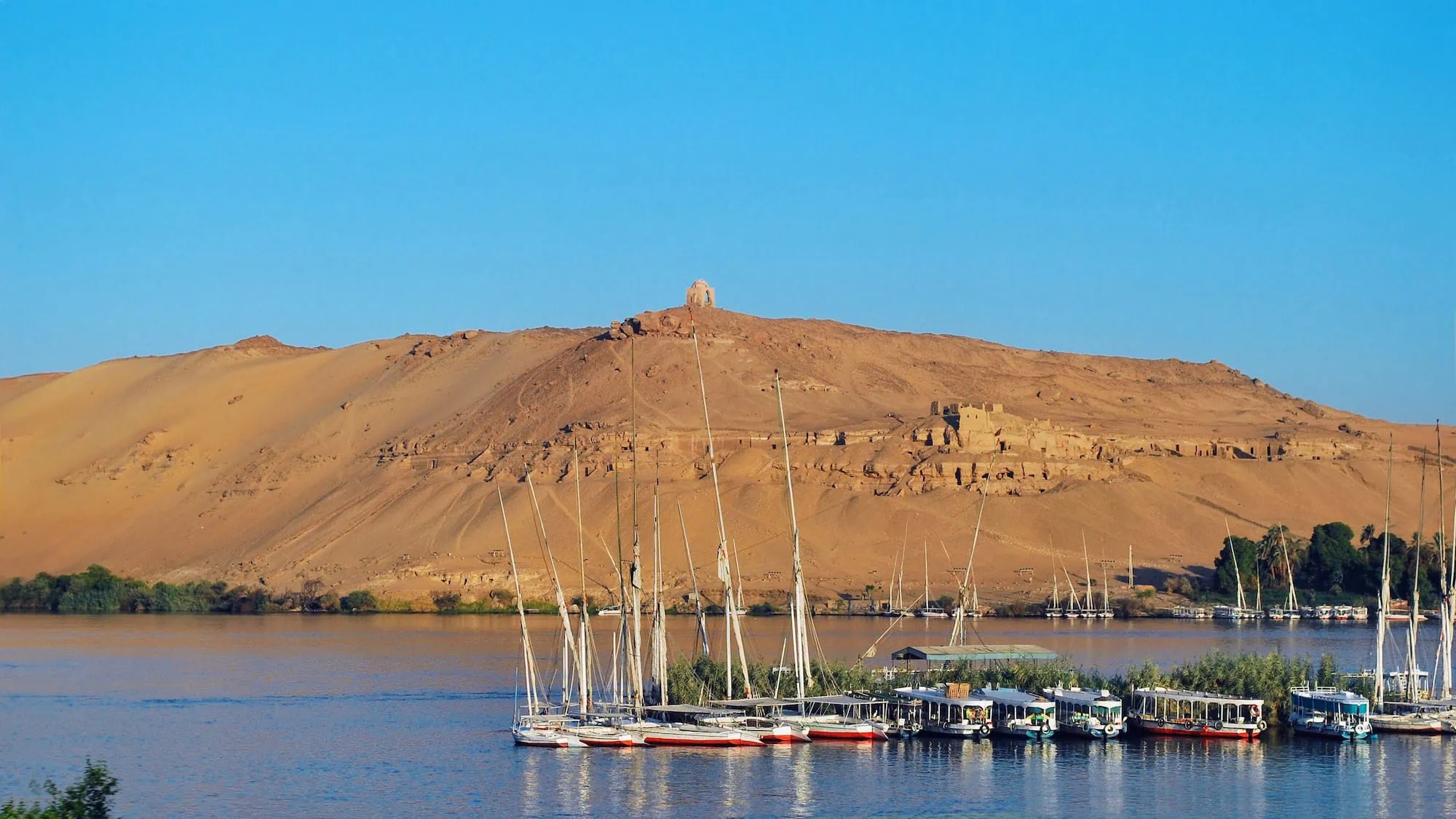
Rock-cutting methods involved careful planning to avoid structural collapse. Workers carved entrance corridors, burial chambers, and decorative niches using copper tools and stone hammers, creating spaces that have survived millennia of weathering.
Lord Grenville’s Archaeological Breakthrough
In 1885, British archaeologist Lord Grenville began systematic excavations that transformed understanding of these provincial tombs.
His work represented one of the first organized archaeological investigations in the region, moving beyond treasure hunting toward scientific documentation. Grenville’s team methodically recorded tomb layouts, copied hieroglyphic inscriptions, and documented wall decorations that previous visitors had overlooked or damaged. The expedition lasted through 1886, establishing foundational knowledge about the site’s historical significance and the identities of its notable occupants.
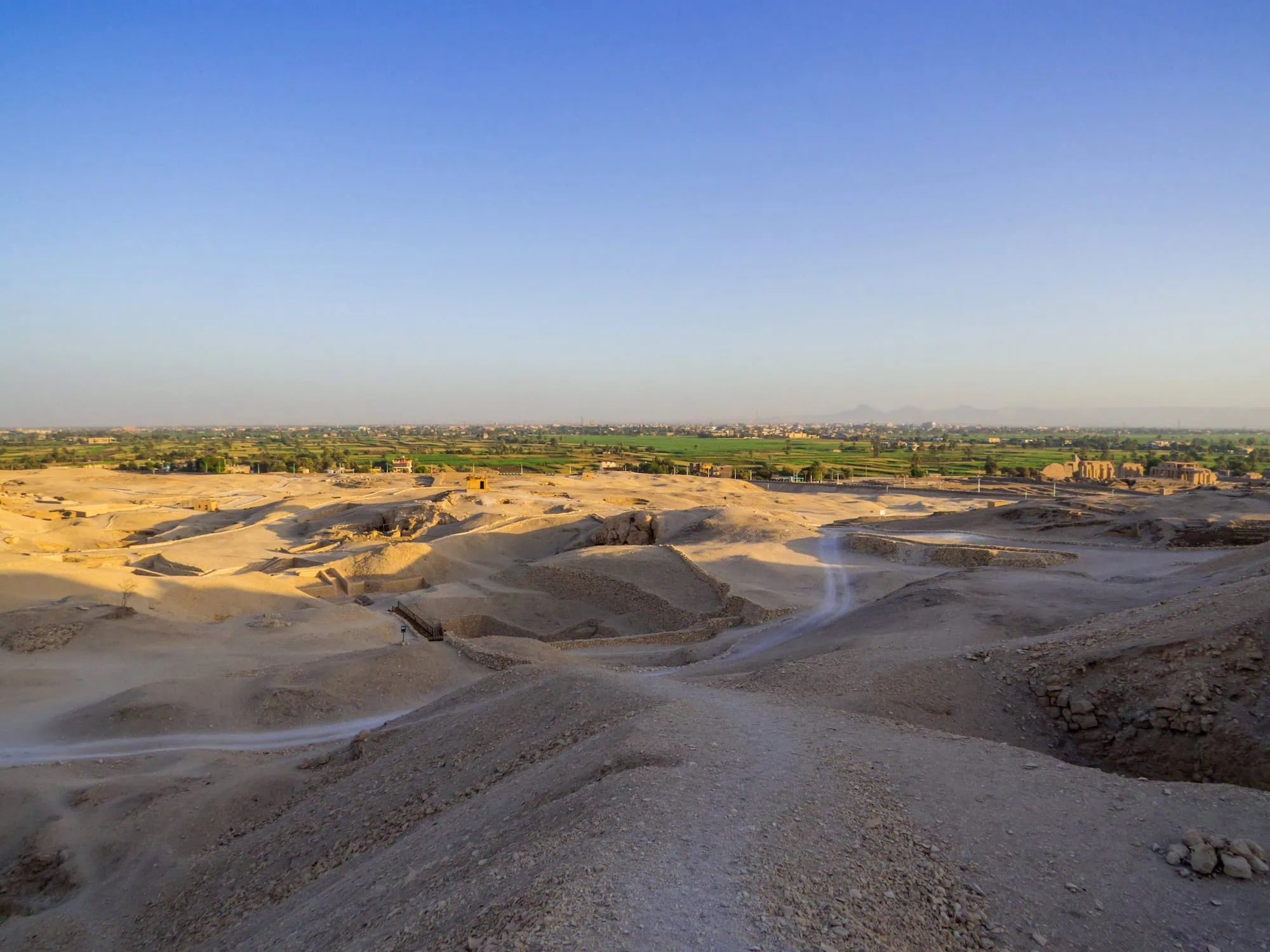
Colonial-era archaeology, despite its limitations, preserved crucial information about these tombs during a period when many archaeological sites faced destruction or neglect. Modern excavations continue to build upon Grenville’s initial work while applying contemporary scientific methods to reveal new details about ancient Aswan’s ruling elite.
Documentation and Discovery Methods
Grenville’s team employed photography, detailed drawings, and plaster casting to record fragile decorations and inscriptions. These techniques, advanced for their time, created permanent records of artistic elements that have since deteriorated due to environmental exposure.
Notable Tomb Complexes and Noble Occupants
Several tombs stand out for their exceptional preservation, historical significance, and artistic merit.
The Sarenput Dynasty
Sarenput I and Sarenput II, powerful governors who controlled Aswan during the Middle Kingdom, constructed elaborate family burial complexes that showcase provincial Egyptian artistry at its finest. Tomb QH36, belonging to Sarenput II, features a columned hall leading to the burial chamber, decorated with scenes depicting the deceased in various official and religious contexts. The architectural layout demonstrates sophisticated planning, with carefully carved pillars supporting the rock ceiling and painted decorations covering most wall surfaces.
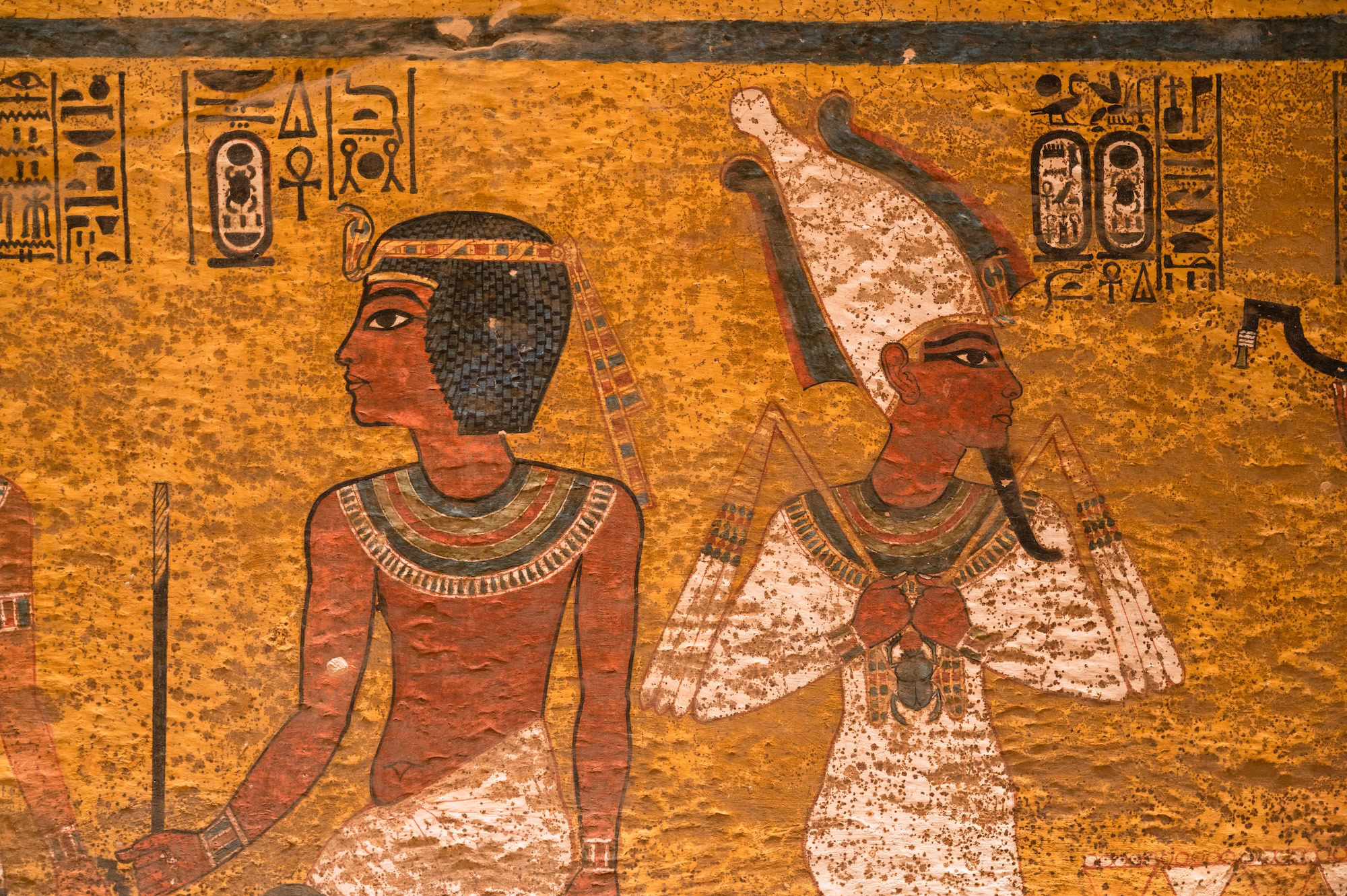
Wall paintings in Sarenput’s tomb illustrate daily life along the Nile, hunting expeditions in the desert, and religious ceremonies performed by temple priests. These scenes provide invaluable insights into provincial administration and the cultural practices of Egypt’s southern frontier during the Twelfth Dynasty.
Sabni and Mekhu: Father-Son Legacy
Tombs QH25 and QH26 preserve the remarkable story of Sabni and his father Mekhu, officials who died during a dangerous expedition into Nubia. Historical texts within the tombs describe how Mekhu perished while on a diplomatic mission, prompting Sabni to organize a rescue expedition to recover his father’s body for proper burial in Aswan.
The narrative, recorded in hieroglyphic inscriptions, demonstrates the importance of family honor and proper burial rites in ancient Egyptian culture. Both men received elaborate tombs reflecting their service to the pharaoh and their tragic circumstances.
Wall decorations in these connected tomb chambers depict typical scenes of provincial governance, including tribute collection, agricultural supervision, and religious festivals. The artistic style shows local influences while maintaining core Egyptian iconographic traditions.
Additional Noble Families
Governor Siese, buried in tomb QH31, controlled Aswan during the late Old Kingdom when the region served as a crucial gateway for trade expeditions into Africa. His tomb contains detailed biographical inscriptions describing military campaigns and trading ventures that brought exotic goods to pharaonic Egypt.
Harkhuf, another prominent official, led multiple expeditions into central Africa, returning with ivory, ebony, incense, and exotic animals for the royal court. His tomb inscriptions provide some of the earliest written accounts of ancient Egyptian exploration beyond the traditional Nile Valley borders.
Artistic Treasures Within Rock Chambers
The interior decorations of these tombs reveal the sophisticated artistic culture of provincial Egypt during the classical periods.
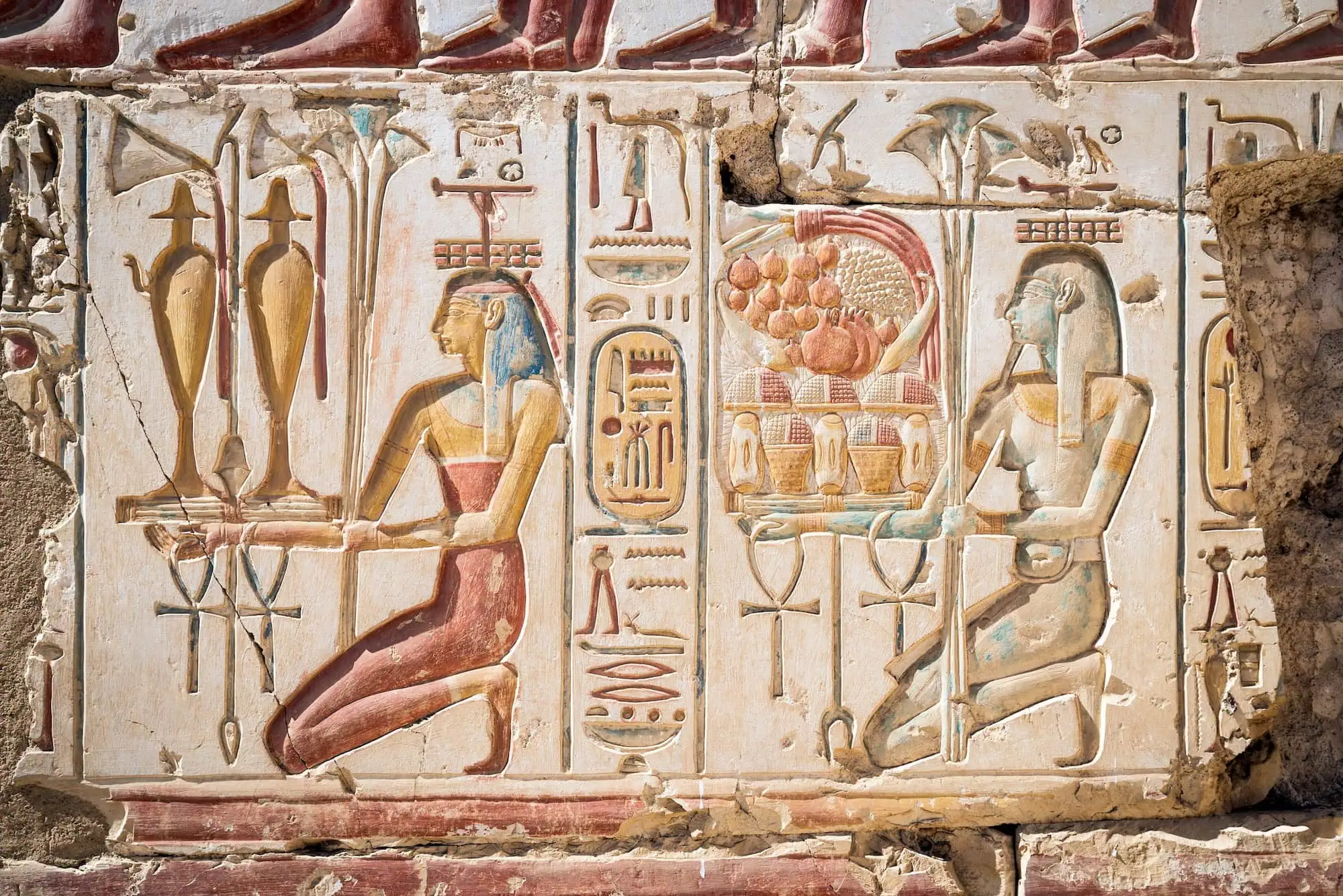
Hieroglyphic texts cover entrance corridors, burial chambers, and connecting passages, recording the names, titles, and achievements of the deceased nobles. These inscriptions serve both commemorative and magical functions, ensuring the continued existence of the deceased in the afterlife while documenting their earthly accomplishments for future generations.
Wall paintings employ traditional Egyptian artistic conventions adapted for local tastes and regional traditions. Scenes typically include offering presentations, hunting expeditions, agricultural activities, and religious ceremonies performed by the deceased during their lifetime. Color palettes favor earth tones with occasional bright accents in blue and green pigments derived from local mineral sources.
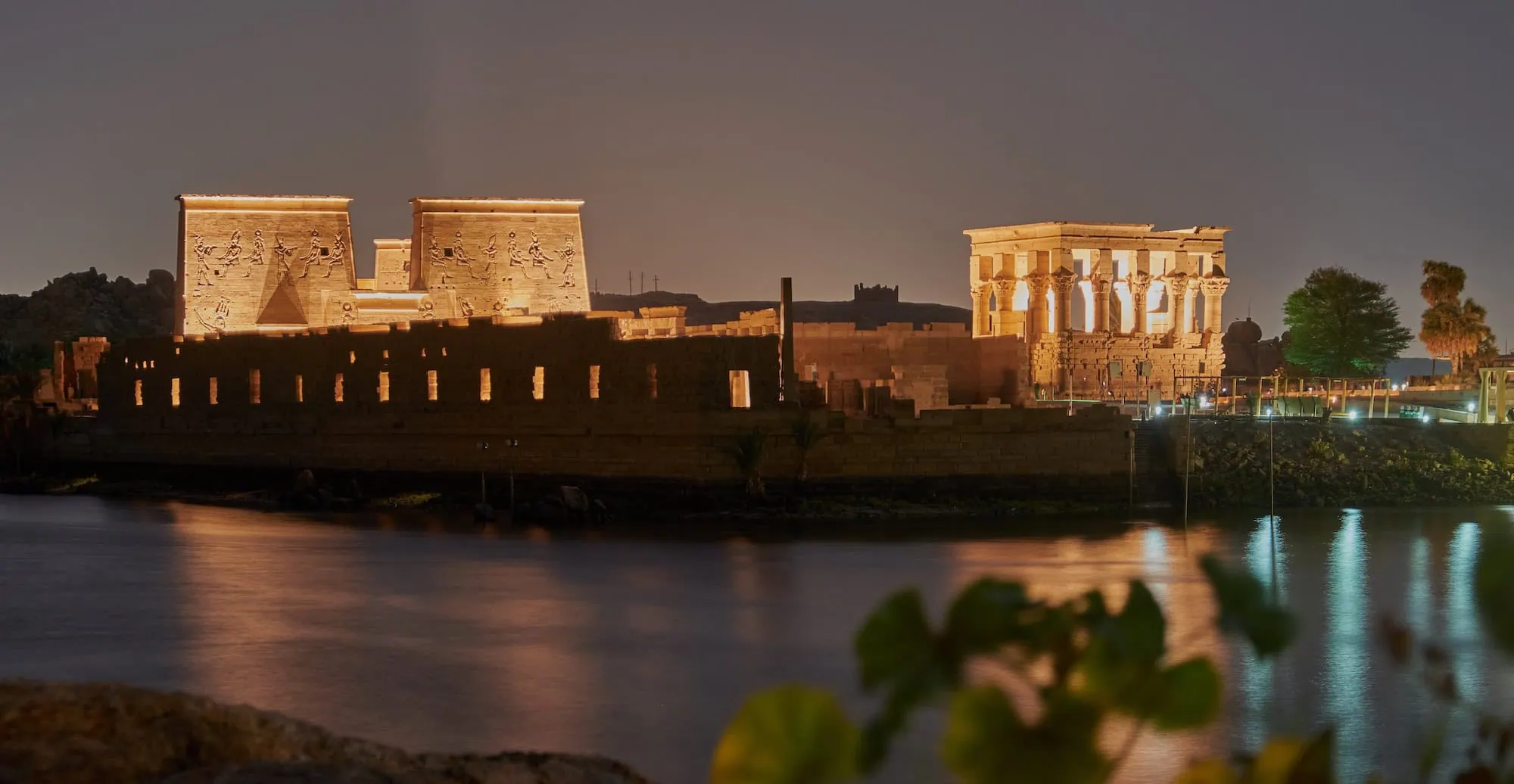
Artistic techniques demonstrate the skill of provincial craftsmen who trained in pharaonic workshops but developed distinctive regional characteristics. Proportional systems follow classical Egyptian standards while incorporating subtle variations that reflect local preferences and available materials.
Religious and Cultural Symbolism
Decorative programs emphasize the deceased’s role as intermediary between the pharaoh and local populations. Scenes of tribute presentation and administrative duties reinforce the political hierarchy while religious imagery ensures successful transition to the afterlife.
Common motifs include the deceased receiving offerings from family members, participating in religious festivals, and performing official duties as representatives of pharaonic authority in this frontier region. These elements combine to create comprehensive visual biographies of Egypt’s provincial elite.
Modern Archaeological Research and Conservation
Contemporary excavations employ advanced techniques to uncover new information while preserving existing discoveries for future study.
International archaeological teams work systematically through unexcavated sections of the necropolis, using ground-penetrating radar, photogrammetry, and digital documentation methods to record findings with unprecedented precision. Recent discoveries include previously unknown tombs, additional inscriptions, and architectural features that expand understanding of ancient Aswan’s political and social structure.
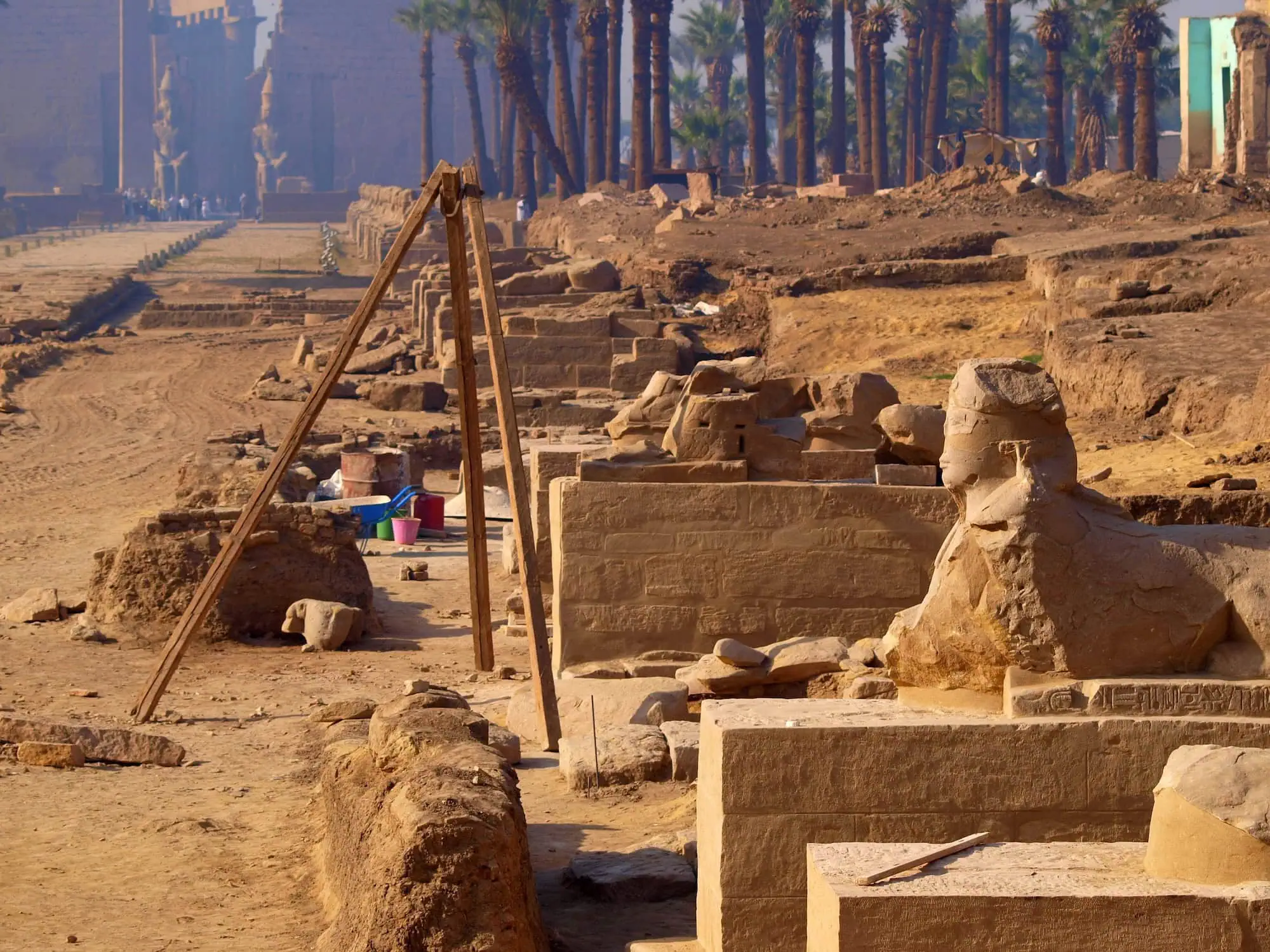
Conservation efforts focus on protecting fragile wall paintings and carved inscriptions from environmental damage, tourism impact, and natural deterioration. Climate control systems, protective barriers, and visitor management protocols help preserve these archaeological treasures while maintaining public access for educational and cultural purposes.
Digital archaeology initiatives create virtual reconstructions of tomb interiors, allowing researchers worldwide to study details without physical travel to the site. These technological advances democratize access to archaeological data while reducing physical stress on ancient structures.
Research Findings and Historical Insights
Ongoing studies reveal new details about provincial administration, trade relationships, and cultural exchange between Egypt proper and its southern territories. Evidence suggests greater autonomy for local governors than previously understood, with families like the Sarenput dynasty maintaining power across multiple generations.
Comparative analysis with other Egyptian sites demonstrates regional variations in burial practices, artistic styles, and architectural techniques that reflect local adaptation of broader Egyptian traditions.
Planning Your Visit to the Tombs
We organize private guided visits that reveal the historical significance and artistic beauty of these ancient burial chambers.
Access requires a short drive from central Aswan to the west bank landing, followed by a ferry crossing and moderate uphill walk to the tomb entrances. The site offers spectacular views across the Nile toward Aswan city and the granite quarries that supplied stone for ancient Egyptian monuments.
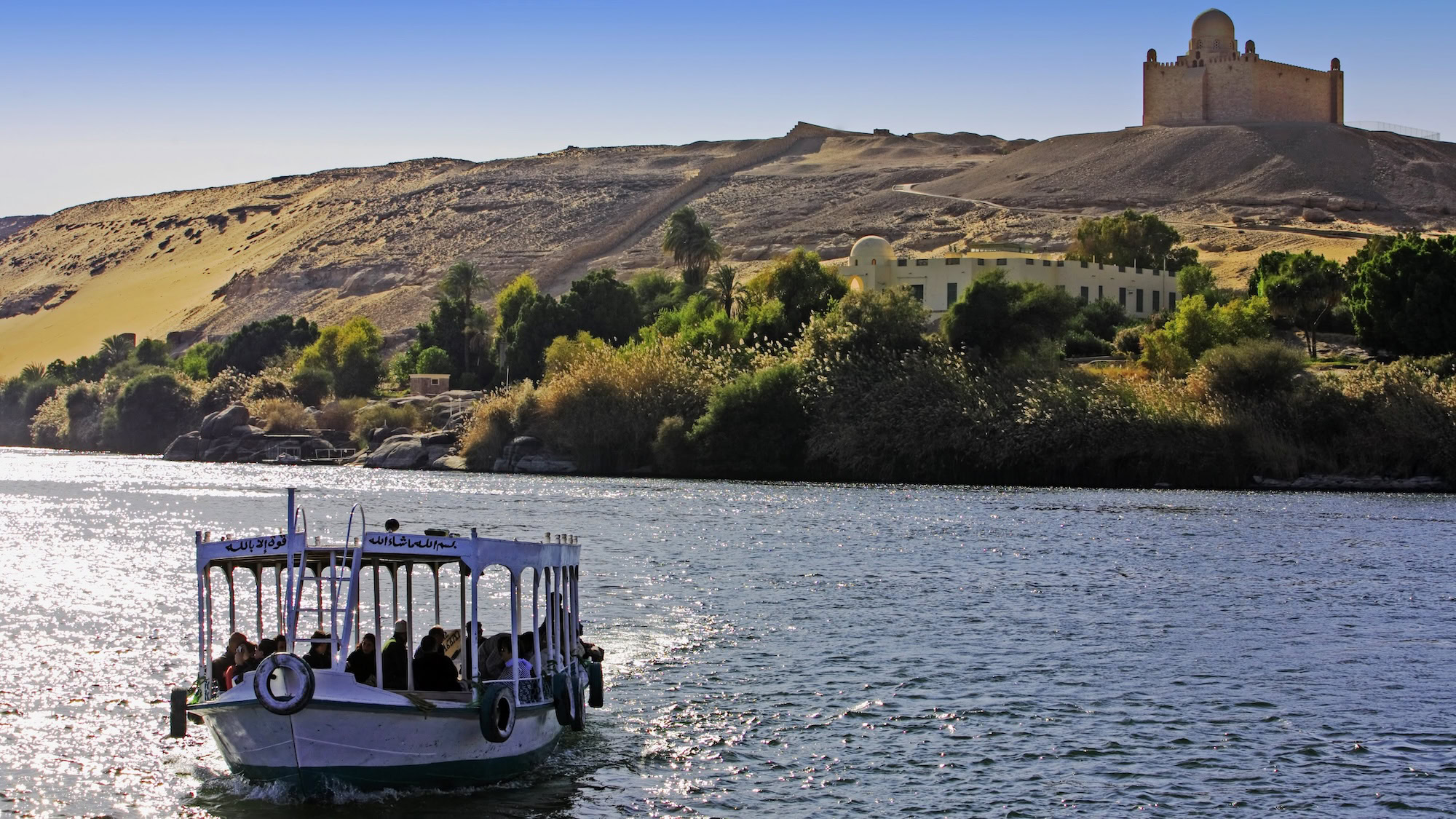
Our expert guides provide detailed explanations of hieroglyphic texts, artistic techniques, and historical context that bring these ancient stories to life. Private Tours by Egypt Tours Plus allow ample time for photography and detailed exploration without the constraints of large group schedules.
Visitor facilities include shaded rest areas and basic amenities, though the remote location requires advance planning for refreshments and sun protection. Early morning or late afternoon visits offer the best lighting conditions for viewing interior decorations while avoiding midday heat.
Recommended Tombs for Visitors
Several of the most fascinating Aswan attractions are found in the ancient noble tombs carved into the desert hills overlooking the Nile. The tomb of Sarenput II (QH36) offers the most comprehensive introduction to Aswan’s elite burial traditions, with well-preserved wall decorations and a clear architectural layout. The nearby Sabni and Mekhu complex adds a personal dimension through detailed family inscriptions and strong historical preservation.
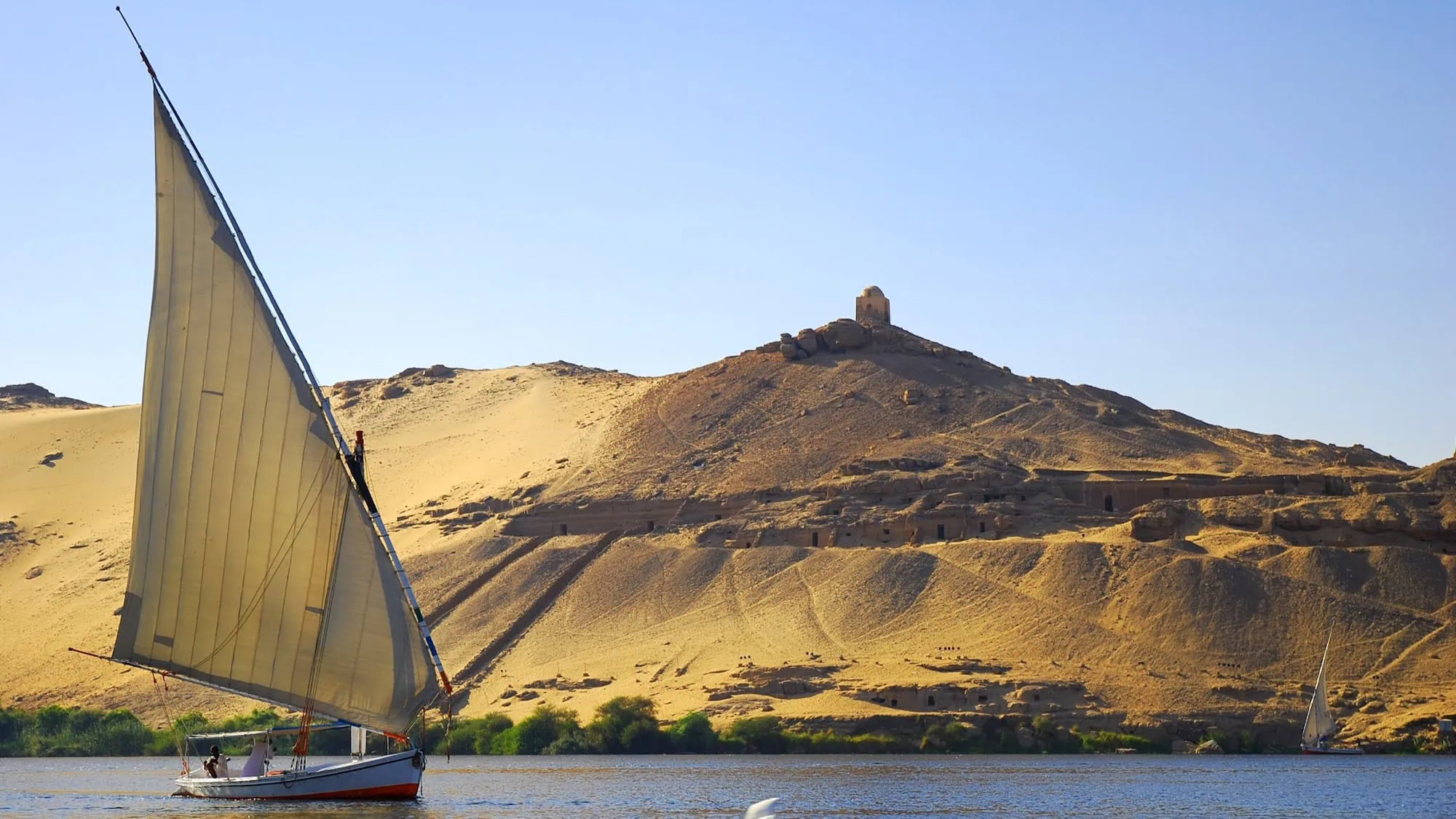
Harkhuf’s tomb is especially compelling for visitors interested in ancient exploration and trade, featuring rare inscriptions that recount expeditions deep into Africa. Each tomb typically requires around 20–30 minutes to explore thoroughly with expert commentary, making them ideal additions to a well-planned Aswan itinerary.approximately 20-30 minutes for thorough exploration with expert commentary.
To plan your visit in depth and uncover even more of southern Egypt’s highlights, explore our complete Aswan travel guide, filled with practical tips, cultural insight, and must-see attractions to help you make the most of your time in Aswan.
See Aswan From A Different Perspective
The Tombs of the Nobles in Aswan offer a more personal and insightful look into ancient Egypt—where detailed wall scenes and elevated views over the Nile reveal stories beyond the royal monuments. With EgyptToursPlus, we seamlessly include this unique site in a private journey that connects hidden historical gems with Egypt’s most iconic highlights.
You choose your travel dates, your pace, and the experiences that shape your route. From cultural depth and scenic viewpoints to comfortable stays and smooth transitions, we tailor every detail around your preferences—ensuring a refined, effortless, and deeply personal travel experience.
Frequently Asked Questions
A thorough visit to the Tombs of the Nobles at Qubbet el-Hawa typically takes 2-3 hours, including the Nile crossing from Aswan and guided exploration of several major tombs. Most visitors enter 3 to 4 decorated tombs belonging to governors and officials from the Old and Middle Kingdoms, roughly 2300-1800 BCE. The hillside location also requires moderate walking and stair climbing between chambers. Early arrivals usually enjoy cooler temperatures and quieter interiors for photography and detailed viewing.
Early morning between 8:00 am and 10:00 am offers the best conditions for visiting the Tombs of the Nobles, with cooler desert temperatures and softer sunlight on the west bank cliffs. Late afternoon visits from 3:00 pm onward also provide excellent lighting for photography across the Nile toward Aswan city. Midday heat in Upper Egypt regularly exceeds 38°C (100°F) during summer months, making stair climbs noticeably more demanding. Morning visits also tend to encounter fewer tour groups.
The Tombs of the Nobles present moderate accessibility challenges because visitors must navigate uneven desert paths, stone stairways, and sloped hillside terrain to reach the entrances. The necropolis sits atop Qubbet el-Hawa hill on Aswan’s west bank, requiring sustained walking in exposed conditions. Some lower tombs remain easier to access, but many chambers involve steep steps and narrow passages. Visitors with mobility concerns should arrange private transportation and allow additional time for slower exploration.
The Tombs of the Nobles differ from the Valley of the Kings by focusing on provincial governors, priests, and administrators rather than pharaohs, creating a more personal view of daily life in ancient Egypt. While the tombs are smaller than royal burials in Luxor, many preserve vivid scenes of agriculture, trade expeditions, and family rituals dating back nearly 4,000 years. Qubbet el-Hawa also receives far fewer visitors, allowing quieter exploration and closer examination of inscriptions and artwork.
Visitors should bring comfortable walking shoes, sun protection, water, and a camera because the Tombs of the Nobles involve outdoor climbing and exposed desert conditions above the Nile. Temperatures in Aswan frequently exceed 35°C (95°F) between May and September, especially on the west bank hillsides with little shade. Lightweight cotton clothing and sunglasses improve comfort during the ascent to the tomb entrances. Carrying small cash for ferry crossings, tips, or local vendors is also practical.
Yes, many tombs at Qubbet el-Hawa contain remarkably preserved hieroglyphic inscriptions and painted scenes documenting military expeditions, trade missions, and religious beliefs from the Old and Middle Kingdoms. Several tombs belonged to powerful governors overseeing Egypt’s southern frontier near Nubia, so inscriptions often reference diplomacy and Nile trade routes. Guided visits are especially valuable because translations explain names, titles, and symbolic imagery that casual visitors would otherwise miss. Flash photography may be restricted in sensitive chambers.
Modern archaeological work at the Tombs of the Nobles began in the late 19th century, with British and Egyptian teams conducting systematic excavations from the 1880s onward. Early explorers documented dozens of cliff-cut tombs overlooking the Nile at Qubbet el-Hawa, while newer international missions continue uncovering burial shafts, coffins, and inscriptions today. Excavations led by universities from Egypt, Britain, Germany, and Spain have significantly expanded understanding of provincial administration during the Middle Kingdom and New Kingdom periods.
Qubbet el-Hawa is historically significant because it preserves the tombs of powerful governors who controlled Egypt’s southern frontier and trade routes into Nubia for more than 1,000 years. The necropolis contains some of Egypt’s best-preserved non-royal tombs from the Old and Middle Kingdoms, particularly from around 2200-1800 BCE. Inscriptions describe diplomacy, military campaigns, famine relief, and trade expeditions deep into Africa. The hilltop location also offers commanding strategic views across the Nile and Aswan.
Photography is generally permitted inside many Tombs of the Nobles chambers with a standard antiquities ticket, although restrictions can apply to fragile or recently restored sections. Flash photography is often prohibited because repeated light exposure may damage pigments and ancient painted surfaces. Video recording and professional equipment sometimes require additional permits from Egyptian authorities. Conditions occasionally change during conservation projects, so visitors should confirm the current policy at the entrance before beginning their tour.
Reaching the Tombs of the Nobles typically involves a short Nile crossing from Aswan’s east bank to the west bank, followed by vehicle transport or a guided uphill walk to Qubbet el-Hawa. Local ferries operate regularly throughout the day and usually take less than 10 minutes to cross the river. Private tours simplify logistics by arranging transportation, entrance tickets, and Egyptologist guides together. Morning departures are usually more comfortable because of lower temperatures and calmer river conditions.
Entrance fees for the Tombs of the Nobles are generally lower than major Upper Egypt attractions such as Abu Simbel or Philae Temple, while still offering exceptional archaeological value and far smaller crowds. Prices vary by nationality and occasionally change under Egypt’s antiquities authority, but the site remains one of Aswan’s more affordable historical experiences. Combined with inexpensive local ferry transport, the tombs provide strong value for travelers interested in ancient art, inscriptions, and panoramic Nile views.
The Tombs of the Nobles face ongoing conservation challenges from wind erosion, temperature fluctuations, visitor traffic, and natural deterioration of sandstone cliff surfaces. Painted scenes and hieroglyphic inscriptions are particularly vulnerable to humidity, touching, and dust accumulation inside enclosed chambers. Egyptian and international archaeological teams continue stabilization and documentation projects using laser scanning, climate monitoring, and controlled visitor access. Conservation work is especially important because many tombs contain rare non-royal historical records unavailable elsewhere in Egypt.
Ancient Wonders of Aswan, Modern Comfort
Sail the Nile Through Aswan Like a Pharaoh



Design Your Custom Tour
Explore Egypt your way by selecting only the attractions you want to visit