

Daraw Camel Market: Egypt’s Last Traditional Trading Post
Step into a world untouched by modern commerce.
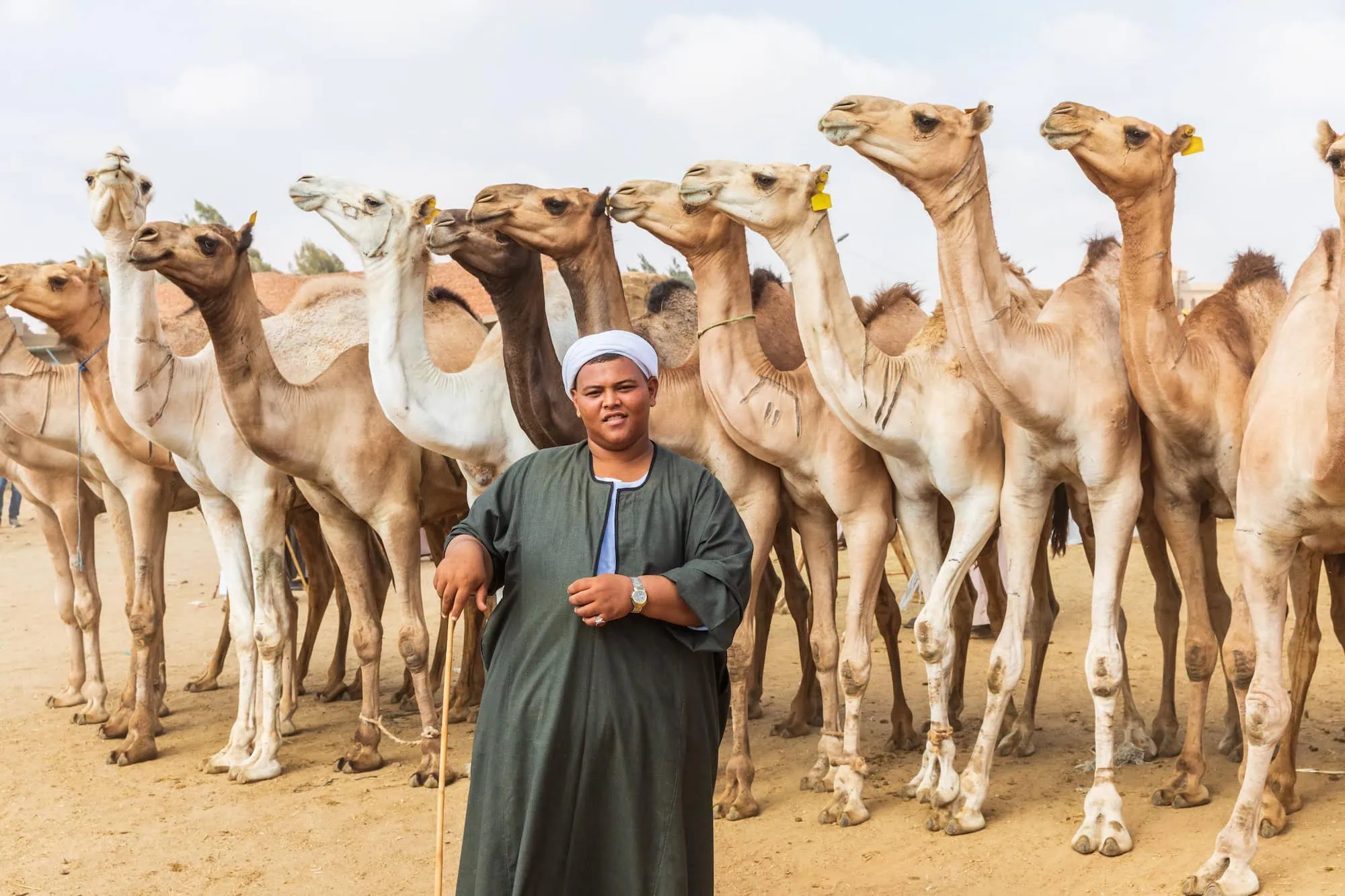
The Daraw Camel Market sits quietly along the Nile, 40 km (25 miles) south of Aswan, where Sudanese traders still arrive with their caravans much as their ancestors did centuries ago. Every Tuesday, this unassuming riverside town transforms into one of Egypt’s most authentic trading hubs, where thousands of camels are bought and sold in traditions that long predate the pyramids. This market offers travelers something increasingly rare: genuine cultural immersion, free from the tourist veneer found elsewhere in Egypt.
Unlike the polished attractions of Cairo or Luxor, Daraw operates on its own ancient rhythm, guided by desert traditions that connect Sudan’s vast interior with Egypt’s Nile Valley through the historic Darb Al Arba’een trade route.
Table of Contents
The Ancient Caravan Route That Still Lives
Every Sunday night, camel caravans begin their final approach to Daraw along the legendary Darb Al Arba’een, the “Forty Days Road” that has connected Sudan’s Darfur and Kordofan regions with Egypt for over a millennium. Sudanese traders from remote desert settlements guide their animals through the same mountain passes their grandfathers used, navigating by stars and landmarks unchanged since medieval times.
From Sudan’s Interior to Egypt’s Markets
The journey begins in Sudan’s western provinces, where Bedouin families have raised camels for generations in the harsh landscapes of Darfur. These animals, prized for their endurance and adaptability, travel through traditional waypoints that include ancient wells and seasonal grazing areas known only to experienced desert guides. Modern GPS cannot replace the inherited knowledge these traders carry about wind patterns, water sources, and seasonal routes.
At the border, Egyptian authorities maintain a quarantine facility where arriving camels rest for several days. This process, while practical for health reasons, continues protocols established during Ottoman rule when Daraw served as a crucial inspection point for goods entering Egypt.
The Tuesday Transformation
By Monday evening, the quiet streets of Daraw fill with bleating camels and the voices of traders speaking Arabic dialects from across Sudan’s diverse regions. The market operates with surprising efficiency despite its traditional methods – buyers from Cairo, Alexandria, and throughout the Nile Delta arrive knowing they’ll find specific breeds and ages of animals.
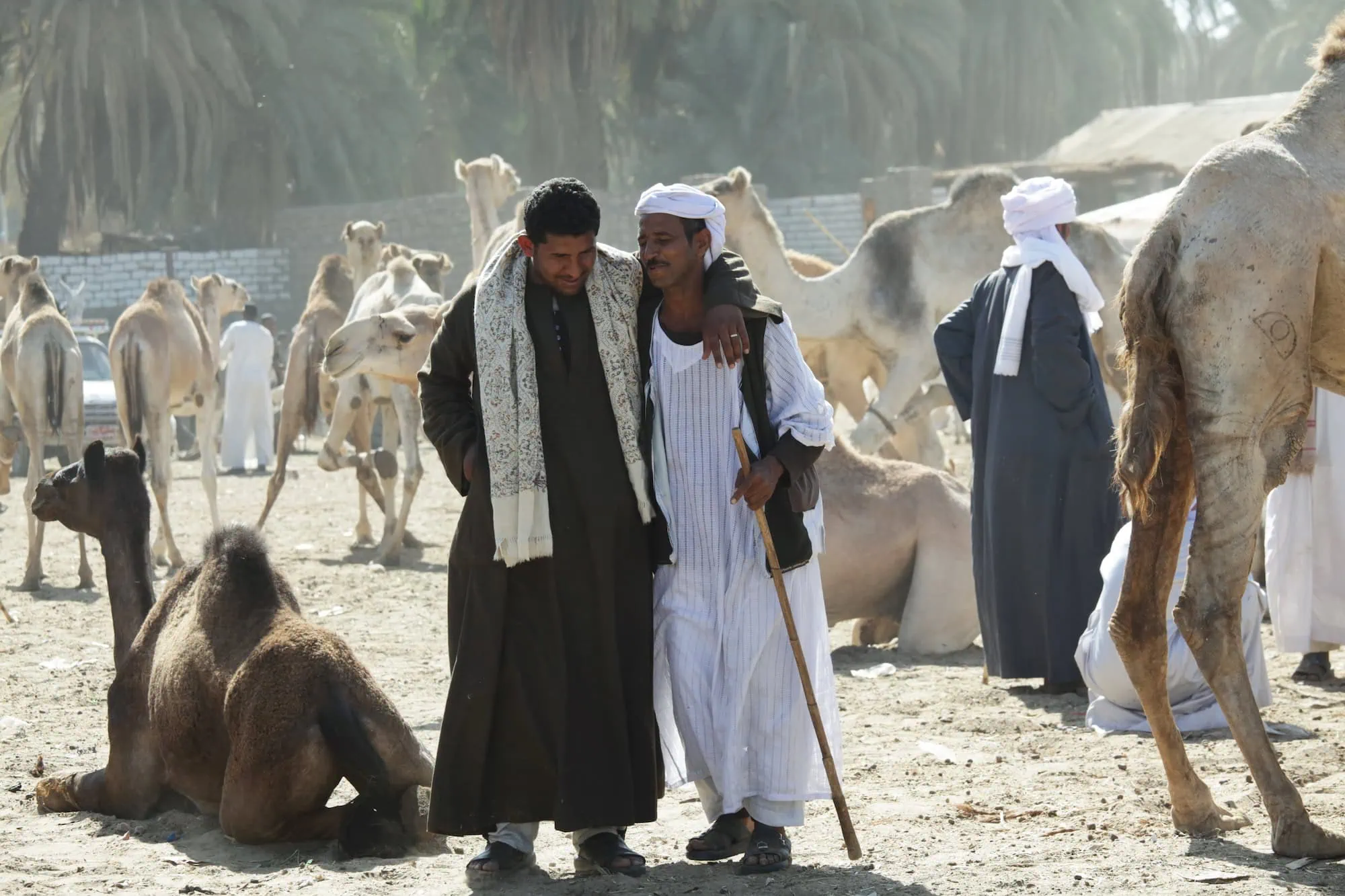
Professional buyers often purchase entire herds for transport to Cairo’s larger Birqash market, while local farmers select individual animals for agricultural work or breeding purposes.
Understanding the Trading Traditions
Negotiation at Daraw follows customs refined over centuries of desert commerce. Handshakes seal deals worth thousands of pounds, trust relationships span generations, and reputation matters more than written contracts.
Sudanese traders often speak limited Arabic beyond their native dialects, yet communication flows through gestures, number systems, and basic market Arabic understood across the region. Watching these interactions reveals how commerce operated throughout the Islamic world before modern banking and documentation. The market’s social dynamics reflect desert values where hospitality, honor, and word-keeping ensure survival in harsh environments.
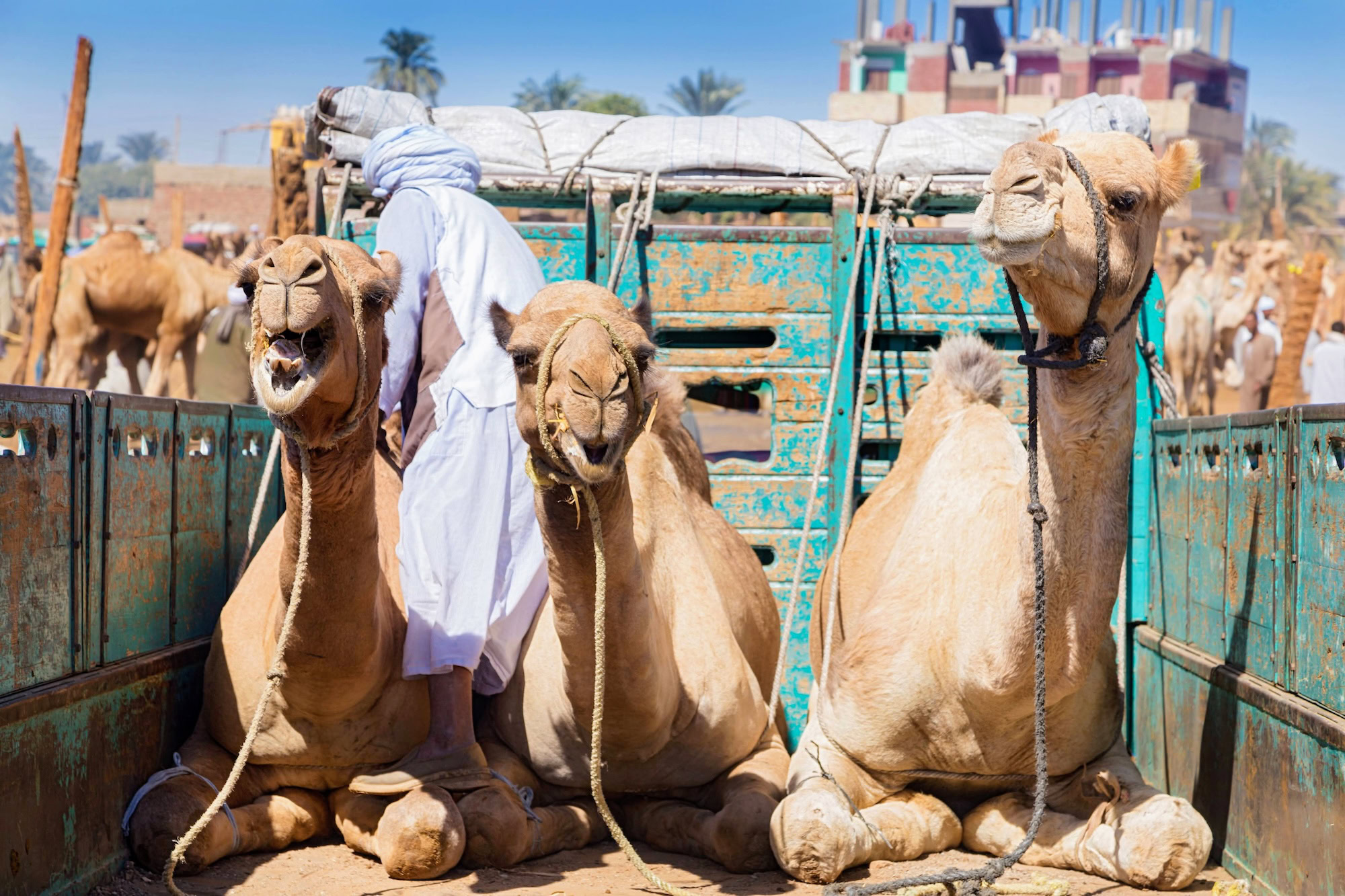
Prices fluctuate based on seasonal demand, animal quality, and regional conditions in Sudan that affect supply. A healthy adult camel suitable for desert transport can cost between 15,000 and 25,000 Egyptian pounds, while younger animals for breeding command different prices. The traders’ knowledge extends beyond simple buying and selling – they understand bloodlines, regional breeding characteristics, and the specific needs of different buyer categories.
Local Egyptian buyers often seek animals for agricultural work in Upper Egypt’s farming regions, where camels still provide reliable power for irrigation and transportation in areas where modern machinery remains impractical.
Planning Your Market Visit
Getting to Daraw from Aswan
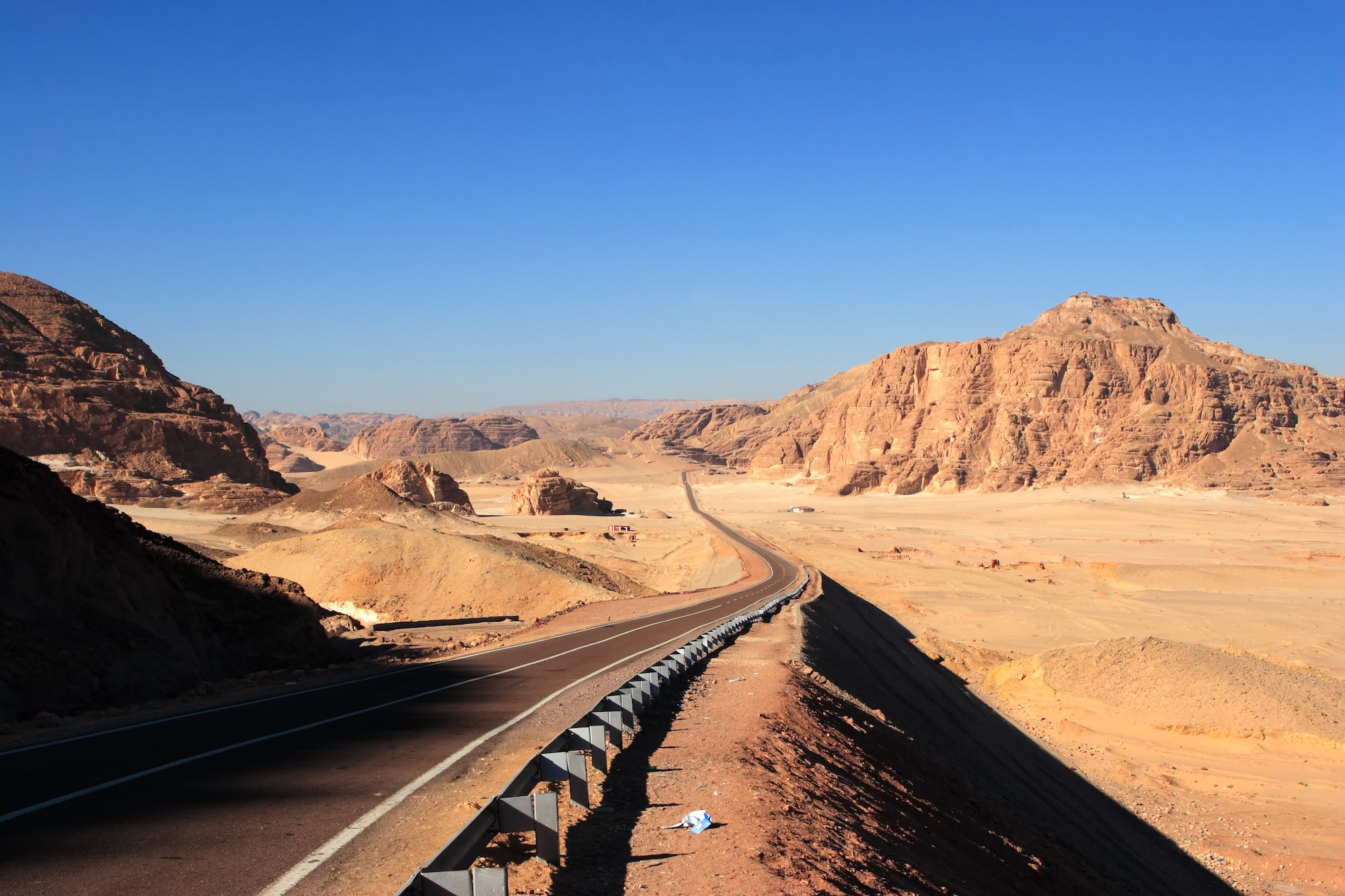
The most straightforward approach involves hiring a private driver from Aswan, a journey that takes approximately 45 minutes along the desert road paralleling the Nile’s west bank. This route passes through traditional Nubian villages and offers views of the desert landscape that defines Upper Egypt’s character.
Public transportation exists through local microbuses, but schedules depend on market days and passenger demand. For visitors with limited time, we arrange private transportation that allows flexible timing and photo stops along the route.
Best Times to Experience the Market
The main trading begins early Tuesday morning around 6:00 am (06:00) when temperatures remain comfortable and animals are less stressed by heat. Peak activity occurs between 7:00 am (07:00) and 10:00 am (10:00), as serious buyers complete their purchases before the day becomes too warm.
Arriving by 6:30 am (06:30) provides optimal viewing conditions and interaction opportunities with traders who welcome respectful visitors genuinely interested in their traditions. As temperatures rise above 85°F (29°C), both animals and traders seek shade, reducing visible activity.
Photography opportunities peak during the golden morning light when dust kicked up by moving animals creates atmospheric conditions perfect for capturing the market’s authentic character.
Cultural Sensitivity and Interaction Guidelines
Appropriate Dress and Behavior
Conservative dress remains essential – long pants and shirts with sleeves for both men and women, with women also covering their hair as a sign of respect in this traditional Islamic setting. The dusty environment requires closed shoes and clothing that can handle desert conditions.
Traders appreciate visitors who show genuine interest in their animals and traditions rather than treating the market as a photo opportunity. Learning basic Arabic greetings like “As-salaam alaikum” and “Shukran” demonstrates respect that often leads to more meaningful interactions.
Photography Ethics
Always request permission before photographing individuals, especially the Sudanese traders who may have religious or cultural objections to being photographed. Many traders welcome photos of their animals and will proudly display their finest camels for visitors who ask politely.
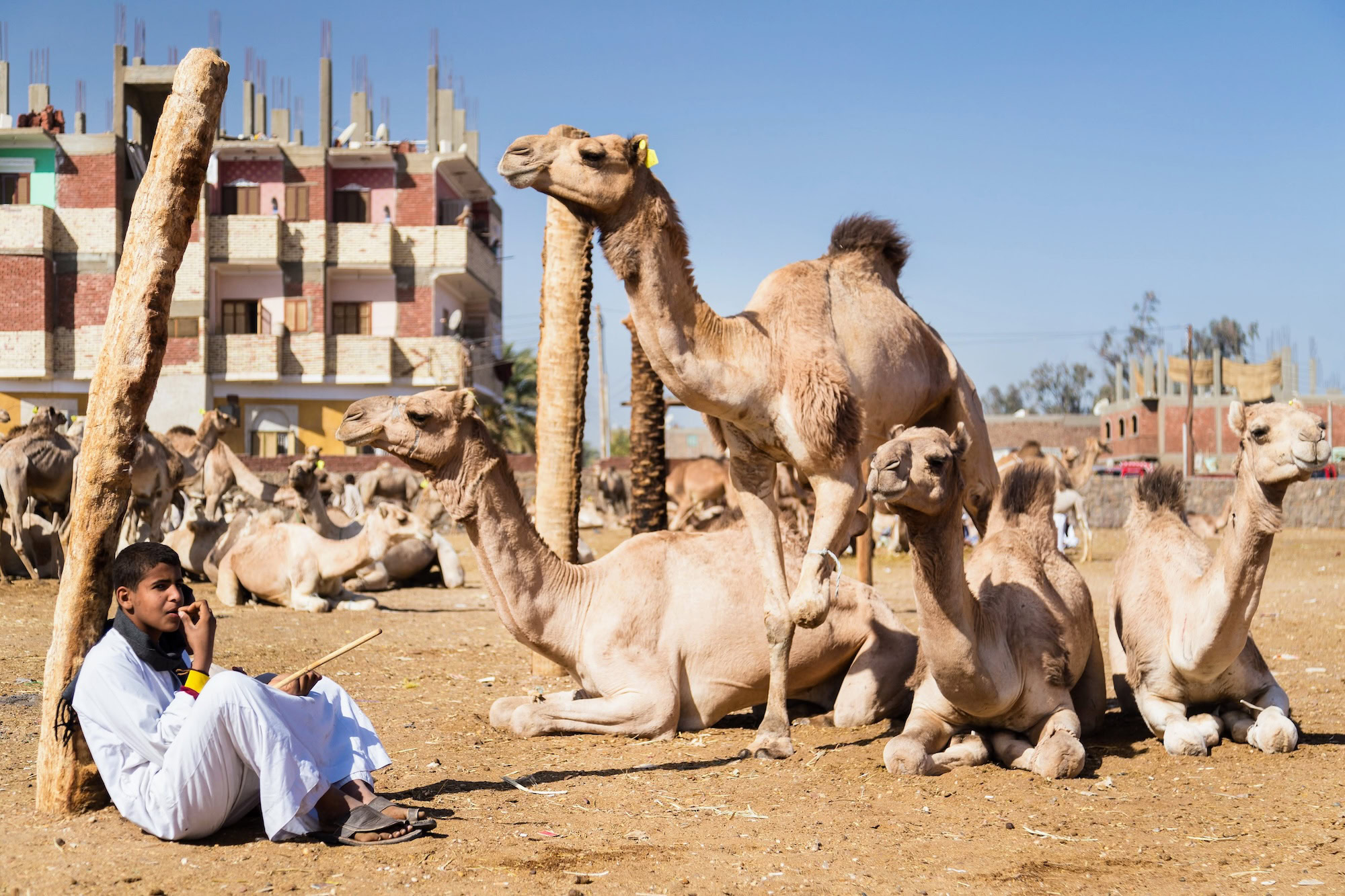
The bustling market environment provides countless photo opportunities without needing to focus on people – the animals themselves, the traditional trading methods, and the desert landscape create compelling images that tell the market’s story.
Learning from the Locals
Spending time at the local tea houses surrounding the market provides insights into daily life in rural Upper Egypt that most tourists never experience. These simple establishments serve traditional Sudanese tea and Egyptian flatbread, offering chances to observe how local communities interact with the visiting traders.
Basic Arabic phrases help enormously, but many locals appreciate any effort to communicate and will often find ways to share information about their animals, families, or life in Sudan’s remote regions. These conversations often prove more memorable than formal tourist attractions.
The Broader Context of Egyptian Desert Trade
Daraw represents the last functioning link in a trade network that once connected sub-Saharan Africa with Mediterranean markets through Egypt’s strategic position. Historical records describe similar markets operating throughout Upper Egypt during Pharaonic times, when exotic animals and goods from Nubia and beyond reached the royal courts of Memphis and Thebes.
The persistence of traditional trading methods in an increasingly modernized Egypt demonstrates the resilience of desert cultures and the continued importance of livestock in rural economies. Understanding Daraw requires recognizing its role not just as a tourist attraction, but as a living example of how traditional economies adapt to modern realities while maintaining their essential character.
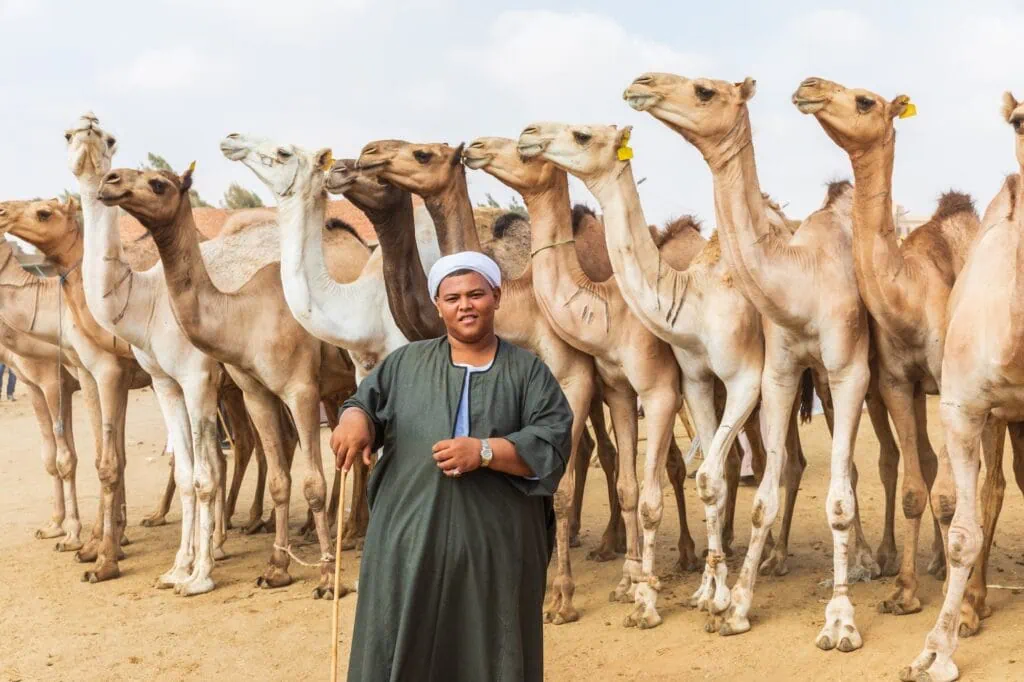
Modern challenges include competition from mechanized agriculture, changing dietary preferences in Egyptian cities, and economic pressures on traditional pastoral communities in Sudan. Yet the market continues because it serves genuine economic needs and cultural functions that modern alternatives cannot fully replace.
The animals sold here often end up supporting rural Egyptian families whose livelihoods depend on agriculture in the Nile Valley’s irrigation-dependent farming system. This connection links Sudan’s pastoral traditions with Egypt’s agricultural heritage through relationships dating back millennia.
Practical Considerations for Visitors
What to Bring
Water, sun protection, and a small amount of cash for purchasing tea or simple souvenirs from local vendors create a comfortable visit. A basic Arabic phrasebook or translation app helps with communication, though many interactions occur through gestures and numbers.
Camera equipment should be simple and unobtrusive – the dusty environment can damage delicate electronics, while obvious professional equipment may draw unwanted attention or requests for payment.
Health and Safety
The market operates in open air with good ventilation, but visitors with severe dust allergies should consider bringing appropriate masks. Animals remain generally calm, but maintaining reasonable distance from unfamiliar camels prevents accidents.
Travel insurance covering rural excursions provides peace of mind, though serious incidents remain extremely rare. The local community takes pride in ensuring visitors have positive experiences that encourage return visits and recommendations.
Combining with Other Attractions
Many visitors integrate Daraw market visits with trips to Abu Simbel, as both destinations lie south of Aswan and can be combined in well-planned day trips. The market visit typically requires 2-3 hours, leaving sufficient time for other regional attractions.
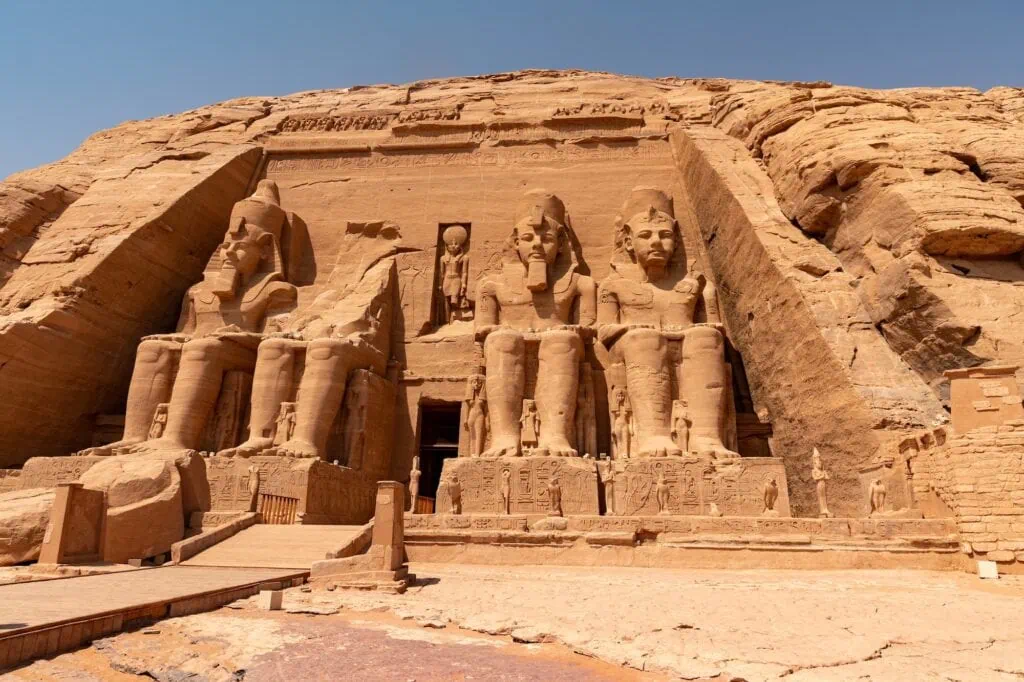
Our experience organizing these combined excursions shows that starting with the early morning market visit, then continuing to Abu Simbel for the midday temple experience, creates an ideal rhythm that showcases both traditional culture and ancient monuments.
Complete your journey through southern Egypt by exploring the region’s most iconic experiences — from vibrant local markets to legendary temples — with our curated guide to Aswan attractions.
Step Into The Energy Of Daraw Camel Market
Daraw Camel Market offers a rare and authentic glimpse into local life in Upper Egypt—vibrant, dynamic, and deeply rooted in tradition. With EgyptToursPlus, we seamlessly include this unique cultural experience in a private journey that connects real, everyday Egypt with the country’s most iconic historical highlights.
You choose your travel dates, your pace, and the experiences that shape your route. From immersive cultural encounters to Nile-side exploration and refined comfort throughout, we tailor every detail around your preferences—ensuring a smooth, expertly planned, and deeply personal travel experience.
Frequently Asked Questions
The Daraw Camel Market operates every Tuesday morning, with trading activity beginning around 6:00 am and peaking between 7:00 am and 10:00 am. Traders from Upper Egypt and Sudan arrive before sunrise with camels transported across long desert routes, creating the busiest atmosphere early in the day. By late morning, many deals are already completed and activity slows noticeably. Visitors coming from Aswan should depart before dawn to experience the market at its most authentic and photogenic.
Daraw is located approximately 40 km (25 miles) south of Aswan, and the drive typically takes 45 minutes to one hour depending on traffic and departure point. The route follows the Nile Valley through Upper Egyptian farming communities before reaching the market town. Because camel trading begins early on Tuesdays, most organized tours leave Aswan around 5:00 am to arrive during peak market activity. Private transportation provides the most efficient and comfortable option for early departures.
Tourists can legally purchase camels at Daraw Camel Market, but practical realities make ownership extremely complicated for international visitors. Camels sold at the market are working animals used for meat, breeding, transport, and agricultural purposes, with transactions requiring veterinary documentation and local transport arrangements. Export regulations, quarantine procedures, and long-term animal care create significant logistical barriers for foreigners. Most travelers visit Daraw for cultural observation and photography rather than commercial participation in livestock trading.
Most communication at Daraw Camel Market takes place in Arabic, particularly Upper Egyptian and Nubian dialects, with only limited English spoken among traders and transport workers. Guides accompanying organized tours often assist with translation and cultural interpretation, which helps visitors better understand negotiations and trading customs. Because the market primarily serves local and regional livestock commerce rather than tourism, interactions feel more authentic than heavily touristed markets elsewhere in Egypt. Learning a few simple Arabic greetings is appreciated by many vendors.
Photography is generally permitted at Daraw Camel Market, especially for wide scenes of camels, traders, and market activity, but visitors should always ask permission before photographing individuals directly. Many traders are welcoming, while others may prefer privacy during negotiations or religious observances. Dusty morning light and active livestock movement create excellent documentary photography opportunities between sunrise and 9:00 am. Respectful interaction usually results in better portraits and more comfortable access to busy trading areas.
Private transportation from Aswan is the easiest and most reliable way to reach Daraw Camel Market, especially because trading activity begins before sunrise every Tuesday. Organized tours and private drivers allow visitors to arrive during the busiest trading hours and return comfortably after exploring the market. Local microbuses also connect Aswan and Daraw at lower cost, although schedules can be unpredictable and crowded. Travelers interested in photography usually benefit from private transport because it allows flexible timing.
Daraw Camel Market offers only basic visitor facilities, including small tea houses, simple local restaurants, and limited restroom access near surrounding streets and cafes. The market functions primarily as a working livestock center rather than a developed tourist attraction, so infrastructure remains minimal compared to major Egyptian heritage sites. Visitors should bring bottled water, tissues, hand sanitizer, and cash in small Egyptian pound denominations. Early morning arrivals often find the freshest tea and local breakfast options available near the market entrance.
Most travelers spend 2-3 hours at Daraw Camel Market, which provides enough time to observe trading activity, photograph the livestock areas, and experience the atmosphere without feeling rushed. The busiest camel negotiations usually happen during the early morning hours between 7:00 am and 10:00 am, when hundreds of animals may pass through the market grounds. Visitors interested in documentary photography or local culture sometimes stay longer. Arriving early is more important than staying late because activity decreases significantly by midday.
Daraw Camel Market can be suitable for children when supervised carefully, although families should expect dusty conditions, large crowds, and close proximity to livestock. Children often enjoy seeing camels and experiencing a traditional Upper Egyptian trading environment that differs greatly from modern tourist attractions. Parents should bring water, hats, sunscreen, and closed shoes because the ground is uneven and animals move frequently through narrow pathways. Early morning visits are usually more comfortable for younger travelers before temperatures rise sharply.
Yes, visitors can travel to Daraw town throughout the week, but the famous camel trading market only operates on Tuesdays. On non-market days, Daraw remains a quiet Upper Egyptian community with regular shops, local cafes, and agricultural activity, but the large-scale camel auctions and livestock gatherings do not take place. Tuesday mornings attract traders, transporters, and buyers from across southern Egypt and Sudan, creating the distinctive atmosphere travelers come to experience. Scheduling correctly is essential to avoid disappointment.
Visitors to Daraw Camel Market should wear lightweight but conservative clothing with long sleeves, closed shoes, and sun protection because the environment is dusty, crowded, and exposed to strong desert sunlight. Neutral-colored clothing works especially well for photography and remains practical in sandy conditions. Temperatures in Upper Egypt rise quickly after sunrise, particularly between May and September when daytime highs often exceed 38°C (100°F). Sunglasses, hats, and breathable fabrics make the early morning visit significantly more comfortable.
Ancient Wonders of Aswan, Modern Comfort
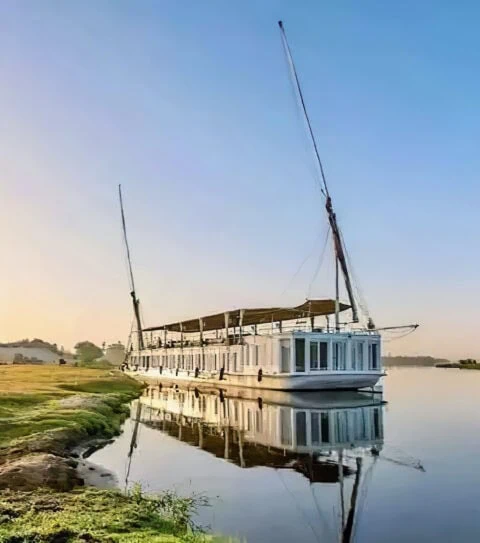
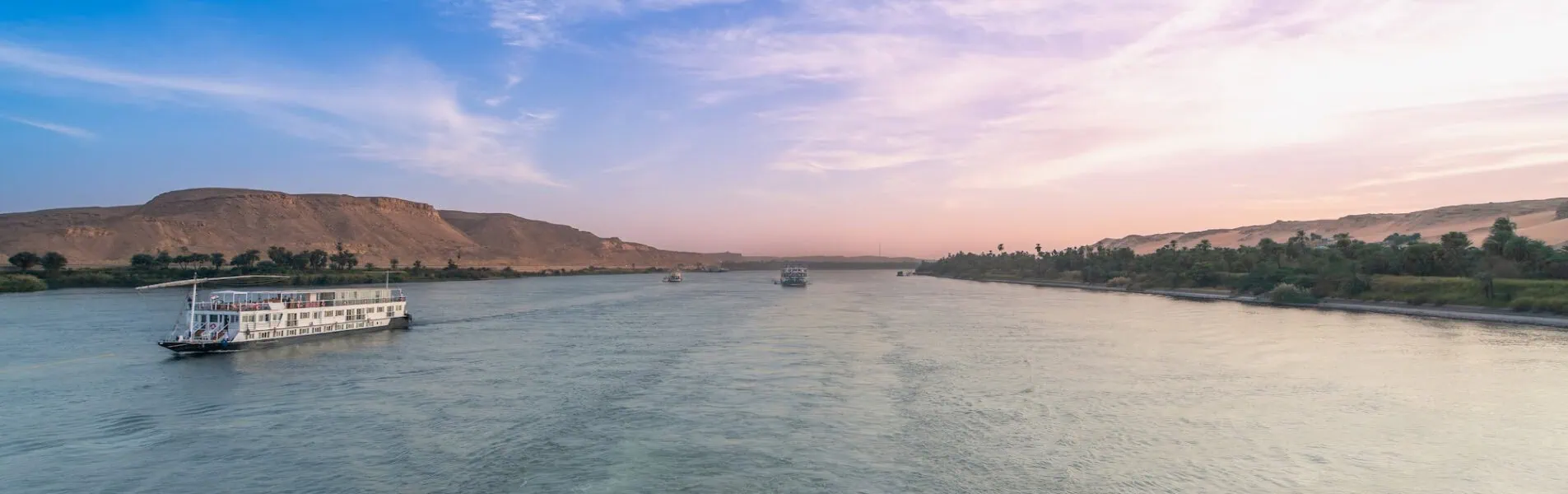
Sail the Nile Through Aswan Like a Pharaoh

Design Your Custom Tour
Explore Egypt your way by selecting only the attractions you want to visit