Private, Tailor-Made Egypt Tours in 4 Days
4-Day Egypt Tours
Discover Egypt in depth with our epic 4-Day Egypt Tours — private, expertly guided journeys designed around your interests and pace. From Cairo’s iconic pyramids to Luxor’s timeless temples and the Nile, enjoy seamless planning, comfort, and 24/7 support.
4-Day Tours in Egypt
Four days unlocks Egypt’s greatest treasures.
Make the most of your time with our private 4-day Egypt tours, crafted by experts guiding travelers since 1955. Discover the pyramids of Giza, explore Luxor’s timeless temples, and experience the Nile with your own guide and driver. Every itinerary is carefully planned to combine iconic sights, authentic moments, and seamless logistics — so you can relax and enjoy Egypt, even on a short visit.
Classic Cairo and Giza 4-Day Experience
Most first-time visitors start their Egyptian adventure in Cairo, and for good reason. The capital city serves as your gateway to the ancient world, housing the legendary Giza pyramid complex and the world’s finest collection of pharaonic treasures. We begin each morning early to beat the crowds and desert heat, typically starting at 8:00 am (08:00) when temperatures hover around a comfortable 25°C (77°F).
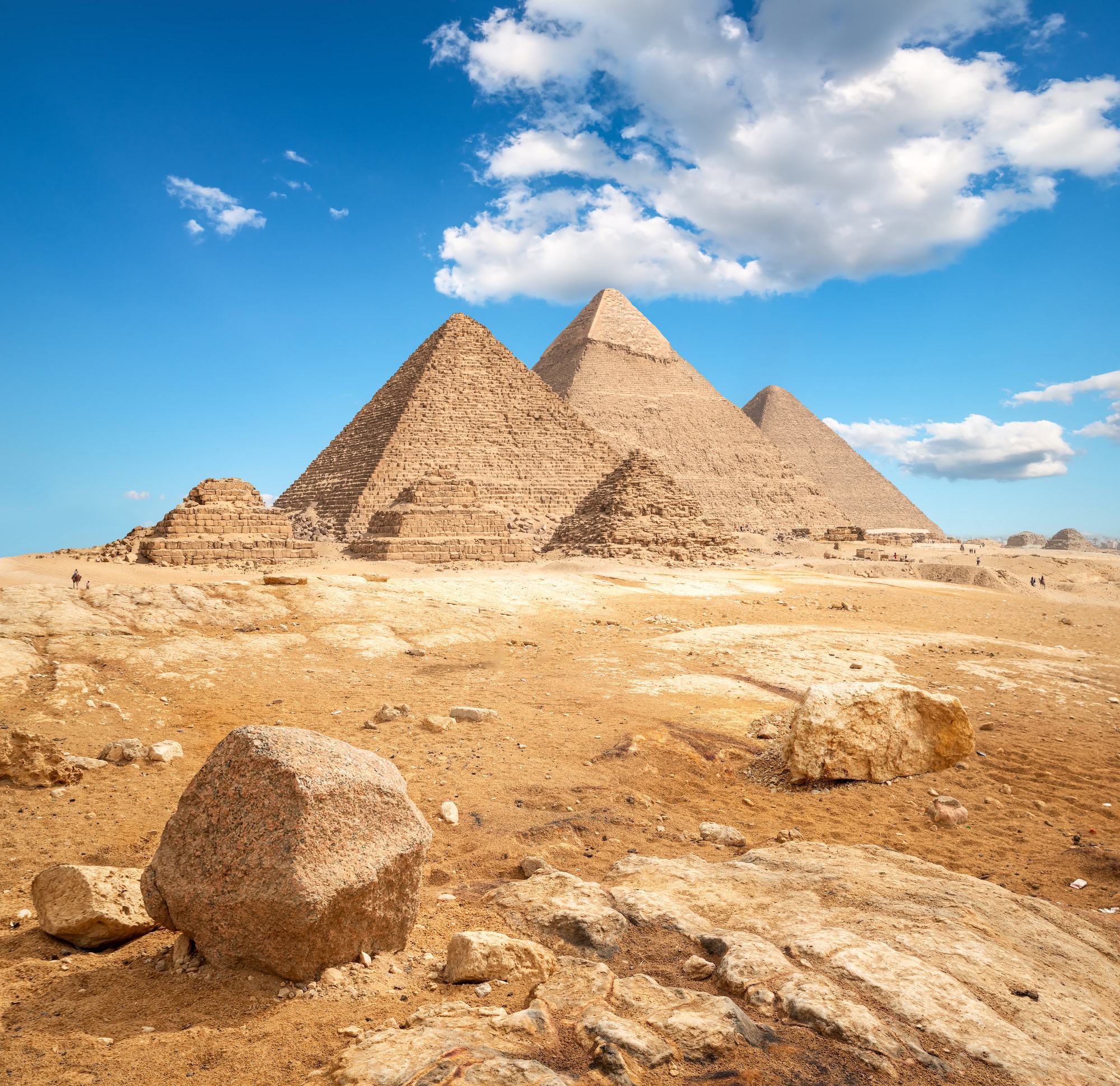
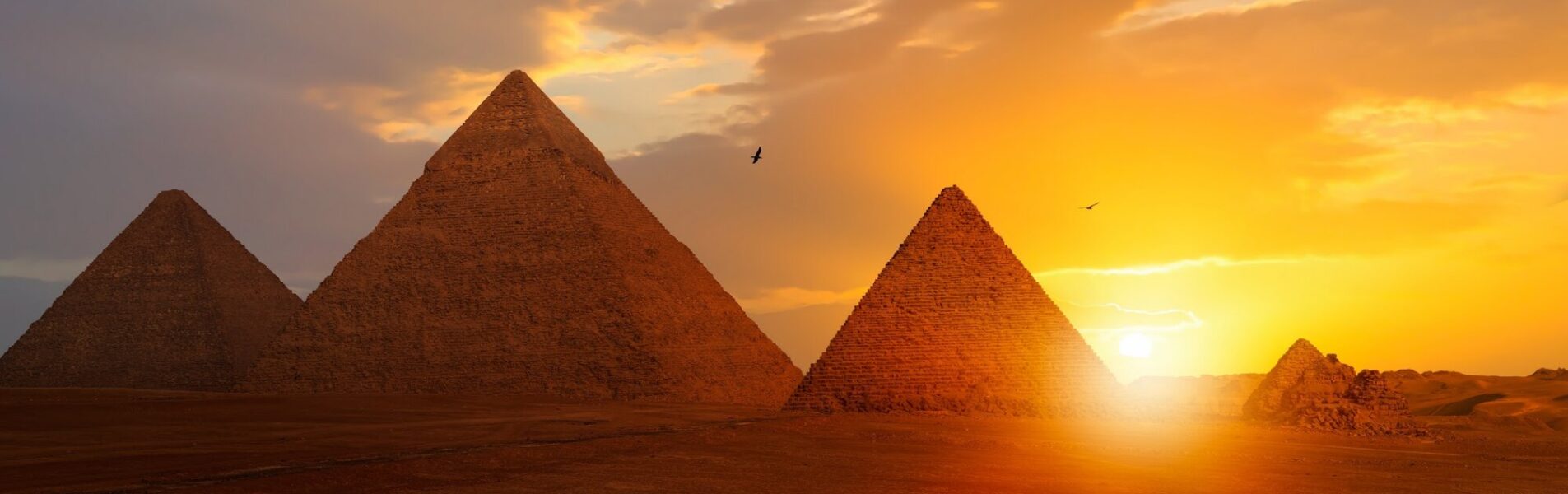
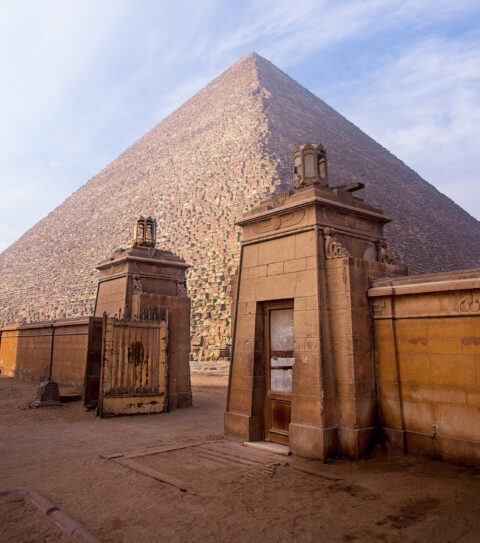
Your first day centers entirely on the Giza plateau, located just 20 km (12 miles) southwest of central Cairo. Standing before the Great Pyramid of Khufu—the last surviving wonder of the ancient world—creates a moment that stays with visitors forever.
The Great Pyramid and Sphinx Complex
Inside the Great Pyramid, narrow passages lead to the King’s Chamber, where ancient pharaohs once rested for eternity. The climbing experience requires moderate fitness, as you’ll navigate passages just 1.2 meters (4 feet) high for about 47 meters (154 feet). Our private guides explain the pyramid’s construction mysteries while you catch your breath in the Grand Gallery, marveling at precision that modern engineers still study today.
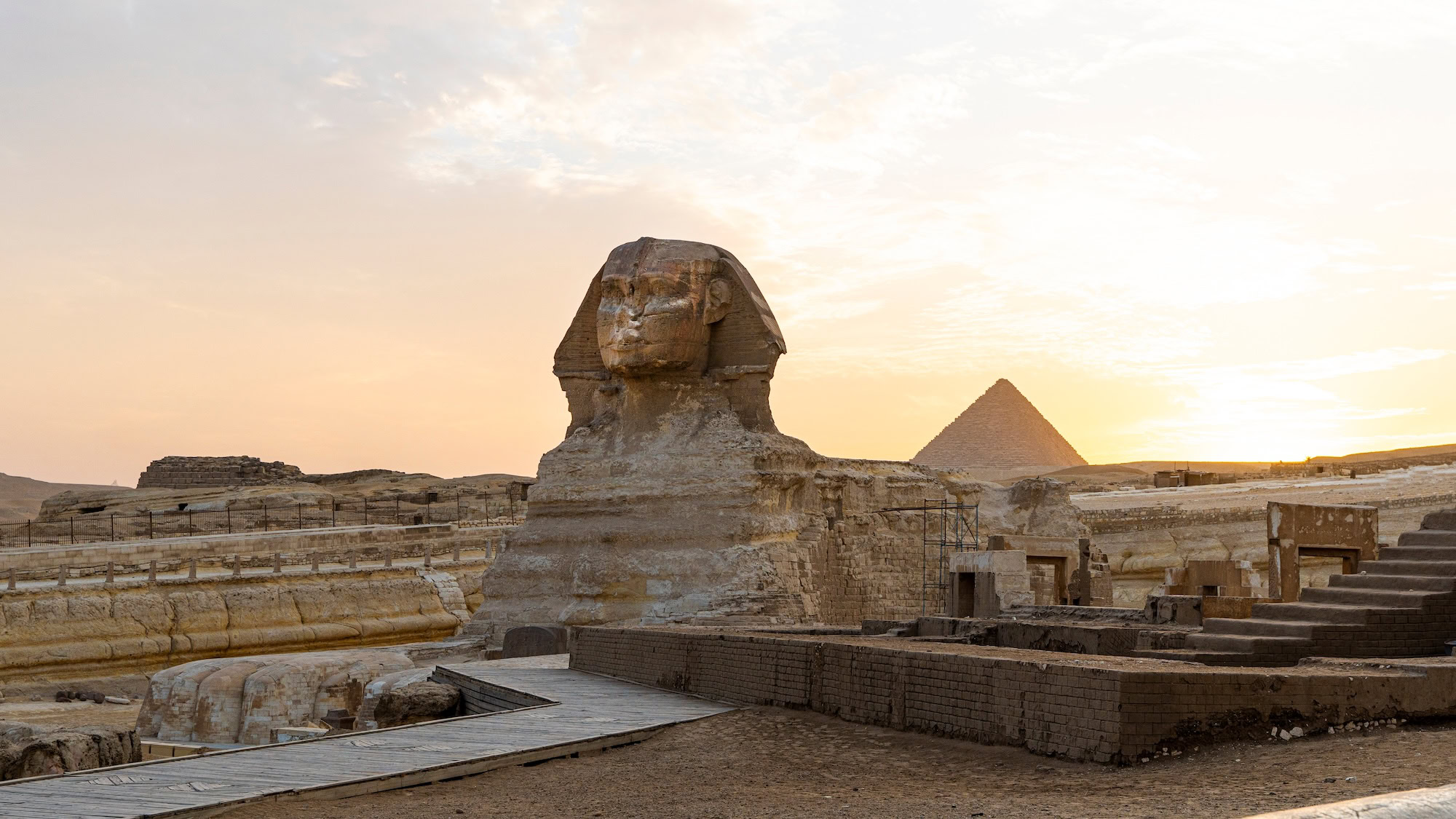
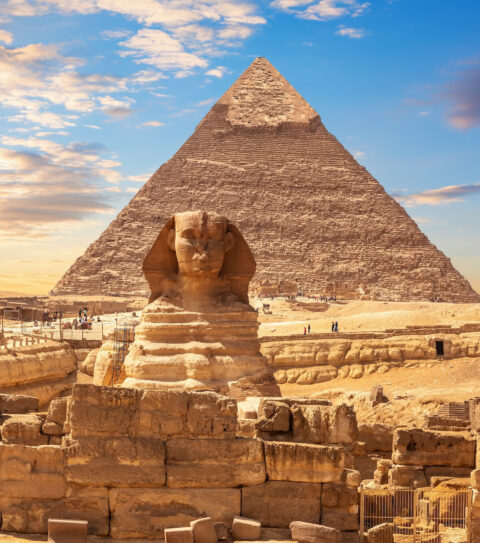
The Sphinx guards these monuments with timeless elegance. Best photographed from the eastern viewing platform around 10:00 am (10:00), when morning light illuminates its weathered features perfectly. Many visitors spend nearly an hour here, absorbing the scale and craftsmanship that has survived 4,500 years of history.
Grand Egyptian Museum Treasures
Day two shifts to central Cairo and the Grand Egyptian Museum, home to over 200,000 artifacts spanning pharaonic civilization. Tutankhamun’s golden burial mask draws immediate attention, but our expert guides reveal lesser-known treasures: perfectly preserved royal mummies, intricate jewelry collections, and stone sarcophagi that showcase ancient artistic mastery.
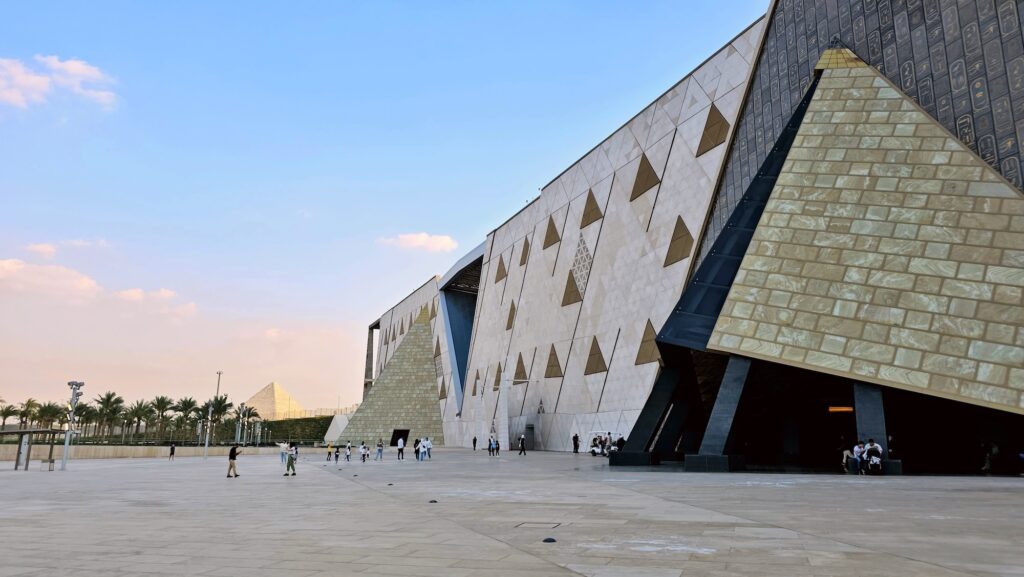
The museum requires strategic planning. Without proper guidance, visitors often feel overwhelmed by the sheer volume of artifacts spanning 5,000 years of history.
Khan el Khalili Bazaar Adventures
Your final Cairo afternoon unfolds in Khan el Khalili, the medieval market that has thrived for over 600 years. Navigate narrow alleyways filled with handcrafted copper work, traditional textiles, and aromatic spice shops where vendors still weigh saffron and cardamom on century-old scales. Bargaining remains expected—start at roughly 30% of the quoted price and negotiate with patience and humor.
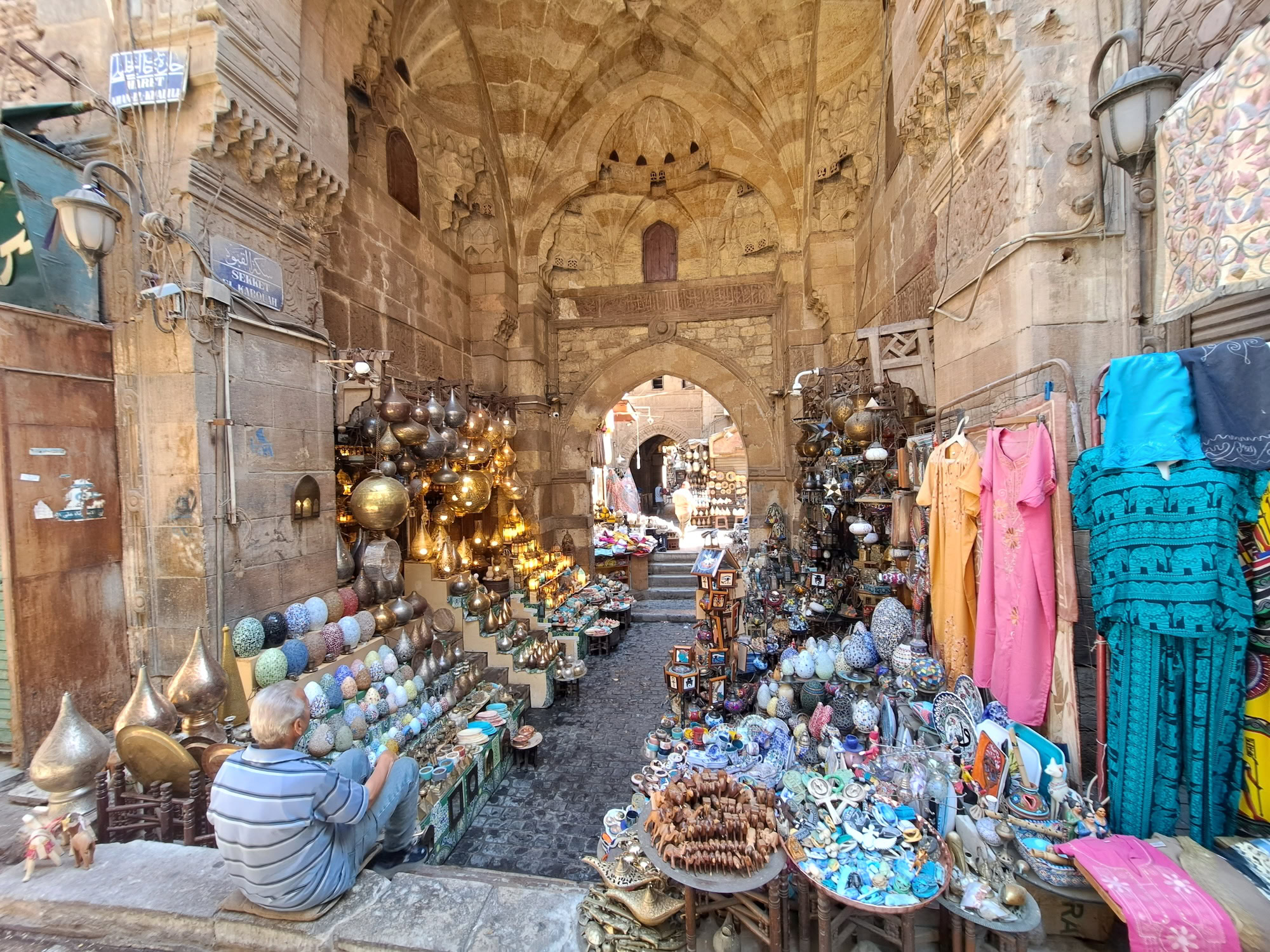
The adjacent Al-Azhar Mosque, built in 970 AD, offers peaceful respite from the market’s energy. Non-Muslim visitors can explore the courtyard and appreciate the Islamic architectural details that influenced mosque design throughout the Middle East.
Luxor and Aswan Nile Valley Journey
Egypt’s southern cities reveal the country’s most spectacular temples and tombs. This 4-day itinerary combines Luxor’s east and west banks with Aswan’s Nubian culture, connected by scenic Nile cruise segments that let you experience Egypt’s lifeblood river in comfort.
Flying from Cairo to Luxor takes just 1 hour and 15 minutes, landing you directly in the heart of ancient Thebes. Morning temperatures in Luxor average 28°C (82°F), making early temple visits essential before afternoon heat peaks around 40°C (104°F).
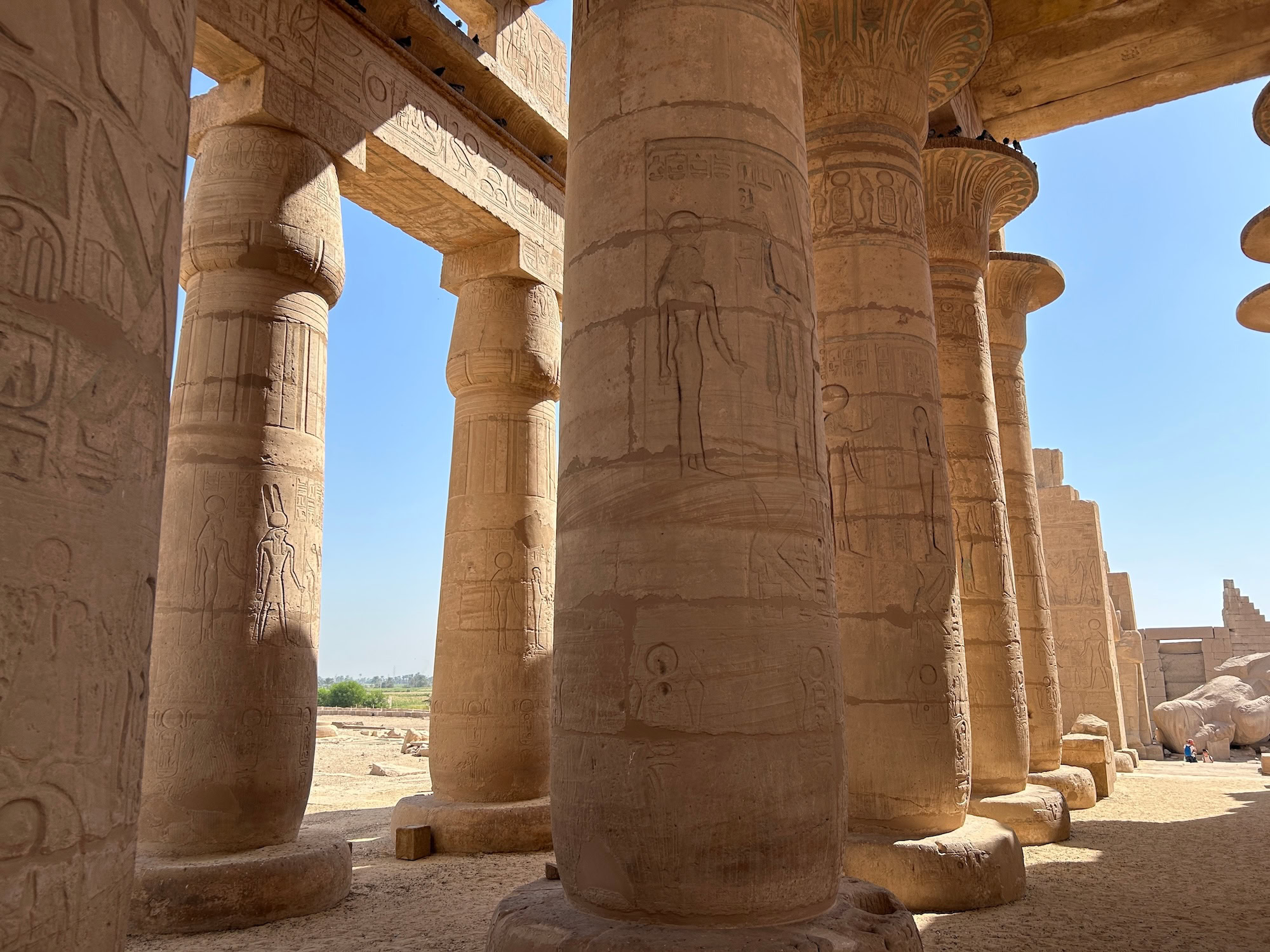
Luxor’s east bank houses Karnak Temple Complex, a sprawling religious site that evolved over 2,000 years. The Great Hypostyle Hall contains 134 massive columns, each capable of supporting Notre Dame Cathedral’s roof. Walking among these stone giants, decorated with hieroglyphic prayers and royal cartouches, creates an almost overwhelming sense of ancient grandeur.
Valley of the Kings Exploration
Cross the Nile to Luxor’s west bank, where pharaohs chose their eternal resting place in hidden valley tombs. Your ticket includes entry to three tombs, but we strongly recommend upgrading to visit Tutankhamun’s actual burial site. The young pharaoh’s mummy rests here in a climate-controlled glass case, surrounded by the modest tomb that Howard Carter discovered in 1922.
Tomb decorations reveal ancient Egyptian beliefs about death and rebirth. In Ramses IV’s tomb, ceiling paintings map the pharaoh’s journey through the underworld, while wall texts provide magic spells for overcoming demons and obstacles in the afterlife.
Hatshepsut Temple Marvel
Queen Hatshepsut’s mortuary temple rises from desert cliffs in three elegant terraces, representing one of ancient Egypt’s most innovative architectural achievements. This female pharaoh ruled for 22 years, commissioning monuments that celebrated her divine right to govern Egypt as a living god.
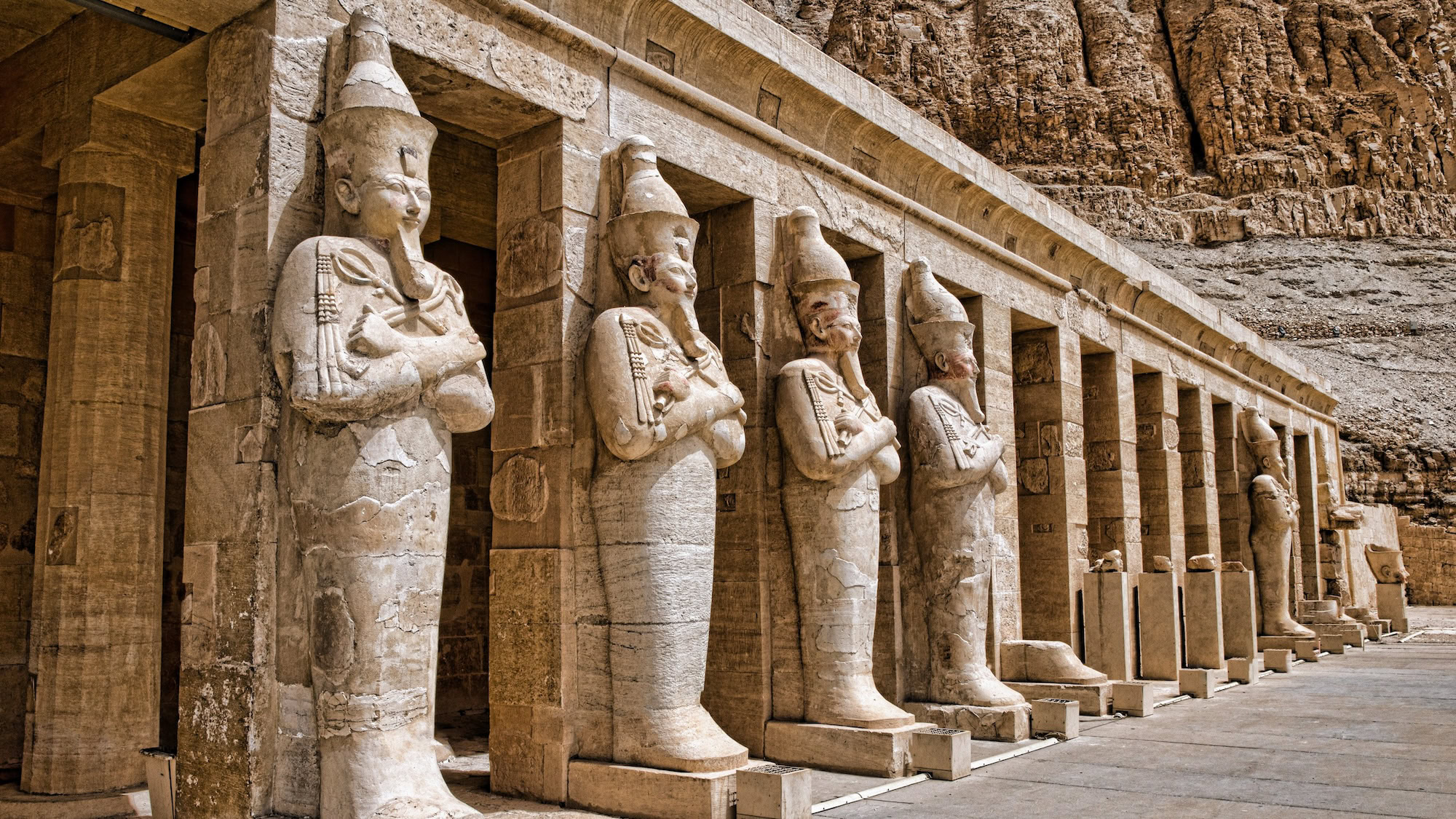
The temple’s colonnaded halls once housed exotic trees brought from the mysterious land of Punt, possibly modern-day Somalia. Faded reliefs still depict trading expeditions that returned with frankincense, ebony, and live baboons for the royal menagerie.
Abu Simbel Day Trip
Most 4-day Aswan itineraries include an early morning flight to Abu Simbel, UNESCO’s most dramatic rescue project. These twin temples, carved directly into sandstone cliffs, were dismantled and rebuilt 65 meters (213 feet) higher to escape Lake Nasser’s rising waters in the 1960s.
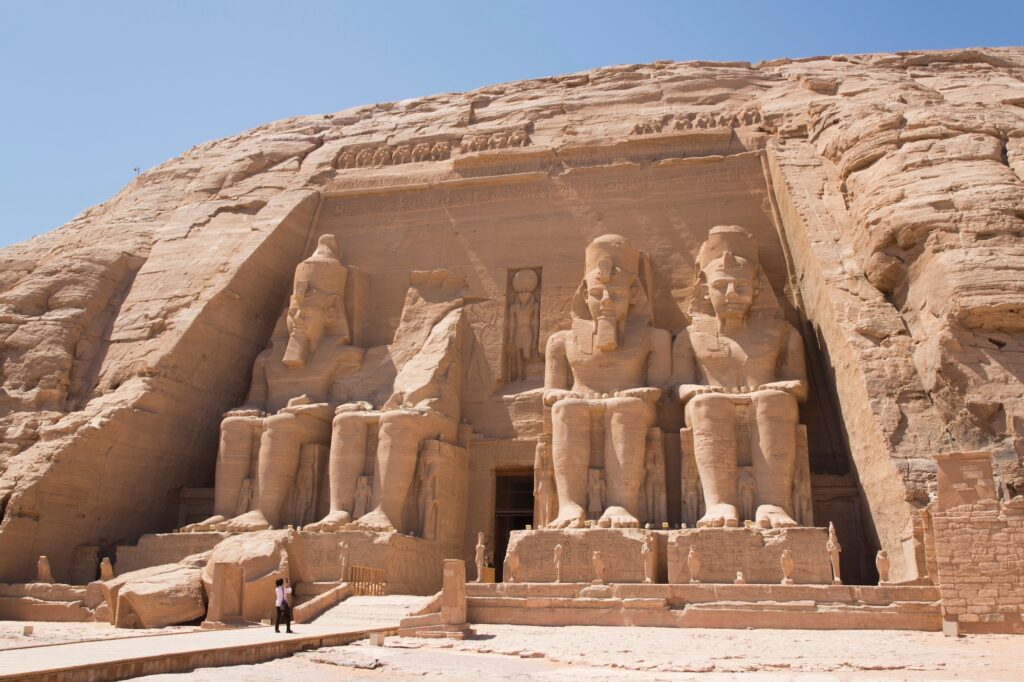
Ramses II designed the temple facade to create maximum psychological impact on ancient Nubian visitors. Four seated colossi, each 20 meters (66 feet) tall, guard the entrance while smaller figures of the pharaoh’s family cluster around his feet. Twice yearly, on February 22 and October 22, sunrise illuminates the inner sanctuary’s sacred statues—an engineering marvel that ancient architects planned with astronomical precision.
Desert Adventures and Red Sea Relaxation
Some travelers prefer combining Egypt’s historical sites with natural beauty and adventure activities. This alternative 4-day tour balances cultural exploration with desert safaris and Red Sea diving, perfect for active visitors seeking diverse experiences.
Your adventure begins with a morning in Islamic Cairo, exploring the Citadel of Saladin and Muhammad Ali Mosque. Built between 1830-1848, this Ottoman-style mosque dominates Cairo’s skyline with twin minarets and a central dome visible from across the city. The marble courtyard and ornate prayer hall demonstrate how Islamic architecture evolved beyond traditional Egyptian styles.
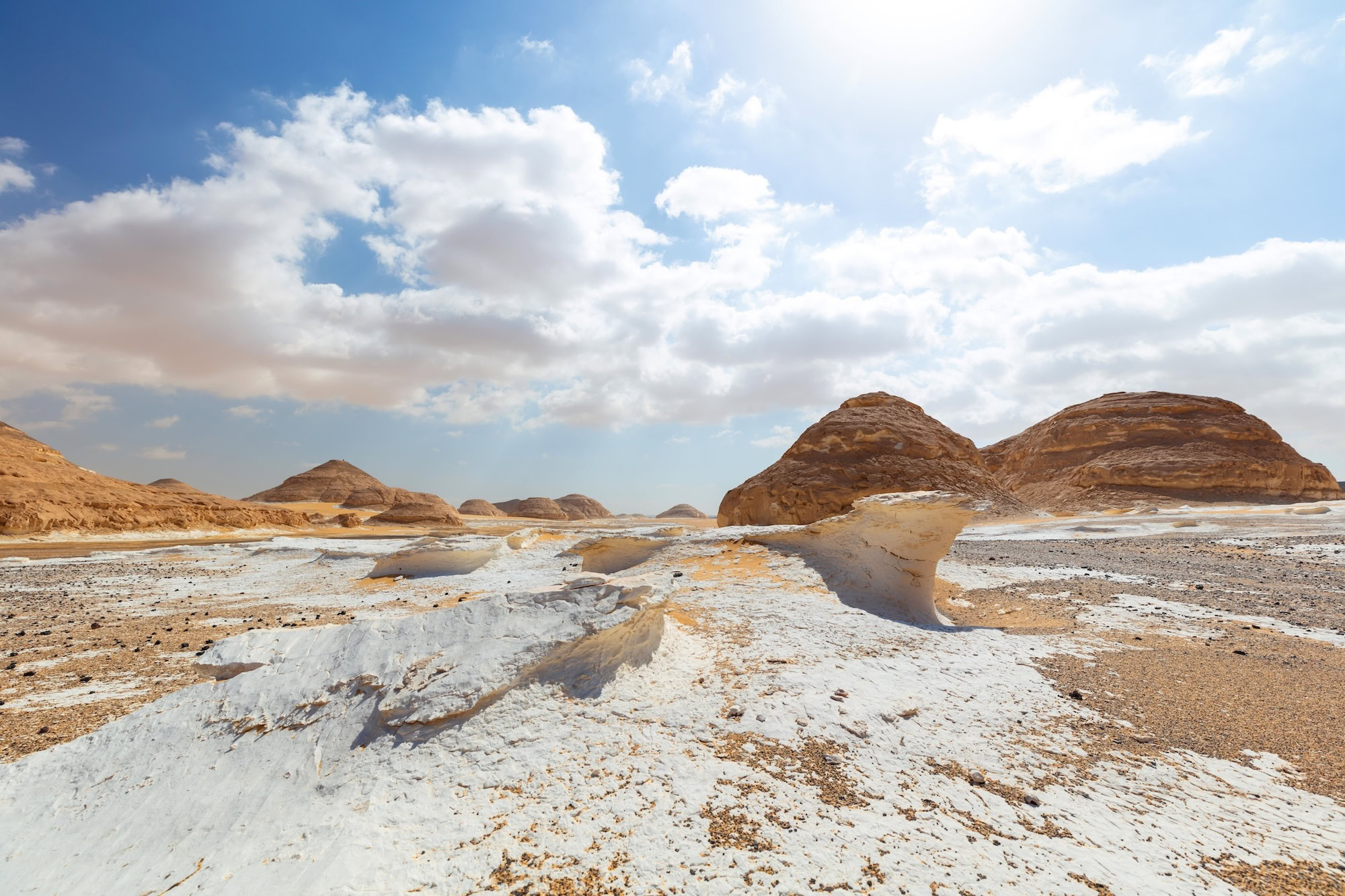
Afternoon brings the Western Desert expedition. Just 3 hours west of Cairo, the Bahariya Oasis provides your base for exploring the White Desert National Park. Limestone formations, carved by wind erosion over millions of years, create a natural sculpture garden where camping under star-filled skies offers profound tranquility after Cairo’s urban intensity.
Professional desert guides lead camel treks across golden sand dunes while explaining Bedouin survival techniques and desert ecology. Evening temperatures drop to 15°C (59°F), making campfires essential for comfort and traditional Bedouin tea preparation.
The final two days shift to Hurghada or Sharm el Sheikh on the Red Sea coast. Here, crystal-clear waters reveal coral reefs teeming with tropical fish, sea turtles, and dolphins. Diving sites like Ras Mohammed National Park offer 30-meter (98-foot) visibility and water temperatures averaging 26°C (79°F) year-round.
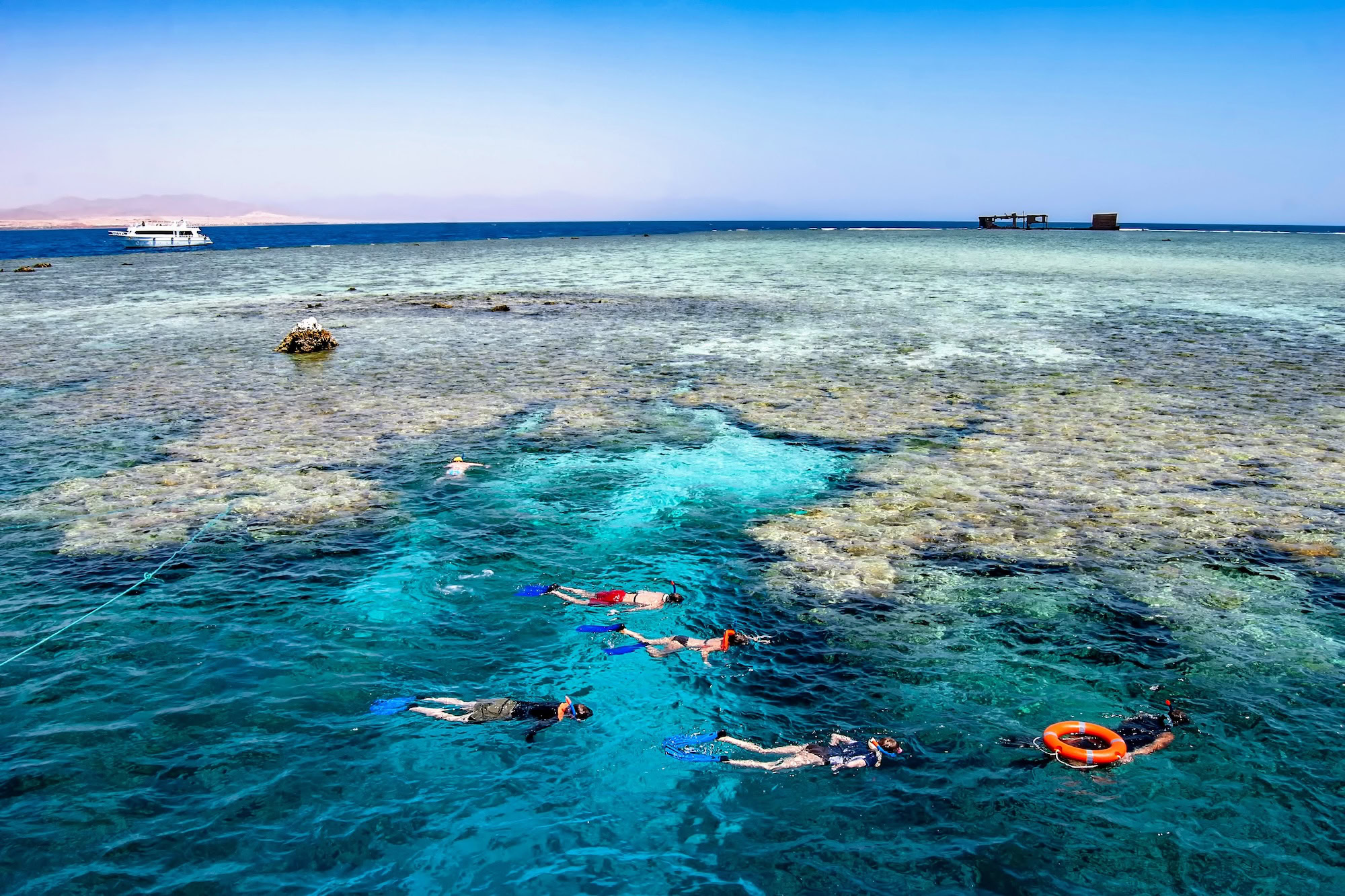
Snorkeling requires minimal experience, but certified divers can explore deeper coral walls where hammerhead sharks and manta rays occasionally appear. Between water activities, beachfront resorts provide spa treatments and traditional Egyptian cuisine with fresh seafood caught daily by local fishermen.
Alexandria and Mediterranean Coast Discovery
Northern Egypt offers a completely different cultural experience, blending Pharaonic, Greek, Roman, and Islamic influences along the Mediterranean coastline. This 4-day Alexandria tour reveals Egypt’s cosmopolitan heritage while providing cooler weather and seaside relaxation.
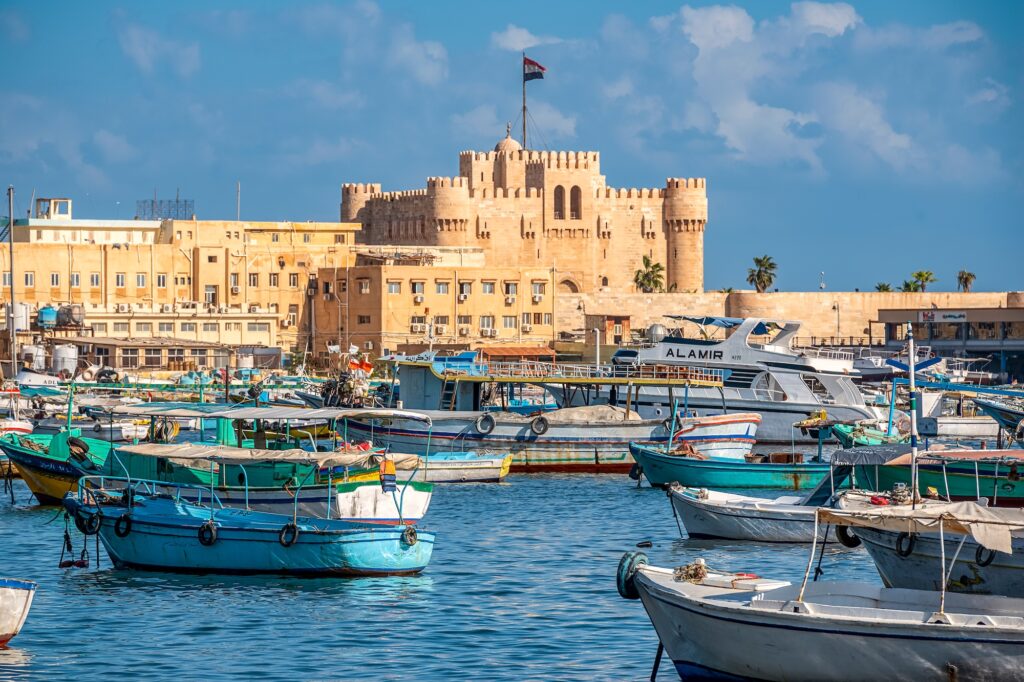
Alexandria, founded by Alexander the Great in 331 BC, once housed the ancient world’s greatest library and lighthouse. Modern attractions include the striking Bibliotheca Alexandrina, a contemporary tribute to ancient scholarship featuring manuscript collections, planetarium shows, and rotating exhibitions about Mediterranean civilizations.
The Catacombs of Kom el Shoqafa represent Roman-era burial practices blended with Egyptian traditions. Three levels of tombs, carved directly into bedrock, demonstrate how Greek and Egyptian religious beliefs merged during the Ptolemaic period. The main burial chamber features Roman-style sculptures wearing pharaonic crowns—a unique cultural fusion found nowhere else.
Pompey’s Pillar, a 27-meter (89-foot) granite column, stands as Alexandria’s most visible ancient monument. Despite its name honoring a Roman general, the column actually commemorates Emperor Diocletian’s victory over an Alexandrian rebellion in 297 AD. Climbing to the nearby museum reveals artifacts from the submerged ancient harbor, including colossal statues recently discovered underwater.
Modern Alexandria pulses with Mediterranean energy. The Corniche waterfront stretches for 15 km (9 miles), lined with seafood restaurants serving fresh fish grilled with Egyptian spices. Local coffee houses still preserve the intellectual atmosphere that once attracted writers like Constantine Cavafy and Lawrence Durrell.
Day trips from Alexandria reach El Alamein, site of World War II’s decisive North African battle. The military museum and Commonwealth War Cemetery honor soldiers from 27 nations who fought against Nazi forces in 1942. German and Italian memorials nearby create a comprehensive historical perspective on this pivotal conflict.
Planning Your Perfect 4-Day Egyptian Adventure
Your perfect Egypt travel package depends on matching your interests with the right itinerary and season. Winter months (December-February) provide ideal weather for sightseeing, with daytime temperatures around 22°C (72°F) and minimal rainfall. Summer visits require early morning starts and afternoon indoor activities to escape 45°C (113°F) desert heat.
Visa and Entry Requirements
U.S. citizens need a tourist visa, easily obtained online before travel or upon arrival at Cairo International Airport for $25 USD. The e-visa system processes applications within 7 business days, while airport visas take 30-45 minutes during peak periods. Europeans, Canadians, and Australians follow similar procedures, though some nationalities qualify for visa-free entry for stays under 14 days when arriving in South Sinai resorts.
Your passport must remain valid for six months beyond your departure date, with at least one blank page for the visa stamp.
Transportation and Logistics
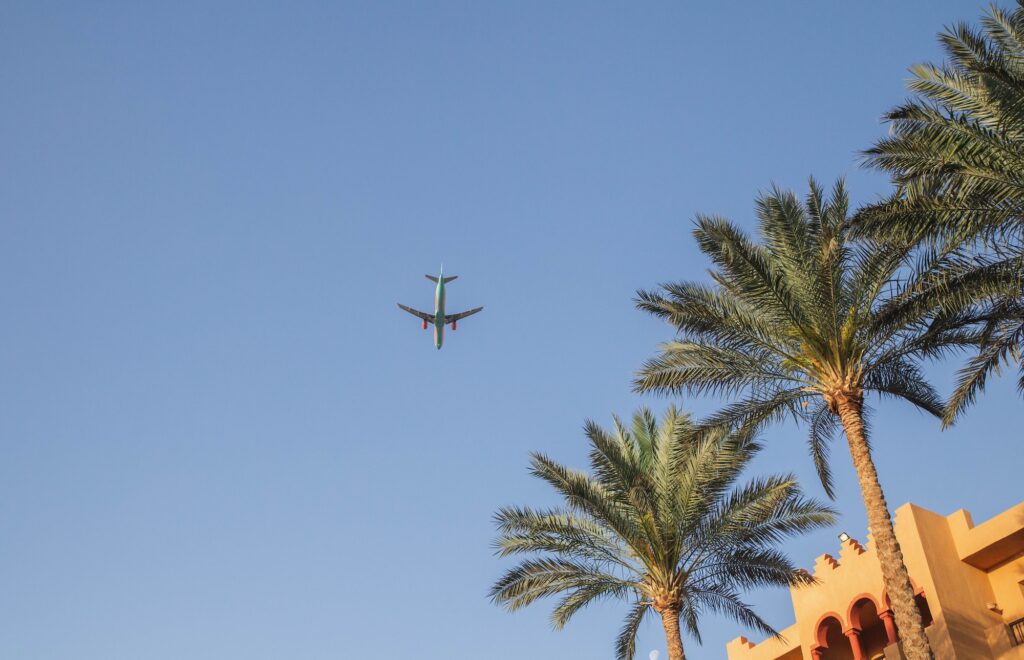
Domestic flights connect major cities efficiently—Cairo to Luxor takes 1 hour 15 minutes, while Cairo to Aswan requires 1 hour 30 minutes. Train travel offers scenic alternatives, particularly the overnight sleeper service between Cairo and Aswan, though flights save valuable daytime hours for sightseeing.
We provide private air-conditioned vehicles with professional drivers for all ground transportation. Our modern fleet includes WiFi, charging ports, and complimentary water bottles, ensuring comfort between destinations. Group tour buses accommodate up to 12 participants for Nile cruise excursions, maintaining intimate experiences compared to larger commercial tours.
Accommodation Standards
Four-day tours require thoughtful accommodation choices that balance comfort, location, and authenticity. In Cairo, historic hotels such as the Old Winter Palace preserve colonial elegance, while modern properties provide contemporary amenities and swimming pools. Between Luxor and Aswan, River Nile cruises offer private cabins with river views, sun decks, and onboard entertainment, while dahabiya cruises provide a more intimate and traditional sailing experience along the Nile.
Desert camping in the White Desert uses comfortable Bedouin-style tents with proper mattresses and blankets. Shared bathroom facilities maintain cleanliness standards while preserving the authentic camping experience.
Red Sea resorts range from budget-friendly beach hotels to luxury properties with private beaches, multiple restaurants, and world-class spa facilities. Most include diving centers with PADI-certified instructors and equipment rental.
Maximizing Your Cultural Immersion
Beyond monuments and museums, authentic Egyptian experiences emerge through local interactions and cultural activities. Our guides arrange visits to working archaeological sites where you can observe conservation techniques and artifact documentation. These behind-the-scenes experiences reveal how Egyptologists piece together ancient mysteries.
Culinary Discoveries
Egyptian cuisine reflects the country’s position at the crossroads of Africa, Asia, and the Mediterranean. Traditional meals feature ful medames (fava bean stew), koshari (lentils with rice and pasta), and freshly baked baladi bread. Street food vendors offer ta’meya (Egyptian falafel) and grilled corn seasoned with lime and chili.

Fine dining restaurants in Cairo and Luxor serve updated versions of classical dishes, often accompanied by traditional music and dance performances. Many hotels arrange cooking classes where you learn to prepare authentic Egyptian recipes using local spices and techniques.
Shopping for Authentic Souvenirs
Quality craftsmanship appears in traditional workshops throughout Egypt. Carpet weavers in Khan el Khalili create intricate designs using techniques unchanged for centuries. Copperwork artisans hammer bowls and trays by hand, while glassblowers in Old Cairo fashion vessels using methods inherited from medieval Islamic craftsmen.
Papyrus remains popular, but ensure authenticity by purchasing from reputable dealers who use genuine papyrus plants rather than banana leaves. Quality papyrus feels smooth and ages to golden tones, while inferior imitations crack and fade quickly.
Spice markets offer saffron, cardamom, and unique Egyptian blends like dukkah (nuts and spice mixture). Buy small quantities initially to test quality and freshness before making larger purchases.
Ready to Explore Egypt Your Way?
Explore our private guided Egypt trips and let us design a fully tailored journey with your own expert guide, driver, and seamless support from start to finish.
Frequently Asked Questions
What is the best time of year for a 4-day Egypt tour?
October through April offers ideal weather, with comfortable temperatures averaging 25°C (77°F) and minimal rainfall.
Do I need special vaccinations before visiting Egypt?
No special vaccinations are required for most travelers, though hepatitis A and typhoid vaccines are recommended.
How much should I budget for meals and shopping?
Expect $30-50 USD daily for meals and $100-200 USD total for quality souvenirs.
Is it safe for solo female travelers?
Egypt welcomes solo female visitors, though conservative dress and reputable tour companies ensure comfortable experiences.
What should I pack for diverse climates?
Lightweight long-sleeved clothing, comfortable walking shoes, sun protection, and layers for air-conditioned spaces.
Can I extend my visa beyond the initial period?
Tourist visas allow 30-day stays and can be extended once at immigration offices.
Are credit cards widely accepted?
Major hotels and restaurants accept cards, but carry cash for markets and small vendors.
How do I handle tipping customs?
Tipping (baksheesh) is customary—$2-5 USD for guides, $1 USD for service staff.
What photography restrictions should I know about?
Most sites allow photography with additional fees, but flash and tripods are prohibited.
Do tours include all entrance fees?
Comprehensive packages include standard entries, though special experiences like pyramid interiors require additional fees.
How physically demanding are the tours?
Most activities require moderate fitness for walking uneven surfaces and climbing stairs.
What happens if weather disrupts our itinerary?
We maintain flexible schedules and indoor alternatives to ensure you experience Egypt’s highlights.
Design Your Custom Tour
Explore Egypt your way by selecting only the attractions you want to visit
The Best of Egypt Tailored Just for You
Private Guided Egypt Tours
Top-Rated Egypt Tours
Discover timeless wonders with our top-rated private Egypt tours—crafted for those who seek the extraordinary.
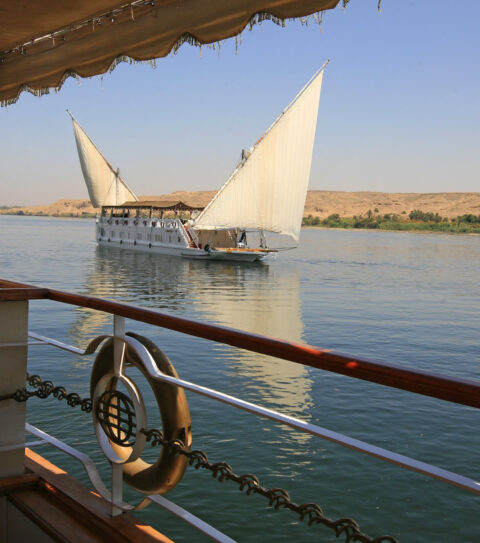
Tours w/ Nile Cruises
Sail the Nile in comfort and elegance—where every bend unveils a new chapter of Egypt’s timeless story.
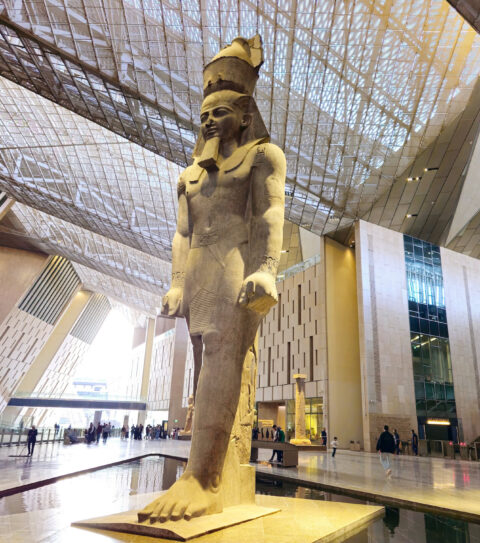
Luxury Egypt Tours
Experience Egypt in style—with private guides, 5-star comfort, and exclusive access to iconic wonders.
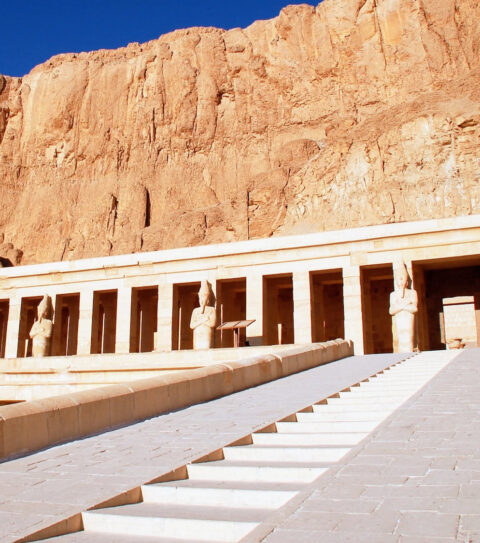
Egypt Christmas Tours
Celebrate Christmas with ancient wonders, golden sunshine, and epic moments on a magical journey.
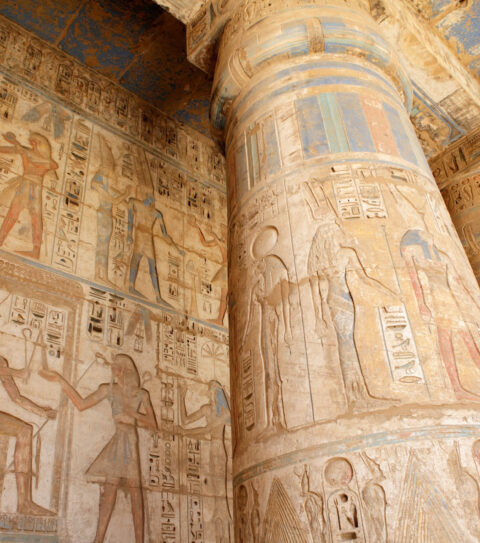
Egypt Easter Tours
Make this Easter extraordinary with a sun-filled escape to Egypt—where timeless wonders and landscapes await.
Egypt Accessible Tours
Discover Egypt without limits—our accessible tours are thoughtfully designed to ensure comfort and ease.